The different types of home heating systems available to Rancho Cordova, CA homeowners generally come down to four options: furnaces, heat pumps, ductless mini-splits, and the occasional boiler in an older house. Sacramento Valley winters rarely get harsh, but picking the wrong system still shows up on your utility bill every January. This guide breaks down what each option actually does so you can narrow the field before calling a contractor.
Types of Heating Systems Available
Rancho Cordova homeowners mostly choose between furnaces, heat pumps, and ductless mini-splits, with a small number of older homes still running on boilers. Each works differently, and each fits a different kind of house. Because local winters are mild compared to much of the country, systems built to handle moderate temperature swings efficiently, rather than extreme cold, tend to perform best here.
Heat Pumps
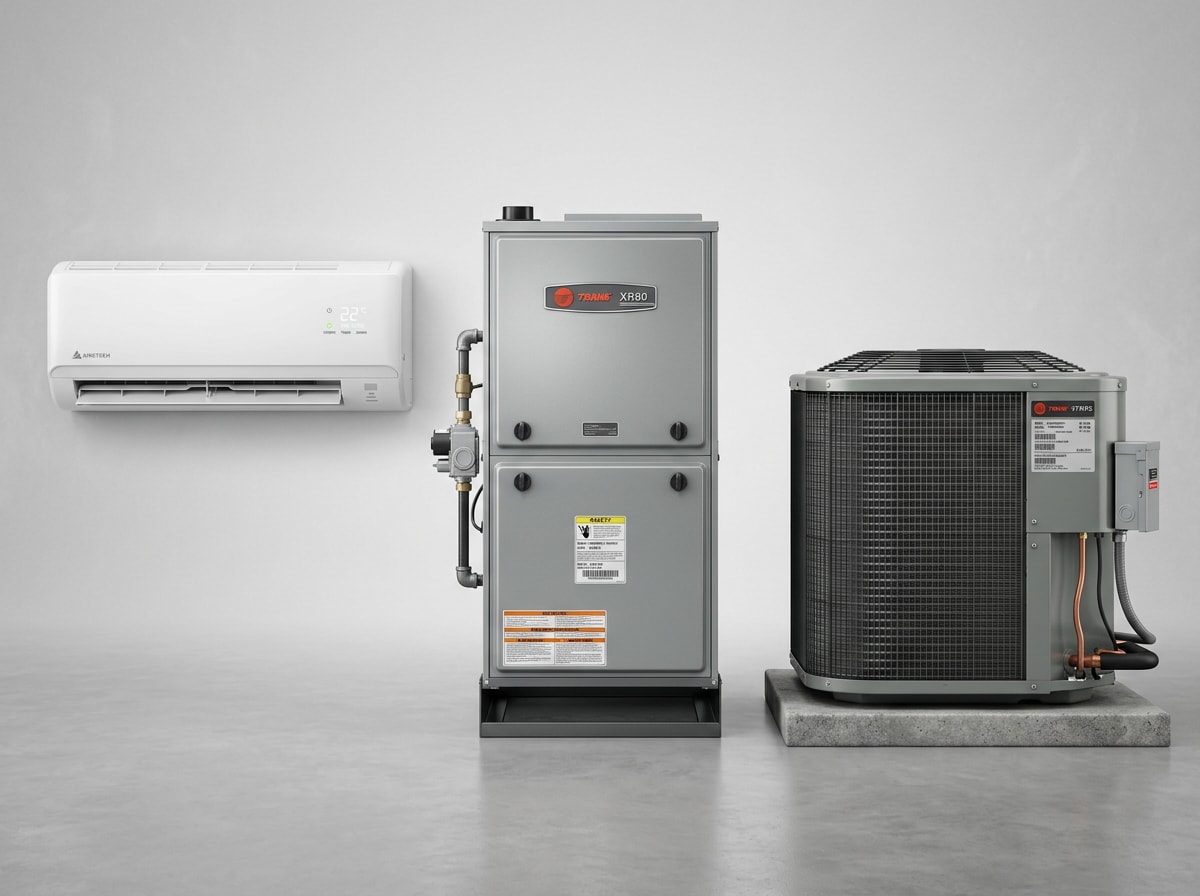
A heat pump moves heat rather than burning fuel to create it, which makes it a strong match for Rancho Cordova's mild-winter climate. A furnace generates heat by burning fuel like gas or using electricity, while a heat pump transfers existing heat from outdoor air or the ground into your home , then reverses that process to cool the house in summer.
That dual function is a practical selling point. Instead of running a separate furnace and air conditioner, one all-electric system handles both jobs year-round. Because heat pumps move heat rather than generate it, they typically have a coefficient of performance between 2 and 5, meaning a heat pump with a COP of 4 delivers 4 kW of heat for every 1 kW of electricity it consumes . That's a number worth asking your contractor about directly, since a higher COP translates to a lower electric bill over the winter. Learn more about heating system installation options for Rancho Cordova homes.
Furnaces
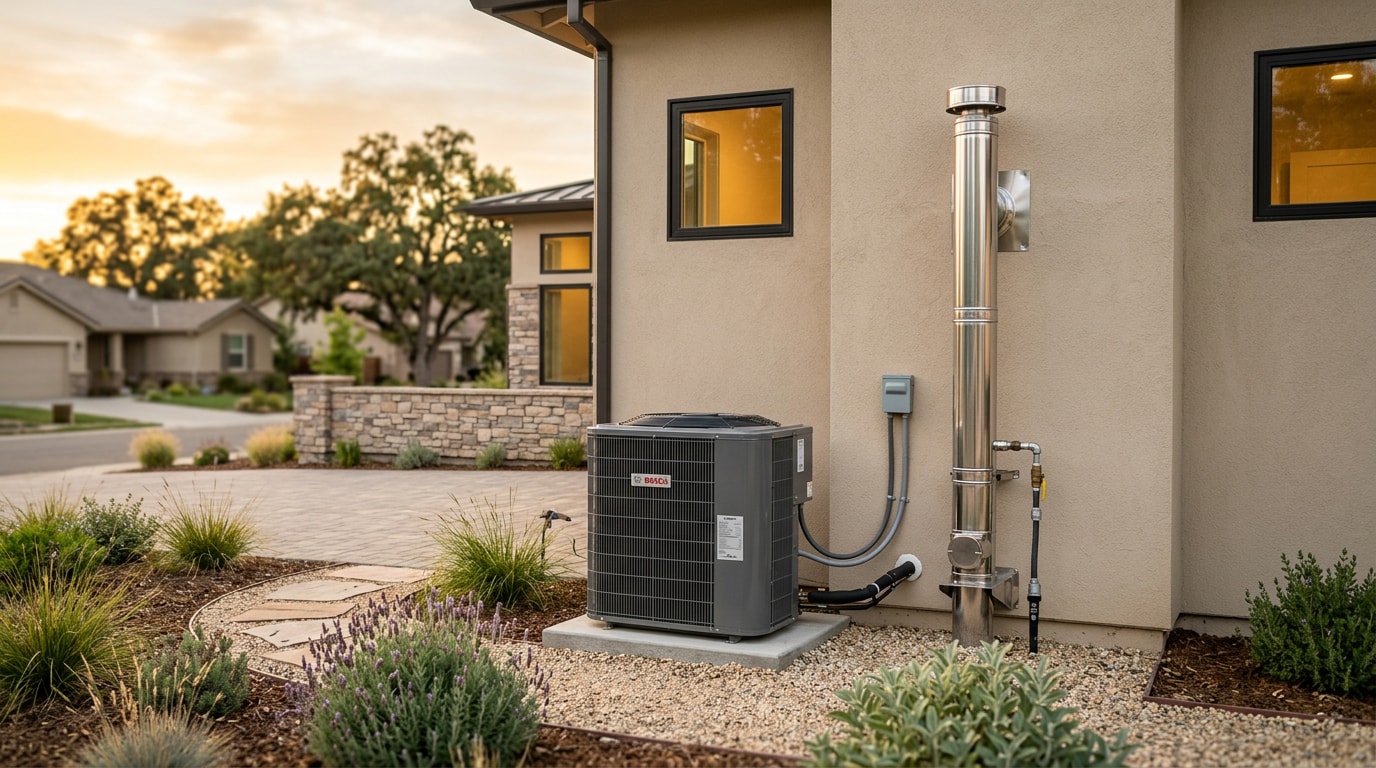
Furnaces remain common in older Sacramento-area homes because they're a known quantity: reliable, relatively affordable to install, and compatible with existing ductwork. Efficiency is measured by AFUE (Annual Fuel Utilization Efficiency), and current federal rules require non-weatherized gas furnaces and those used in mobile homes to achieve an annual fuel utilization efficiency of 95 percent, with that standard taking effect in late 2028 . DOE expects the new standard to cut household utility costs by $1.5 billion annually once it's fully phased in , which is a useful data point when you're deciding whether to replace an aging furnace now or wait.
Homes with intact, well-sealed ductwork are usually the best candidates for a straightforward furnace swap. If your ducts are leaky or undersized, pair any furnace quote with a ventilation system inspection first. Browse furnace replacement services to see what fits your home.
Ductless Mini-Split Systems
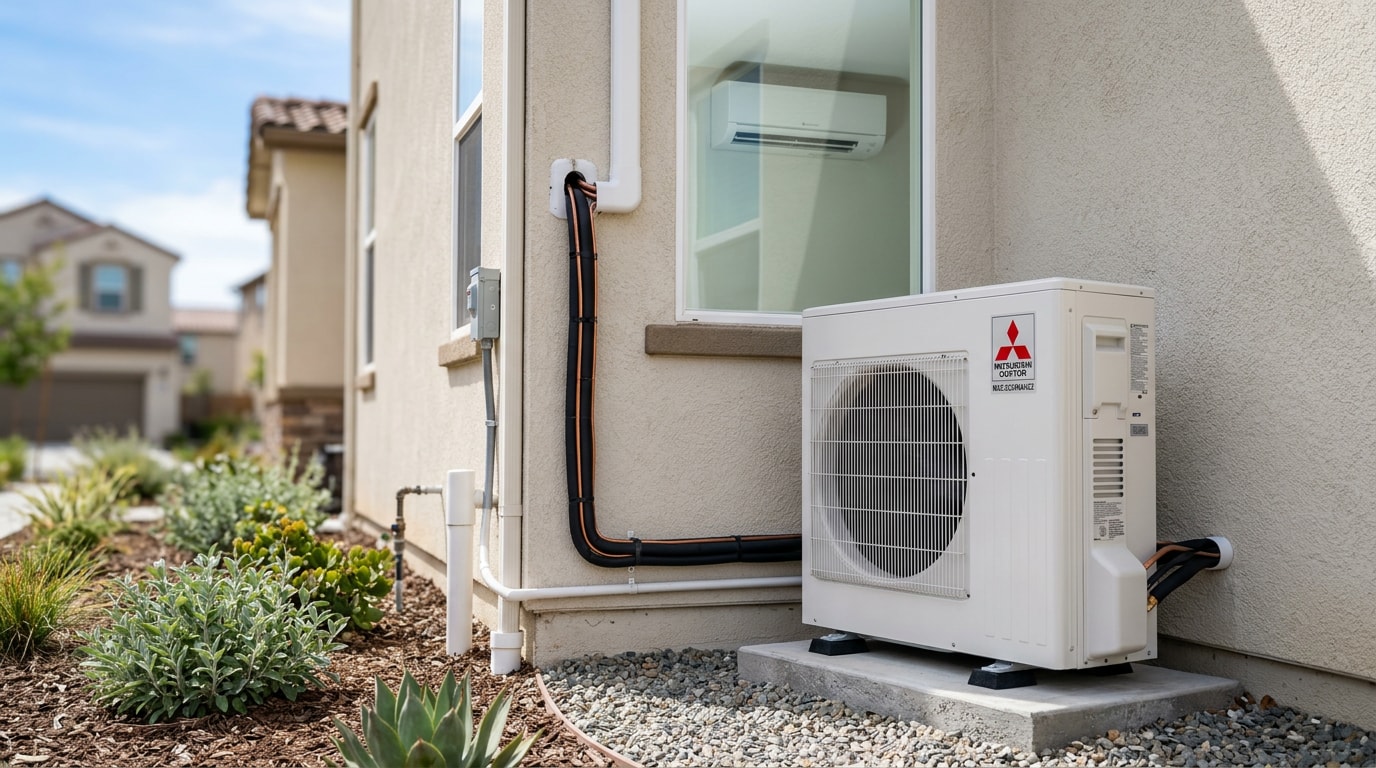
Ductless mini-splits use individual air handlers mounted in specific rooms or zones, with no central ductwork required. That design makes them a practical fit for room additions, converted garages, or older homes that were never built with ducts.
Because each indoor unit is controlled separately, mini-splits allow genuine room-by-room temperature control, which matters for households where everyone has different comfort preferences. They also sidestep the energy losses that leaky ductwork causes in older Rancho Cordova homes. In our service calls around the Anatolia and Mills Station areas, mini-splits are consistently the fastest fix for bonus rooms and converted garages that the original ductwork never reached.
Boilers and Hydronic Heat
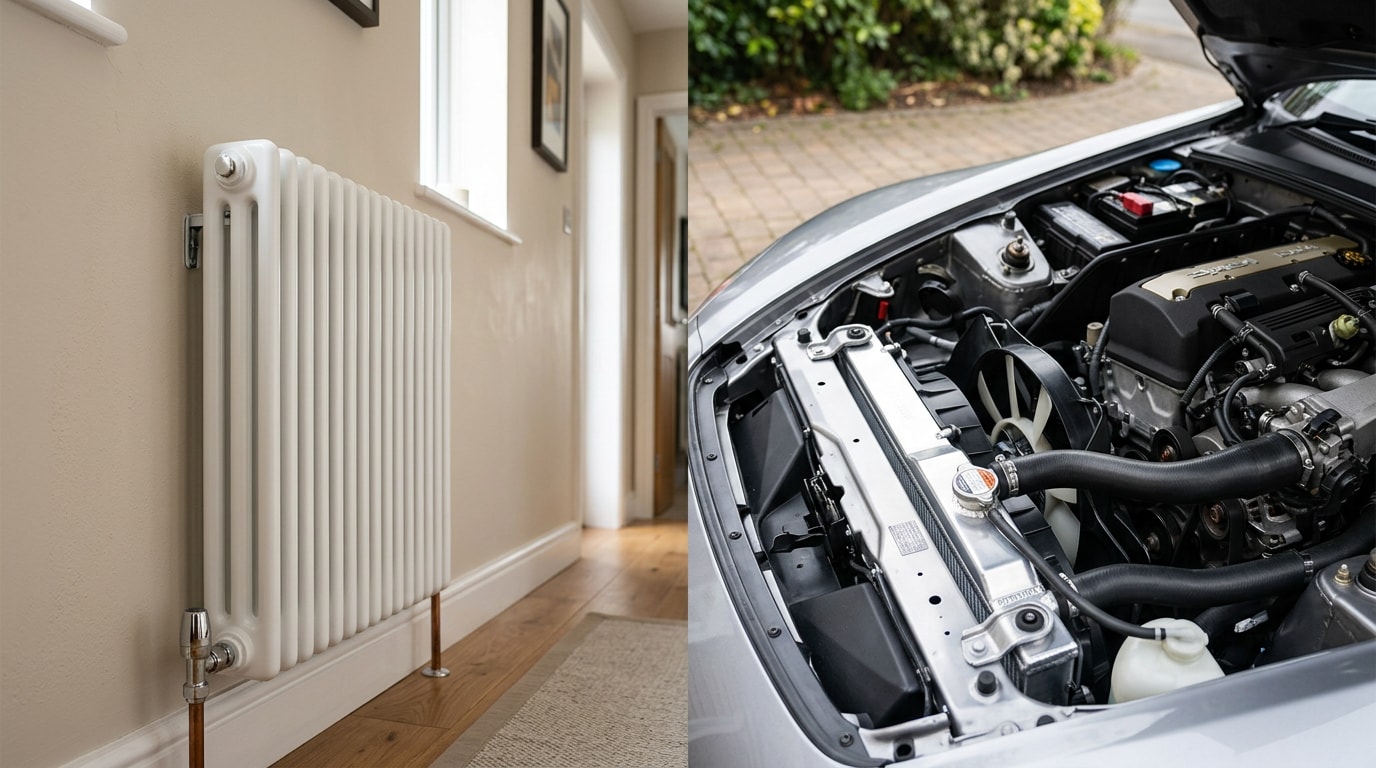
Boilers are far less common in new Rancho Cordova construction, but a number of the area's older homes still run on them. Boilers use natural gas, oil, electricity, or propane to heat water for steam or hot water that is distributed via pipes to upright radiators, baseboard convectors, or radiant floor tubing , rather than pushing warm air through ducts. Hydronic heat tends to feel steadier and doesn't dry out indoor air the way forced-air systems can, which is why some longtime homeowners keep their boiler running well past the point where a furnace of the same age would have been replaced. If you have a boiler and it's acting up, our guide on boiler heater repair in Citrus Heights covers the warning signs worth knowing before you call anyone.
Heating System Comparison
Side-by-side, the differences between these systems become clearer.
| System | Fuel Source | Heating + Cooling | Typical Lifespan | Best For |
|---|---|---|---|---|
| Heat Pump | Electricity | Yes, one unit |
10 to 15 years
| Mild climates, homes with ductwork | ||
|---|---|---|
| Gas Furnace | Natural gas, propane | Heating only |
Slightly longer than a heat pump, often 15 to 20 years
| Existing ductwork, fast recovery | ||||
|---|---|---|---|---|
| Ductless Mini-Split | Electricity | Yes, zoned | 12 to 15 years | No ductwork, additions, converted rooms |
| Boiler | Gas, oil, electricity | Heating only | 15 to 25+ years | Older homes with radiators or radiant floors |
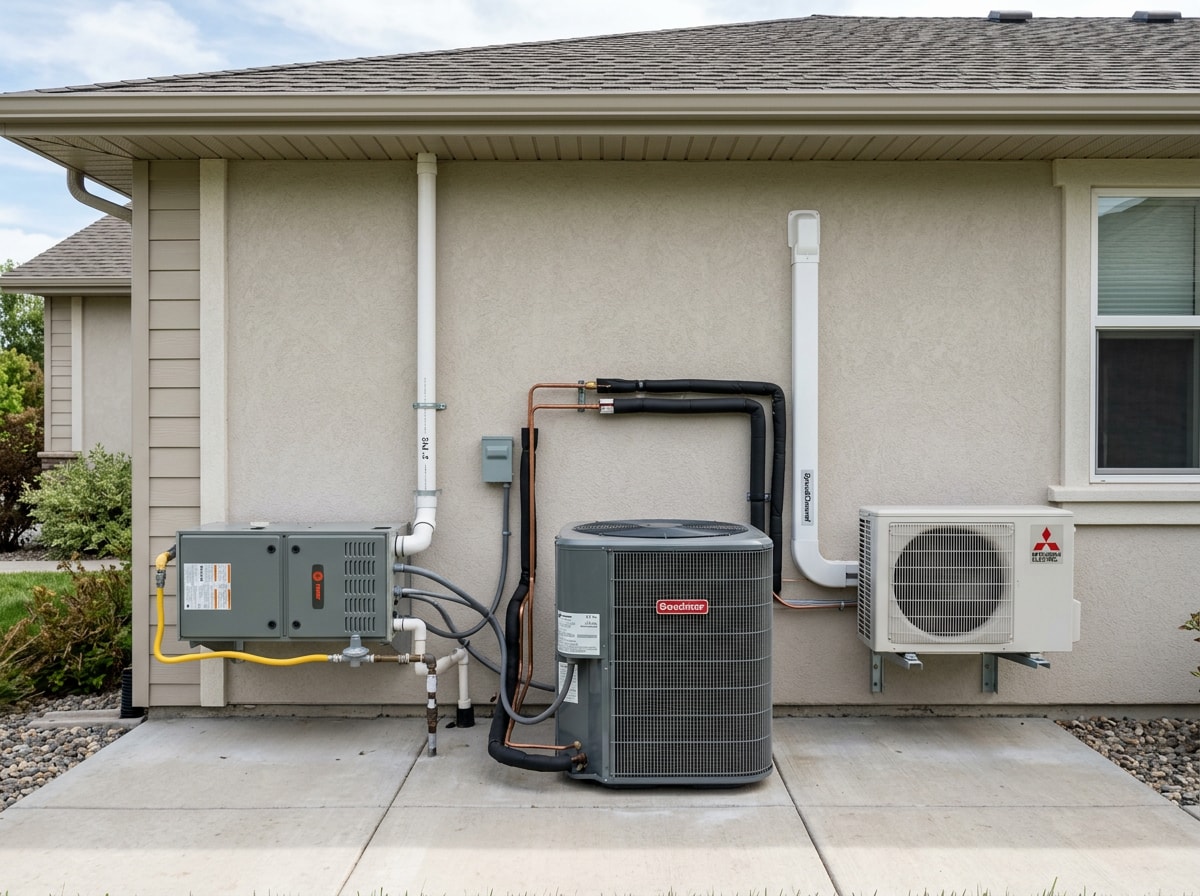
For a typical Rancho Cordova ranch-style home with existing ductwork, a heat pump often makes the most financial sense long-term, given the region's mild winters and hot summers. A home without ducts, like a converted bonus room, usually leans toward a mini-split instead. Lifespan, efficiency ratings, and best-fit home type all factor into that decision, which is why a proper load calculation matters more than guesswork.
Factors to Consider When Choosing a Heating System
Home size and layout determine how much heating capacity you actually need, while existing ductwork (or the lack of it) often decides whether a furnace, heat pump, or mini-split makes more sense. Insulation quality matters too. A poorly insulated home will strain any system, regardless of type.
Budget, both upfront and long-term, shapes the decision as well. Local building requirements also play a role: new and replacement equipment must comply with Title 24 standards set by the California Energy Commission.
California Title 24, Part 6 requires HVAC systems to be sized correctly using the ACCA Manual J calculation method, which accounts for building size, occupancy, insulation, and climate zone , not just a rule of thumb based on square footage. That's one reason a same-day online quote without a home visit should raise questions. You can review the full requirements on the California Energy Commission's Title 24 program page.
Energy Efficiency and Sustainability
Efficiency ratings differ by system type, which makes direct comparisons tricky without context. Furnaces are rated by AFUE, while heat pumps use SEER2 for cooling efficiency and HSPF2 for heating efficiency. Standard ENERGY STAR certified heat pumps must hit at least 7.8 HSPF2 and 15.2 SEER2 for split systems , a baseline worth comparing against any quote you receive.
Combustion-based heating, like gas furnaces and boilers, produces onsite emissions, while electric heat pumps and mini-splits shift that footprint to the power grid. As California's grid adds more renewable capacity, the environmental case for electric heating tends to strengthen, though actual impact varies by household energy source and usage patterns. If you're also weighing a cooling upgrade alongside your heating decision, our split air conditioning units buyer's guide walks through how SEER2 ratings apply on the cooling side too.
Cost Analysis of Different Heating Systems
The real cost question isn't just the installation price tag, it's what you'll spend over the system's full lifespan. A cheaper furnace might cost less to install but more to run every winter, while a pricier heat pump can even out or beat that cost over several years.
Is Investing More Initially Worth It?
Often, yes, but the payback period depends on usage and local energy rates. A heat pump installation cost that's higher than a furnace can offset itself within several years through lower monthly bills, particularly for homes running the system most of the year for both heating and cooling. Homeowners planning to stay long-term tend to benefit most from this tradeoff. A licensed technician can help compare dual-fuel setups against a fully electric system based on your actual usage, not a generic estimate.
Common Issues with Heating Systems
Uneven heating from room to room, unexplained spikes in energy bills, strange rattling or screeching noises, and short-cycling (turning on and off too frequently) are warning signs across all system types. These symptoms don't always point to the same problem, but they rarely resolve on their own.
Furnace issues often trace back to ignition components or airflow restrictions, while heat pump troubles frequently involve refrigerant levels or outdoor unit blockages. If your furnace quits on a cold morning, emergency furnace service is faster than waiting out a standard appointment window, and for non-urgent repairs, heating system repair covers both furnaces and heat pumps.
Maintenance Tips for Your Heating System
Maintenance needs vary by system:
- Furnaces need regular filter changes and burner inspections.
- Heat pumps need coil cleaning and refrigerant checks.
- Mini-splits need filter cleaning at each indoor unit.
- Boilers need pressure checks and periodic bleeding of radiators or baseboard lines.
Why Is Maintenance Important?
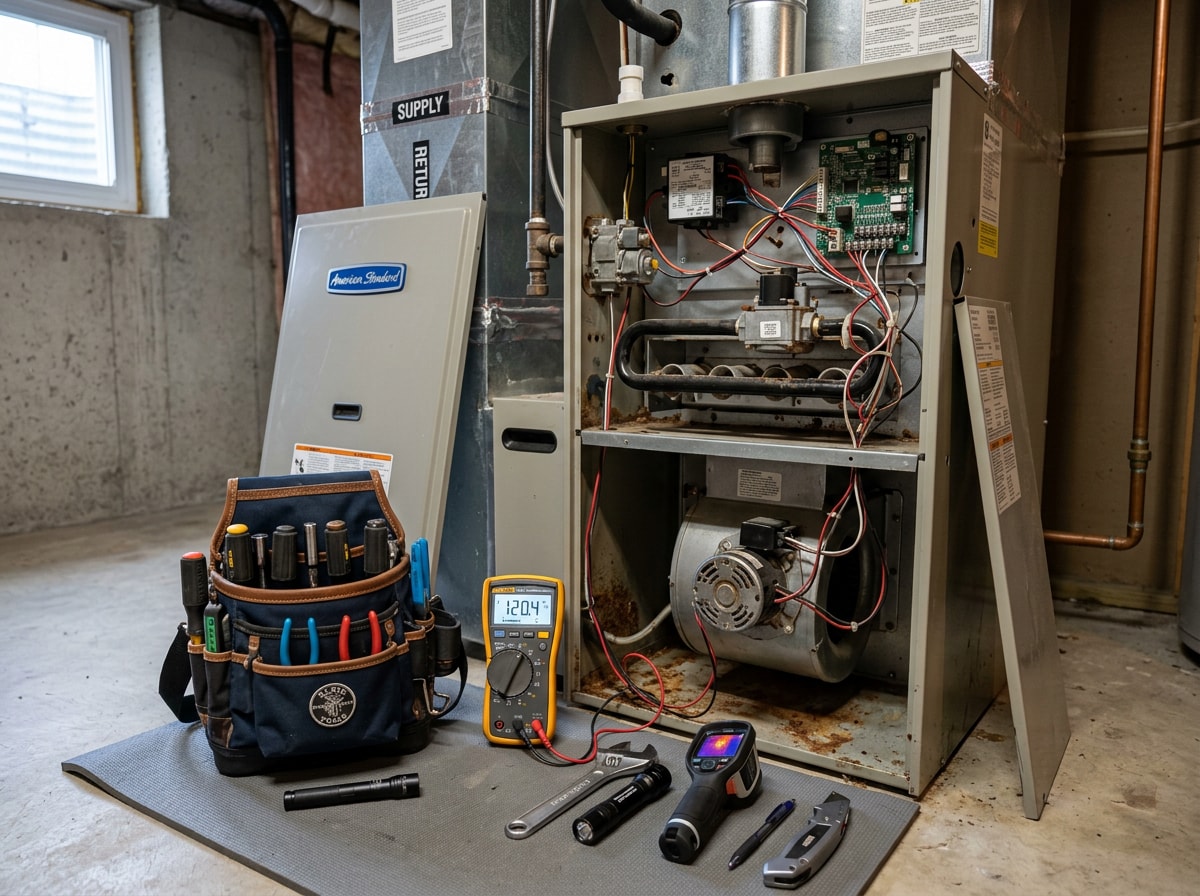
Skipping annual tune-ups shortens equipment lifespan and quietly drives up energy bills as components work harder than they should. A clogged filter alone can force a system to run longer cycles, straining parts that would otherwise last for years. A seasonal furnace inspection or HVAC maintenance visit usually catches these issues before they turn into an emergency call.
The Importance of Professional HVAC Services
Routine filter swaps are fine for homeowners to handle, but installation and major repairs are a different matter entirely.
Why Hire HVAC Professionals?
Licensed HVAC professionals perform proper load calculations so equipment is sized correctly, since oversized or undersized systems waste energy and wear out faster. Gas furnace work also carries real safety risks, including carbon monoxide exposure, if installed incorrectly.
Finding Reliable HVAC Companies Near You
Look for active C-20 state licensing, EPA refrigerant certification, and genuine experience working in Sacramento County's housing stock and climate. Our technicians hold both, and we've been servicing furnaces, heat pumps, and mini-splits throughout Rancho Cordova's mix of 1980s tract homes and newer Anatolia-area construction since 2021. You can see examples of recent installations on our projects page, or check our Rancho Cordova service area page to confirm local coverage before scheduling an estimate.
FAQ
What are the different types of home heating systems?
The main residential heating options are furnaces, heat pumps, ductless mini-splits, and boilers. Furnaces use forced air through ductwork, heat pumps transfer heat electrically for both heating and cooling, mini-splits provide zoned comfort without ducts, and boilers distribute heat through water or steam.
What is the most common type of home heating system?
Gas furnaces remain the most widely installed heating system in the United States overall, though heat pumps are becoming the more common choice in mild climates like Rancho Cordova's because they also provide summer cooling.
Is a heat pump cheaper than a furnace?
Not upfront. Heat pumps typically cost more to install. Over time, though, heat pumps typically offer better efficiency since they transfer heat rather than create it, resulting in lower energy consumption compared to furnaces, especially in regions with milder winters .
How long does a typical heating system last?
Furnaces generally last 15 to 20 years, heat pumps around 10 to 15 years, and ductless mini-splits roughly 12 to 15 years with proper maintenance. Boilers, especially cast-iron models, often run considerably longer. Actual lifespan depends heavily on usage and upkeep.
What heating system is best for a home in Rancho Cordova, CA?
For most Rancho Cordova homes, a heat pump is a strong fit given the mild Sacramento Valley winters and the need for summer cooling. Homes without existing ductwork often do better with a ductless mini-split instead.
Do I need a permit to replace a furnace in Rancho Cordova?
Yes. Furnace and heat pump replacements in Sacramento County typically require a permit along with Title 24 compliance documentation. A licensed contractor handles this paperwork and schedules the required inspection as part of the installation.
Can I switch from a furnace to a heat pump and keep my existing ductwork?
In many cases, yes, as long as the ducts are properly sized and sealed for the new equipment. A contractor will usually recommend a duct inspection first, since leaky or undersized ductwork can erase much of the efficiency gain a new heat pump is supposed to deliver.
Conclusion
Matching a heating system to your home's ductwork, budget, and Rancho Cordova's climate is the real decision path, not just picking the most popular option. Furnaces, heat pumps, mini-splits, and the occasional boiler each solve different problems. A quick consultation with our team at Hot & Cold HVAC can confirm which one fits your household. Get a free estimate and get started before the next cold snap hits the valley.