Boiler heater repair in Citrus Heights, CA gets urgent fast once a hydronic system stops producing hot water on a cold morning. Hot Cold HVAC diagnoses the failure the same day it's called in, whether the culprit is a worn circulator pump, a tripped pressure switch, or a cracked heat exchanger. Here's what actually breaks, what it costs to fix, and when a repair call beats a replacement quote.
Signs Your Boiler or Heater Needs Repair Now
Older Citrus Heights neighborhoods still run a mix of hydronic boilers and forced-air furnaces, and the two systems fail in different ways. Knowing which symptom belongs to which system helps a technician arrive with the right parts the first time.
Boiler-specific symptoms:
- No hot water alongside no heat
- Visible leaking or dripping near the unit
- A frozen or clogged condensate line
- Pilot light issues that keep shutting the system down
- Banging, whistling, or gurgling from the pipes (often trapped air or mineral buildup)
Furnace-specific symptoms:
- Short cycling or frequent on-off switching
- Weak or cold airflow from the vents
- A cracked heat exchanger or failing blower motor
Symptoms common to both systems:
- Thermostat malfunction or erratic cycling
- Unusual burning or musty odors
- Rising energy bills with no change in usage
- Inconsistent room temperatures
If you're not sure which system you have, a licensed heating system repair technician can identify it in minutes during an inspection.
How a Proper Boiler or Furnace Repair Works
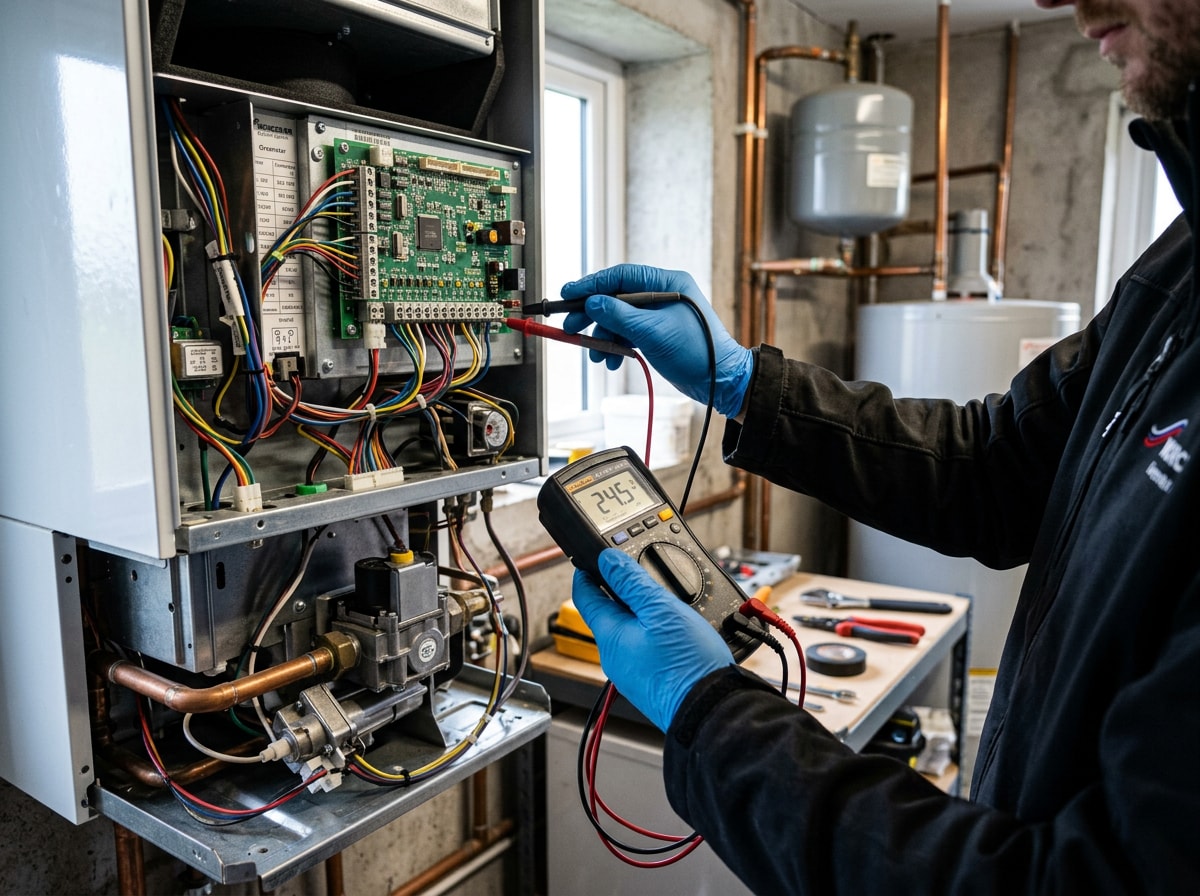
A real repair starts with a full diagnostic to pinpoint the root cause, not just the symptom. From there, technicians handle burner and ignition work, including pilot light adjustment and cleaning, plus airflow and ductwork checks on furnace systems.
Once the fix is made, the final step is calibration: checking thermostat response, water pressure, and temperature output to confirm the unit is running the way it should.
We see this play out constantly in Citrus Heights' older ranch-style homes. Moderately hard water across the Sacramento Valley accelerates scale buildup inside circulator pumps and heat exchangers, which is why those two parts fail more often here than almost anywhere else in a hydronic system.
We Service All Major Heater Types
Furnaces, heat pumps, and boilers each have distinct components, and a technician unfamiliar with one type can easily misdiagnose it.
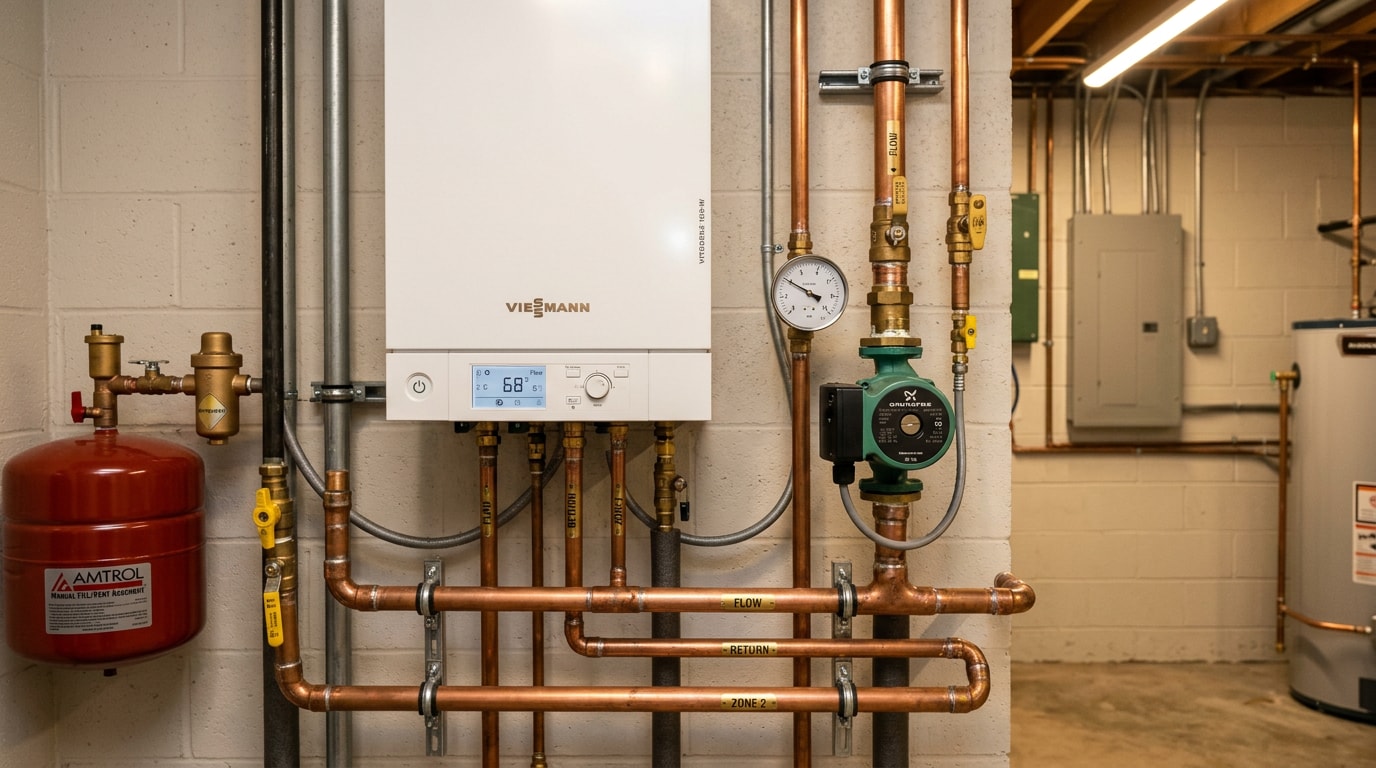
Heat pump repair often involves refrigerant levels, reversing valves, compressors, and defrost-cycle issues. Boiler repair instead focuses on the circulator pump, pressure relief valve, and heat exchanger that move and regulate water through the system.
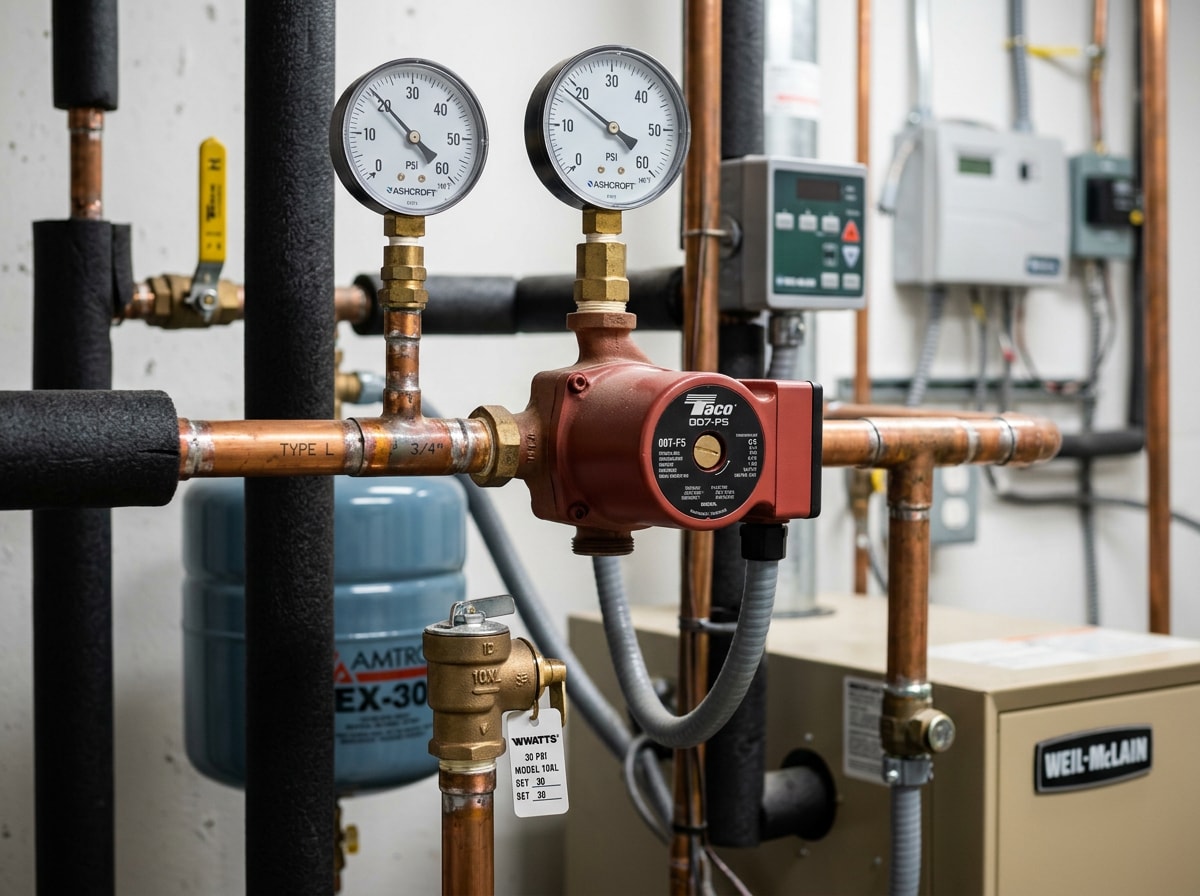
Hydronic systems and forced-air furnaces also carry different efficiency ratings. ENERGY STAR certified gas boilers carry AFUE ratings of 90% or higher, which is a useful benchmark when comparing a repair quote against a replacement quote.
For furnace-specific issues, our furnace repair team handles everything from igniter failures to blower motor replacement, and a seasonal furnace inspection can catch most of these problems before they turn into a no-heat emergency.
Boiler and Heater Repair Costs in 2026
Repair cost depends on the part that failed, the system's age, and whether the call is scheduled or after-hours. The table below reflects typical U.S. residential pricing by repair type.
| Repair Type | Typical Cost Range |
|---|---|
| Thermostat or control board fix | $150 – $350 |
| Pilot light or ignition repair | $150 – $400 |
| Circulator pump replacement | $300 – $700 |
| Pressure relief valve replacement | $200 – $500 |
| Heat exchanger repair or replacement | $700 – $2,500+ |
| Emergency / after-hours service call | add $100 – $250 |
Boiler repair tends to run higher than furnace repair for comparable issues, since boiler components are more specialized and often more labor-intensive to access. Rather than quoting fixed numbers that go stale, ask for a written estimate before any work begins.
If a repair quote starts creeping toward replacement cost, it's worth checking incentives first. SMUD customers who switch to a qualifying high-efficiency heat pump system can currently access rebates, which can meaningfully offset the gap between a major repair and a full heating system installation.
Same-Day and Emergency Service in Citrus Heights
A local technician based near Citrus Heights usually responds faster than a company dispatching from across the region, which matters when you're dealing with no heat overnight. Same-day availability depends on parts access, so working with a crew that already stocks common boiler and furnace parts speeds everything up.
For a heater that quits in the middle of the night or during a cold snap, our emergency furnace service line gets a technician moving fast. Check service availability in Citrus Heights before booking, or get a free estimate and we'll confirm the first available slot.
What to Expect From a Service Visit
Booking an appointment usually starts with describing the symptoms, so the technician arrives prepared with likely parts. During the visit, expect a diagnostic test covering the thermostat, burner or heat exchanger, airflow, and system pressure.
Once the issue is identified, the technician walks you through the findings and provides a quote before any repair work begins. No surprises on the invoice.
Staying ahead of these calls is easier than fixing them after the fact. A seasonal HVAC maintenance visit catches worn parts like circulator pumps and ignitors before they fail outright, and it's the single best way to avoid a no-heat emergency altogether. If your system handles both heating and cooling, the same logic applies in summer. Homeowners dealing with an AC that blows cold air but won't actually cool the house are usually looking at a similarly specific, fixable component failure rather than a full system replacement.
Quick Troubleshooting Before You Call
A few safe checks can sometimes solve the problem without a service call:
- Confirm the thermostat is set to heat and has working batteries
- Check that the air filter isn't clogged
- Verify the breaker hasn't tripped or the pilot light hasn't simply gone out
Some issues are never safe for DIY troubleshooting. If you smell gas, notice scorch marks near the unit, or suspect a carbon monoxide leak, turn off the system, leave the area, and call a professional immediately. Carbon monoxide is colorless and odorless, and symptoms like headache, dizziness, and confusion are often mistaken for the flu, so treat any suspicion seriously.
Ready to get your system checked? Request a free estimate from Hot Cold HVAC, or visit our homepage to see the full range of heating and cooling services we handle across the Sacramento area.
FAQ
How much does boiler repair cost in Citrus Heights, CA?
Most repairs fall between $150 and $700, depending on the part involved. Minor fixes like a thermostat or pilot light repair sit at the low end; a circulator pump or heat exchanger repair runs higher. See the cost table above for a full breakdown.
Is it worth repairing an old boiler or should I replace it?
If your boiler is past the 10 to 15 year mark, needs frequent repairs, or a single repair costs more than roughly 30 to 50 percent of a new unit's price, replacement is usually the smarter long-term move.
What are the most common boiler problems?
No heat or hot water, visible leaks, pilot light issues, a frozen condensate line, and low system pressure. The signs section above explains how these differ from furnace symptoms.
How long does a heater or boiler repair take?
Minor fixes like pilot light adjustments or thermostat repairs often wrap up same-day. Repairs needing backordered parts, like a specific circulator pump model, can take longer.
Is a banging or whistling boiler dangerous?
Not usually an immediate hazard, but it's not something to ignore either. Banging often means trapped air or mineral buildup, while whistling can signal a restricted water flow. Both point to a repair that gets worse the longer it's left alone.
How do I know if I have a boiler or a furnace?
A boiler heats water and sends it through pipes to radiators or in-floor tubing, so you'll typically see no ductwork and warm pipes or a water tank near the unit. A furnace heats air directly and pushes it through ducts and vents. If you're still unsure, a quick inspection settles it.