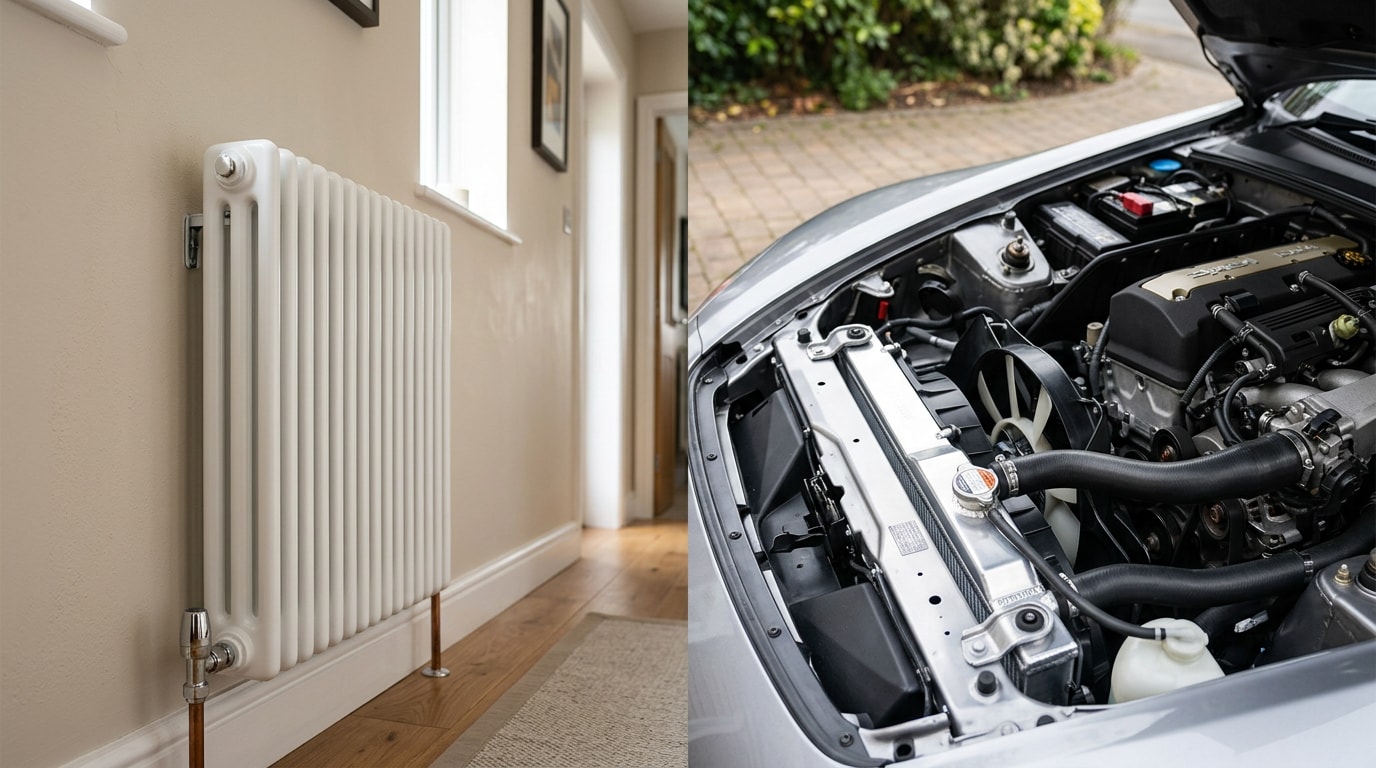
Searching for heating radiators in Rancho Cordova, CA almost always means one of two very different problems: an overheating car engine or a cold, unevenly heated house. Both searches spike across Rancho Cordova and the wider Sacramento area, and both can turn into an expensive mistake if you act on the wrong information. Here's what local drivers and homeowners actually need to know before calling a shop or a contractor.
Which Radiator Are You Searching For?
Car radiators and home heating radiators share a name and a basic job, moving heat out of a hot system, but they're built differently, fail differently, and get fixed by completely different professionals.
- Car radiator: Sits at the front of your engine bay, cools circulating coolant, fails from leaks, clogs, or a bad thermostat.
- Home heating radiator: Part of a hydronic (hot water or steam) heating system, common in older houses, fails from trapped air, corrosion, or an aging boiler.
If you're not sure which one applies to you, the symptoms below will make it obvious fast.
Car Radiator Problems in Rancho Cordova: What Drivers Ask Most
Engine overheating is the single most common radiator complaint we see referenced in local searches, and it's also the most dangerous one to ignore.
Most overheating cases trace back to one of four causes:
- Low or leaking coolant, often from a worn hose, radiator seam, or water pump seal
- A stuck thermostat that blocks coolant flow even when the engine is hot
- A failing water pump that can't circulate coolant fast enough
- A clogged radiator, blocked by rust, scale, or old coolant sludge
If your temperature gauge climbs into the red or you see steam from under the hood, pull over and shut the engine off. Continuing to drive on an overheated engine risks a warped cylinder head or a blown head gasket, turning a routine repair into a full engine rebuild.
Local repair costs vary by vehicle, but regional shop data for the Rancho Cordova area puts a typical car radiator replacement at $1,060 to $1,242, consistent with pricing reported across Sacramento-area RepairPal Certified shops. Cooling system failure is also one of the more common reasons vehicles break down unexpectedly, which is why the Car Care Council recommends routine coolant and radiator inspections rather than waiting for a warning light.
If what's overheating is your house, not your car, the next section is for you.
Home Heating Radiators vs. Central Heat in Rancho Cordova Homes
Radiator heat, also called hydronic heating, warms rooms by circulating hot water or steam through individual units rather than blowing heated air through ducts. It tends to heat more evenly and quietly than a forced-air furnace, though it generally takes longer to raise a room's temperature.
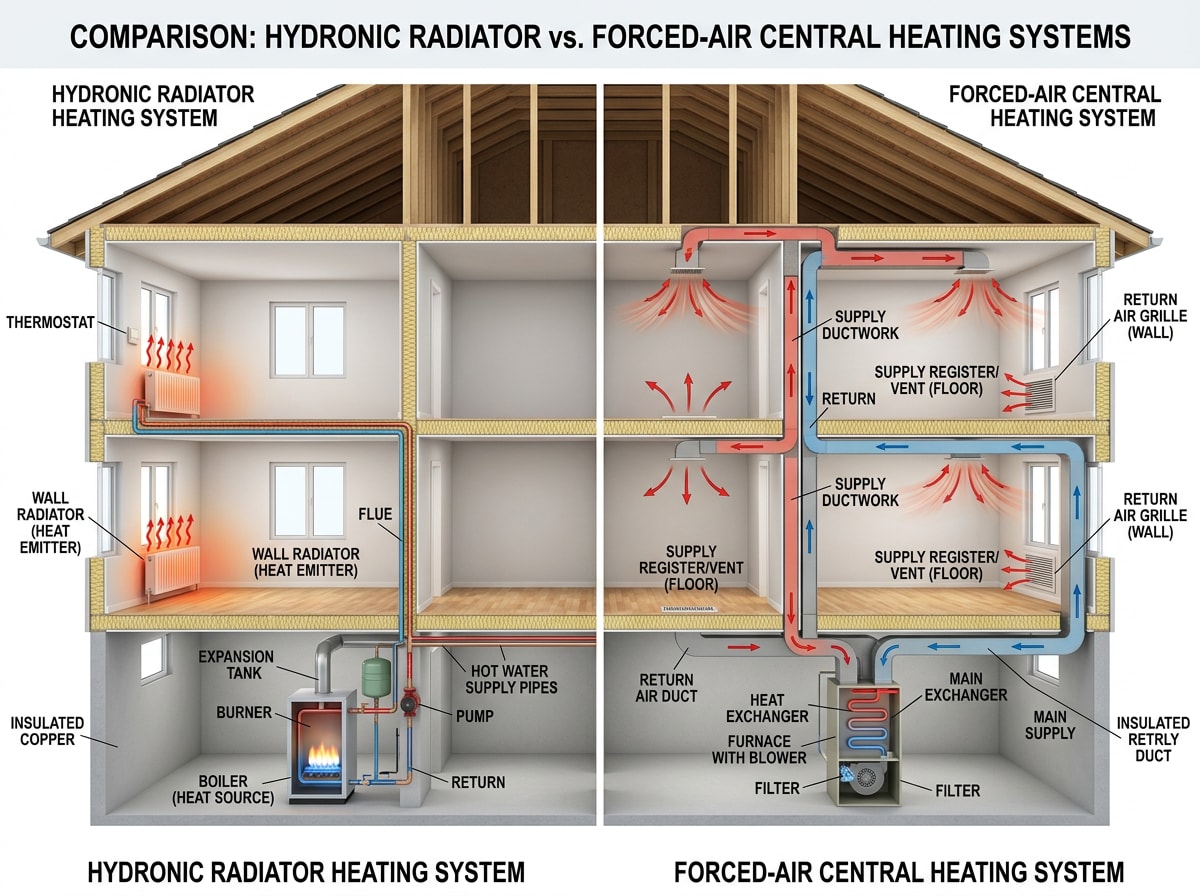
In our service calls across Rancho Cordova, we still come across older homes, mostly built before central air conditioning was standard, running original cast iron baseboard or steam radiator systems. Newer construction in the area almost always uses forced-air furnaces or heat pumps instead, since ductwork does double duty for summer cooling. According to the U.S. Department of Energy, radiant and hydronic systems are often more efficient than forced-air heating because they eliminate duct losses, and they tend to produce less dust circulation for allergy-prone households.
Neither system is objectively better. Hydronic radiators feel more comfortable room to room, while forced-air systems are cheaper to install and handle both heating and cooling. If you're not sure which one your Rancho Cordova home has, a heating system repair technician can identify it in minutes during a routine visit.
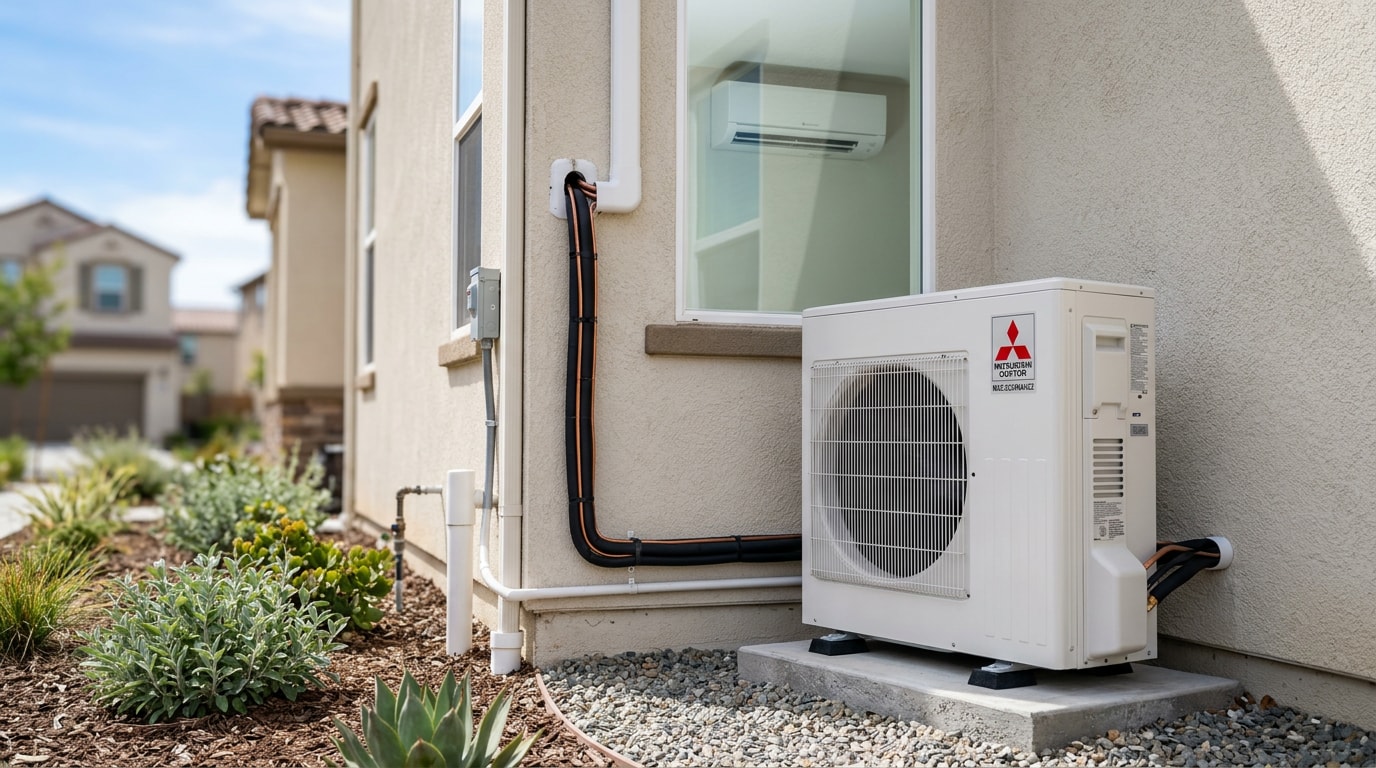
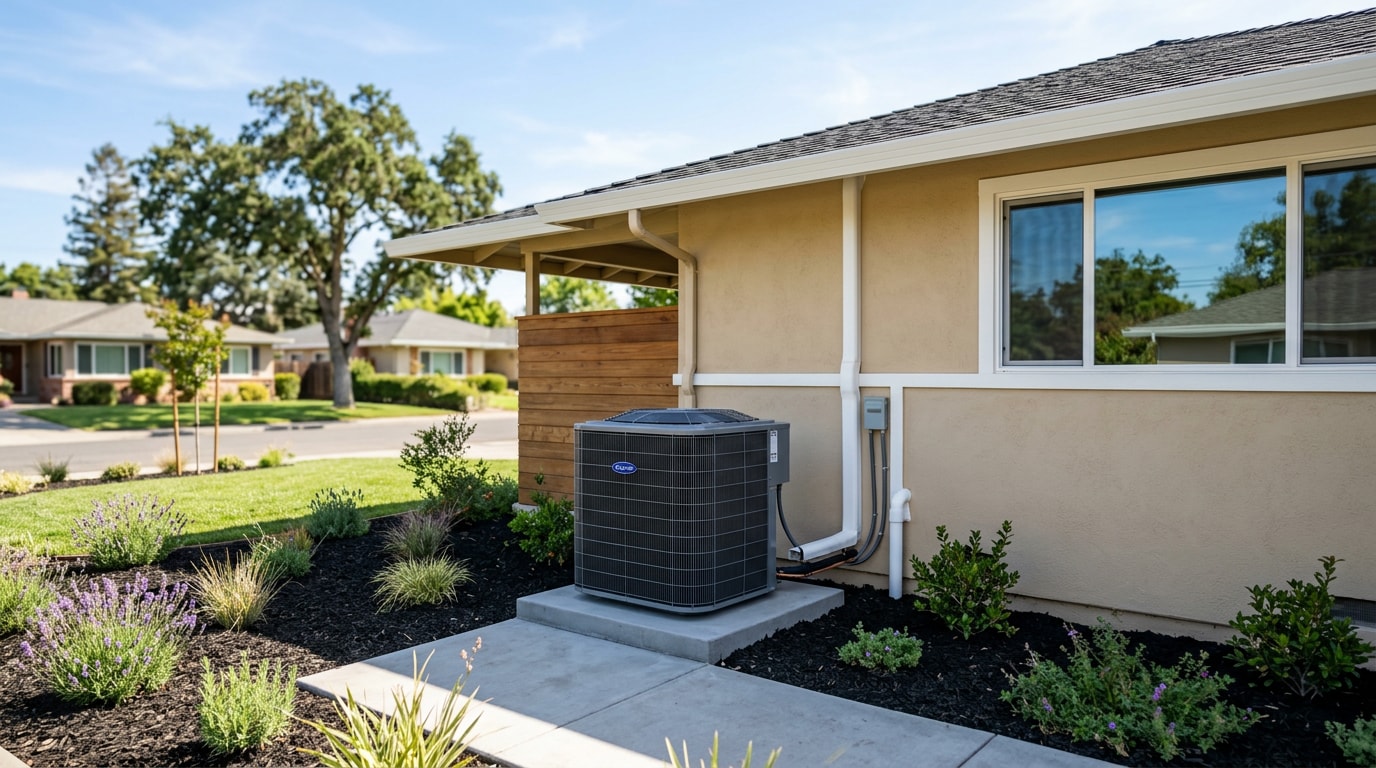
One quick clarification worth settling here: a heating radiator and an air conditioner's condenser are not the same part. A radiator releases heat from hot water or engine coolant into the air. An AC condenser releases heat absorbed from inside a building or vehicle cabin by compressed refrigerant. They look similar because both use thin metal fins, which is likely why the two get confused so often.
Replacing an Old Radiator or Furnace? 2026 Costs in Rancho Cordova
If your home's hydronic radiators or furnace are aging out, 2026 is a different cost landscape than it was even a year ago. The federal 25C tax credit that covered up to $2,000 toward a qualifying heat pump ended for equipment placed in service after December 31, 2025, according to the IRS. If you're installing in 2026, that federal credit is no longer available, no matter what older blog posts or product pages still say.
That makes local utility rebates more important than ever. SMUD, the public utility serving Rancho Cordova and most of the Sacramento area, raised its heat pump HVAC rebate in 2026 specifically because federal incentives expired, according to SMUD's own announcement.
| Item | Typical Cost or Value | Notes |
|---|---|---|
| Car radiator replacement (local) | $1,060 to $1,242 | Regional shop data for Rancho Cordova area |
| Heat pump HVAC installation | $4,500 to $12,000 | National range; depends on ductwork and equipment size |
| SMUD heat pump rebate (2026) | Up to $3,000 | For qualifying gas-to-electric conversions, SMUD customers |
| Federal 25C tax credit | Ended for 2026 installs | Only applies to equipment placed in service by Dec. 31, 2025 |
Homes currently running old hydronic radiators or an aging furnace are often good candidates for a heat pump comparison, since one system handles both heating and cooling. Our team can walk you through real numbers for your specific house, including current SMUD rebate eligibility, through a Heating System Installation consultation. For a deeper breakdown of system types available locally, see our guide on different types of home heating systems for Rancho Cordova homes.
When to Call a Local Pro vs. Handle It Yourself
Not every radiator issue needs a service call, but a few signs mean it's time to stop troubleshooting and pick up the phone:
- Visible corrosion, rust streaks, or white mineral crust around radiator seams or fittings
- Coolant puddles under a parked car, or water stains near a home radiator or baseboard unit
- Uneven heating, cold rooms, or an engine running hotter than normal even with fresh coolant
- A boiler or furnace that's short-cycling, making new noises, or won't hold pressure
For home systems, a HVAC Maintenance visit can catch most of these before they become a full radiator or boiler replacement. If it's your furnace acting up alongside radiator issues, our Furnace Maintenance team can inspect both systems in one visit.
Ready to get a real answer for your Rancho Cordova home? Get a Free Estimate and we'll tell you straight whether you're looking at a repair or a replacement.
FAQ
What is causing my engine to overheat?
Most engine overheating comes down to low or leaking coolant, a stuck thermostat, a failing water pump, or a clogged radiator. If your temperature gauge spikes or you see steam, pull over and shut off the engine immediately rather than risking a warped cylinder head.
How long do car radiators typically last?
Most mechanics put typical radiator life at 8 to 12 years, though driving conditions, coolant maintenance, and construction material all affect it. Watch for corrosion, coolant puddles, or uneven cooling as signs replacement is getting close.
How much does it cost to replace a car radiator in Rancho Cordova?
Regional shop pricing for the Rancho Cordova area runs about $1,060 to $1,242 for a typical radiator replacement, though cost varies by vehicle make and model.
Can I keep driving with a leaking or overheating radiator?
No. Driving on a leaking or overheating radiator risks warping the cylinder head or blowing a head gasket within minutes. Pull over, shut the engine off, and have it towed or inspected before driving further.
What's the difference between radiator heat and central heat?
Radiator heat (hydronic heating) circulates hot water or steam through individual units and tends to heat rooms evenly and quietly. Central heat typically means forced-air furnaces or heat pumps that push heated air through ducts, which heats faster but can feel drier.
How long do home heating radiators last?
Well-maintained hydronic radiator systems often remain in service for decades, well beyond the typical lifespan of a car radiator, since they aren't exposed to road vibration or extreme temperature swings.
Is a radiator used in air conditioning?
No. A radiator releases heat from hot water or coolant into the air, while an AC condenser releases heat absorbed from refrigerant. They look similar because both use thin metal fins, but they serve opposite purposes.
What does a heat pump cost to install in Rancho Cordova in 2026?
Nationally, heat pump installations typically run $4,500 to $12,000 depending on home size and ductwork. The federal tax credit ended for 2026 installs, but SMUD customers in the Rancho Cordova area can currently get up to $3,000 back through SMUD's heat pump rebate program.
---
About the Author: This guide was reviewed by the licensed HVAC technicians at Hot Cold HVAC, who have serviced furnaces, boilers, and heating systems throughout Rancho Cordova and the greater Sacramento region for over a decade. Have a specific heating question about your home? Contact us or visit our homepage to see our full range of HVAC services.