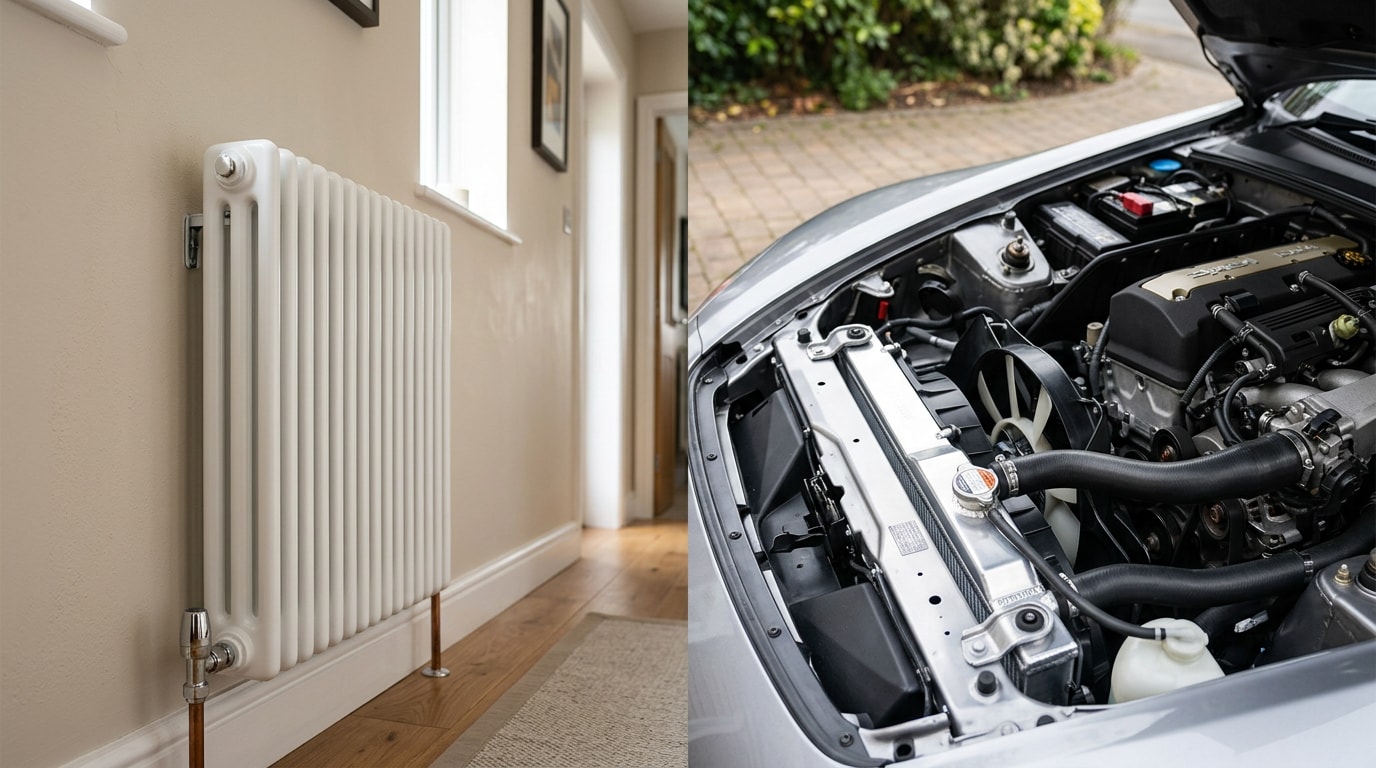
Finding the right ac for room Sacramento, CA properties need isn't as simple as grabbing the cheapest window unit off the shelf. Triple-digit summers push undersized equipment past its limits fast, and the wrong choice wastes money every month it runs. This guide compares window units, mini-splits, and central air side by side, with real sizing numbers and cost ranges, so you buy once and cool the room right.
Window and Portable AC Units: Fast, Affordable Room Cooling
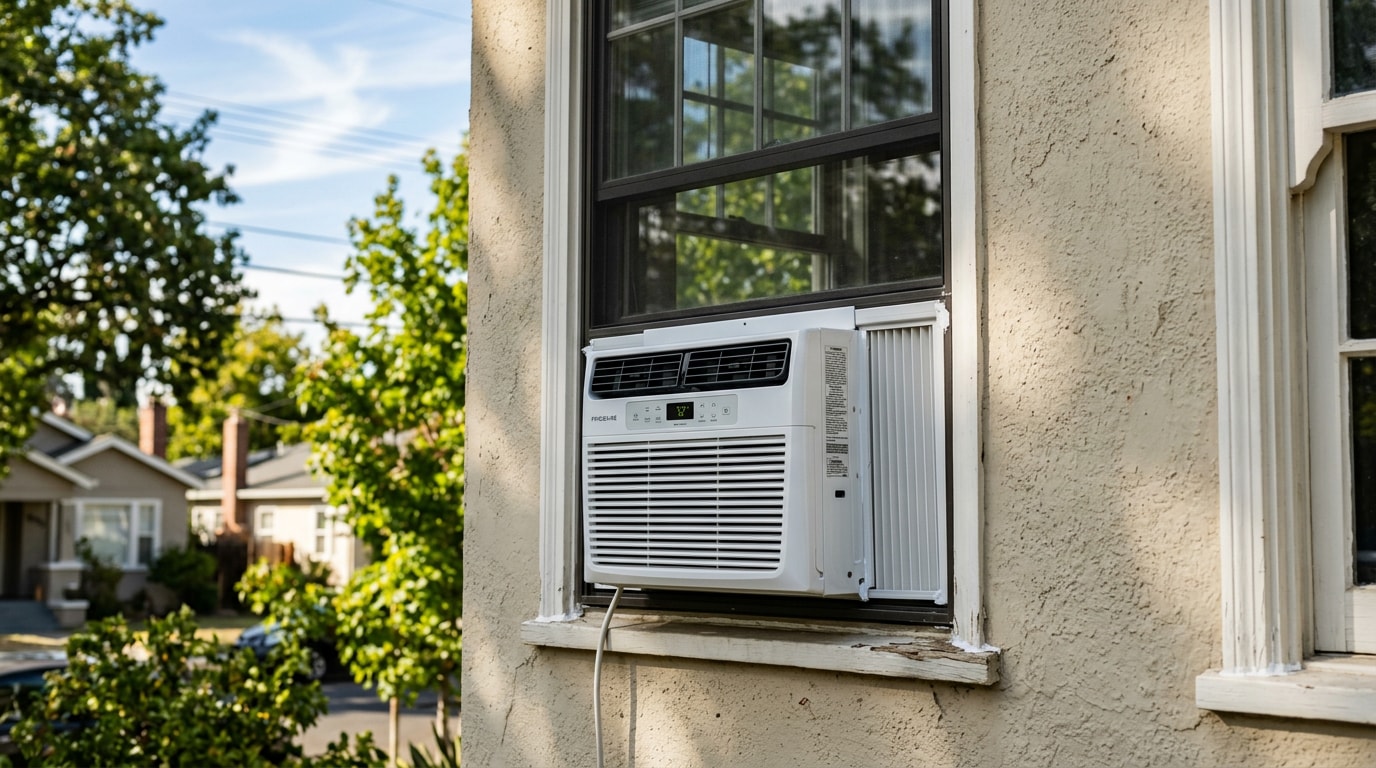
Our technicians get calls across Carmichael and Arden-Arcade every June from renters and homeowners who just want one bedroom or office cooled without touching ductwork, and a window or portable unit solves that problem in an afternoon.
Targeted Cooling, Lower Bills
A room AC unit only cools the space you're actually using during peak heat, instead of conditioning empty rooms the way a central system does. For renters or anyone testing out single-room cooling before committing to a bigger system, that targeted approach can meaningfully cut summer energy bills.
Same-Day Installation
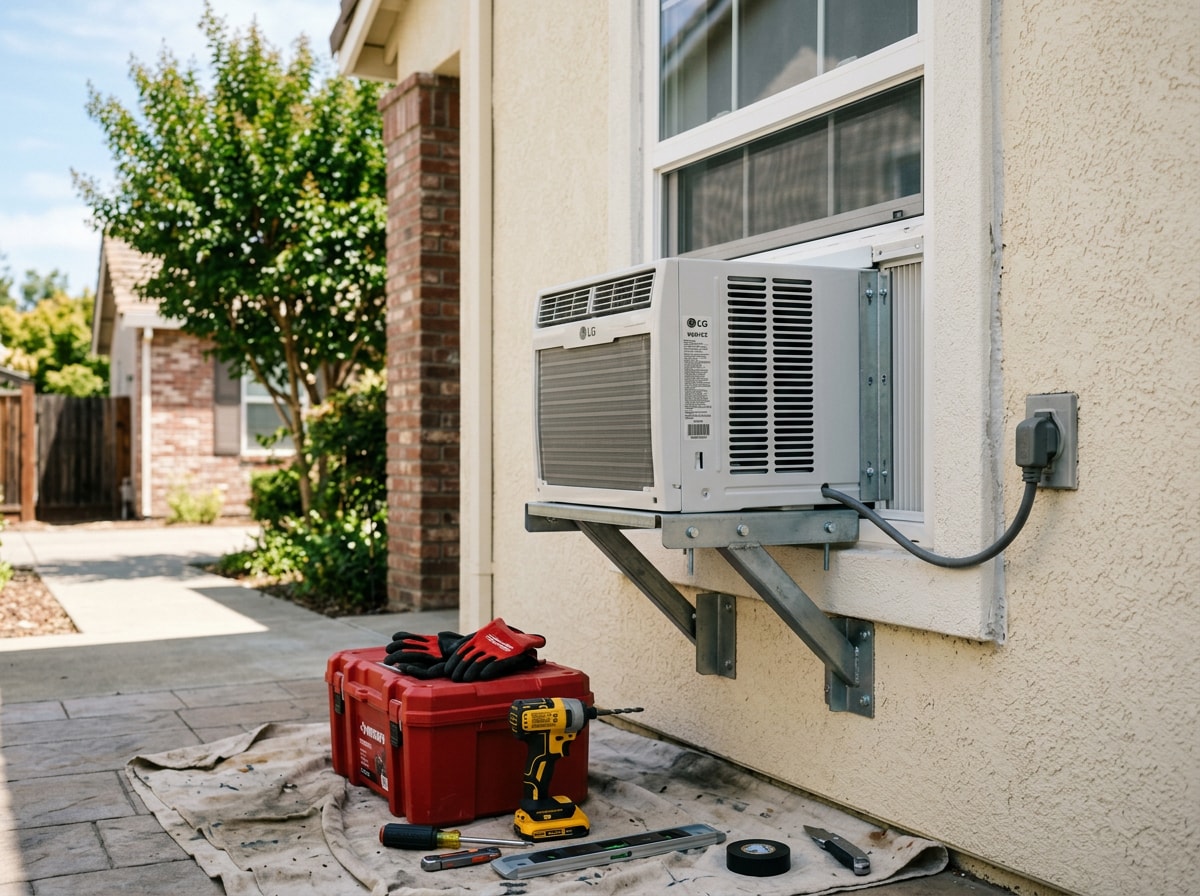
Most people install a window or portable unit themselves in a few hours, no contractor required. That makes it the practical choice when a heat wave hits mid-week and central air isn't an option, whether because of a lease, budget, or a home with no ducts at all.
Ductless Mini-Split: A Permanent Upgrade for One Room
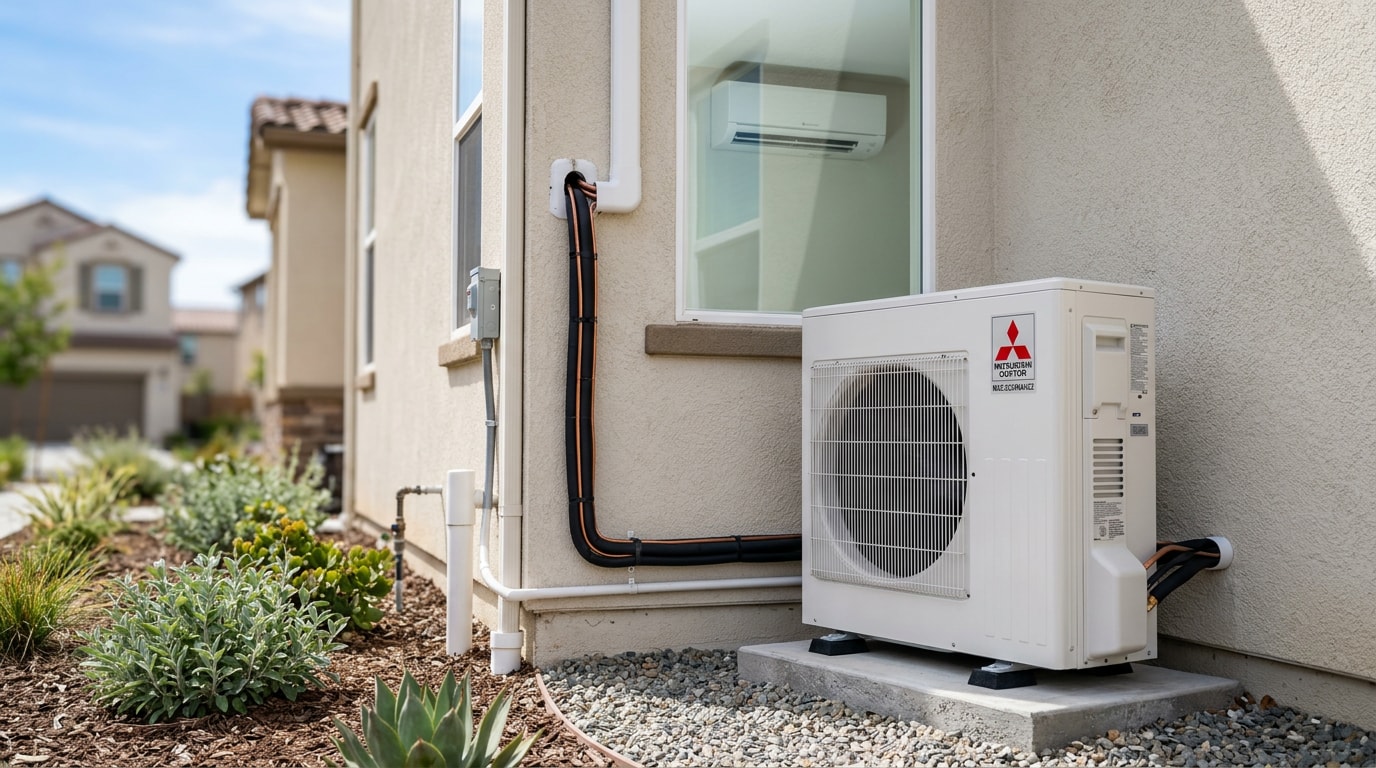
Between a window unit and full central air sits a third option a lot of Sacramento homeowners skip past: the single-zone ductless mini-split. It mounts on the wall, needs no ductwork, and runs on its own dedicated circuit instead of blocking a window.
The U.S. Department of Energy classifies ductless mini-splits as their own cooling category, distinct from both room units and central systems, and a ductless, mini-split air conditioner provides zoned cooling without the ductwork , mounted directly on a wall. According to the same DOE guidance, its life span runs 15 to 20 years , on par with a window unit and longer than most central systems.
A mini-split costs more upfront than a window unit but installs cleanly, runs quieter, and holds its resale value better in a home you plan to keep. If you're comparing a mini-split against a window unit for a bedroom or converted garage, our AC Mini Split Unit Roseville, CA: 2026 Installation, Repair & Replacement Guide walks through installed pricing and sizing for single-zone systems in more detail.
Central Air: When Whole-Home Cooling Makes Sense
Central air is the whole-home alternative worth weighing before you settle on cooling just one room.
Its core advantage is consistency: one system keeps every room at the same temperature without swapping units between rooms or running extension cords. A central air conditioner circulates cool air through a home using a system of ducts and registers , and its typical life span is 12 to 15 years , somewhat shorter than a well-maintained room unit or mini-split.
If your household needs more than one or two rooms cooled at once, or you're already replacing an aging system, whole-home cooling usually beats juggling several window units. Our Air Conditioning Installation team can walk through sizing for a full system if that's the direction you're leaning.
Sizing Your Room AC Correctly for Sacramento Heat
Sizing matters just as much for a single-room purchase as it does for a full system install, and it's the single most common mistake homeowners make.
To find the correct cooling capacity, match your room's square footage to the area-to-be-cooled column, using capacities calculated for an 8-foot ceiling . Here's the official chart:
| Room Size (sq ft) | Recommended Capacity (BTU/hr) |
|---|---|
| 100–150 | 5,000 |
| 150–250 | 6,000 |
| 250–300 | 7,000 |
| 300–350 | 8,000 |
| 350–400 | 9,000 |
| 400–450 | 10,000 |
| 450–550 | 12,000 |
| 550–700 | 14,000 |
| 700–1,000 | 18,000 |
Then adjust for your room's specific conditions. A heavily shaded room needs about 10% less capacity, a very sunny room needs about 10% more, each occupant beyond two adds roughly 600 BTU, and a kitchen install adds about 4,000 BTU. A west- or south-facing Sacramento bedroom with a large window should be sized toward the higher end of its row, not the low end, because of how much solar heat gain it absorbs in the afternoon.
Buying bigger "just in case" backfires. An oversized unit cools the air fast and shuts off before it pulls enough humidity out of the room, leaving it cold, clammy, and short-cycling the compressor every few minutes.
Cost Comparison: Window Unit vs. Mini-Split vs. Central Air
Here's how the three options stack up for a single room, using typical installed-cost ranges and the DOE life span data above. Treat these as planning ranges, not quotes; actual pricing depends on the specific unit, electrical work, and your home's layout.
| Cooling Type | Typical Installed Cost | Life Span | Best For |
|---|---|---|---|
| Window / Portable Unit | A few hundred dollars | 15–20 years | One room, renters, quick fixes |
| Single-Zone Mini-Split | Low-to-mid thousands | 15–20 years | A permanent single-room upgrade |
| Central Air | $4,500–$9,000+ | 12–15 years | Whole-home, multiple rooms at once |
For an exact number on your property, our Air Conditioning Repair and installation crews can price out all three paths during the same visit.
Why Sacramento's Heat Pushes Standard Sizing Further
Sacramento's Mediterranean climate brings hot, dry summers, and that heat isn't just an inconvenience, it's a design constraint. Sacramento typically sees about 23 days of 100-degree heat annually , and recent years have run well past that average. In fact, Sacramento reached a high of at least 100 degrees for the 45th time in 2024, setting a new record for the most triple-digit heat days recorded in a single year .
Running any unit, window, mini-split, or central, past its design limits strains the compressor and shortens its working life. Sizing toward the higher end of the chart above isn't overkill in Sacramento; it's what keeps a unit from running flat-out every afternoon from June through September.
Air Quality: What a Room Unit Won't Filter
Central systems generally beat window units on filtration, and the gap matters if anyone in the house manages allergies, asthma, or wildfire smoke sensitivity.
The EPA is direct about the limits of spot cooling: portable room air cleaners can be used to clean the air in a single room or specific areas, but they are not intended for whole-house filtration . The same logic applies to a window AC's built-in screen, it stops large dust, nothing finer.
Central systems pull air through a ducted filter slot, and the EPA recommends going well beyond the thin fiberglass filter most furnaces ship with. Select a filter rated at least MERV 13 or as high as your system will accommodate , which captures far more pollen, smoke, and fine particulate than a standard window-unit screen ever will. If indoor air quality is a bigger priority than single-room cooling, our Air Quality Testing service can tell you exactly what's moving through your ducts right now.
Common Mistakes When Choosing AC for One Room
A few sizing and install mistakes show up over and over on service calls:
- Buying by room name, not square footage. A "bedroom-sized" unit means nothing if the room is 120 sq ft or 280 sq ft; measure it.
- Ignoring sun exposure. A west-facing room with a large window needs more capacity than an interior room of the same size.
- Skipping the electrical check. Larger window units and all mini-splits often need a dedicated circuit; don't assume the existing outlet can handle it.
- Oversizing "to be safe." A too-big unit short-cycles, wastes energy, and leaves the room humid instead of dry and cool.
- Forgetting ongoing upkeep. Even a simple window unit needs its filter cleaned monthly in Sacramento's dusty summers; our HVAC Maintenance plans cover central and ducted systems if you'd rather not track it yourself.
For more on common cooling complaints once a system is in, see our guide on air con repairs in Sacramento, CA, which covers signs a unit is struggling before it fails outright.
FAQ
What size AC do I need for one room?
Match your room's square footage to the ENERGY STAR chart above, then adjust for sun exposure, occupants, and whether it's a kitchen. A 150 sq ft bedroom generally needs 5,000-6,000 BTU; a 300 sq ft room needs closer to 7,000-8,000 BTU.
Is a window air conditioner cheaper to run than central air?
For cooling a single room, yes. A window unit only conditions the space you're in, while central air conditions the whole house even if you're only using one room, which typically means a higher electric bill for the same comfort level.
Can I install a mini-split in just one room?
Yes. Single-zone mini-splits are designed for exactly this, one indoor head mounted in one room, connected to a single outdoor condenser. No ductwork is required.
How long does a room air conditioner actually last?
Longer than most people assume. DOE data puts window and portable unit life spans at 15 to 20 years with normal maintenance, which is actually longer than the typical 12 to 15 year life span of a central air system.
Will a window unit cool a room with a lot of windows?
It can, but it needs more capacity than the base chart suggests. Increase the BTU recommendation by about 10% for a very sunny room, and more if the room has multiple west-facing windows that take direct afternoon sun.
Does a room AC filter the air as well as central air?
No. A window unit's screen catches large dust particles only. Central systems using a MERV 13 filter remove far more pollen, smoke, and fine particulate, which matters most during wildfire season.
Ready to compare window units, mini-splits, and central air side by side for your specific room? Get a free estimate from our Sacramento team, or visit our homepage to see the full range of services we handle across Sacramento and the surrounding valley. You can also browse recent installs on our projects page before you decide.