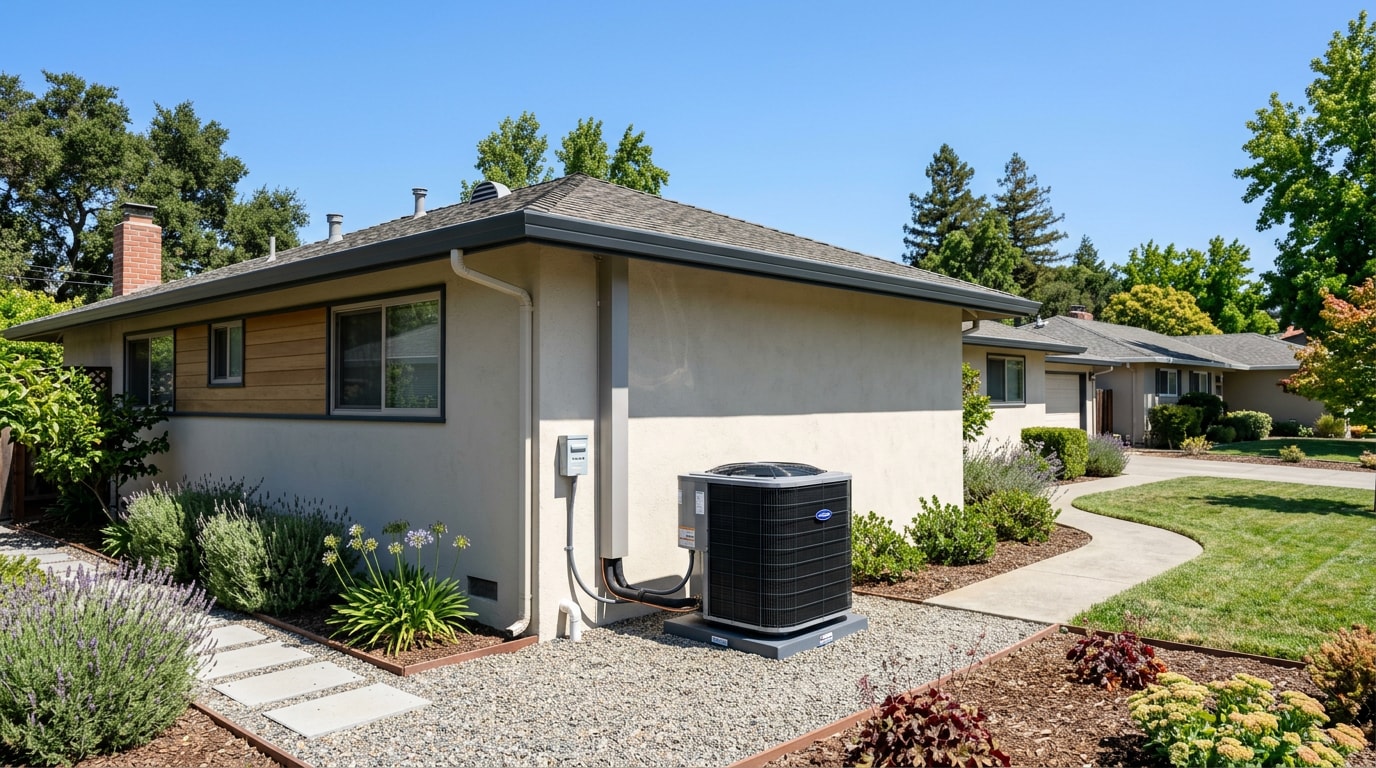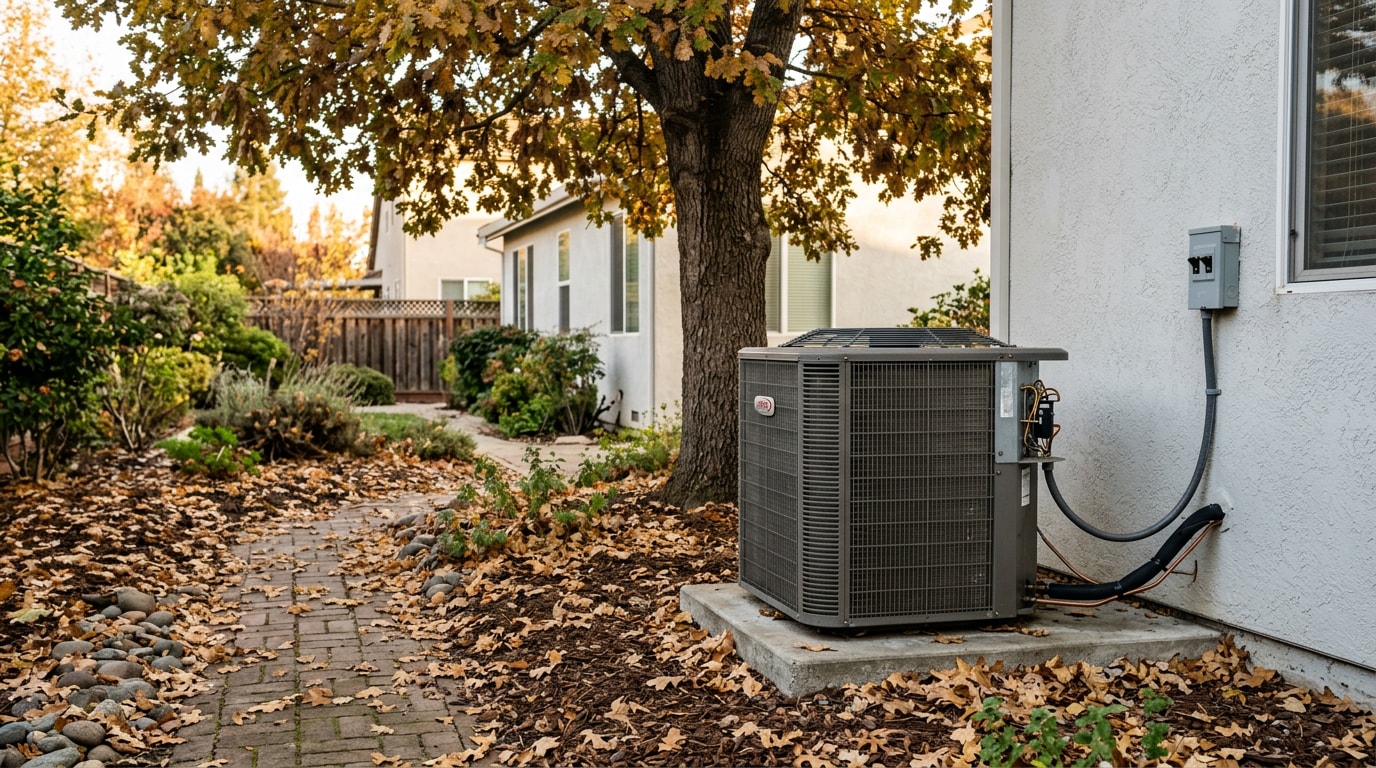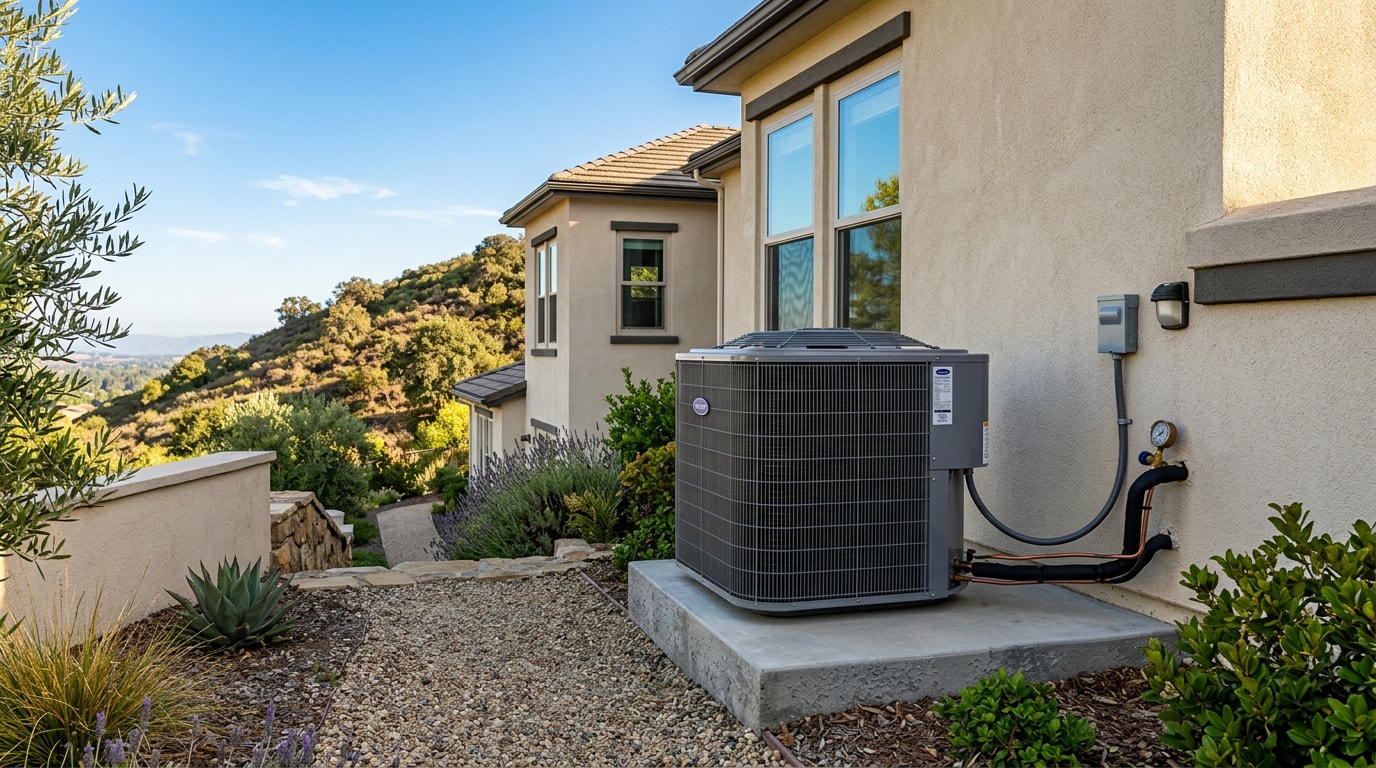
What is the best heating and air conditioning unit for an El Dorado Hills home? There isn't one universal answer, because the right system depends on your home's ductwork, square footage, and how the Sierra foothill climate hits your specific lot. This guide breaks down the equipment types, efficiency numbers, and sizing rules that actually separate a good HVAC decision from a costly one.
The Short Answer: It Depends on Your Home's Setup
For most El Dorado Hills homes with existing ductwork, a correctly sized central air conditioner paired with a gas furnace remains the most common and cost-predictable choice. Homes going all-electric, or those replacing aging equipment, increasingly choose a heat pump instead, since one outdoor unit handles both heating and cooling. Additions, converted garages, and homes without ducts usually do best with a ductless mini-split.
None of those is universally "best." The equipment that performs well is the one matched to your home's actual heating and cooling load, not a guess based on square footage alone.
El Dorado Hills sees hot, dry summers that routinely push into the high 90s, plus winter mornings that can dip into the 30s. That swing is exactly why equipment choice here is more than a cosmetic decision, and why a system that works fine in a mild coastal climate can underperform on a foothill lot with more west-facing glass and sun exposure.
What to Look For in a New HVAC System
Choosing the best HVAC system comes down to three factors: efficiency rating, correct sizing, and the equipment type that fits your home's layout.
| System Type | Best For | Typical Trade-Off |
|---|---|---|
| Central AC + Furnace | Homes with existing ductwork | Needs two systems, two fuel sources |
| Heat pump | Year-round efficiency, electric-only homes | Can lose some capacity in very cold snaps |
| Ductless mini-split | Additions, garages, ductless homes | Higher cost per room, visible indoor unit |
Picture a typical 2,000 square-foot El Dorado Hills home. A correctly sized central AC and furnace combination usually runs in the 3- to 4-ton range, though only a load calculation confirms that number. A heat pump sized similarly can replace both systems with one piece of equipment. A mini-split is usually the right call for one or two problem rooms, not the whole house.
For a full breakdown of how to weigh these options room by room, our guide on how to choose a heating and air conditioning system in El Dorado Hills covers the decision in more depth. You can also see the full equipment lineup we install on our Heating and Cooling Units page.
What Is SEER2, and What Rating Should You Look For?
SEER stands for Seasonal Energy Efficiency Ratio, a measurement of how much cooling a system produces per unit of electricity used over a season. The higher the rating, the less you'll generally spend to cool your home during a hot Sacramento-region summer.
As of January 2023, residential air conditioners sold in the U.S. use an updated testing method called SEER2, which measures efficiency under more realistic airflow conditions than the older SEER standard. California falls in the federal "Southwest" efficiency region, where the minimum allowed rating for most split-system air conditioners under 45,000 BTU/h is 14.3 SEER2. If you want a system that qualifies for ENERGY STAR certification, the bar moves higher: ENERGY STAR central air conditioners and air-source heat pumps need at least 15.2 SEER2 under Version 6.2 of the specification. A system rated well above the regional minimum can meaningfully lower long-term cooling costs, though the payback period varies with how much you run the system and current electricity rates. You can check current thresholds directly on the ENERGY STAR central air conditioner program page.
Bigger Doesn't Mean Better: Your AC Can Be Too Big
An oversized air conditioner cools a room quickly, then shuts off before it has run long enough to remove humidity from the air. That short-cycling pattern leaves a home feeling clammy even at the right temperature, and it adds wear to the compressor over time.
The fix is a proper load calculation. The HVAC industry's standard method for this is ACCA's Manual J, which measures your home's actual heating and cooling needs based on square footage, insulation, window placement, and orientation. A proper load calculation, performed in accordance with the Manual J procedure, is required by national building codes and most state and local jurisdictions. A right-sized system runs longer, steadier cycles that dehumidify better and put less stress on components, which usually means fewer repairs down the road.
Across the installs we see in El Dorado Hills' hill-country neighborhoods, homes with a lot of west-facing glass or little shade routinely need more cooling capacity than a basic square-footage chart would suggest. That's one more reason a real load calculation beats a rule of thumb, especially on a sloped or sun-exposed lot.
Ductless Mini-Split Systems
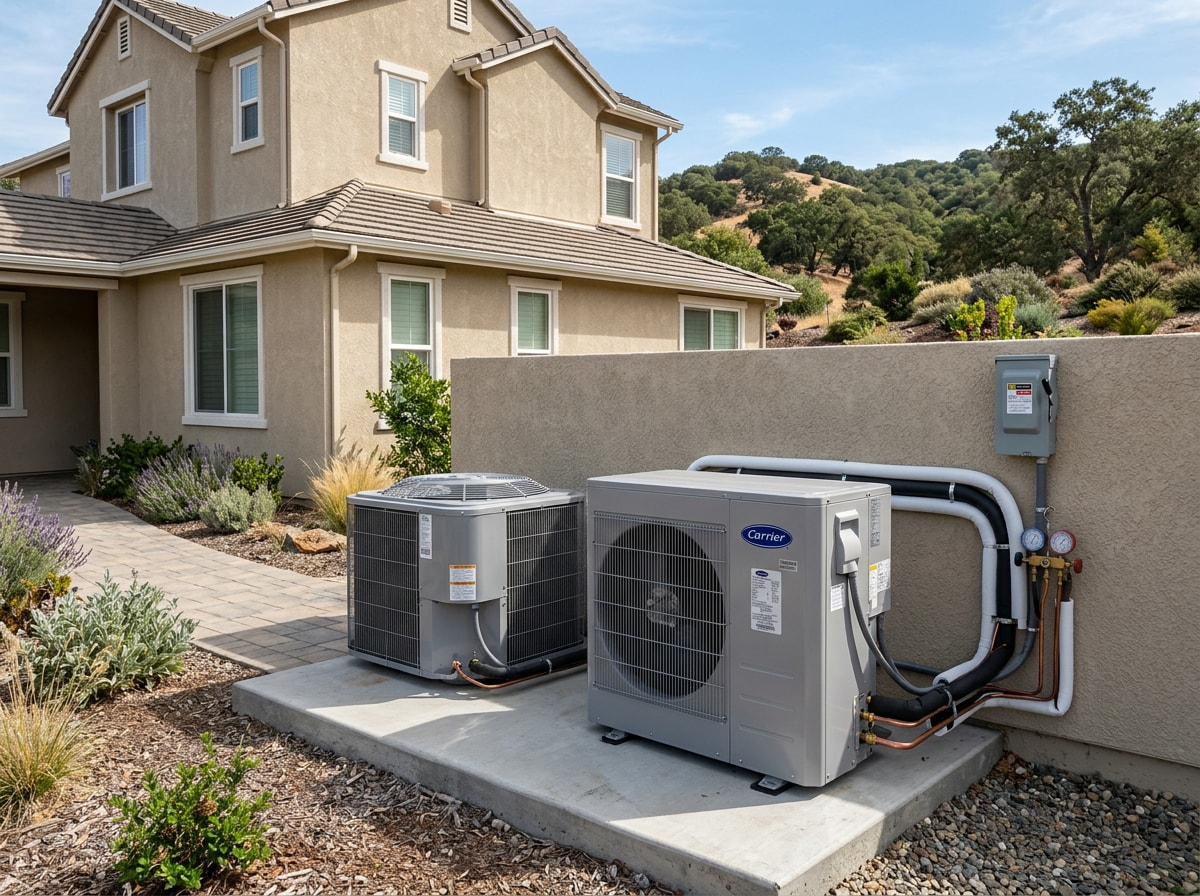
Ductless mini-split systems use an outdoor compressor connected to one or more indoor air handlers without traditional ductwork. They're a practical alternative for additions, garage conversions, or older homes where installing ducts isn't realistic or affordable. Learn more about this equipment option on our Air Conditioner System page.
Because each indoor unit operates independently, mini-splits naturally support zoned heating and cooling. You can cool a home office during the day without conditioning empty bedrooms. They tend to cost more per room than extending central ductwork, but for isolated comfort problems, they're often the more efficient fix.
How Air Conditioners Affect Home Comfort
Cooling isn't just about temperature. Humidity, airflow, and how evenly a system distributes conditioned air all shape how comfortable a home actually feels.
Temperature and Humidity Control
A thermostat reading 72 degrees can still feel sticky if indoor humidity is high. Proper humidity control happens as a byproduct of a correctly sized, correctly running air conditioner pulling moisture out of the air during normal cooling cycles, not as a separate add-on feature. That's one more reason sizing and comfort go hand in hand. A system that short-cycles never gets the chance to dehumidify properly.
Central Air Conditioning: How Does It Work?
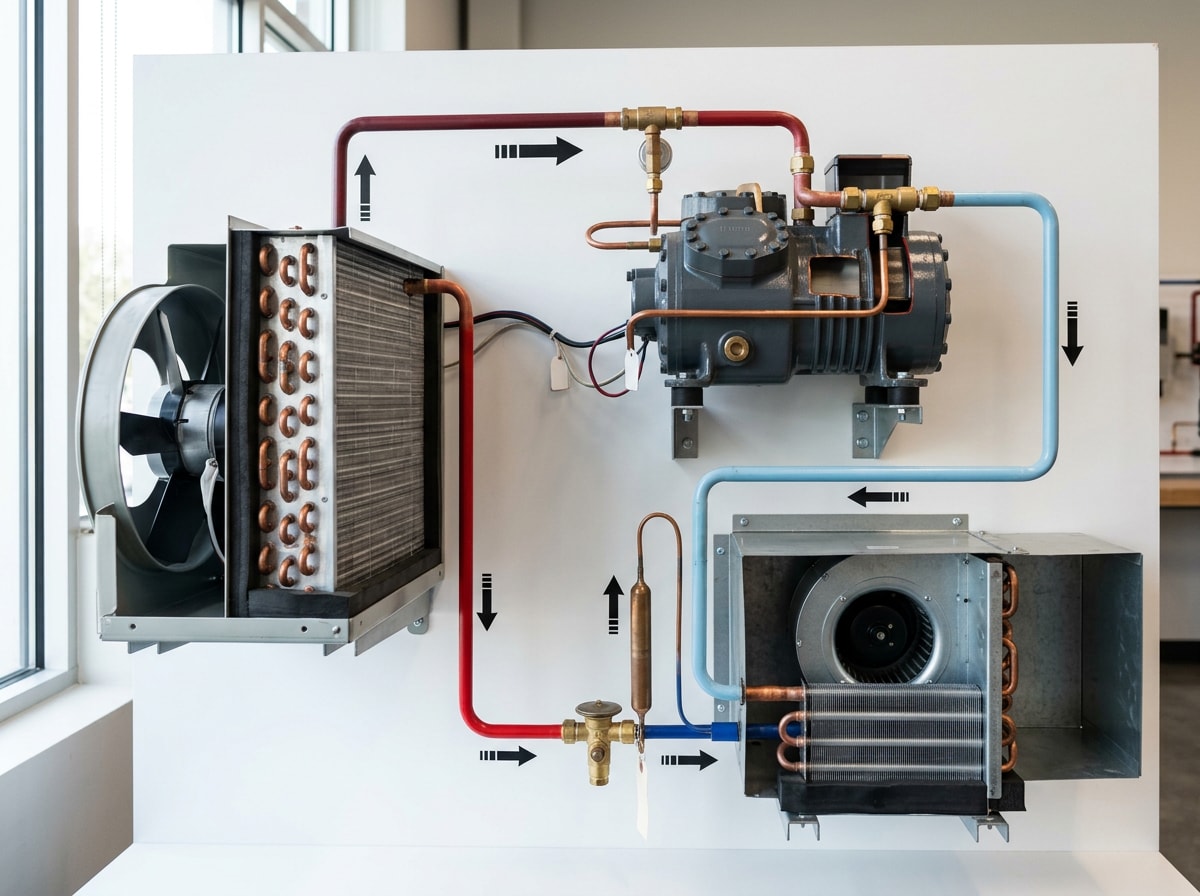
A central air conditioner circulates refrigerant between an indoor evaporator coil and an outdoor condenser. The refrigerant absorbs heat from inside the home, carries it outside, and releases it as the compressor pushes it through the cycle again. That process repeats continuously, pulling warm, humid indoor air across the cold evaporator coil and returning cooled, drier air through the ducts.
Heating and Air Conditioning Installation and Repair
Beyond choosing equipment, understanding installation and repair helps you judge whether a system is being set up and maintained correctly over its lifespan. If you're unsure which direction fits your home, a free estimate with an in-home load calculation is the fastest way to get a straight answer instead of a guess.
Heating Installation, Maintenance, and Repair
Heating installation involves more than setting a furnace in place. It includes confirming proper venting, gas line safety, and matching the unit's output to your home's load calculation. Routine furnace maintenance covers filter changes, burner inspection, and checking heat exchangers for cracks that could pose a safety risk. Details on both are on our Heating System Installation and Heating System Repair pages.
Common heating repair needs range from ignition failures and faulty thermostats to airflow restrictions from dirty filters or blocked vents. Catching these early through regular maintenance generally costs far less than waiting for a full breakdown in the middle of winter.
Air Conditioning Installation and Repair
Proper AC installation involves correct sizing from a load calculation, an accurate refrigerant charge, and a check of existing ductwork for leaks or restrictions that would undercut performance. Skipping any of these steps can leave even a high-efficiency unit underperforming. See our Air Conditioning Installation and Air Conditioning Repair pages for what each visit typically covers.
Typical repair calls involve refrigerant leaks, failing capacitors, dirty condenser coils, or electrical control issues. Many of these problems show up gradually as reduced airflow or longer run times, which is why catching changes in performance early matters.
Heat Pump Installation and Repair
A heat pump handles both heating and cooling from a single outdoor unit by reversing the refrigerant cycle depending on the season. That dual-purpose design means installation requires careful attention to both heating and cooling load calculations, not just one. Our AC Installation and Repair Services page covers equipment that falls into this category.
Heat pump repair issues often center on the reversing valve, defrost cycle controls, or refrigerant charge, since the unit works harder across a wider range of conditions than a cooling-only system.
Maintaining and Improving Your HVAC System
Even the best HVAC system underperforms without consistent care. These habits protect both efficiency and system longevity, and they're covered in more detail on our HVAC Maintenance page.
Why Professional Inspections Matter
An annual professional inspection checks for combustion safety issues on gas furnaces, including carbon monoxide risks from cracked heat exchangers, along with general wear that's easy to miss without training. The ACCA Manual J standard that governs proper sizing is maintained by the same trade group that generally recommends yearly inspections for both heating and cooling equipment. Catching small issues early tends to prevent the larger failures that show up during the first cold snap or heat wave.
- Change filters every one to three months.
- Program the thermostat to avoid unnecessary run time.
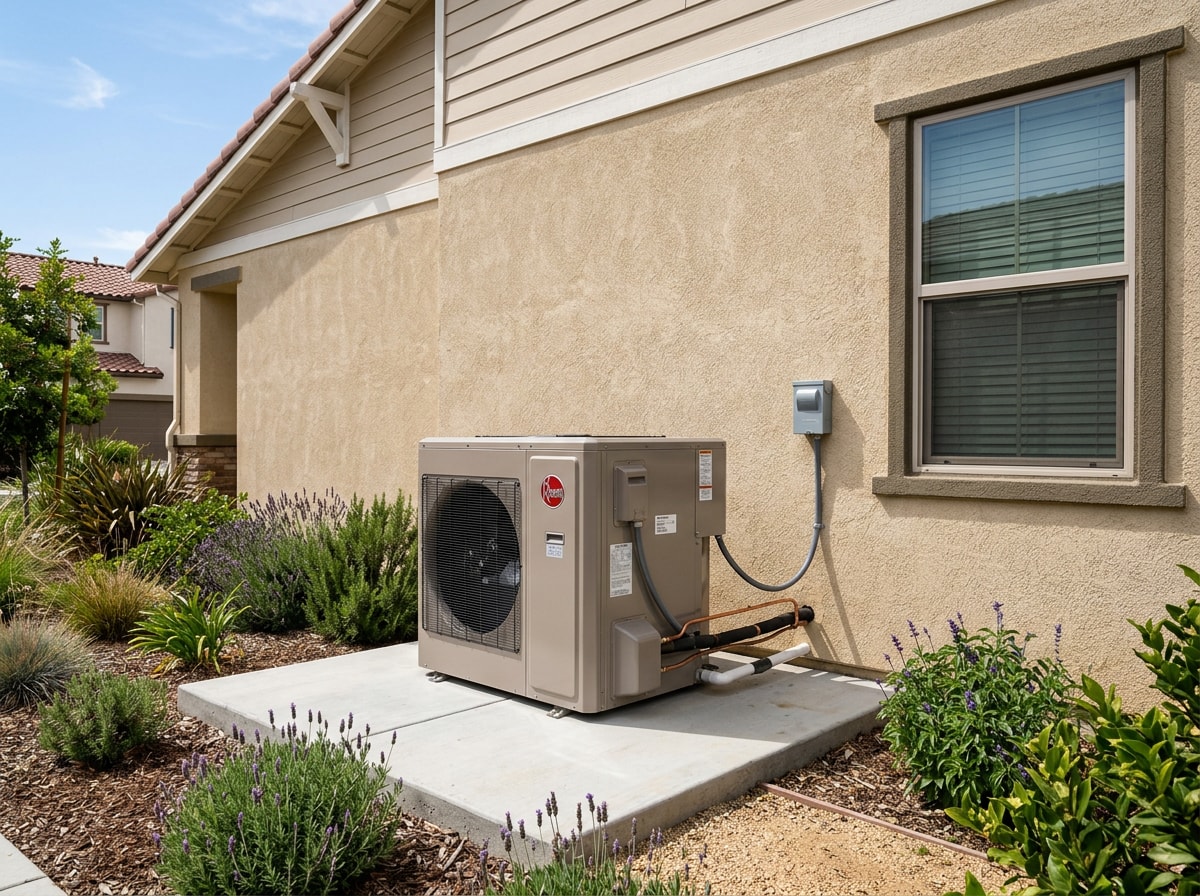
- Keep the outdoor unit clear of leaves, dirt, and overgrown landscaping.
- Schedule a seasonal checkup before peak summer or winter demand.
Homeowners dealing with wildfire smoke season or general dust should also look at upgraded filtration. The EPA's guidance on protecting indoor air explains how the use of portable air cleaners and higher efficiency heating, ventilation, and air conditioning filters can supplement improvements from source control and improved ventilation , which pairs well with any HVAC upgrade.
Ready to compare options for your own home? Get a free estimate and we'll walk the property, run the load numbers, and tell you straight which system actually fits, no upsell script. You can also browse our full HVAC contractor services or see recent work on our Projects page. We proudly serve El Dorado Hills, CA and the surrounding foothill communities, and more service details live on our homepage.
FAQ
What is the best heating and air conditioning unit for an El Dorado Hills home?
There isn't one best unit for every home. For houses with existing ductwork, a correctly sized central AC and furnace combination is the most common fit. All-electric homes often do better with a heat pump, and additions or ductless spaces usually call for a mini-split.
What size AC unit do I need for my El Dorado Hills home?
Size depends on square footage, insulation, window placement, sun exposure, and orientation, not square footage alone. A 2,000 square-foot home typically falls in the 3- to 4-ton range, but a Manual J load calculation is the only way to confirm the right size for your specific house.
Is a heat pump a good fit for El Dorado Hills' winters?
Yes, for most homes. Modern heat pumps handle the area's winter lows well. In rare extreme cold snaps, capacity can dip slightly, which is one reason a proper load calculation matters when sizing a heat pump for this climate.
Do you provide HVAC repair in El Dorado Hills, CA?
Yes. Residential HVAC repair covering furnaces, air conditioners, and heat pumps is available throughout the El Dorado Hills area for both routine and emergency service calls.
How much does HVAC repair or installation cost in El Dorado Hills, CA?
Costs vary widely based on equipment type, SEER2 rating, home size, and the condition of existing ductwork. A full installation generally costs more than a repair, and an in-home assessment with a load calculation is the only way to get an accurate estimate.
Can you help improve indoor air quality in El Dorado Hills, CA homes?
Yes. HVAC-integrated solutions like upgraded filtration and improved ventilation can meaningfully reduce indoor pollutants, which matters especially during regional wildfire smoke seasons.
Who makes the best HVAC units?
There isn't a single best HVAC brand. The right choice depends on your home's size, climate demands, and budget more than the manufacturer's name. Focusing on correct sizing, efficiency rating, and installation quality matters more than brand alone.
What is the 3-minute rule for aircon?
The 3-minute rule refers to waiting roughly three minutes before restarting a compressor after it shuts off. This delay lets internal pressure equalize, protecting the compressor from strain and reducing the risk of damage from short-cycling.