An AC blowing cold air but not cooling your house in Roseville, CA almost always means the blower fan is running while the compressor side of the system isn't doing its job. The vent feels cold for a minute or two, then the house drifts right back to uncomfortable. Most causes fall into a short list, and more than half of them you can check yourself before picking up the phone.
This guide walks through the DIY checks first, then the issues that genuinely need a licensed technician.
Why Your AC Can Blow Cold Air But Still Not Cool the House
A central air conditioner is really two systems working together. The indoor blower fan pushes air through your ducts, and the outdoor compressor is what actually pulls heat out of that air. When the fan runs but the compressor is struggling, stalled, or short-cycling, you still feel moving air at the vent, but the house never actually drops in temperature.
That's the gap people miss. Air leaving the duct can feel cool for a few minutes just because residual cold air is still sitting in the ductwork. If the refrigeration cycle isn't pulling heat out of the home, the thermostat number won't move no matter how long the system runs.
| Likely Cause | DIY or Pro Fix | Quick Sign |
|---|---|---|
| Thermostat set to Fan | DIY | Air moves but never feels cold |
| Dirty air filter | DIY | Weak airflow at every vent |
| Blocked outdoor unit | DIY | Condenser fan spins, house stays warm |
| Tripped breaker | DIY | Outdoor unit silent, indoor fan runs |
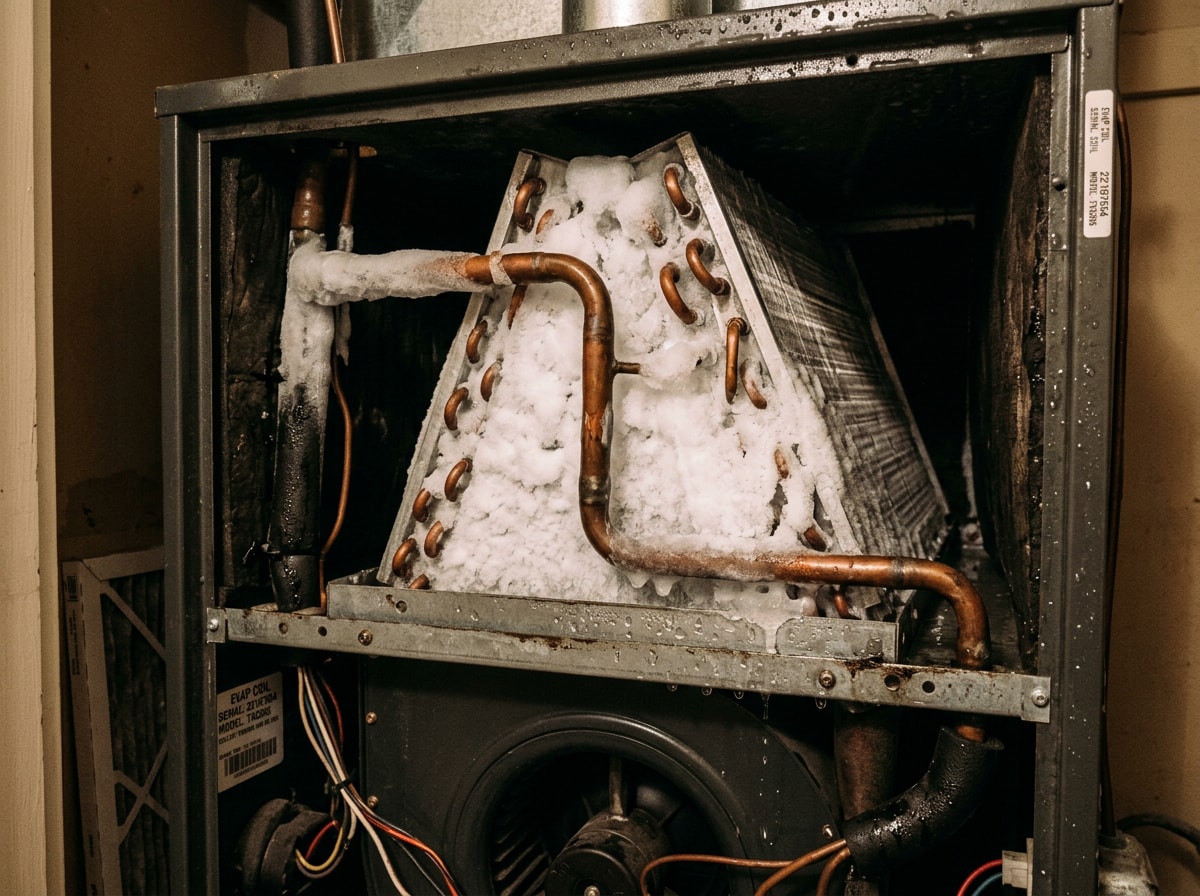
| Frozen evaporator coil | DIY to thaw, Pro to diagnose | Visible ice, warm air after thaw |
| Low or leaking refrigerant | Pro only | Hissing sound, rising bills |
| Leaky or undersized ductwork | Pro only | One room never cools, system runs nonstop |
Fix It Yourself First: 3 Checks That Take 15 Minutes
Run through these before calling anyone. They solve a large share of "AC running but not cooling" calls on their own.
Check the Thermostat Mode and Settings
The most common cause of a "broken" AC is a thermostat set to the wrong mode. Confirm the display reads Cool, not Fan or Heat, and that the setpoint is several degrees below the current indoor temperature.
Fan mode only circulates existing air without ever engaging the compressor, so the house will never actually cool down in that mode. If the screen is blank or unresponsive, dead batteries are an easy-to-miss culprit.
Check and Replace a Dirty Air Filter
Filters trap dust, pet hair, and allergens. Once clogged, airflow drops enough to stress the compressor or freeze the indoor coil. A dirty filter is one of the single most common reasons an AC runs constantly without ever catching up to the thermostat.
- Check filters monthly during peak cooling season.
- Replace standard filters every one to three months.
- In the Sacramento Valley, seasonal dust and agricultural pollen tend to clog filters faster than milder coastal climates, so many Roseville homes land on the shorter end of that range.
Check the Outdoor Condenser Unit
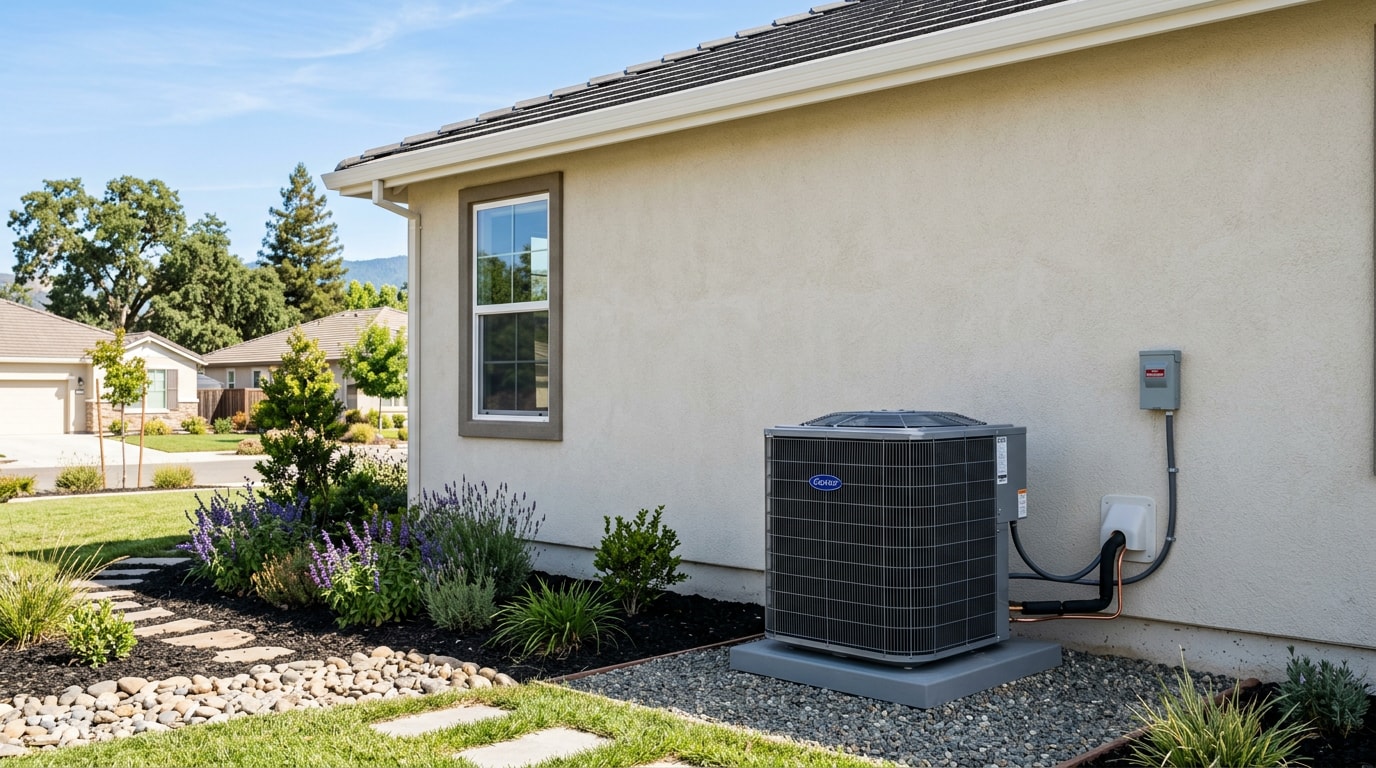
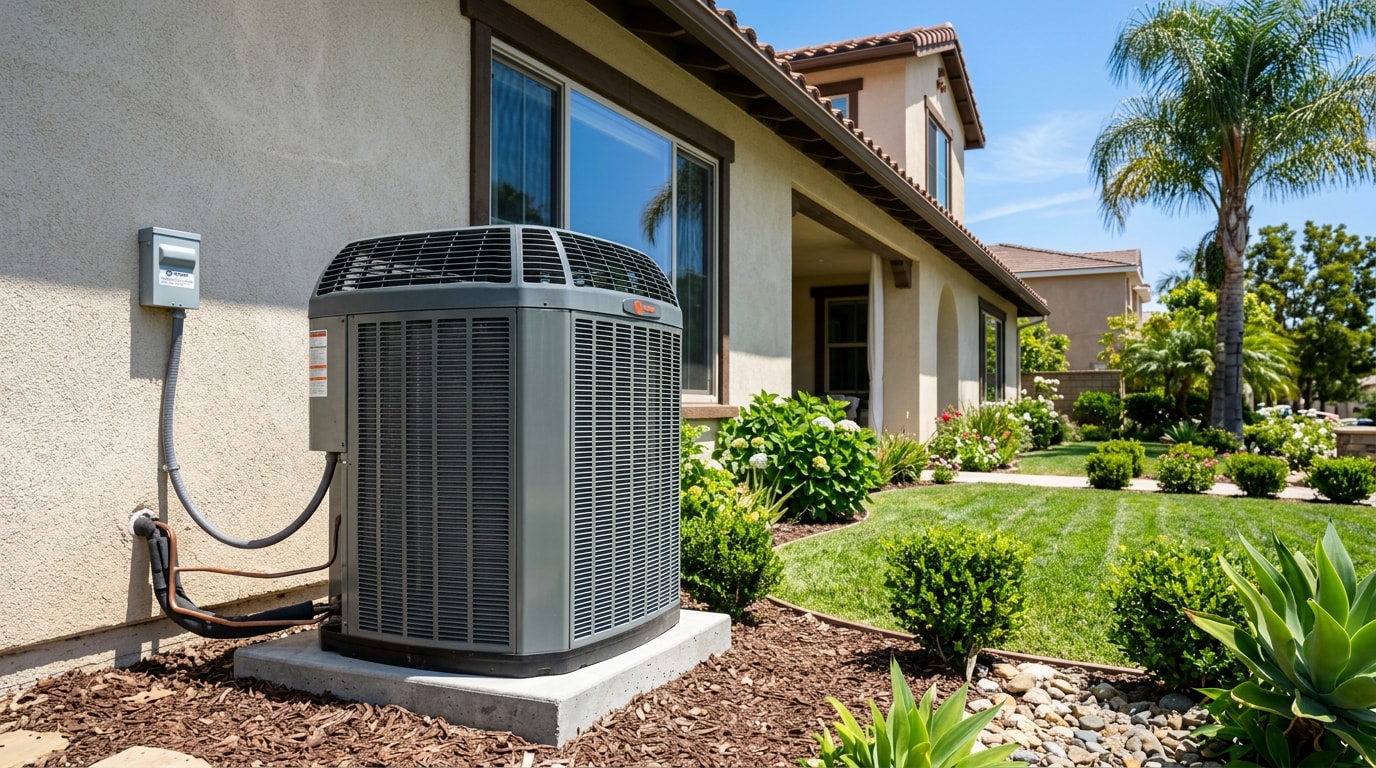
The outdoor condenser does the heavy lifting of releasing heat pulled from inside your home. Sometimes its fan spins while the compressor stays silent, and sometimes the whole unit sits dead.
- Check your electrical panel for a tripped breaker, a surprisingly common and harmless-sounding fix.
- Walk outside and look for the condenser blocked by leaves, dirt, tall grass, or overgrown shrubs.
- Confirm the unit has at least two feet of clearance on all sides so it can release heat properly.
When It's Not DIY: Issues That Need a Professional
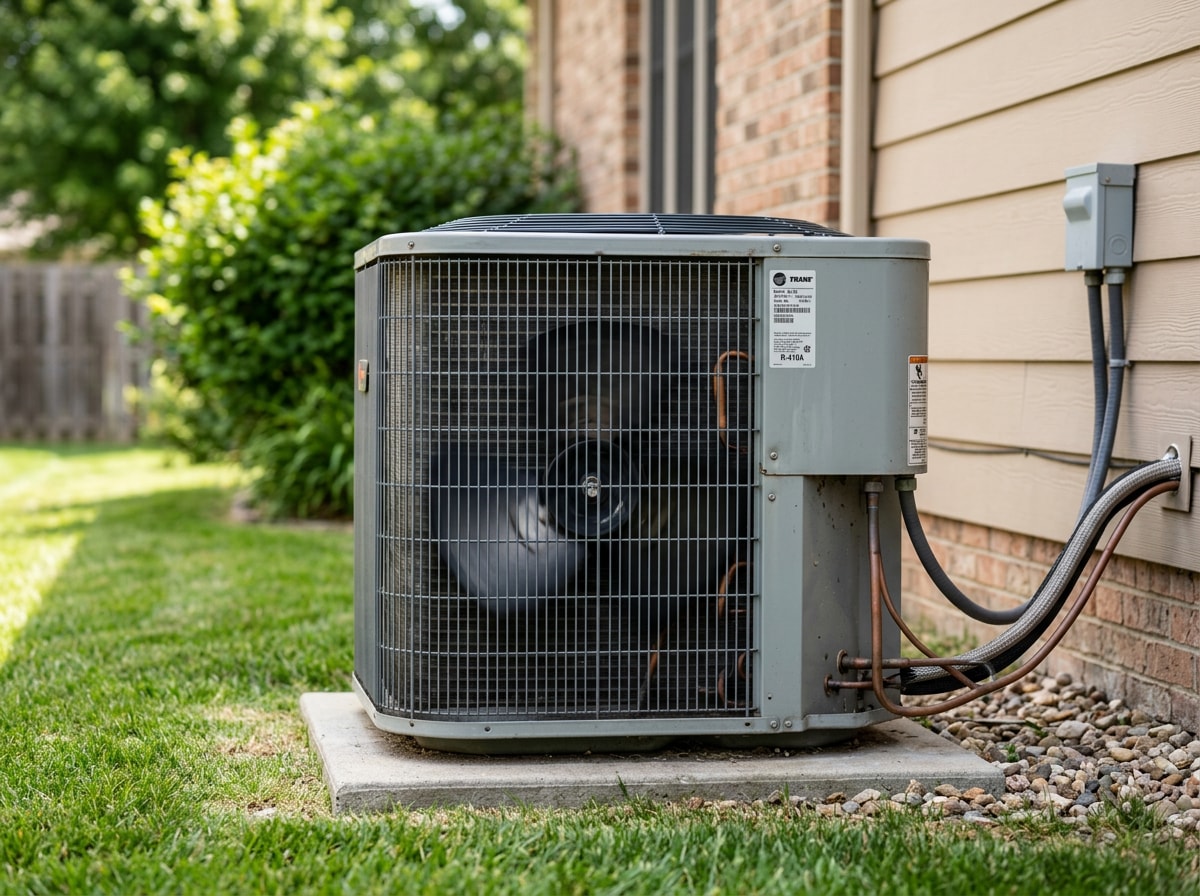
If the checks above didn't fix it, the remaining causes need a trained technician and sometimes specialized tools. This is the point where guessing starts costing more than it saves.
Your AC System Is Frozen Up
Ice on the evaporator coil happens when airflow is restricted or refrigerant levels are off, and that ice then blocks the coil from absorbing any heat at all, even while the blower keeps running.
If you spot ice buildup, don't keep running the system; it adds strain to the compressor.
- Turn the system off completely.
- Switch the thermostat fan to "on" to help air circulate and speed thawing.
- Wait two to three hours, or until all visible ice is gone.
- Check and replace the filter before restarting.
If it refreezes after a clean filter and a full thaw, a technician needs to check for an underlying refrigerant or airflow problem.
Low or Leaking Refrigerant
Refrigerant is what actually carries heat out of your home, so low refrigerant means the system can blow air without meaningfully cooling it. Warning signs include rising energy bills, a hissing sound near the lines, or ice forming on the coil even on a hot day.
This is strictly a professional job. Under federal law, technicians who handle or recharge refrigerant must hold EPA Section 608 certification, so always confirm your technician is certified before anyone opens the refrigerant circuit.
Leaky Ductwork Is Wasting Cool Air
If one room runs warm while the rest of the house feels fine, or your bills seem high relative to your usage, leaky ducts could be the reason. Conditioned air escaping into attics, crawlspaces, or wall cavities never reaches the rooms it was meant for.
According to ENERGY STAR, leaky ducts can reduce heating and cooling system efficiency by as much as 20 percent in a typical home. A professional air duct inspection and sealing job often pays for itself through lower bills and more even cooling room to room.
Your AC System Is Undersized or Aging Out
An AC that felt marginal in spring can fall apart by August if it was never sized correctly for the home. An undersized unit runs nonstop trying to keep up without ever catching the temperature.
Correct sizing follows the ACCA Manual J load-calculation standard, the ANSI-recognized method contractors use to match equipment capacity to a home's actual cooling needs. If your system is also old and needs frequent repairs, that's often a sign it's nearing the end of its service life. It's worth comparing repair costs against replacement, similar to the breakdown in our Air Conditioning Replacement Cost Guide for Lincoln, CA, before a mid-summer breakdown forces the decision for you.
Why This Problem Hits Roseville Homes Harder in Summer
Placer County summers aren't gentle on HVAC equipment. Long stretches of triple-digit heat, paired with low humidity and seasonal agricultural dust, clog filters faster and force compressors to run far longer each day than they would in a milder climate.
A system that felt fine during a mild spring can quietly fall behind once a real heat wave sets in, especially if a filter or coil issue was already brewing. In our service calls across Roseville and the surrounding Placer County area, this is almost always the point where a "slightly weak" AC turns into a "running all day and the house still isn't cool" complaint. If your system has been struggling through these stretches, our air conditioning repair team can check it before the next heat wave hits, and a seasonal HVAC maintenance visit catches most of these issues before they turn into no-cool emergencies.
Visit our homepage to see our full service area and current availability, or get a free estimate if you'd rather have a technician diagnose it than keep troubleshooting.
FAQ
Why is my AC not blowing cold air but running?
If the AC is running but not cooling, the most common causes are a dirty filter, an incorrect thermostat setting, or a dirty outdoor condenser coil. More complex issues, like refrigerant leaks, frozen coils, or a failing compressor, usually need a technician to properly diagnose.
Should I turn off my AC if it's not cooling?
Yes. If your AC is running but not actually cooling, especially if ice has formed on the coil, turn the system off to avoid pushing more strain onto the compressor. Let it rest while you work through the checks above.
How long should it take for AC to cool a house?
Supply air at the vent should feel noticeably cooler within about 15 to 30 minutes of the system starting. Cooling the whole house to the thermostat's setpoint can take a few hours on a very hot day, but if it's taking much longer than that consistently, it's worth investigating the causes covered above.
Why is only one room not cooling while the rest are fine?
This is usually a localized issue rather than a whole-system problem, such as a closed or blocked vent, a disconnected duct run, or a gap in insulation near that room. A full AC repair diagnostic can pinpoint exactly where the air is being lost.
Can a dirty air filter really stop an AC from cooling?
Yes. A clogged filter restricts airflow across the indoor coil badly enough that the coil can freeze over or the compressor can shut down on a safety switch. It's one of the cheapest and most overlooked fixes on this list.
Is a frozen AC coil an emergency?
Not immediately, but it shouldn't be ignored. Turn the system off, let it thaw fully, and replace the filter. If the coil freezes again within a few days, call a technician before running the system further.