The best time to book your heating contractor isn't when your furnace quits on the coldest night. Smart Sacramento County homeowners schedule before the rush.
Share:
Summary:
Most people don’t think about their heating system until they need it. That’s human nature. The problem is that thousands of other homeowners in Sacramento County, CA are doing the exact same thing.
The first truly cold morning of the year triggers what the industry calls the “freeze panic.” Furnaces that sat unused for months suddenly get fired up, and the ones with issues fail immediately. HVAC companies get slammed with calls, appointment slots fill up fast, and wait times balloon.
If you’re calling during this rush, you’re not getting convenient scheduling. You’re getting whatever’s left—which might be days or even a week away. And if your system actually breaks down during this period, you’re looking at emergency service rates that run double or triple the normal cost.

October and November represent the sweet spot for HVAC maintenance in Sacramento County, CA. Temperatures are still moderate, so your system isn’t under stress yet. More importantly, HVAC contractors aren’t buried under emergency calls.
This timing advantage means you actually get to choose your appointment time instead of taking whatever slot happens to be available. Technicians aren’t rushed, so they can perform thorough inspections and catch potential problems that would cause failures later. If they do find something that needs attention, you have time to address it before you’re depending on that system every single day.
The cost difference matters too. Regular HVAC maintenance service during the off-season runs significantly less than emergency calls during peak winter demand. You’re paying for scheduled service, not urgent response. The technician isn’t rearranging their entire day to accommodate your emergency, and you’re not paying premium rates for after-hours or weekend work.
Beyond the financial aspect, there’s the practical reality of parts availability. If your system needs a replacement component during a routine fall maintenance visit, the part can usually be ordered and installed within days. Compare that to a mid-winter breakdown when that same part might take longer to source because every HVAC company in the region is ordering the same high-demand components.
Sacramento County’s climate makes this timing even more relevant. We don’t face brutal winters like some parts of the country, but we do get cold snaps that push heating systems hard. Those temperature drops can expose weaknesses in aging equipment. Getting ahead of potential failures means your family stays comfortable instead of bundling up in blankets while waiting for a repair truck.
Emergency HVAC repair isn’t just inconvenient—it’s expensive. When your heating system fails on a cold night and you need immediate help, you’re not paying standard rates. Emergency calls typically run double or even triple what you’d pay for scheduled maintenance.
Standard HVAC repair during business hours might cost you somewhere between $300 and $550 depending on what needs fixing. That same repair during an emergency call—late evening, weekend, or holiday—can easily push into the $600 to $1,100 range. The work itself hasn’t changed. What you’re paying for is the urgency, the disruption to the technician’s schedule, and the premium that comes with immediate response.
Labor rates tell the same story. Regular service calls might run $75 to $150 per hour. Emergency calls jump to $140 to $210 per hour on the low end, with some situations pushing as high as $400 to $600 per hour. If the repair takes several hours, those costs add up fast.
Parts availability compounds the problem. HVAC suppliers operate during regular business hours. If your system needs a component outside those hours, the contractor may need to source it from a 24-hour distributor who charges a premium. Or you might wait until the next business day while sitting in a cold house, then still pay emergency rates for the actual repair.
The financial hit extends beyond the immediate repair bill. Emergency breakdowns often happen because small issues went unaddressed during the months when your system wasn’t running. A failing component that could have been caught and replaced during a routine $150 maintenance visit instead causes a cascade of problems that result in a $1,000+ emergency repair.
Regular HVAC maintenance service doesn’t just reduce the likelihood of breakdowns. It fundamentally changes the economics of HVAC ownership. You’re investing in prevention rather than paying panic prices when something fails at the worst possible time. The math is straightforward—a couple hundred dollars for scheduled maintenance versus potentially thousands for emergency repairs and the discomfort of waiting for service during a cold spell.
Want live answers?
Connect with a Hot & Cold HVAC expert for fast, friendly support.
Your heating system represents a significant investment in your home. Like any major equipment, it performs better and lasts longer when it receives regular attention. Preventive HVAC services aren’t about spending money unnecessarily—they’re about protecting what you’ve already invested.
A well-maintained furnace can run reliably for 15 to 20 years. Systems that don’t receive regular service often fail years earlier, forcing premature replacement. The difference comes down to catching small issues before they cause major damage. A worn belt, a dirty filter, or a minor electrical connection problem might seem insignificant, but left unaddressed, each can lead to component failures that cost hundreds or thousands to repair.
Efficiency matters too. Every year you skip maintenance, your system’s efficiency can drop by as much as 5%. That decline shows up directly on your energy bills. Over time, the extra money you’re spending on utilities to run an inefficient system adds up to far more than the cost of regular tune-ups.
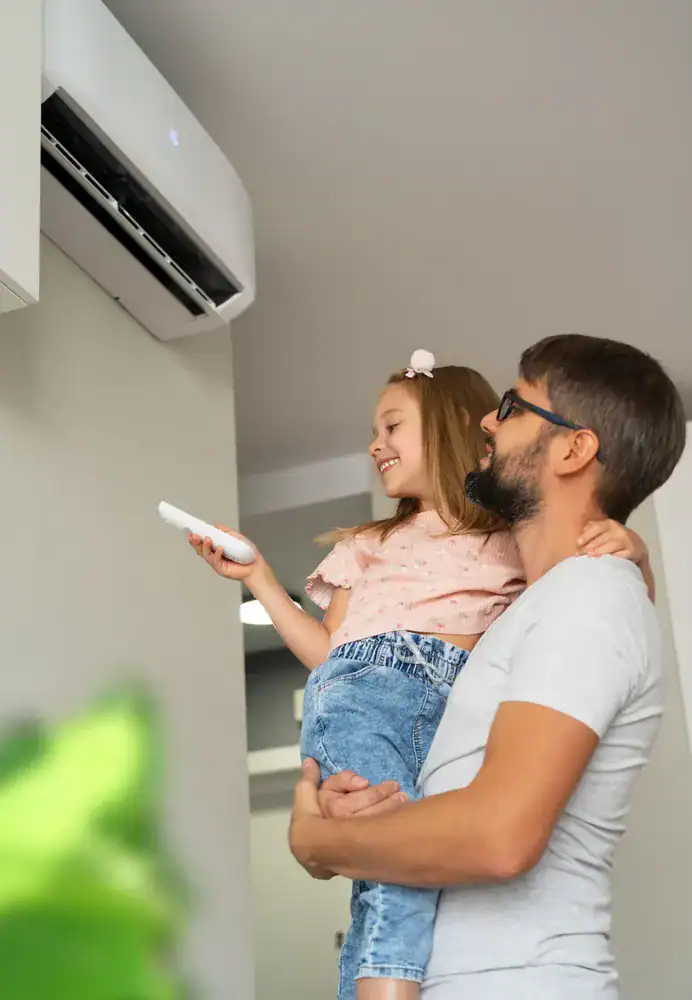
Understanding what goes into a professional heating maintenance visit helps explain why it matters. This isn’t just a quick look-over. A thorough inspection involves checking every component that affects your system’s performance, safety, and efficiency.
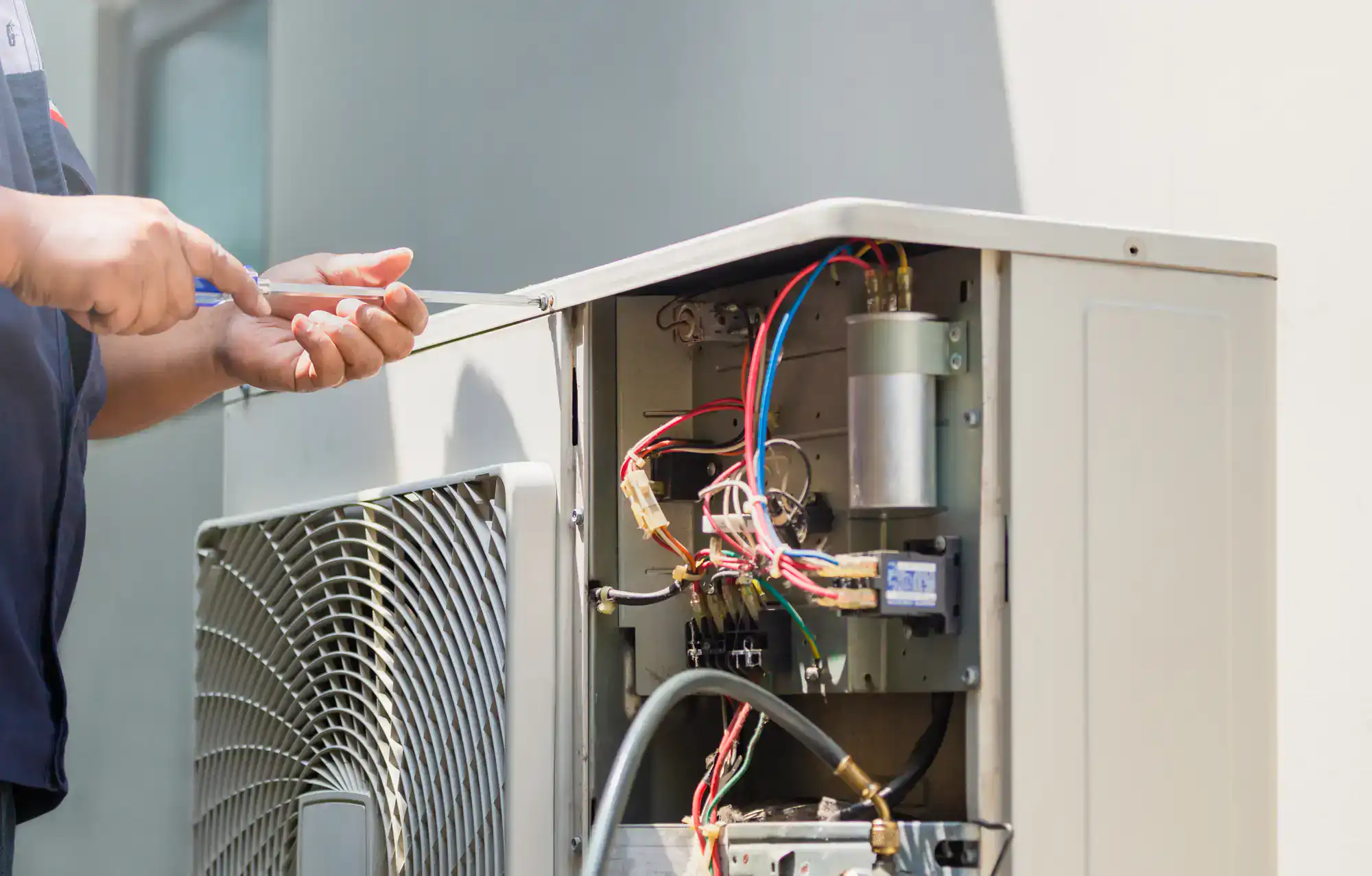
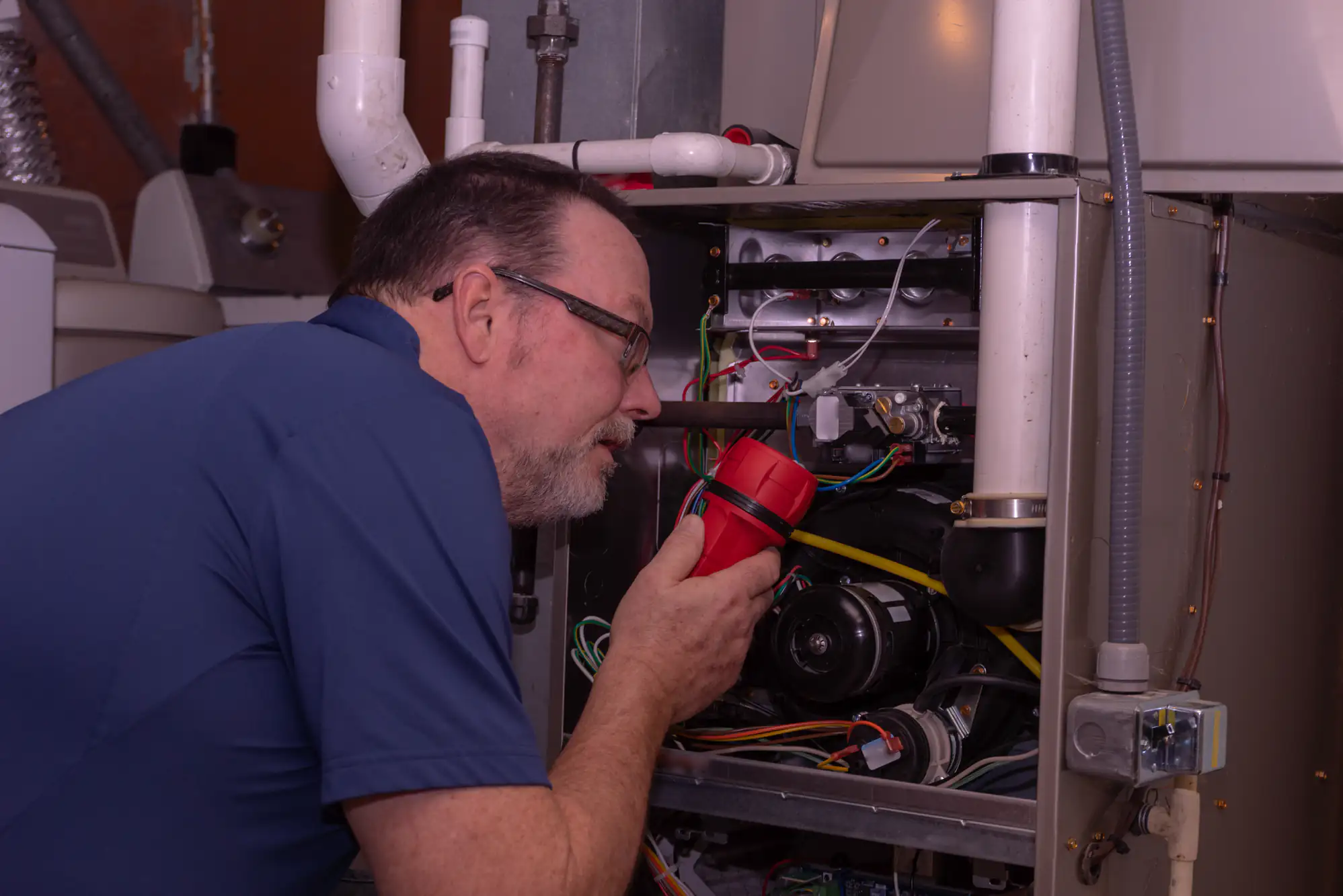
We start by examining the heat exchanger for cracks or damage. This component is critical for safety—a cracked heat exchanger can allow carbon monoxide to enter your home. Next comes inspection of the burner assembly, ignition system, and flame sensor to ensure proper combustion. Gas connections get checked for leaks, and electrical connections are tightened and tested.
Airflow receives careful attention. We clean or replace air filters, inspect the blower motor and fan, and check ductwork connections. Poor airflow forces your system to work harder, driving up energy costs and increasing wear on components. Proper airflow also affects indoor air quality—a system that’s moving air efficiently does a better job of filtering out dust, allergens, and other particles.
Thermostat calibration ensures your system responds accurately to temperature settings. A miscalibrated thermostat can cause short cycling—the system turning on and off too frequently—which wastes energy and stresses components. We also test safety controls and limit switches that prevent dangerous operating conditions.
Lubrication of moving parts reduces friction and wear. Many homeowners don’t realize that motors, bearings, and other components need periodic lubrication to function smoothly. Without it, parts wear out faster and the system runs less efficiently. We also check refrigerant levels in heat pump systems and test the condensate drain to prevent water damage.
This comprehensive approach catches problems at the earliest stage. Maybe a motor bearing is starting to wear but hasn’t failed yet. Maybe a gas valve is showing signs of age but still functioning. Maybe the heat exchanger has developed a hairline crack that will worsen over the season. Identifying these issues during a maintenance visit means you can address them on your schedule, not during an emergency.
Beyond avoiding breakdowns and reducing energy bills, regular HVAC services deliver benefits that aren’t immediately obvious but significantly impact your home comfort and health.
Indoor air quality improves when your heating system is properly maintained. Dust, dirt, and debris accumulate inside your furnace over time. Every time the system runs, it circulates whatever has built up inside through your home’s air. Regular cleaning and filter replacement mean you’re breathing cleaner air. This matters especially for family members with allergies, asthma, or other respiratory sensitivities.
System reliability gives you one less thing to worry about. When you know your heating has been professionally inspected and serviced, you’re not wondering whether it will make it through the winter. That peace of mind has real value, particularly during cold snaps when system failures are most common and most inconvenient.
Warranty protection often depends on documented maintenance. Many manufacturers require proof of regular professional service to honor warranty claims. If a major component fails and you can’t show that the system was properly maintained, you might find yourself paying for repairs that would otherwise be covered. Keeping up with scheduled maintenance protects your warranty coverage.
Resale value factors in when you eventually sell your home. A heating system with documented maintenance history demonstrates that the home was well cared for. Buyers and home inspectors view this positively. Conversely, a system with no maintenance records raises questions about what else might have been neglected.
Energy efficiency improvements compound over time. A system running at peak efficiency doesn’t just save you 10% or 15% on one month’s bill. Those savings accumulate month after month, year after year. Over the life of your heating system, the energy savings from regular maintenance can total thousands of dollars—far more than the cost of the maintenance itself.
Early problem detection prevents the domino effect where one failing component damages others. A motor that’s working too hard because of a dirty filter can overheat and fail. That failure might then damage the control board. What started as a $20 filter replacement becomes a $500 motor replacement plus a $300 control board replacement. Regular maintenance breaks this chain of failure before it starts.
The pattern repeats every year in Sacramento County, CA. Temperatures drop, furnaces fire up, some fail, and homeowners scramble for service. The ones who scheduled maintenance in October and November are comfortable. The ones who waited are cold, frustrated, and paying premium rates for emergency repairs.
Booking your heating contractor before the winter rush isn’t complicated. It’s a straightforward decision that saves money, reduces stress, and keeps your family comfortable when temperatures drop. You get flexible scheduling, thorough service, and the confidence that your system is ready for whatever weather Sacramento County throws at it.
If you’re ready to avoid the rush and protect your heating investment, reach out to us at Hot & Cold HVAC. We’ll get your system inspected, serviced, and ready before everyone else starts calling.
Article details:
Share:
Continue learning: