Ductless heating and cooling systems offer Sacramento homeowners energy-efficient comfort without ductwork. Learn about costs, benefits, and whether mini splits are right for your home.
Share:
Summary:
Your air conditioner quits on the hottest day of the year. Or your energy bill hits triple digits again because your old system can’t keep up with Sacramento’s heat without running nonstop. Maybe you’re adding a room and the thought of tearing into walls to install ductwork sounds like a nightmare.
Ductless heating and cooling systems solve these problems. They deliver efficient, year-round comfort without the ductwork, the waste, or the guesswork. You get control over individual rooms, lower energy bills, and a system designed to handle Sacramento’s 105-degree summers and chilly winter nights. Here’s everything you need to know about how they work, what they cost, and whether they’re the right fit for your home.
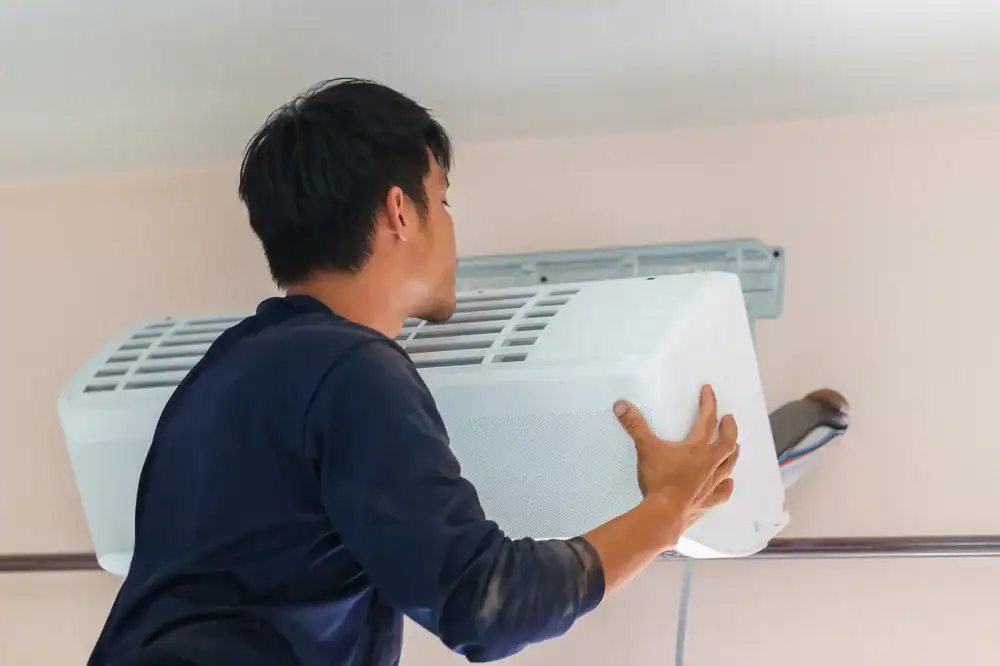
A ductless heating and cooling system—also called a mini split—consists of an outdoor compressor unit connected to one or more indoor air handlers. A thin line carrying refrigerant, drainage, and power runs between them through a three-inch hole in your wall. That’s it. No bulky ductwork snaking through your attic or crawlspace.
The outdoor unit does the heavy lifting—compressing refrigerant to move heat in or out of your home depending on the season. The indoor unit mounted on your wall or ceiling delivers treated air directly into the room. Because air doesn’t travel through ducts, you avoid the 25-30% energy loss that comes with traditional systems.
Each indoor unit operates independently with its own remote control. You can set your bedroom to 68 degrees while keeping the living room at 72. Or turn off units in rooms nobody’s using. This zoned approach is what makes ductless systems so efficient—you’re only heating or cooling the spaces that matter.
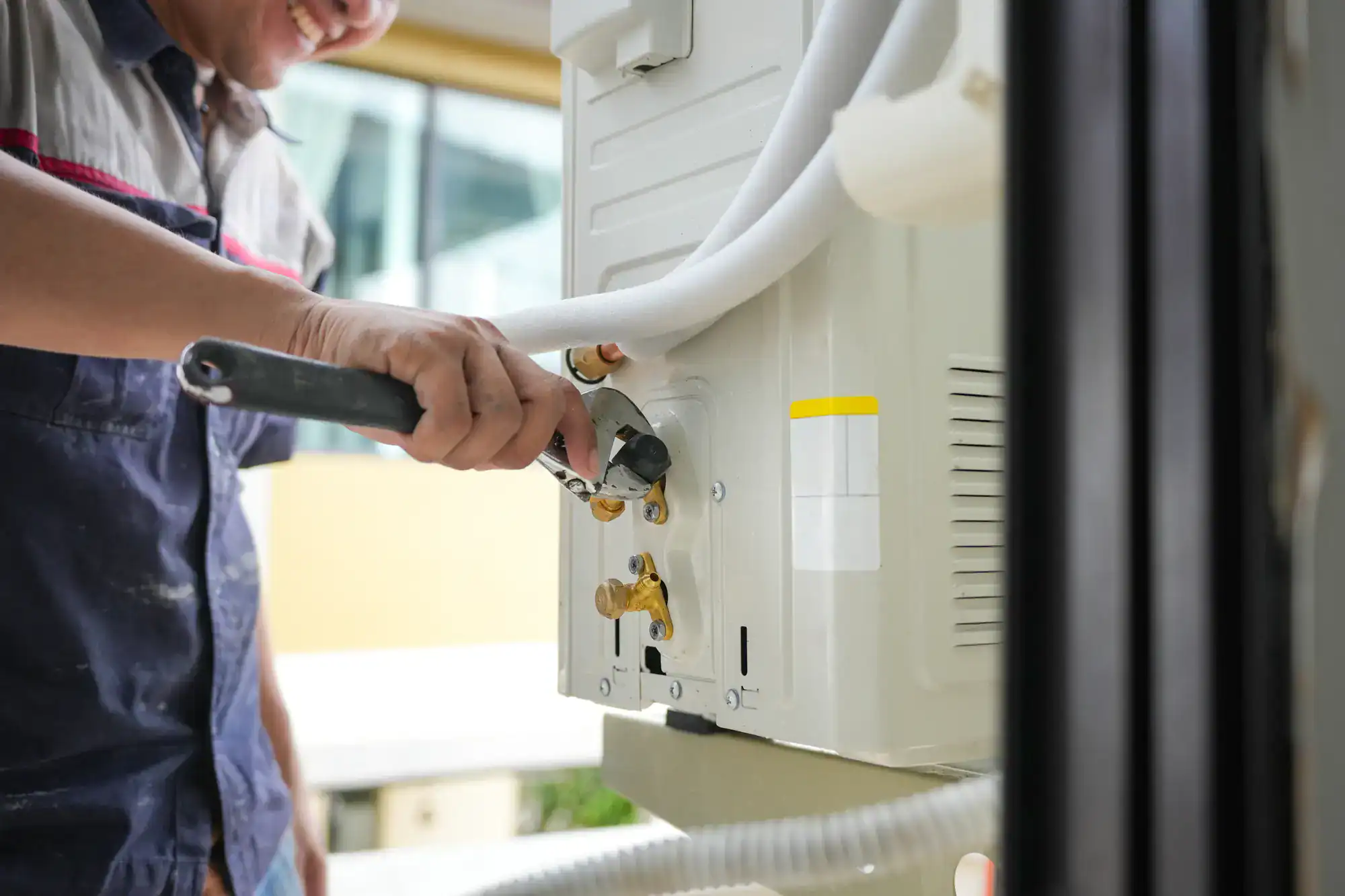
Mini splits use the same refrigeration principles as traditional air conditioners, but with smarter technology. The outdoor compressor circulates refrigerant through copper lines to the indoor unit. In cooling mode, the indoor unit absorbs heat from your room and transfers it outside. In heating mode, the process reverses—the system pulls warmth from outdoor air (yes, even when it’s cold) and brings it inside.
What makes modern mini splits different is inverter technology. Traditional systems operate like a light switch—fully on or completely off. When your thermostat calls for cooling, the compressor fires up at 100% capacity, runs until the temperature drops, then shuts off completely. This constant cycling wastes energy and creates temperature swings.
Inverter-driven mini splits work more like a dimmer switch. The compressor adjusts its speed continuously to match your exact needs. On a mild spring morning, it might run at 20% capacity. During a 105-degree Sacramento afternoon, it ramps up to 90%. Because the motor never stops and restarts from zero, it draws fewer amps, runs quieter, and lasts longer.
This variable-speed operation is why energy efficient mini split air conditioner models achieve SEER ratings of 20 to 35 or higher, compared to 13 to 16 for standard central air systems. The higher the SEER (Seasonal Energy Efficiency Ratio), the less electricity you use to maintain comfort. In Sacramento County, CA where your AC runs hard from May through September, that efficiency translates directly into lower utility bills—especially important when PG&E’s time-of-use rates peak from 4-9 PM.
The refrigerant lines connecting indoor and outdoor units can stretch 50 feet or more in most installations, giving you flexibility in placement. You’re not limited by where ductwork exists or where it’s practical to install it. This makes mini splits ideal for room additions, converted garages, older homes in Midtown or East Sacramento without ducts, or anywhere you need targeted comfort without major construction.
A single-zone system includes one outdoor unit connected to one indoor air handler. This setup works well if you’re cooling a specific space—a bedroom, home office, garage conversion, or room addition. Single-zone systems typically range from 9,000 to 24,000 BTUs (British Thermal Units), which measures cooling capacity. A 12,000 BTU unit can comfortably handle 400 to 600 square feet depending on insulation, ceiling height, and sun exposure.
Multi-zone systems connect one outdoor compressor to multiple indoor units—typically two to five heads. Each indoor unit operates independently with its own temperature settings. This configuration lets you create customized climate zones throughout your home. Keep the bedrooms cool at night while the living areas stay warmer. Or condition only the first floor during the day when upstairs rooms sit empty.
The outdoor unit in a multi-zone system has higher capacity—often 24,000 to 48,000 BTUs—to support multiple zones simultaneously. Installation costs increase with each additional indoor unit because of extra refrigerant lines, electrical work, and labor. But you’re still typically spending less than installing ductwork for central air, especially in homes where ducts don’t exist.
Choosing between single-zone and multi-zone depends on your specific situation. Adding comfort to one problem room? A single-zone system makes sense. Cooling an entire home or multiple spaces? Multi-zone delivers whole-home comfort with individual control. The key is proper sizing—a licensed HVAC technician should perform a load calculation based on your home’s square footage, insulation quality, window placement, and Sacramento’s climate conditions.
Oversized systems short-cycle (turn on and off too frequently), wasting energy and failing to dehumidify properly. Undersized systems run constantly without reaching your target temperature. Professional sizing ensures you get the right capacity for efficient, comfortable performance.
Want live answers?
Connect with a Hot & Cold HVAC expert for fast, friendly support.
Installation costs for ductless heating and cooling systems vary based on several factors, but understanding the typical ranges helps you budget appropriately. A single-zone mini split installation generally runs $2,000 to $7,000, including equipment and professional labor. Multi-zone systems serving two to five rooms typically cost $5,000 to $15,000 or more depending on complexity.
These numbers include the outdoor compressor unit, indoor air handler(s), refrigerant lines, electrical work, and labor. The equipment itself accounts for roughly one-third to half of the total ductless air conditioner cost. Labor makes up the remainder and varies based on installation difficulty, line-set length, and local rates in Sacramento County, CA.
Several variables influence where your project lands within these ranges. The number of zones is the biggest cost driver—each additional indoor unit adds equipment, materials, and labor hours. System capacity matters too. A 12,000 BTU single-zone unit costs less than a 36,000 BTU multi-zone system because of the larger compressor and higher-capacity components.
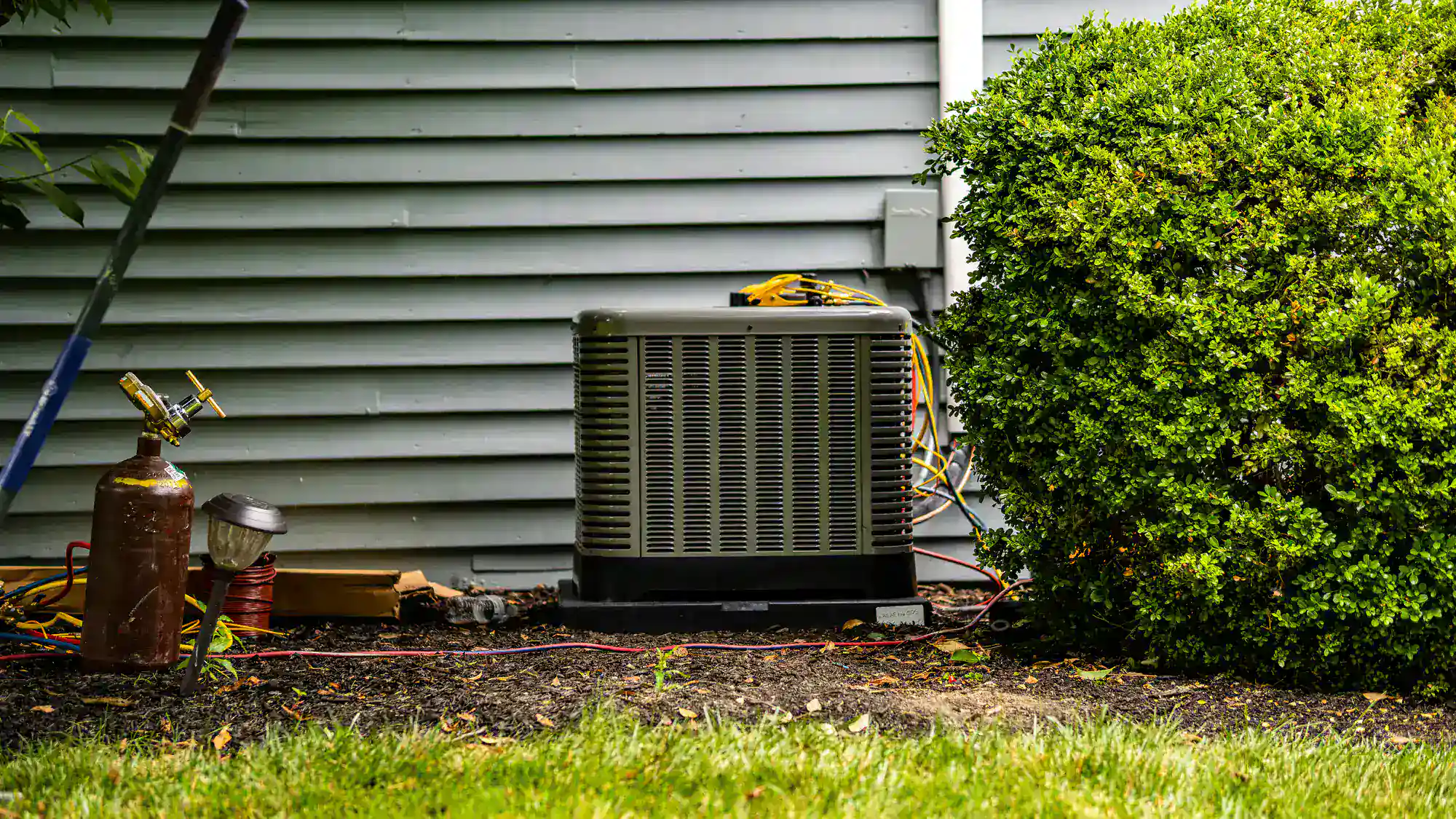
Brand and efficiency level affect pricing significantly. Entry-level brands with SEER ratings around 16 to 20 cost less upfront but offer lower efficiency. Premium brands like Mitsubishi, Fujitsu, Carrier, and Daikin with SEER ratings of 25 to 35+ carry higher price tags but deliver substantial energy savings over time. A high-efficiency system might cost $1,500 to $3,000 more initially but can save hundreds of dollars annually on electricity.
Installation complexity impacts labor costs considerably. Wall-mounted indoor units are the most straightforward and cost-effective to install. Ceiling cassette units that sit flush with your ceiling require more involved installation and add $800 to $1,500 per unit. Concealed ducted mini splits that hide in soffits or above drop ceilings can add $1,000 to $2,000 per unit for ductwork fabrication.
Line-set length affects material and labor costs. Standard installations use 15 to 25 feet of refrigerant lines. Longer runs to reach second-floor units or outdoor condensers placed far from indoor units add $15 to $30 per additional foot. Difficult routing through walls, around obstacles, or requiring wall chases increases labor time and expense.
Electrical requirements can add costs if your home needs upgrades. Each outdoor unit requires a dedicated 208-240V circuit rated for 15 to 40 amps depending on system size. If your electrical panel is full, you may need a subpanel ($1,800 to $3,000) or full panel upgrade (starting at $4,800). Some homes need only minor electrical work, while older properties with outdated panels require more extensive upgrades.
Permits and inspections are required for mini split installations in Sacramento County. Permit fees typically range from $250 to $400. Professional HVAC contractors handle the permitting process and coordinate required inspections to ensure code compliance. Skipping permits might save money short-term but can create problems when selling your home or filing insurance claims.
The installation location and accessibility matter. Ground-level installations with easy access cost less than installations requiring ladders, scaffolding, or work in tight spaces. Homes with complex layouts, multiple stories, or challenging access points increase labor hours and difficulty.
The upfront cost of a ductless system might seem high compared to replacing a central AC unit—if you already have ductwork. But that comparison changes dramatically when you factor in the full picture. Installing new ductwork in a home without it costs $5,000 to $15,000 or more depending on home size and complexity. Ductless systems eliminate that expense entirely while delivering superior efficiency.
Energy savings offset the initial investment over time. Traditional ducted systems lose 25 to 30% of treated air through leaks, poor insulation, and inefficient routing. You’re literally paying to heat or cool your attic, crawlspace, and wall cavities. Ductless systems deliver 100% of treated air directly into living spaces with zero duct losses.
Inverter technology and high SEER ratings amplify savings. A mini split with a SEER rating of 25 uses roughly 40% less electricity than a standard 14 SEER central system to deliver the same cooling. In Sacramento County where air conditioners run hard from May through September—and PG&E’s time-of-use rates hit hardest during peak afternoon hours—that efficiency compounds into substantial monthly savings. Many homeowners report cutting their cooling costs by 30 to 50% after switching to ductless.
Zoning capabilities create additional savings. Traditional central air conditions your entire home to one temperature whether rooms are occupied or not. With a multi-zone mini split, you can turn off or set back temperatures in unused bedrooms, guest rooms, or other spaces. Conditioning only occupied areas reduces runtime and energy consumption significantly.
Federal tax credits and local utility rebates improve the value proposition. The Inflation Reduction Act offers tax credits up to $2,000 for qualifying ENERGY STAR certified heat pumps installed by licensed contractors. SMUD (Sacramento Municipal Utility District) provides additional rebates for high-efficiency mini split systems. These incentives can offset 15 to 30% of installation costs, shortening payback periods.
Properly maintained ductless systems last 15 to 20+ years compared to 10 to 12 years for neglected traditional systems. The longer lifespan spreads the initial investment over more years of service. Monthly energy savings, reduced repair costs (inverter systems have fewer mechanical stress points), and extended equipment life combine to make ductless systems a solid long-term investment for most Sacramento homeowners.
The decision ultimately depends on your specific situation. Homes without existing ductwork, room additions, older properties in areas like Midtown or East Sacramento with aging duct systems, or situations where you want zoned comfort all favor ductless. If you already have well-sealed, properly sized ductwork and your central system meets your needs, replacement might make more sense. But for many Sacramento County, CA homeowners, ductless systems deliver comfort, efficiency, and cost savings that traditional systems simply can’t match.
Ductless heating and cooling systems make sense when you need efficient comfort without the limitations of traditional ductwork. They’re ideal for older Sacramento homes, room additions, converted spaces, or anywhere you want individual control over temperatures. The combination of high efficiency, zoned comfort, and year-round heating and cooling in one system addresses the specific challenges of Sacramento County’s extreme climate.
The upfront investment is real, but so are the long-term savings. Lower energy bills, reduced maintenance costs, longer equipment life, and available rebates make ductless systems a smart choice for many homeowners. The key is working with licensed, insured professionals who understand proper sizing, installation requirements, and Sacramento’s unique HVAC demands.
If you’re considering a ductless system for your home, we can help you evaluate your options and determine the right solution for your specific situation. Our licensed technicians serve Sacramento and Placer counties with transparent pricing, professional installation, and expertise in energy-efficient systems designed for California’s climate.
Article details:
Share:
Continue learning: