Mini splits AC are ductless heating and cooling systems perfect for Sacramento homes without existing ductwork, offering zone control and 30-40% energy savings year-round.
Share:
Summary:
You’re researching cooling options for your Sacramento home and keep seeing “mini splits AC” mentioned everywhere. Maybe you’re dealing with a room addition that never gets comfortable, an older home without ductwork, or you’re just tired of sky-high energy bills during those brutal 100-degree summers. Mini splits have become increasingly popular in Sacramento County for good reason—they solve real problems that traditional HVAC systems can’t handle efficiently. This guide breaks down exactly what these ductless systems are, how they work, and whether they’re the right fit for your home’s specific needs.
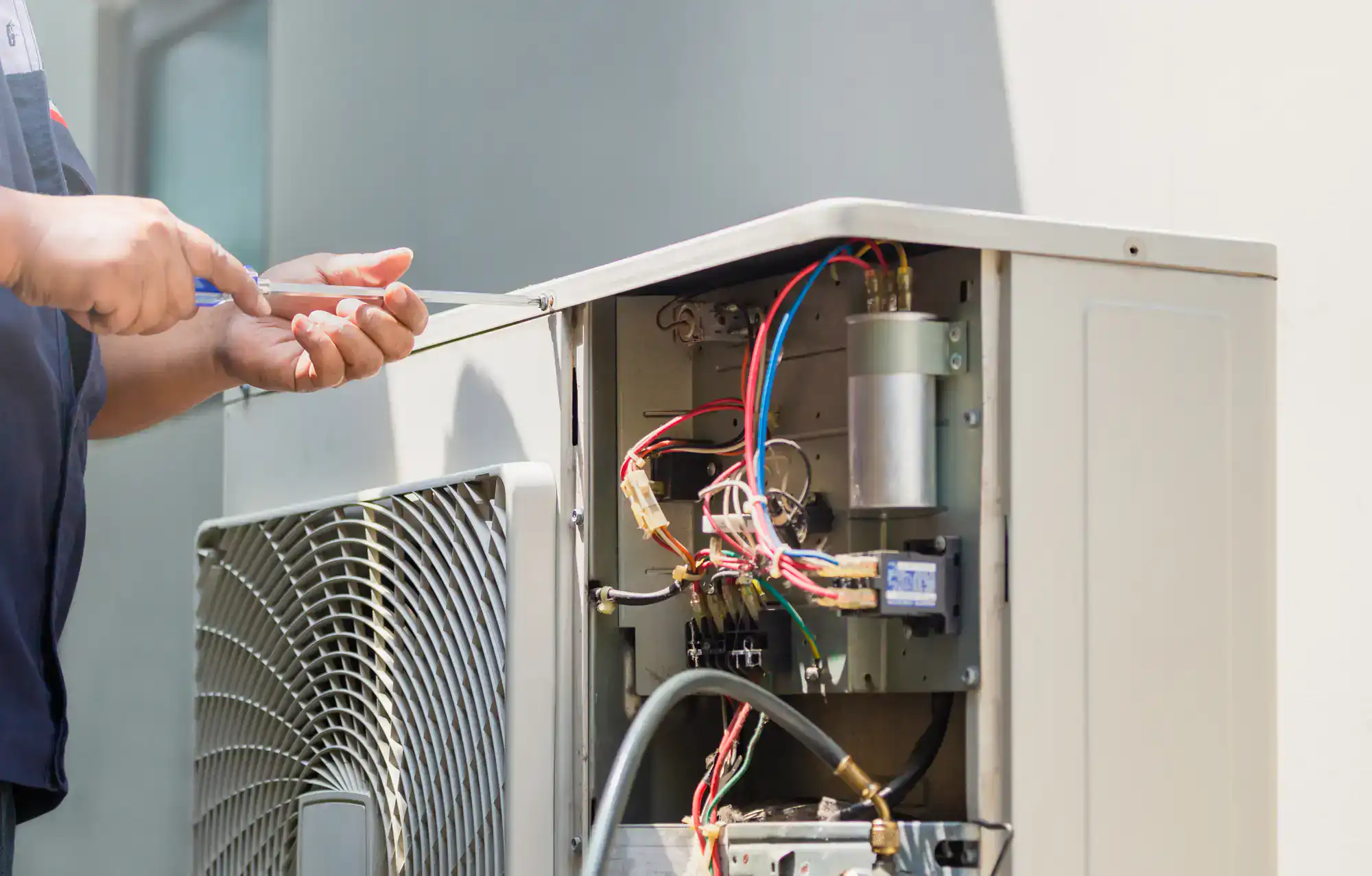
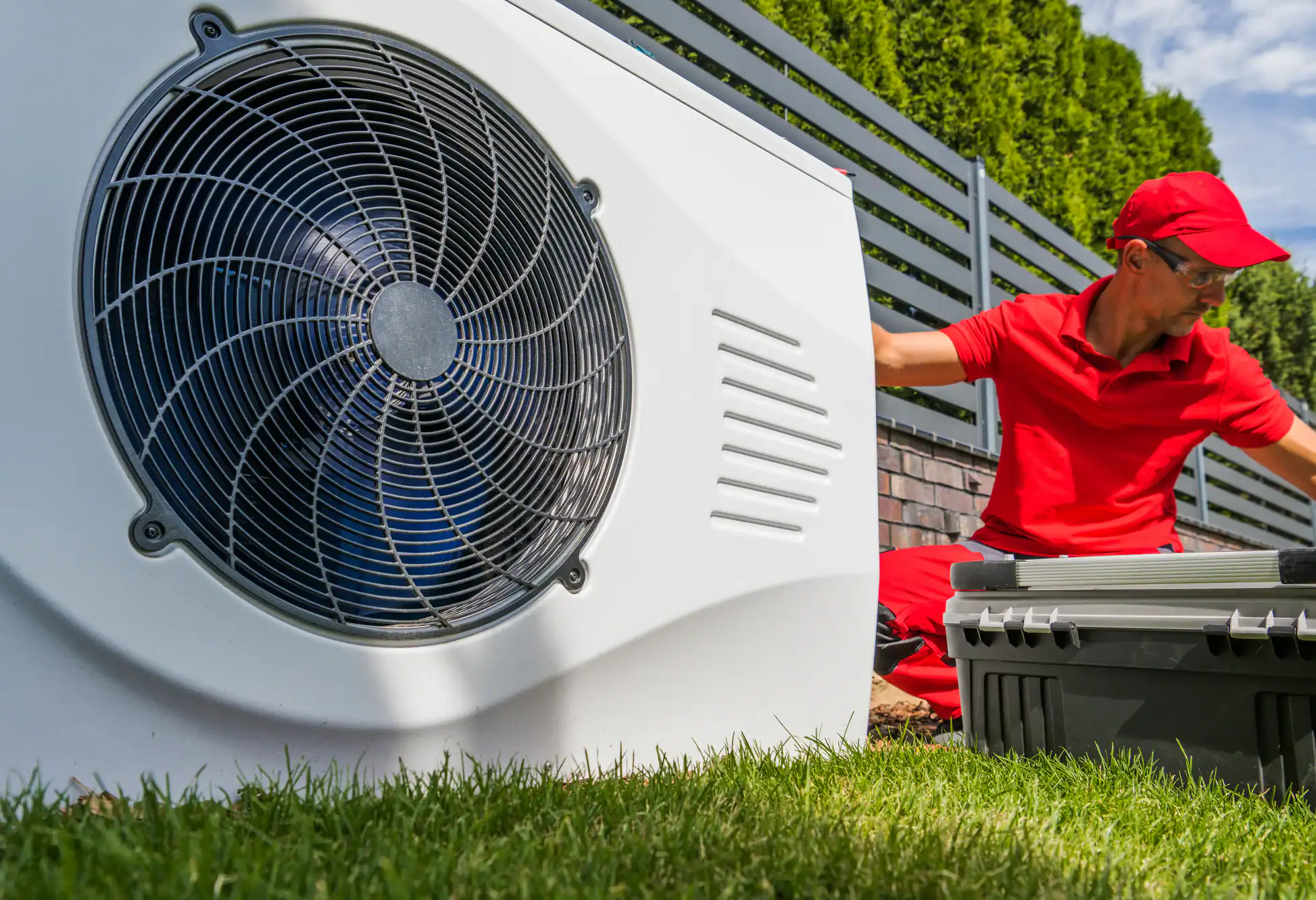
A mini split AC is a ductless heating and cooling system that delivers climate control without requiring the extensive ductwork that traditional central air systems need. The system consists of two main components working together: an outdoor compressor/condenser unit and one or more indoor air-handling units mounted on walls or ceilings inside your home.
These two components connect through a small conduit—typically requiring just a 3-inch hole through your wall—that houses the refrigerant lines, power cable, and condensate drain. This design is why they’re called “split” systems: the noisy compressor work happens outside, while the quiet indoor units deliver conditioned air directly into each room.
What makes mini splits particularly valuable for Sacramento homeowners is their dual functionality. These systems don’t just cool your home during those scorching summer months when temperatures regularly exceed 100 degrees. They also provide efficient heating during cooler winter evenings, functioning as heat pumps that transfer thermal energy rather than generating it through combustion.
The technology behind mini splits is actually straightforward once you understand the basics. Instead of creating hot or cold air from scratch, these systems move heat from one place to another—a process that’s significantly more energy-efficient than traditional heating and cooling methods.
During Sacramento’s hot summers, the outdoor unit extracts heat from inside your home and releases it outside, effectively cooling your indoor spaces. The refrigerant circulates through the system, absorbing heat from your indoor air through the evaporator coil in the wall unit, then carrying that heat outside where it’s expelled through the condenser. Cool air then blows directly from the indoor unit into your room.
When winter arrives, the system reverses this process. Even when outdoor temperatures drop, there’s still heat energy in the outside air. The mini split’s heat pump technology extracts this heat and transfers it indoors. This is why mini splits are often 2-4 times more efficient than furnaces or baseboard heaters—they’re moving existing heat rather than burning fuel to create it.
The real efficiency advantage comes from inverter technology. Unlike traditional systems that cycle on and off at full blast, mini splits use variable-speed compressors that adjust their output in real-time. If your room needs just a little cooling, the system runs at lower capacity. If temperatures spike, it ramps up. This continuous, modulated operation eliminates the energy waste that comes from constant starting and stopping, and it keeps your room at a more consistent temperature.
This technology is particularly valuable in Sacramento County, where temperature swings can be dramatic. Your system isn’t working overtime trying to catch up—it’s making small, efficient adjustments throughout the day. That’s how homeowners see energy savings of 30-40% compared to traditional systems, and why mini splits can achieve SEER ratings of 20-35 compared to 15-25 for standard central air systems.
Not all mini split systems are configured the same way, and understanding the difference between single-zone and multi-zone setups helps you match the right system to your specific needs.
A single-zone mini split consists of one outdoor unit connected to one indoor unit. This configuration works perfectly for specific applications: a converted garage, a room addition that’s not connected to your existing ductwork, a home office that needs independent climate control, or a master bedroom where you want different temperatures than the rest of the house. Single-zone systems are typically more affordable, with installed costs starting around $3,000 to $5,000 depending on the unit size and installation complexity.
Multi-zone systems connect one outdoor unit to multiple indoor units—typically anywhere from two to eight separate zones throughout your home. Each indoor unit operates independently with its own thermostat or remote control, giving you precise room-by-room temperature management. This means you can keep your bedroom at 68 degrees for sleeping while the living room stays at 72 degrees, or you can turn off units in rooms you’re not using.
For Sacramento homeowners, this zone control becomes a significant advantage. Maybe your west-facing rooms get brutally hot in the afternoon sun while the rest of your house stays comfortable. With a multi-zone system, you can direct more cooling power exactly where it’s needed without overcooling other areas. You’re not paying to condition spaces you’re not actively using.
The outdoor compressor in a multi-zone system is sized to handle the combined capacity of all indoor units, though not all units typically run at full capacity simultaneously. Professional sizing calculations are critical here—we assess factors like room square footage, insulation quality, sun exposure, and ceiling height to ensure your system is neither undersized (struggling to keep up) nor oversized (cycling inefficiently).
Multi-zone systems require a larger upfront investment, generally ranging from $12,000 to $15,000 or more depending on the number of zones and system capacity. However, the long-term energy savings often offset this initial cost, especially when you factor in Sacramento’s long cooling season and the ability to avoid heating or cooling unoccupied rooms.
Want live answers?
Connect with a Hot & Cold HVAC expert for fast, friendly support.
Installing a mini split system isn’t a simple DIY project, and in California, there are important legal and safety reasons why professional installation is required. The process involves electrical work, refrigerant handling, structural penetrations, and permit compliance—all areas where proper licensing and expertise matter.
California building codes require permits for mini split installations to ensure safety, energy efficiency, and compliance with Title 24 energy standards. These permits aren’t bureaucratic red tape—they protect your home and your investment. Inspections verify that electrical connections are safe, refrigerant lines are properly installed, and the system meets all code requirements. Attempting to skip permits can result in fines, insurance complications, and problems when you eventually sell your home.
We hold the HVAC Pro License required for this type of work in Sacramento and Placer counties. Only licensed contractors can legally handle refrigerant lines, and only qualified electricians should manage the electrical connections that mini splits require. Our liability insurance coverage protects homeowners throughout the installation process, providing peace of mind that you won’t be liable if something goes wrong.
Professional mini split installation is a multi-step process that requires technical expertise and attention to detail. Understanding what’s involved helps you appreciate why this work demands licensed professionals rather than handyman services.
The process starts with a thorough assessment of your home. Our technicians perform load calculations—essentially determining how much heating and cooling capacity each room needs based on square footage, insulation levels, window placement, sun exposure, and Sacramento’s specific climate demands. Undersizing means your system will struggle during heat waves. Oversizing leads to short cycling, humidity problems, and wasted energy.
Next comes strategic placement decisions. The outdoor unit needs proper clearances for airflow and service access, protection from direct sun when possible, and positioning that minimizes noise impact on living spaces. Indoor units must be mounted where they can effectively distribute air throughout the room without blowing directly on occupants, with consideration for furniture placement and aesthetic preferences.
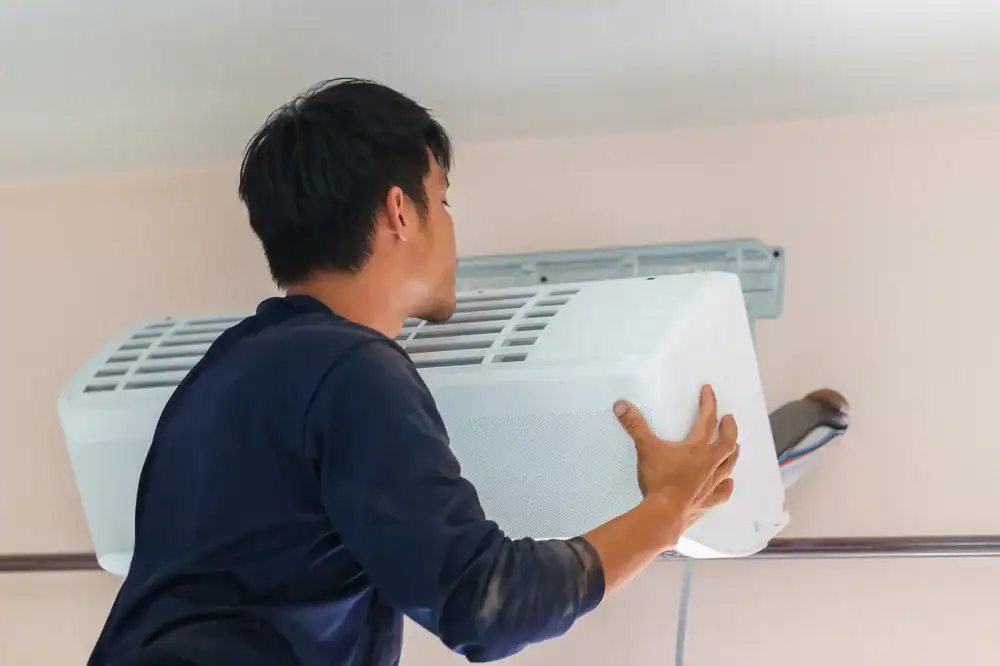
The actual installation involves mounting the indoor unit securely to wall studs, drilling the 3-inch penetration through the exterior wall, installing the outdoor unit on a stable pad or bracket, and running the refrigerant lines, electrical connections, and condensate drain through the wall penetration. All penetrations must be properly sealed and flashed to prevent water intrusion and air leaks.
Electrical work includes installing a dedicated circuit if needed, proper disconnect switches for both indoor and outdoor units, and ensuring all connections meet California Electrical Code requirements. Many homes need electrical service upgrades to handle the additional load, particularly when installing multi-zone systems.
The refrigerant system requires specialized equipment and certification. Technicians must pull a vacuum on the lines to remove moisture and air, test for leaks, and properly charge the system according to manufacturer specifications. This isn’t something you can eyeball—it requires gauges, recovery equipment, and knowledge of refrigerant properties and environmental regulations.
Finally, the system needs commissioning—verifying that all components operate correctly, airflow is balanced, drainage works properly, and controls are programmed appropriately. We test the system under actual operating conditions and make any necessary adjustments before considering the job complete.
Sacramento County’s permit requirements for mini split installations exist to protect homeowners and ensure systems are installed safely and efficiently. While the process might seem like an extra step, it’s actually working in your favor.
The permit application typically requires mechanical plans showing equipment placement, electrical plans detailing circuits and disconnect locations, manufacturer specifications for the equipment being installed, and proof of contractor licensing and insurance. We handle all permit paperwork as part of our installation service, ensuring nothing gets overlooked.
Inspections occur at specific points during installation. For most residential mini split projects, you’ll have at least one final inspection where the city or county verifies that installation meets all applicable codes. Larger or more complex installations may require additional inspections at rough-in stages before walls are closed up or lines are concealed.
Inspectors check several critical safety items: proper electrical connections and disconnect switches, adequate clearances around equipment, secure mounting of indoor and outdoor units, proper refrigerant line installation with UV-resistant insulation, correct condensate drain installation with cleanouts, and verification that the system matches the permitted plans.
Code compliance isn’t just about passing inspection. Proper installation protects your home from potential hazards like electrical fires, refrigerant leaks, water damage from improper drainage, or structural issues from incorrectly mounted equipment. It also ensures your system operates at peak efficiency, delivering the energy savings that make mini splits attractive in the first place.
When you work with our licensed technicians, you’re getting professionals who understand Sacramento County’s specific requirements and have relationships with local inspectors. We know what inspectors look for, we install systems correctly the first time, and we handle any inspector questions or concerns. You’re not left trying to navigate the permit process yourself or dealing with failed inspections.
Mini splits AC offer Sacramento County homeowners a proven solution for efficient, flexible heating and cooling—particularly in situations where traditional ductwork isn’t practical or cost-effective. These ductless systems deliver real energy savings, typically 30-40% compared to conventional HVAC, while providing the zone control that makes sense for how you actually use your home.
The technology isn’t complicated once you understand the basics: an outdoor unit and indoor air handlers working together to move heat where you need it, whether that’s outside during summer or inside during winter. The key to getting these benefits is proper installation by licensed professionals who understand Sacramento’s climate challenges, California’s permit requirements, and the technical details that separate an efficient system from one that underperforms.
If you’re considering a mini split system for your home—whether for a room addition, a whole-house solution, or supplemental cooling in problem areas—we bring the HVAC Pro License, liability insurance coverage, and local expertise needed for installations that meet code requirements and deliver long-term performance. Our technicians serve both Sacramento and Placer counties with same-day service availability and transparent pricing that eliminates surprises. Reach out to us to discuss your specific situation and explore whether mini split heating and cooling makes sense for your home.
Article details:
Share:
Continue learning: