Heating contractors across Sacramento County, CA are shifting their recommendations toward heat pump technology and whole-home electrification. Here's what's driving the change and what it means for your home.
Share:
Summary:
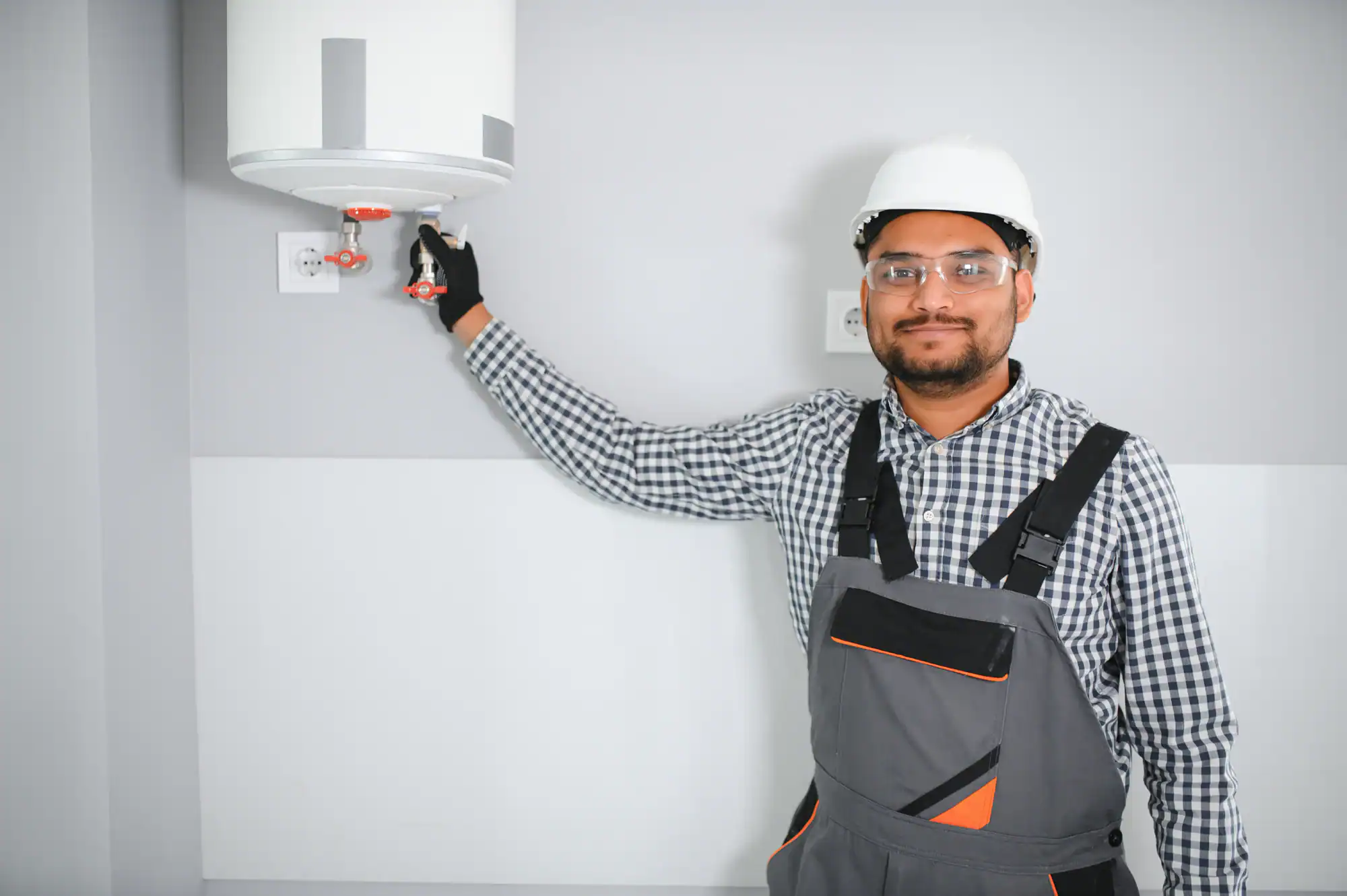
Home electrification means replacing gas-burning appliances with electric alternatives that run on electricity instead of natural gas or propane. For most Sacramento County, CA homeowners, this conversation centers on your heating and cooling system—the biggest energy user in your home.
Instead of a gas furnace for winter and an air conditioner for summer, you install a heat pump that handles both. It’s one system doing the work of two, and it does it by moving heat rather than burning fuel to create it. That fundamental difference is why heat pumps deliver three times the efficiency of gas furnaces and why we can promise $500 in annual energy savings without exaggerating.
The “whole-home” part refers to going beyond just your HVAC system. It includes your water heater, potentially your stove, and your clothes dryer. The goal is eliminating gas service to your home entirely, which cuts your carbon footprint reduction dramatically and simplifies your utility situation to one bill instead of two.

Five years ago, most heating contractors in Sacramento County, CA would have steered you toward a high-efficiency gas furnace without hesitation. The technology was proven, the upfront cost was predictable, and natural gas was cheap. That calculus has changed completely.
California’s regulatory environment shifted dramatically. The state set a 2030 ban on the sale of new gas furnaces and water heaters, which means any gas system you install now has a limited runway before replacement parts become harder to source and technician expertise dwindles. We think long-term and don’t want to sell you something that’s being phased out.
SMUD’s rebate structure made the financial case undeniable. In February 2026, SMUD increased rebates to offset the expiration of federal tax credits and state programs. You can now get up to $4,000 for switching from gas to electric on your water heater and up to $3,000 for your HVAC system. Those aren’t small numbers—they close the gap between gas and electric installation costs significantly.
The technology itself improved. Early heat pumps struggled in cold weather and couldn’t match the “blast of heat” feeling that gas furnaces provided. Modern variable-speed heat pumps with inverter-driven compressors solve both problems. They maintain consistent temperatures without the temperature swings, run quieter, and work efficiently even when Sacramento’s winter nights dip into the 30s and 40s.
We also started seeing the operational savings firsthand. SMUD’s electricity rates run roughly 50% lower than neighboring utilities like PG&E, which makes the economics of heat pumps work particularly well here. When our customers start reporting $500 annual savings on their energy bills, we pay attention. That’s real money, year after year, and it compounds over the life of the system.
The indoor air quality factor became impossible to ignore. Gas appliances release combustion byproducts into your home—nitrogen dioxide, carbon monoxide, particulate matter. Heat pump technology eliminates that entirely because there’s no combustion happening inside your house. For families with asthma, young children, or elderly members, that’s not a minor consideration. It’s a health issue.
Geography matters more than most people realize when it comes to heat pump technology performance. Sacramento County, CA sits in a sweet spot that makes this technology work exceptionally well compared to most of the country.
Heat pumps move heat from one place to another. In winter, they extract warmth from outdoor air and transfer it inside. The colder it gets outside, the harder the system has to work to find and move that heat. In places like Minnesota or upstate New York where temperatures regularly drop below freezing, heat pumps have to work significantly harder or rely on backup electric resistance heating, which drives up costs.
Sacramento’s winter rarely presents that challenge. Average low temperatures in December and January hover in the low 40s. Even on the coldest nights, you’re typically looking at temps in the mid-30s. Modern heat pumps are engineered to operate efficiently well below those temperatures. The system isn’t straining—it’s working within its optimal range.
Summer performance is equally important. Sacramento’s hot, dry summers mean air conditioning isn’t optional, it’s essential. A heat pump functions exactly like a traditional air conditioner in cooling mode, and newer models with high SEER ratings actually cool more efficiently than older AC units. You’re getting better performance on both ends of the temperature spectrum.
The mild shoulder seasons—spring and fall—are where heat pumps really shine in this region. When overnight lows drop into the 50s but daytime highs reach the 70s, a heat pump can modulate its output to match exactly what your home needs. Gas furnaces and traditional AC units cycle on and off, creating temperature swings. Variable-speed heat pumps adjust continuously, maintaining consistent comfort without wasting energy.
Humidity levels matter too. Sacramento’s relatively low humidity means heat pumps don’t have to work as hard to manage moisture in cooling mode. In humid climates, HVAC systems spend significant energy removing moisture from the air. Here, that’s less of a concern, which translates to better efficiency and lower operating costs for your whole-home electrification.
The Sacramento Valley’s consistent weather patterns also mean fewer extreme temperature events that stress HVAC systems. You’re not dealing with sudden cold snaps that push equipment to its limits or prolonged heat waves that cause systems to run continuously for weeks. The climate is demanding but predictable, and heat pump technology handles predictable demand very well.
This regional advantage is why we in Sacramento County, CA can confidently recommend heat pumps while our counterparts in colder climates might still hedge. The technology works everywhere, but it works particularly well here. And when you combine that climate advantage with SMUD’s lower electricity rates, you end up with a scenario where the operational savings are real and measurable, not theoretical.
Want live answers?
Connect with a Hot & Cold HVAC expert for fast, friendly support.
The phrase “gas-to-electric conversion” sounds more complicated than it usually is, but it’s worth understanding what actually happens when you make the switch. The process varies depending on your home’s current setup, but the core steps are consistent across most Sacramento County, CA homes.
First, we assess your existing system and electrical infrastructure. Most newer homes have 200-amp electrical service, which is typically sufficient for a heat pump HVAC system and heat pump water heater. Older homes might have 100-amp service, which may require a panel upgrade. SMUD offers HVAC energy rebates up to $2,000 to help cover electrical panel upgrades when you’re converting from gas to electric, so that cost isn’t as prohibitive as it might seem.
The actual equipment installation follows standard HVAC replacement procedures. If you already have ductwork for a forced-air system, a central heat pump connects to that existing infrastructure. If you don’t have ducts or you’re dealing with an addition or specific rooms that need climate control, ductless mini-split heat pumps offer a flexible alternative.
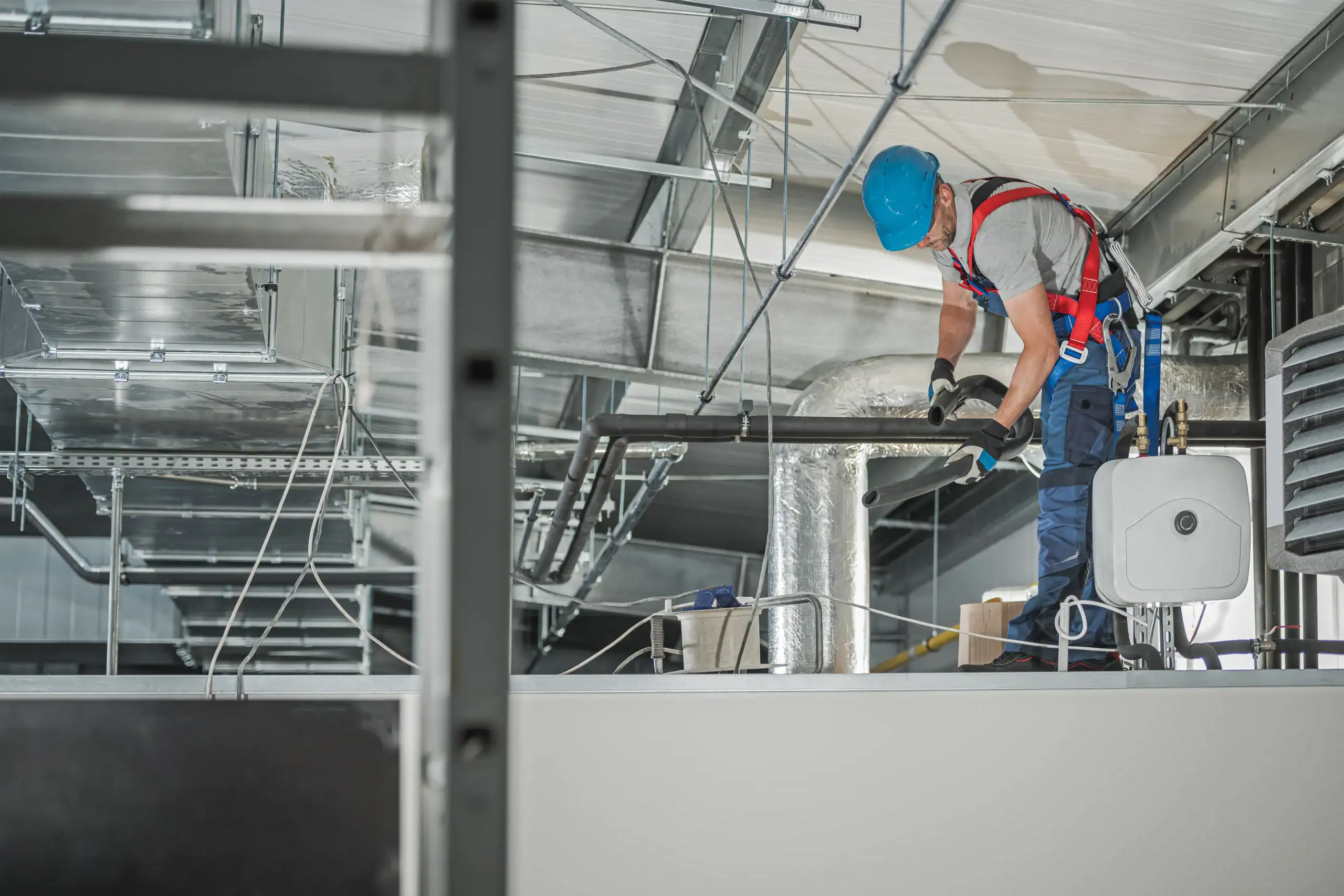
One of the most common questions homeowners have is what happens to the gas lines once you’ve converted your major appliances to electric. The answer depends on whether you’re doing a full home electrification or a partial conversion.
If you’re eliminating all gas appliances—HVAC, water heater, stove, and dryer—you can cap your gas lines and potentially disconnect gas service entirely. This is the “whole-home electrification” approach that qualifies for the highest rebate tiers from programs like California Energy Smart Homes. Capping gas lines is straightforward work that we or a licensed plumber handle. The gas meter gets removed, and you’re done paying gas utility bills.
Some Sacramento County, CA homeowners prefer a phased approach. You might start with the HVAC system because that’s what needs replacing right now, but keep your gas water heater and stove for the time being. That’s perfectly fine. You’ll still qualify for SMUD’s HVAC energy rebates on the heat pump HVAC conversion, though you won’t access the additional whole-home electrification incentives until you complete the full transition.
The existing ductwork in your home typically doesn’t need replacement during a gas-to-electric conversion. Heat pumps use the same air distribution system that your gas furnace used. We inspect the ducts for leaks and proper sealing—leaky ducts undermine efficiency regardless of what equipment you’re running—but the ductwork itself remains functional.
One infrastructure consideration that surprises some homeowners is the condensate drain. Heat pumps produce condensation year-round, not just in cooling mode like a traditional AC. If your gas furnace didn’t have a condensate drain (older non-condensing furnaces don’t), we’ll need to add one. This is routine work, but it’s part of the conversion process.
Your thermostat will likely need upgrading. Modern heat pumps work best with programmable or smart thermostats designed for heat pump systems. These thermostats understand how to manage the system’s variable-speed operation and avoid triggering backup heat unnecessarily. The thermostat upgrade is usually included in the installation quote, but it’s worth confirming.
Ventilation requirements change when you eliminate gas appliances. Gas furnaces and water heaters need combustion air and exhaust venting. Once those appliances are gone, those vents can be sealed and removed. This actually improves your home’s envelope by eliminating penetrations that can leak conditioned air. Some homeowners use this as an opportunity to add insulation in areas where gas venting previously created obstacles.
The timeline for a typical gas-to-electric HVAC conversion runs two to three days for most homes. Day one involves removing the old equipment and preparing the site. Day two covers the new heat pump installation, electrical connections, and system startup. Day three, if needed, handles any ductwork modifications or thermostat programming. You’re not looking at a weeks-long construction project—it’s a focused equipment replacement that your household can plan around.
The rebate landscape in early 2026 looks different than it did even six months ago, and understanding what’s currently available helps you maximize your savings on a gas-to-electric conversion in Sacramento County, CA.
SMUD increased its residential rebate levels in February 2026 specifically to offset the expiration of federal tax credits at the end of 2025. The current structure offers up to $4,000 for gas-to-electric heat pump water heater conversions, up to $3,000 for gas-to-electric heat pump HVAC system conversions, and $1,000 for electric-to-electric upgrades where you’re replacing an existing electric system with more efficient heat pump technology.
These are point-of-sale rebates we process for you, not tax credits you claim later. We handle the paperwork, submit the rebate application, and typically reduce your invoice by the rebate amount upfront. You’re not waiting months for a check or filing additional tax forms. The savings happen at installation.
The federal HEEHRA program, which provided income-qualified rebates of up to $8,000 for heat pump installations, reached full reservation in Northern California as of February 24, 2026. If you had an approved reservation before that date, your project can still proceed and receive those funds. New applications are on a waitlist pending additional federal funding. This is why SMUD’s increased HVAC energy rebates matter—they fill the gap created by HEEHRA’s depletion.
Some homeowners qualify for additional panel upgrade rebates when their electrical service needs expanding to support new heat pump equipment. SMUD offers up to $2,000 for electrical panel upgrades when you’re converting from gas to electric. This stacks with the equipment rebates, so if you need a 100-amp to 200-amp panel upgrade as part of your heat pump installation, you’re potentially looking at $5,000 to $6,000 in total HVAC energy rebates.
The California Energy Smart Homes program provides incentives for whole-home electrification projects where you convert all major appliances from gas to electric and cap your gas service. Base incentives start at $4,250, with bonuses available for advanced technologies like variable-capacity heat pumps and thermal energy storage. Total rebates can exceed $12,000 for comprehensive projects. This program requires pre-approval and has specific equipment requirements, so working with us—a heating contractor familiar with the application process—is important.
Timing matters with these programs. SMUD rebates are available on a first-come, first-served basis while funding lasts. The utility allocates a specific budget each year, and once it’s exhausted, new applications wait for the next funding cycle. This is one reason why we’re busier in late winter and early spring—homeowners who’ve been planning conversions want to secure rebates before the summer rush depletes available funds.
We provide a clear breakdown of which rebates apply to your specific project and handle the application process. If a heating contractor isn’t proactively discussing HVAC energy rebates or seems unfamiliar with current programs, that’s a red flag. We know this landscape inside and out because it directly affects our customers’ decisions and overall satisfaction with their gas-to-electric conversion.
The shift toward heat pump technology and home electrification isn’t happening because we’re chasing trends. It’s happening because the technology, economics, and regulatory environment have all aligned in a way that makes it the logical choice for most Sacramento County, CA homeowners replacing aging HVAC systems in 2026.
Your situation is unique—your home’s age, your current equipment, your electrical service, your budget, and your timeline all factor into the decision. But the fundamentals are clear. Heat pumps work exceptionally well in Sacramento’s climate. SMUD’s HVAC energy rebates significantly reduce upfront costs. The operational savings are real and measurable. The carbon footprint reduction is substantial. And the regulatory timeline means gas equipment you install today has a finite lifespan before it becomes obsolete.
If your furnace or AC is nearing the end of its life, now is the time to have a real conversation with us about your options. Not a sales pitch—a genuine consultation that looks at your home’s specific needs and shows you the actual numbers for gas-to-electric conversion. We can walk you through what whole-home electrification would look like for your property, help you understand which rebates you qualify for, and give you the information you need to make a decision that makes sense for your family and your budget.
Article details:
Share:
Continue learning: