Finding a reliable heating contractor in Sacramento County doesn't have to feel like gambling. Know what matters before your furnace quits on the coldest night.
Share:
Summary:
Reliability isn’t about who has the flashiest truck or the biggest ad budget. It comes down to three things: proper credentials, real experience, and how we treat your home and your time.
Start with licensing and insurance. Every heating contractor in California should carry a valid contractor’s license and current insurance certificates. This isn’t optional. If they can’t show you proof immediately, walk away. Licensing means they’ve met state requirements. Insurance protects you if something goes wrong during the job—and things can go wrong.
But credentials go deeper than a basic license. NATE certification is the gold standard in the heating and cooling industry, and it’s the clearest signal you’re dealing with someone who knows their craft. Not every contractor has it, but the ones who do have proven they can handle more than just basic repairs.
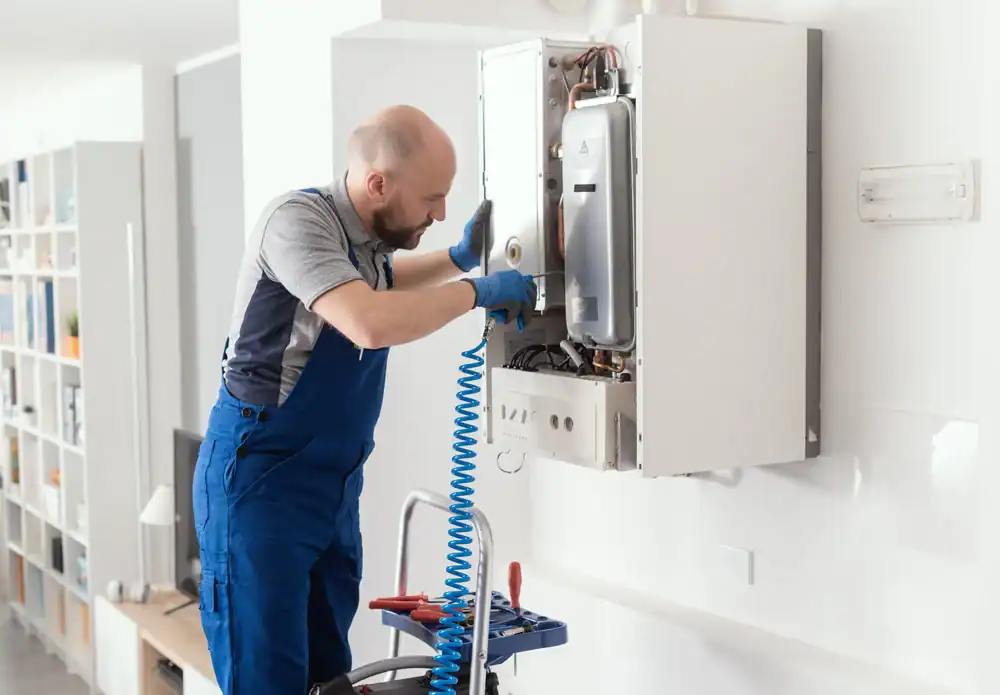
NATE stands for North American Technician Excellence, and it’s not something you pick up from a weekend seminar or online quiz. Technicians need at least two years of hands-on field experience before they’re even eligible to test. Then they face comprehensive exams covering everything from system fundamentals to installation, service, and troubleshooting.
What makes NATE different from other certifications? It’s not tied to any single manufacturer. Some contractors are certified on specific brands like Carrier or Trane—which is fine—but that only proves they know how to work on that particular equipment. NATE certification means the technician understands heating systems across the board. They can diagnose a variety of problems, work with different brands, and apply real knowledge to your specific situation instead of following a script.
Here’s something most homeowners don’t know: NATE certification expires every two years. Technicians have to recertify, which means they’re staying current with new technology, updated safety standards, and evolving industry practices. You’re not getting someone who learned the basics 15 years ago and never cracked open a manual again.
When you’re comparing heating contractors in Sacramento County, CA, ask about NATE certification directly. Don’t just accept “we’re certified” as an answer. Ask which technicians hold NATE credentials and in what specialties. It’s one of the clearest ways to separate contractors who invest in their team’s expertise from those who don’t. You want someone who can walk into your home, assess the situation accurately, and fix it right the first time. That level of skill doesn’t come from guesswork or YouTube tutorials.
Don’t just take their word for it. Verify everything before you sign anything or hand over a deposit. This takes 20 minutes and could save you thousands.
Start by checking the contractor’s license number with the California Contractors State License Board. You can do this online in about five minutes. The search will tell you if the license is active, if there are complaints filed against them, and whether they’re properly bonded. If a contractor hesitates to give you their license number or says they’ll “send it later,” that’s a massive red flag.
Next, ask for proof of insurance. A legitimate contractor will have both general liability insurance and workers’ compensation coverage. Request a copy of their insurance certificate and verify it’s current—not expired six months ago. This protects you if someone gets hurt on your property or if something gets damaged during the job. Without proper insurance, you could be held personally liable for injuries or accidents.
Check online reviews, but read them carefully. Look for patterns, not just star ratings. Do multiple customers mention the same technician by name? Do they talk about clear communication, showing up on time, and fair pricing? Or are the reviews vague and generic, like they were written by the owner’s cousin? Pay attention to how the company responds to negative feedback, too. A professional, measured response tells you a lot about how they handle problems when things go sideways.
Ask for references from recent jobs in Sacramento County, especially if you’re considering a major installation or replacement. Talk to those customers directly if possible. Ask about the contractor’s punctuality, how they left the worksite, whether the estimate matched the final bill, and if the system is performing as promised months later. Most reliable contractors are happy to connect you with satisfied customers. The ones who make excuses probably have a reason.
Finally, verify their experience with your specific type of system and your local area. Sacramento County has unique climate challenges—damp winters, dust from the Central Valley, sudden cold snaps, and fluctuating temperatures that can strain older systems. A heating contractor who’s worked here for years will understand how these factors affect furnaces and heat pumps. They’ll also know about local utility rebate programs through SMUD and PG&E that could save you serious money on energy-efficient upgrades.
Want live answers?
Connect with a Hot & Cold HVAC expert for fast, friendly support.
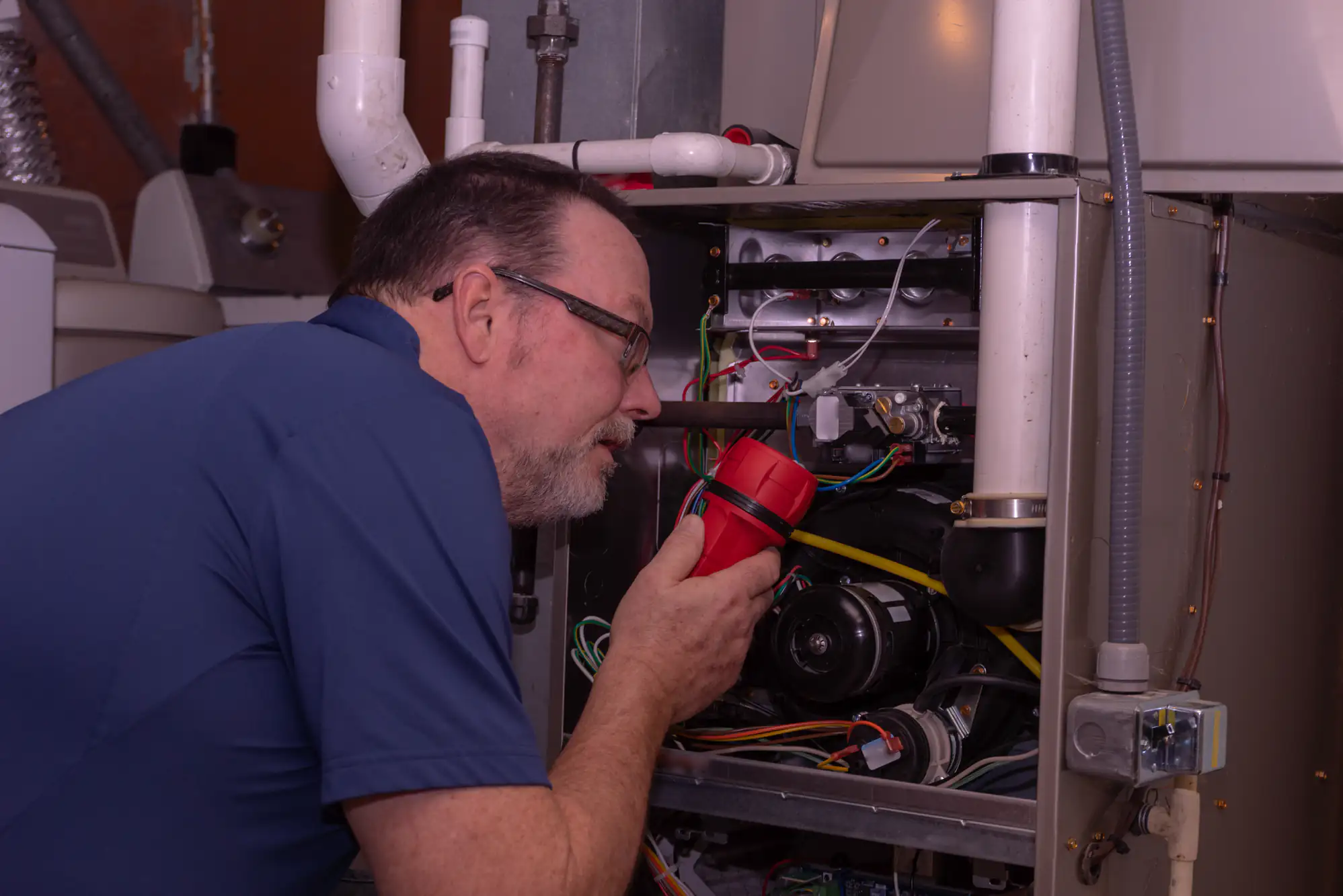
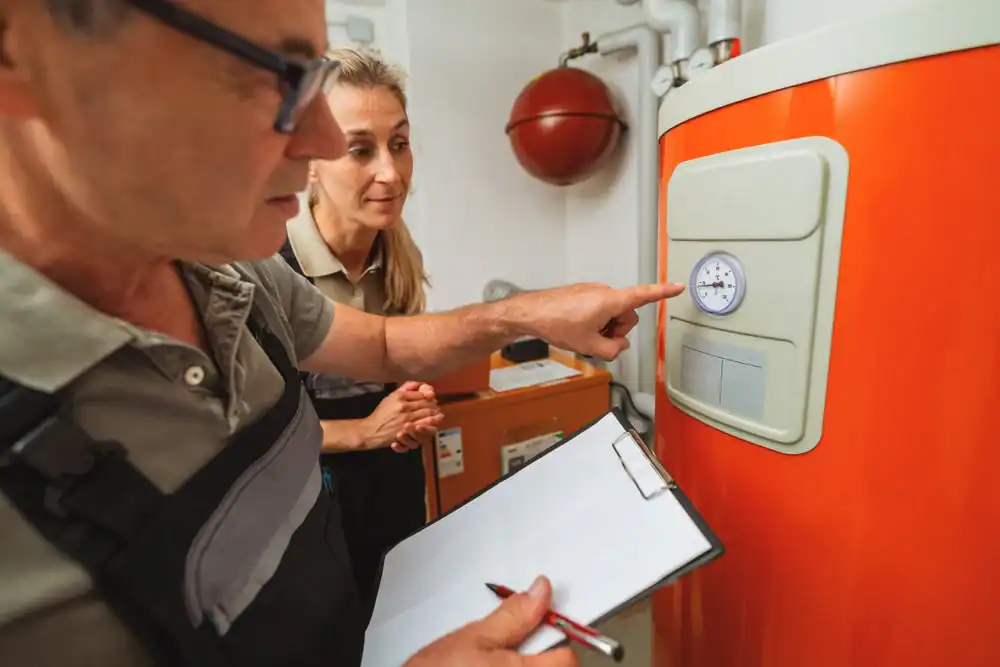
A proper heating system inspection isn’t a quick glance at your furnace and a thumbs-up. It’s a thorough evaluation of how your entire system is functioning, from the thermostat on your wall to the exhaust pipes venting outside your home.
Before we recommend anything—repair, replacement, or tune-up—we should spend real time in your home. We need to understand your system, your space, and what you’re actually experiencing. That means asking questions about your comfort, taking measurements, and testing components while the system is running. If someone shows up, spends ten minutes looking around, and immediately starts pitching you a $12,000 furnace replacement, be very skeptical.
The inspection should always cover safety first. Your contractor should check for gas leaks, inspect the heat exchanger for cracks, test carbon monoxide levels, and make sure the ventilation system is working properly. These aren’t optional nice-to-haves. They’re critical to keeping your family safe, especially in tighter, more energy-efficient homes where fresh air circulation can be limited.

Winter furnace prep in Sacramento County is about more than swapping out a filter and calling it good. A comprehensive pre-season inspection should cover every critical part of your heating system to make sure it’s ready when those damp, chilly nights hit.
The technician should start with your thermostat. We’ll check that it’s calibrated correctly, responding accurately to temperature changes, and communicating properly with the furnace. A faulty thermostat can cause all kinds of problems that look like major furnace issues but aren’t. Sometimes the fix is as simple as replacing batteries or adjusting placement away from a drafty window.
Next comes the furnace cabinet and interior components. We should open the unit and inspect it for rust, cracks, dirt buildup, or any signs of wear and damage. Accumulated dust and debris can block airflow, reduce efficiency, and even create fire hazards over time. We should clean the blower wheel, check the blower motor for proper operation, and make sure belts are properly tensioned if your system uses them.
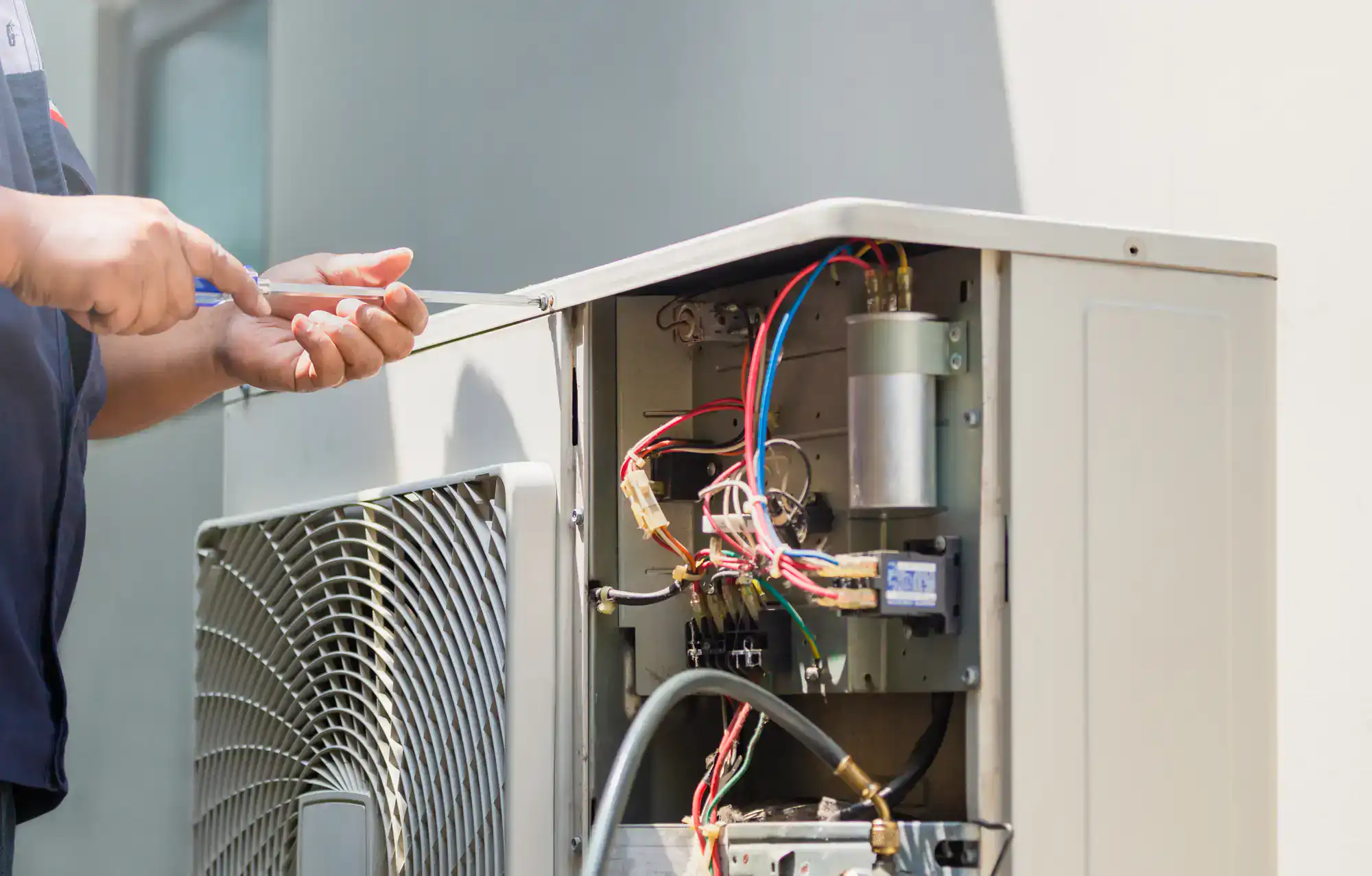
The electrical components need attention, too. Loose wiring, frayed connections, or damaged circuit boards can cause sudden system failures or create serious safety hazards. A good technician will inspect all electrical connections, tighten anything that’s loose, and flag any components showing signs of overheating or corrosion.
The ignition system is absolutely critical. Whether your furnace uses a pilot light or electronic ignition, it needs to be inspected for wear and tested to make sure it’s functioning reliably. A failing igniter is one of the most common reasons furnaces quit working on the coldest night of the year—usually at 2 AM when you least want to deal with it.
Air filters should be checked and replaced if needed. Clogged filters restrict airflow, force your system to work harder than it should, and reduce your indoor air quality. Your technician should also inspect visible ductwork for leaks, damage, or disconnected sections that waste heated air and drive up your energy bills for no reason.
The exhaust system and venting require careful inspection because problems here can be dangerous. We should check that exhaust pipes are properly pitched upward, free of blockages, and securely connected. We should inspect the chimney or flue for damage, water staining, rust, or improper connections. Issues in the venting system can lead to carbon monoxide buildup inside your home, which is odorless, invisible, and potentially deadly.
Finally, we should test your system under normal operating conditions. We’ll run the furnace through a complete heating cycle, measure supply temperatures at various vents, check airflow throughout your home, and listen for unusual noises that might indicate worn bearings or loose components. This real-world testing often reveals problems that wouldn’t show up during a visual inspection alone.
The questions you ask before hiring can save you from expensive mistakes and frustrating experiences. Here’s your HVAC contractor checklist—what to cover before you commit to working with anyone.
Ask how they’ll evaluate your home. A reliable contractor should talk about doing a proper assessment of your space, not just looking at your current furnace and quoting a replacement. We should mention checking your insulation, windows, ductwork, and airflow patterns. If we’re recommending a new system, ask if we’ll perform a Manual J load calculation. This industry-standard calculation factors in your home’s square footage, insulation levels, window quality, local climate, and other variables to determine the right system capacity. Bigger isn’t always better—an oversized system will cycle on and off constantly, wasting energy and wearing out components faster.
Ask for a written, itemized estimate. You should see exactly what you’re paying for—labor costs, parts, permit fees, any optional upgrades or add-ons. The estimate should also spell out warranty information, projected start and finish dates, and payment terms. If anything’s vague or missing, ask for clarification before you sign. Verbal promises mean nothing if they’re not in writing.
Ask about their experience with your specific type of system and your particular issue. If you have a heat pump, do they regularly service heat pumps or mostly work on gas furnaces? If your furnace is making a specific grinding noise, have they diagnosed and fixed that problem before? You want someone who’s confident because they’ve solved this exact issue dozens of times, not someone who’s figuring it out as they go and using your home as a training exercise.
Ask about response times and emergency availability. If your furnace quits on a Saturday night in December, can they help you? Do they offer 24/7 emergency service? What’s their typical response time for urgent calls? Knowing this upfront helps you understand what kind of support you’ll have if something goes wrong at the worst possible time.
Ask how they handle unexpected issues that come up during the job. Sometimes a repair uncovers additional problems—corroded pipes, damaged ductwork, outdated electrical connections. How do they communicate that to you? Will they call before doing extra work, or just add charges to the bill? How do they price those situations? A trustworthy contractor will have a clear, transparent process for handling surprises and won’t just tack on charges without discussing options with you first.
Ask about warranties and guarantees on both parts and labor. What’s covered if something goes wrong a week after they leave? A month? A year? How long is the warranty on parts versus labor? What does it take to keep the warranty valid? Some warranties require annual professional maintenance, so you need to know what you’re committing to upfront.
Finally, ask about their cleanup process and site protection. Will they use floor savers and protect your furniture? How do they handle dust and debris? Do they haul away old equipment, or is that your problem? Will they leave your home as clean as they found it? These details matter when someone’s working inside your home for several hours or multiple days.
Finding a reliable heating contractor comes down to doing your homework before you actually need one—not scrambling to find someone when your furnace dies at midnight. Verify credentials thoroughly, ask the right questions without apology, and trust your instincts when something feels off or too good to be true.
Look for NATE certification, proper California licensing, and current insurance that you’ve verified yourself. Expect a thorough evaluation of your home and your specific needs, not a quick sales pitch for the most expensive option. Insist on written estimates with clear, itemized terms. And choose someone with real, proven experience in Sacramento County, CA who understands how our unique climate—damp winters, Valley dust, and sudden temperature swings—affects heating systems over time.
When you find a contractor who checks all these boxes and treats your home with respect, you’re not just getting a furnace repair or installation. You’re getting peace of mind that the job will be done right, your family will stay safe and comfortable all winter, and you won’t be dealing with the same frustrating problem again next year. If you’re looking for that kind of reliable local heating service in Sacramento County, we’re here to help at Hot & Cold HVAC.
Article details:
Share:
Continue learning: