A complete walkthrough of the AC installation process in Sacramento County, from initial assessment to final testing and everything in between.
Share:
Summary:
Before any equipment arrives at your home, a proper AC installation starts with a thorough assessment of your space and cooling needs. This isn’t just about measuring square footage—it’s about understanding how Sacramento’s unique climate affects your specific home.
During the assessment, our technicians evaluate your home’s insulation, window placement, existing ductwork condition, and electrical capacity. We also consider factors like ceiling height, sun exposure, and the number of occupants. This comprehensive evaluation ensures your new system is properly sized for optimal efficiency and comfort.
The assessment also includes discussing your preferences for system type, whether that’s a traditional central air system, a ductless mini-split setup, or a heat pump that provides year-round comfort. Each option has distinct advantages depending on your home’s layout and your family’s needs.
The choice between central air and ductless mini-split systems often comes down to your home’s existing infrastructure and your comfort preferences. Central air systems work well when you have existing ductwork in good condition and want whole-home cooling from a single thermostat.
Ductless mini-split systems offer significant advantages for Sacramento homeowners, especially those without existing ductwork or who want zone control. These systems allow you to set different temperatures in different rooms, eliminating thermostat battles and reducing energy waste by only cooling occupied spaces. Installation is also less invasive since it only requires a small hole through an exterior wall rather than extensive ductwork modifications.
Mini-splits are particularly effective in Sacramento’s climate because they function as heat pumps, providing both powerful cooling during our scorching summers and efficient heating during cooler months. The installation process is typically faster and less disruptive than central air systems, often completed in a single day for single-zone units.
Energy efficiency is another major consideration. Mini-split systems eliminate energy loss through leaky ducts, which can account for up to 30% of energy consumption in traditional ducted systems. This targeted approach, combined with advanced inverter technology, means mini-splits consume less energy and deliver noticeable reductions in monthly utility bills.
For homes with specific cooling challenges—like additions, converted spaces, or rooms that don’t receive adequate airflow from existing systems—ductless mini-splits provide an ideal solution without requiring major renovations.
Proper system sizing is critical for efficient operation and long-term satisfaction with your AC installation. In Sacramento’s extreme climate, where temperatures regularly exceed 100°F, an undersized system will struggle to maintain comfort and run constantly, while an oversized system will short-cycle, leading to poor humidity control and higher energy bills.
Our professional technicians use Manual J load calculations to determine the exact cooling capacity your home requires. This process considers Sacramento-specific factors like our intense summer sun, the direction your home faces, and local climate data. The calculation accounts for your home’s thermal envelope—how well it retains conditioned air—including insulation levels, window efficiency, and air leakage.
The sizing process also considers your family’s usage patterns and comfort preferences. Factors like the number of occupants, heat-generating appliances, and even your cooking habits influence the cooling load. For Sacramento homes, we often recommend systems with slightly higher capacity to handle extreme heat events while maintaining efficiency during milder periods.
Proper sizing becomes even more important when considering Sacramento’s “Delta Breeze” phenomenon, where cool evening air can dramatically reduce cooling needs. A correctly sized system will modulate its output to take advantage of these natural cooling periods rather than fighting against them.
Modern variable-speed systems offer additional flexibility by adjusting their output based on real-time conditions. These systems can operate at lower capacities during moderate weather and ramp up during extreme heat, providing consistent comfort while maximizing energy efficiency throughout Sacramento’s varied seasonal conditions.
Want live answers?
Connect with a Hot & Cold HVAC expert for fast, friendly support.
Installation day typically begins early to take advantage of cooler morning temperatures and ensure completion before the day’s heat peaks. Our installation team arrives with all necessary equipment, permits, and materials, ready to transform your home’s comfort system in a matter of hours.
The actual timeline varies based on system complexity, but most straightforward installations take 4-8 hours for central air systems and can be completed in a single day for ductless mini-splits. More complex installations involving ductwork modifications or electrical upgrades may extend into a second day.
Our installation team will protect your home with drop cloths and take care to minimize disruption to your daily routine. We’ll also walk you through the process so you understand what’s happening at each stage.
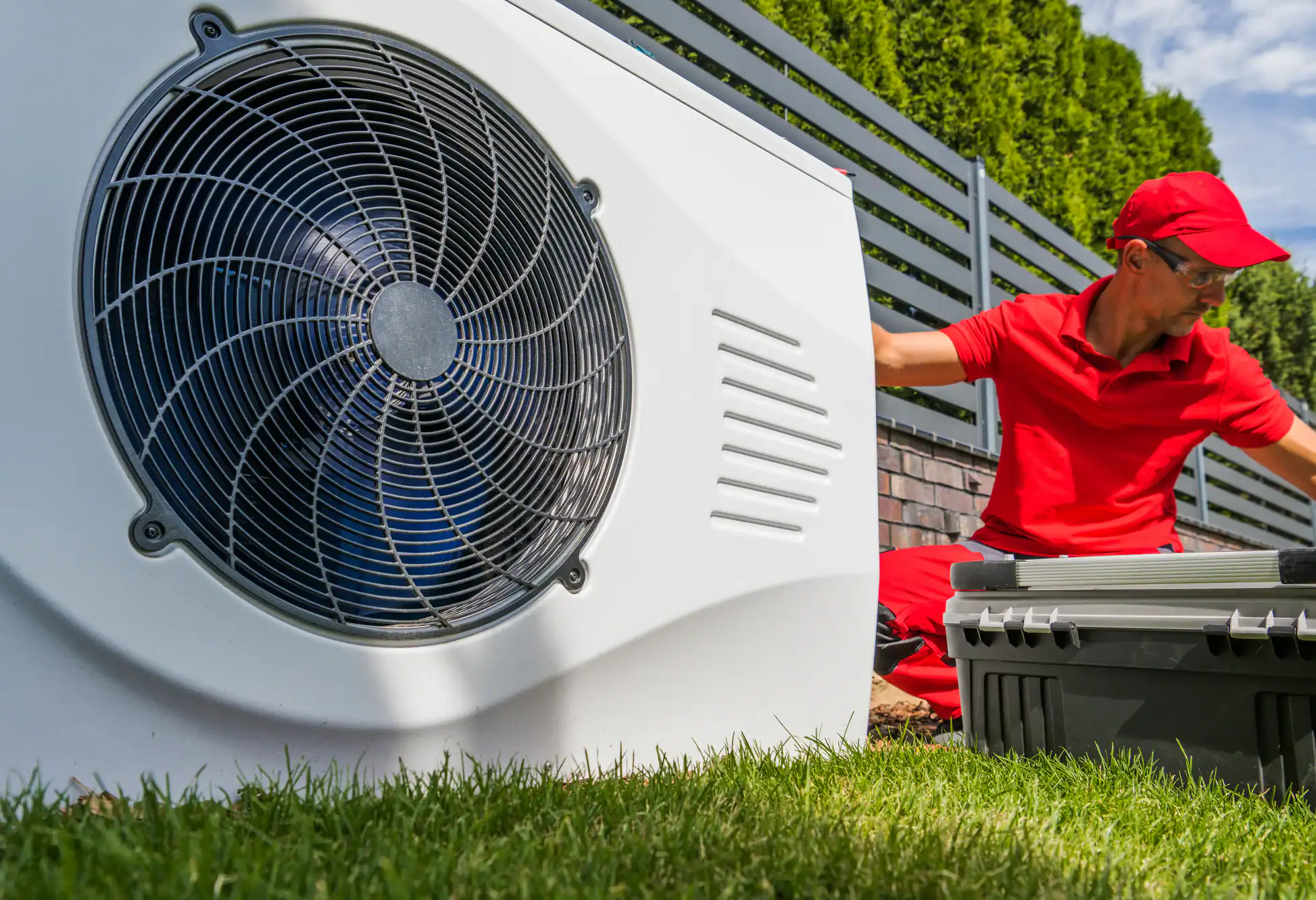
The physical installation process begins with positioning the outdoor and indoor units in their designated locations. For central air systems, this involves placing the outdoor condenser unit on a level pad and ensuring proper clearances for airflow and service access. The indoor evaporator coil is typically installed in conjunction with your furnace or air handler.
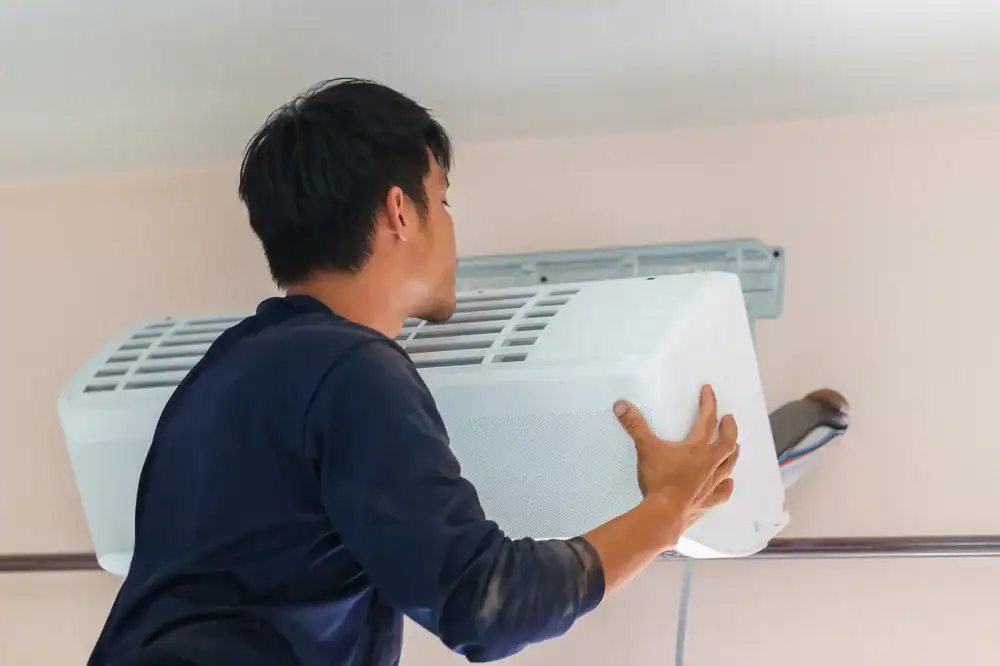
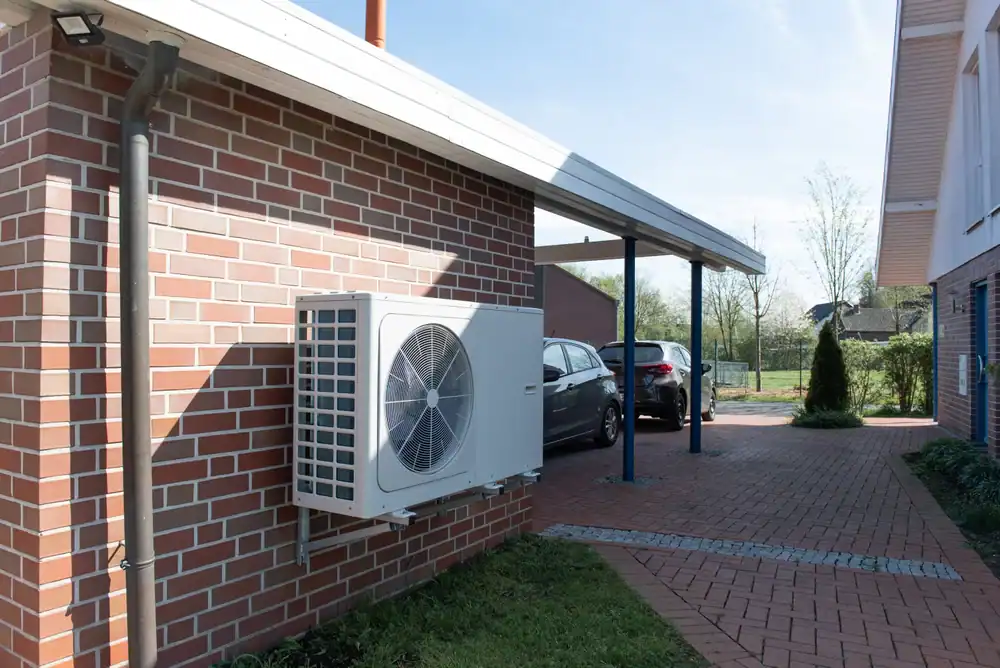
For ductless mini-split systems, installation starts with mounting the indoor air handlers on interior walls, ensuring optimal placement for air distribution and avoiding direct sunlight or obstructions. The outdoor unit is positioned to allow adequate airflow while minimizing noise impact on your living spaces.
The connection phase involves running refrigerant lines, electrical wiring, and drain lines between the units. These connections must be precisely executed to ensure system efficiency and longevity. Refrigerant lines are carefully measured, cut, and connected with proper insulation to prevent energy loss and condensation issues.
Electrical connections require special attention to safety codes and proper grounding. Many installations require dedicated electrical circuits, and our technicians will verify that your home’s electrical panel can handle the new system’s requirements. If upgrades are needed, licensed electricians will complete this work before system startup.
All connections are thoroughly sealed and insulated to prevent air leaks and improve energy efficiency. This includes sealing penetrations through walls and ensuring that all ductwork connections are properly secured and insulated to prevent energy loss.
Before considering the installation complete, our technicians perform comprehensive testing to verify proper operation and performance. This testing phase is crucial for ensuring your system will perform reliably during Sacramento’s demanding summer conditions.
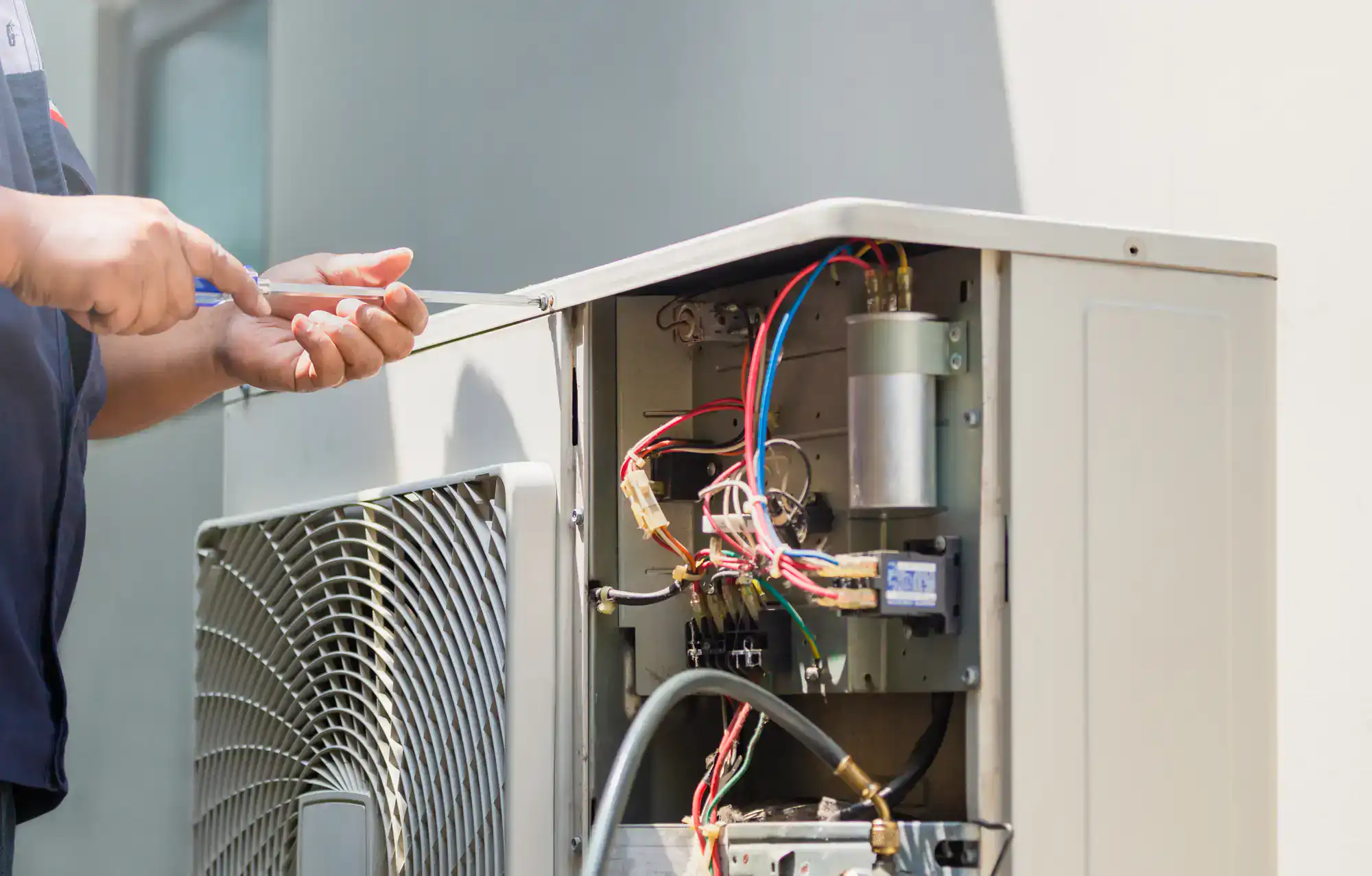
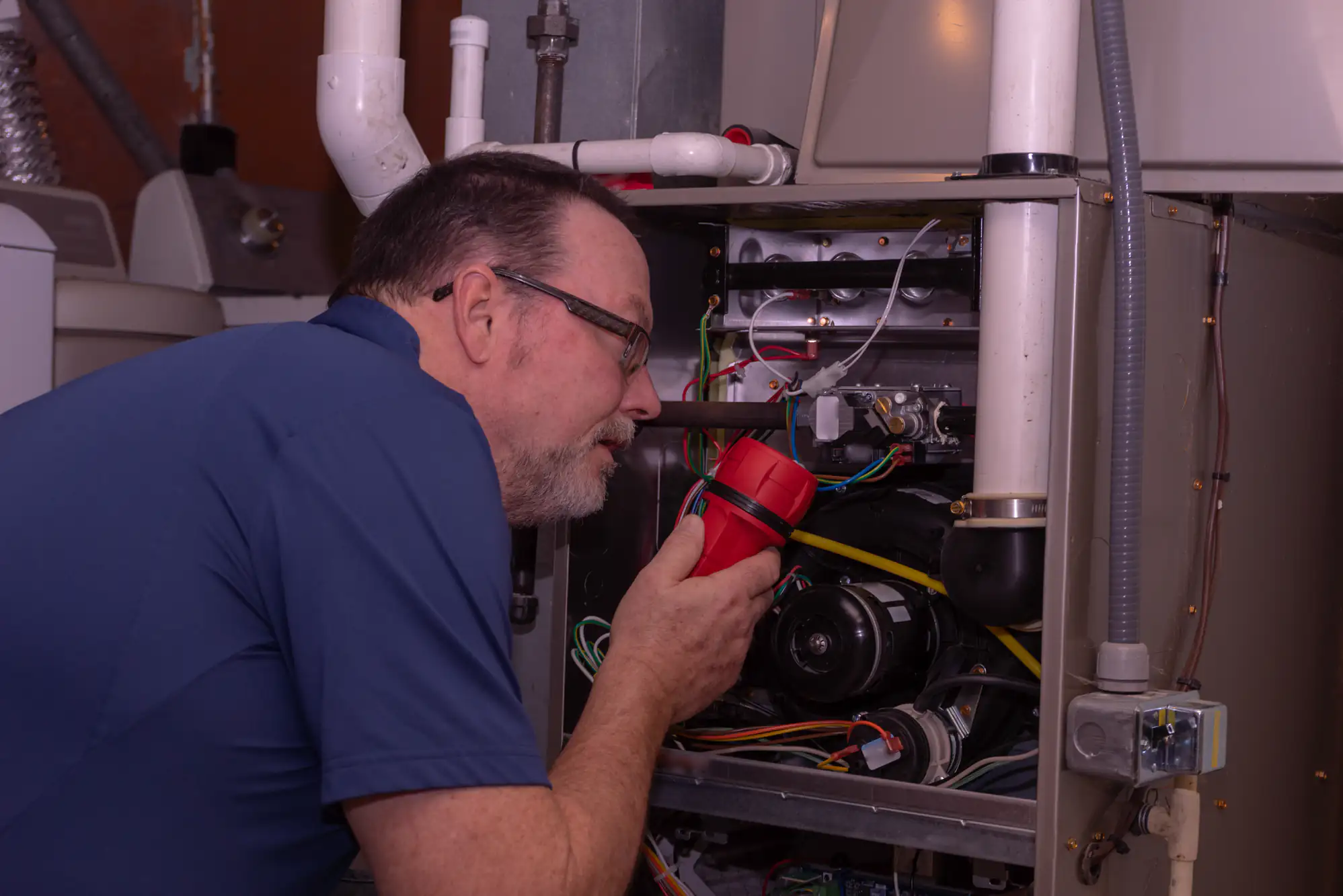
The testing process begins with checking all electrical connections and verifying proper voltage and amperage at the equipment. Our technicians then test the refrigeration system, checking for proper refrigerant levels, pressures, and temperatures throughout the cooling cycle. Any leaks or connection issues are identified and corrected during this phase.
Airflow testing ensures that your system delivers the right amount of conditioned air to each area of your home. For ductless systems, this involves verifying that each indoor unit operates independently and provides adequate coverage for its designated zone. Central air systems require testing of ductwork integrity and airflow balance throughout the distribution system.
Thermostat calibration and programming complete the testing process. We verify that temperature sensors are accurate and that the system responds appropriately to thermostat commands. For smart thermostats, this includes connecting to your home’s Wi-Fi network and configuring any advanced features like scheduling or remote access.
The final step involves a complete system walkthrough with you, explaining operation procedures, maintenance requirements, and warranty coverage. This education ensures you can operate your system efficiently and recognize when professional service might be needed.
A successful AC installation in Sacramento County requires careful planning, professional execution, and attention to our unique climate demands. From the initial assessment through final testing, each step plays a crucial role in ensuring your system delivers reliable comfort and energy efficiency for years to come.
The key to a smooth installation lies in choosing experienced professionals who understand Sacramento’s extreme weather patterns and can recommend the right system for your specific needs. Whether you opt for central air or explore the flexibility of ductless mini-splits, proper installation makes all the difference in performance and longevity.
When you’re ready to move forward with your AC installation, we at Hot & Cold HVAC stand ready to guide you through every step of the process with transparent pricing and quality workmanship tailored to Sacramento County’s demanding climate.
Article details:
Share:
Continue learning: