Getting an AC repair estimate shouldn't feel like a guessing game. Here's what Sacramento County homeowners need to know about fair pricing and honest quotes.
Share:
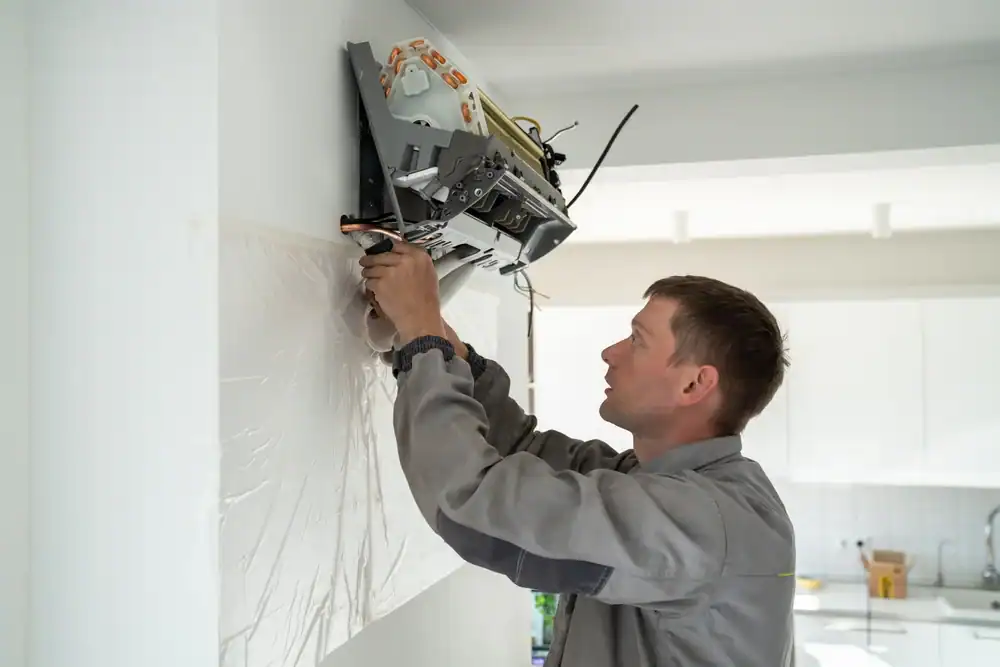
Summary:
You’re sweating through another 105-degree Sacramento day when your AC quits. You need it fixed, but you also need to know what it’s going to cost before someone starts tearing into your system.
That’s where things get tricky. Some contractors give you a number over the phone. Others show up, poke around, and hand you a bill that’s triple what you expected. Hidden fees, vague breakdowns, charges that appear out of nowhere after the work’s done.
Here’s what actually belongs in a professional AC repair estimate, how pricing works in Sacramento County, CA, and what to ask before anyone touches your system.
A real estimate isn’t a single number scribbled on the back of a business card. It’s a detailed breakdown that shows you exactly where your money goes.
The diagnostic fee covers the technician’s time to identify the problem. In Sacramento County, CA, that typically runs $70 to $200. We credit this toward your repair if you move forward with the work.
Labor costs reflect the technician’s skill and time to complete the work—not just the repair itself, but testing the system afterward to make sure it actually works. Parts pricing should list specific components by name, not just “miscellaneous materials.”
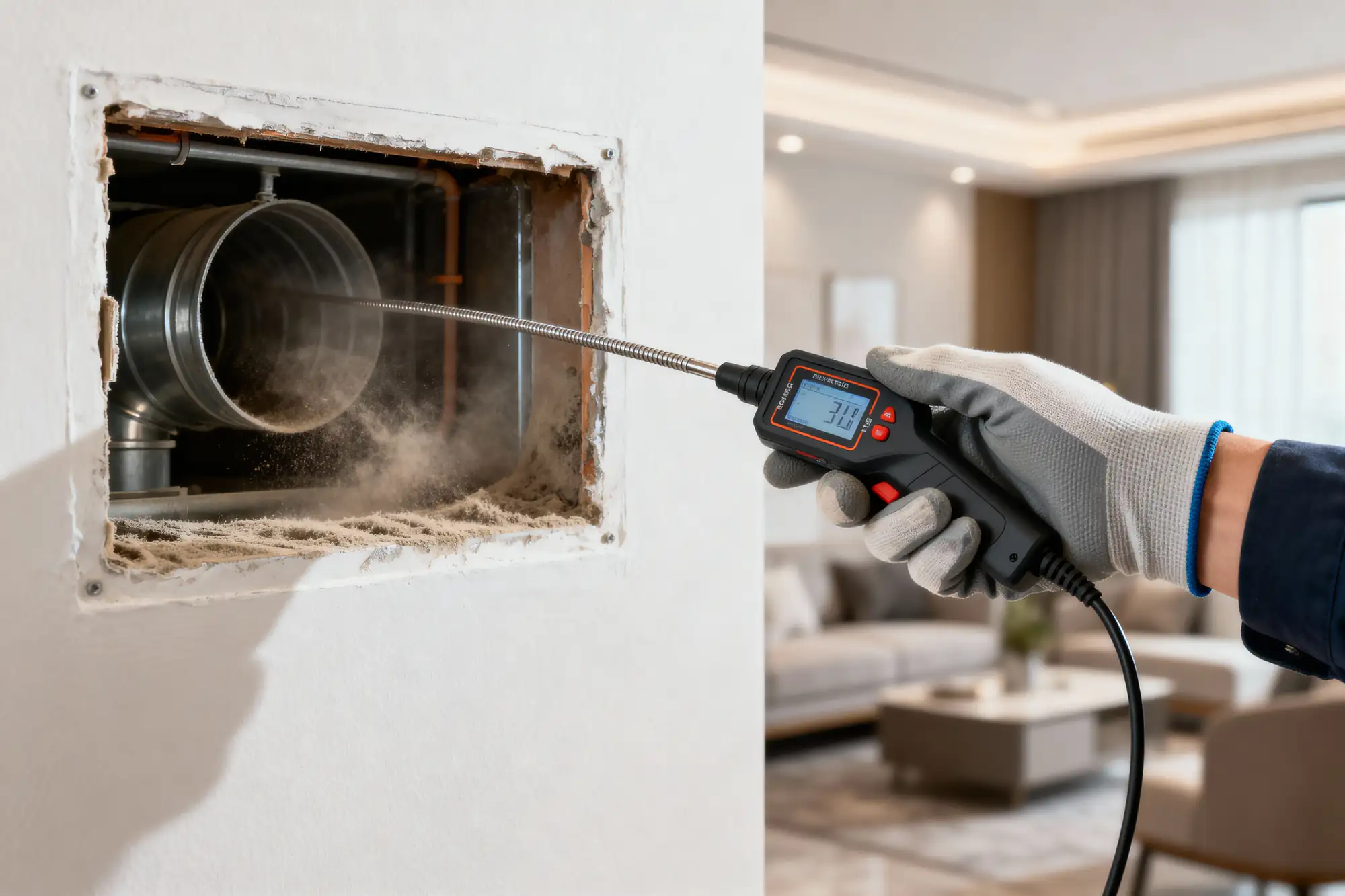
The service call fee gets the technician to your door. It covers their travel, the initial system inspection, and the expertise to diagnose what’s wrong. Think of it as the entry point—you’re paying for knowledge before you pay for the fix.
In Sacramento County, CA, standard service calls run $75 to $150 during business hours. Emergency calls, weekends, or late nights cost more because you’re pulling someone away from their regular schedule. Some companies charge double for after-hours work, others add a flat premium of $40 to $80.
Here’s what matters: ask upfront whether that diagnostic fee gets applied to your repair cost if you approve the work. Reputable contractors will credit it. The ones who won’t are betting you’ll pay twice—once for the diagnosis, again for the repair.
Labor rates in Sacramento typically fall between $75 and $150 per hour, but that varies based on the repair complexity and the technician’s certifications. A simple capacitor replacement takes an hour. A refrigerant leak in your evaporator coil could take most of a day.
The season affects pricing too. Summer is peak demand in Sacramento County, CA, where temperatures regularly hit triple digits. June through September, expect higher rates because every HVAC company is slammed. If your system can limp along until fall, you’ll often find better availability and lower prices.
What you’re really paying for is expertise. A licensed technician knows Sacramento’s climate challenges—the brutal heat that stresses compressors, the Delta breeze humidity that affects airflow, the wildfire smoke that clogs filters faster than normal. They’ve seen what fails in this specific environment and how to fix it right the first time.
The diagnostic fee pays for figuring out what’s wrong. The repair cost pays for fixing it. They’re separate charges, but they shouldn’t feel like you’re being nickel-and-dimed.
A technician shows up, runs tests, checks refrigerant levels, inspects electrical connections, examines your ductwork. That’s diagnostics. They’re identifying the root cause, not just the symptoms. That work has value even if you decide not to repair.
Once they’ve pinpointed the problem, they give you a repair estimate. This should be itemized: the specific part that needs replacing, the labor hours required, any additional materials. If they’re recharging refrigerant, you should see the cost per pound and how many pounds your system needs.
Here’s where honest companies separate from the rest. Good contractors apply that diagnostic fee toward your repair total. You’re not paying twice for the same visit. Bad contractors pocket the diagnostic fee and charge you full price for everything else.
Ask before they start: “If I approve the repair, does the diagnostic fee come off the total?” If they hesitate or say no, you’re probably talking to the wrong company. In Sacramento County, CA, we credit that fee because we want your business, not just your diagnostic money.
The other thing to watch: contractors who quote you a repair price, then discover “additional problems” once they’re inside your system. Sometimes that’s legitimate—one failing part can hide another issue. But if the price keeps climbing every time they open a panel, that’s a red flag.
Want live answers?
Connect with a Hot & Cold HVAC expert for fast, friendly support.
Not all AC repairs cost the same, even for identical problems. Your system’s age, the part that failed, how accessible everything is, and when you need the work done all affect the final number.
Minor repairs—thermostat issues, clogged filters, simple electrical fixes—typically run $100 to $300. Moderate AC repairs like refrigerant recharges or capacitor replacements fall between $300 and $600. Major work, compressor replacements, significant refrigerant leaks, motor failures, you’re looking at $600 to $1,500 or more.
System age matters because older units need parts that are harder to find. If your AC is 10-plus years old, expect to pay 20% to 50% more for components. Some parts get discontinued entirely, forcing expensive workarounds.
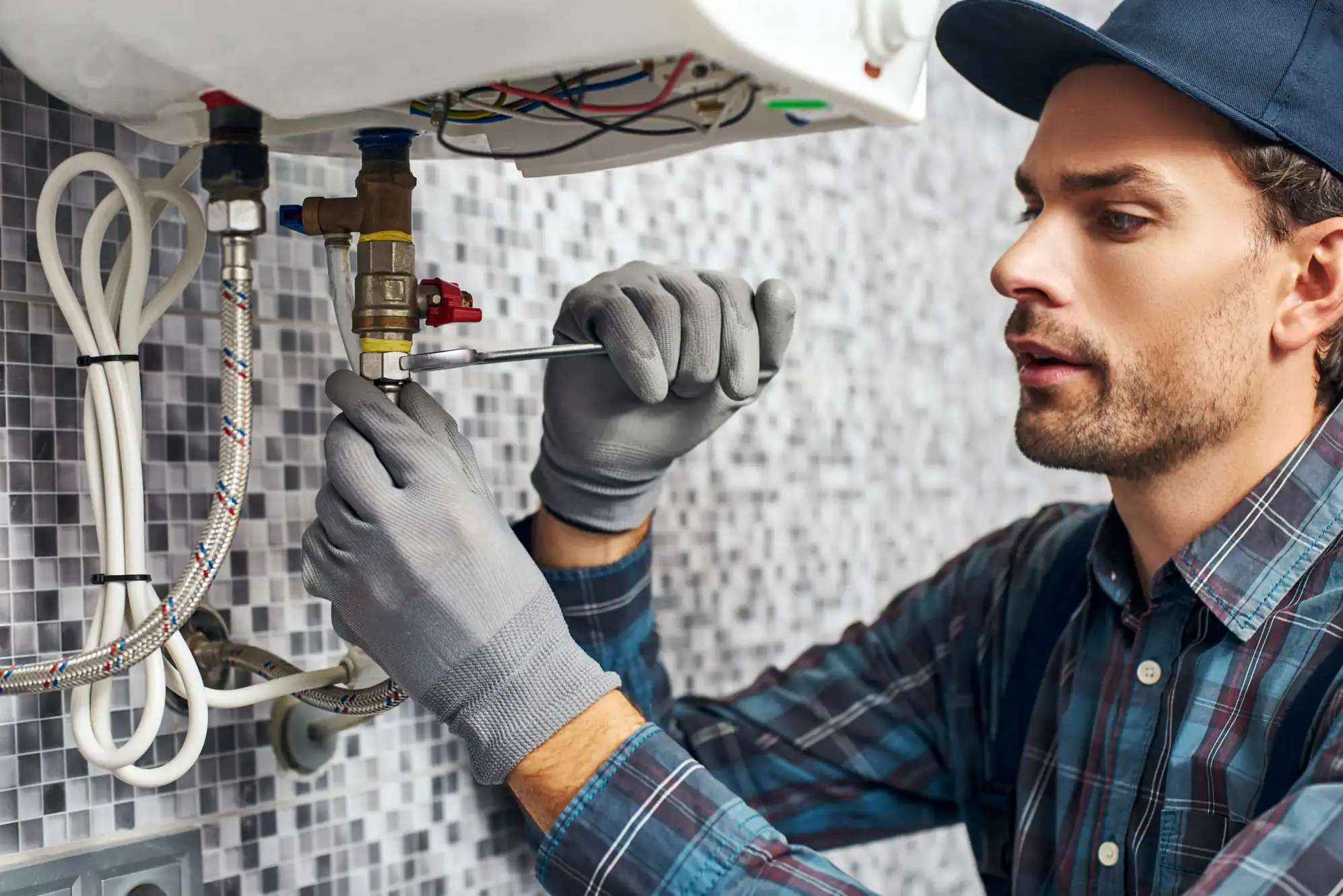
Hidden fees are where surprise bills come from. You get a quote for $400, approve the work, then see a final invoice for $650. The difference? Charges that were never mentioned upfront.
Permit fees can add $50 to $150 depending on your county’s requirements. Some repairs need permits, some don’t. A professional contractor knows which is which and includes permit costs in their estimate. The sketchy ones conveniently forget to mention permits until after the work’s done.
Disposal fees for removing old parts or refrigerant should be disclosed upfront, not tacked on at the end. Same with “shop fees” or “administrative costs”—vague line items that some contractors use to pad their bill.
Ductwork modifications are a common source of surprise charges. Your technician discovers your ducts need adjustment to work with the repair. That’s legitimate work, but it should trigger a conversation and a revised estimate before they proceed, not an unexpected charge after the fact.
Weekend or holiday premiums are fair—you’re asking someone to work outside normal hours. But you should know about them when you schedule, not when you get the bill. Ask explicitly: “Does this price change if you come out on Saturday?”
The cleanest way to avoid hidden fees is to insist on a written, itemized estimate before any work begins. If something changes mid-repair, the contractor should stop, explain what they found, give you a revised price, and wait for your approval. No surprises, no “while we’re in here” upsells that weren’t discussed.
Watch for contractors who provide vague, single-line estimates: “AC repair – $800.” That tells you nothing. What part are they replacing? How many labor hours? What’s the breakdown between parts and labor? If they can’t or won’t itemize it, walk away.
The right questions protect you from bad contractors and bad decisions. Don’t feel awkward asking—any reputable company expects these questions and welcomes the chance to prove they’re trustworthy.
Start with licensing and insurance. “Are you licensed and insured?” should get an immediate yes, with proof available on request. In California, HVAC contractors need proper licensing. Anyone handling refrigerants needs EPA 608 certification. If they can’t show you credentials, they shouldn’t be touching your system.
Ask what’s included in the estimate and what’s not. “Does this price cover the diagnostic fee, labor, parts, permits, and disposal?” Get specifics. If permits aren’t included, find out what they’ll cost. If disposal is extra, how much?
Find out about warranties. “What warranty comes with this repair?” Parts should have manufacturer warranties. Labor should have a guarantee—typically 30 days to a year depending on the company. If something fails right after the repair, you shouldn’t pay twice to fix it.
Ask about the timeline. “How long will this repair take?” gives you a sense of whether they’re being realistic. A capacitor replacement shouldn’t take all day. A compressor replacement could.
Get clarity on payment terms. “When do you expect payment?” Most contractors want payment when the work’s complete. Be wary of anyone demanding full payment upfront—that’s a red flag. A small deposit for parts is reasonable. Full payment before they’ve done anything is not.
Ask about repair versus replacement. “Given the age and condition of my system, does this repair make sense, or should I be thinking about replacement?” An honest contractor will walk you through the math. If your system is 12 years old and the repair costs $1,200, they should explain that you’re putting significant money into an aging system that might fail again soon.
Finally, ask about their process if they discover additional problems. “If you find other issues once you start the repair, what happens?” The answer should be: they stop, explain what they found, give you a price for the additional work, and wait for your approval before proceeding.
Fair pricing isn’t about finding the cheapest quote. It’s about knowing exactly what you’re paying for before the work begins, and not seeing surprise charges after it’s done.
A professional AC repair estimate breaks down diagnostic fees, labor costs, parts pricing, and any additional charges like permits or disposal. It’s written, itemized, and clear enough that you can compare it accurately against other quotes. The contractor explains what’s included, answers your questions without pressure, and doesn’t change the price unless something legitimately unexpected comes up—and even then, they get your approval first.
Sacramento County, CA homeowners deserve that level of transparency, especially during the extreme heat when AC failure isn’t just uncomfortable, it’s dangerous. When you’re evaluating estimates, trust the contractors who take time to educate you, not the ones who rush you into decisions or hide behind vague numbers. We provide upfront, transparent pricing with no hidden fees because you shouldn’t have to guess what your repair will actually cost.
Article details:
Share:
Continue learning: