You’re lying in bed when you hear it. A loud bang from somewhere in the house. Then another. Your furnace just kicked on, and it sounds like someone’s hammering metal pipes in your basement.
You’re not imagining it. Your heating system is talking to you, and what it’s saying matters. Some noises are harmless quirks of an aging system. Others are early warnings that something’s about to fail—usually on the coldest night of the year.
The difference between a $200 fix and a $2,000 emergency often comes down to whether you caught the problem in time. Let’s break down what those sounds mean and what you should do about them.
What Different Furnace Noises Mean
Not every sound from your heating system is a crisis. Some are normal. Some need attention soon. And some mean you should shut everything down and call for help right now.
The key is knowing which is which. Your furnace has moving parts, electrical components, gas burners, and metal ductwork that all expand and contract with temperature changes. Each component makes its own sound when something goes wrong.
Here’s what you’re hearing when your system starts making noise.
Banging and Booming When Your Heating System Starts Up
A loud bang when your furnace kicks on usually points to one of two things. Neither should be ignored.
The first possibility is delayed ignition. When your thermostat calls for heat, gas flows into the combustion chamber. The ignition system should light it immediately. But if the igniter is weak or dirty, gas builds up for a few seconds before finally igniting all at once. That creates a small explosion—the bang you’re hearing. This puts stress on your heat exchanger and can eventually crack it, which is both dangerous and expensive to fix.
The second cause is expanding ductwork. When cold metal ducts suddenly get hit with hot air, they expand. That expansion can sound like a boom or thud, especially if your ducts are undersized or improperly installed. This is usually more annoying than dangerous, but it does indicate your ductwork might benefit from some adjustments.
If the banging happens every single time your furnace starts, don’t wait. A heating contractor needs to check your ignition system and inspect your heat exchanger for cracks. Gas buildup isn’t something to mess around with. If the sound is occasional and seems to come from the ducts rather than the furnace itself, it’s a lower priority but still worth addressing during your next maintenance visit.
In Sacramento County, CA, temperature swings between day and night can make ductwork expansion more noticeable. Your system might be quiet during the day but loud at night when it’s working harder. That doesn’t make it normal—it just explains why you’re noticing it more.
Rattling Noises That Won’t Stop
Rattling is one of those sounds that starts small and gets worse. It might be nothing. Or it might be the early warning sign of a cracked heat exchanger, which is absolutely something.
Start with the simple stuff. Check your furnace panels. If one is loose, tighten the screws. Check the area around your furnace for anything vibrating against the unit. Sometimes it’s literally just a loose screw or panel that needs attention.
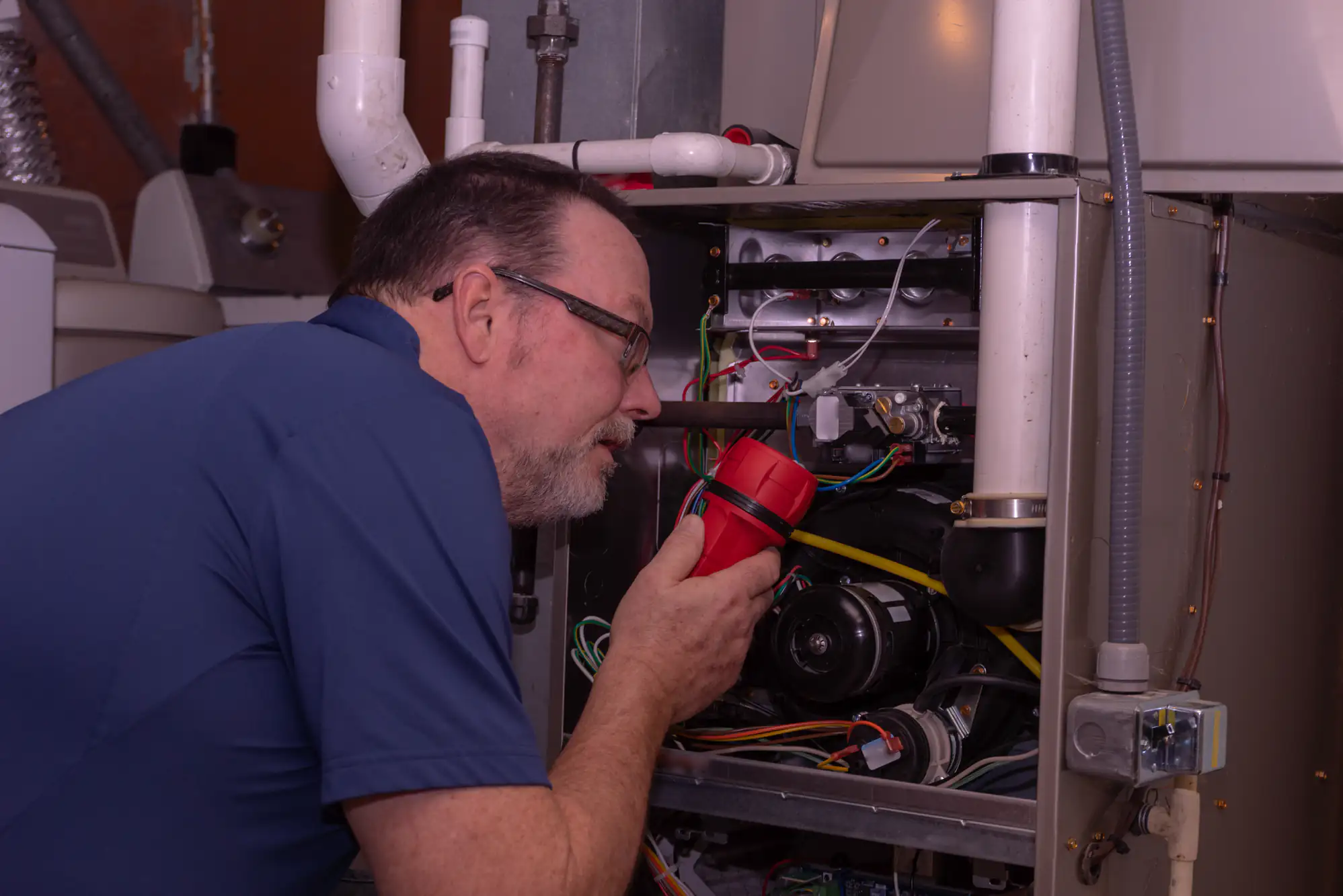
But if the rattling is coming from inside the unit and won’t go away, you could be looking at a failing blower motor, loose fan blades, or a cracked heat exchanger. A cracked heat exchanger is serious because it can leak carbon monoxide into your home. That’s not a DIY diagnosis—you need a professional to inspect it.
Rattling that gets louder over time or changes pitch is telling you something is getting worse. Don’t wait until it turns into grinding or scraping, which means metal is hitting metal and causing damage. The longer you ignore it, the more expensive the heating repair becomes.
Sacramento homeowners often run their systems hard during those occasional cold snaps after months of barely using heat. That sudden demand can expose problems that were developing quietly. If your furnace sat mostly idle and then started rattling once you fired it up for winter, get it checked. You’re hearing something that wasn’t secured properly or has worn out since last season.
When to Call for Professional Heating Repair
Some heating system problems you can fix yourself. Most you can’t. Knowing the difference saves you time, money, and the frustration of making things worse.
If your furnace is making noise, start with the basics. Check your air filter. A clogged filter restricts airflow and makes your blower motor work harder, which can cause humming or buzzing sounds. If you can’t remember the last time you changed it, replace it now and see if the noise improves.
Check your vents. Make sure nothing is blocking airflow and that all your vents are open. Closed vents don’t save energy—they create pressure imbalances that strain your system and can cause whistling or popping sounds.
Beyond that, you’re getting into territory where you need an HVAC company with the right tools and training.
Warning Signs That Mean Call a Heating Contractor Today
Some sounds aren’t just annoying. They’re urgent. Here’s when you need to stop troubleshooting and pick up the phone.
Grinding or scraping metal-on-metal sounds mean something has come loose or broken and is now damaging other components. Turn your system off immediately. Continuing to run it will turn a repair into a replacement.
Squealing that won’t stop usually points to a failing blower motor or worn bearings. The motor is working too hard and overheating. If you ignore it long enough, it will fail completely—usually in the middle of the night when it’s coldest.
Any smell of gas near your furnace is an immediate shutdown situation. Turn off your system, don’t flip any light switches, open windows, get everyone out, and call your gas company. Then call an HVAC company for heating repair once the gas company clears your home.
If your carbon monoxide detector goes off, treat it like the emergency it is. Get outside, call 911, and don’t go back in until professionals clear your home. A malfunctioning furnace is one of the most common sources of carbon monoxide poisoning in homes. This isn’t something to second-guess or wait on.
In Sacramento County, CA, you have access to experienced heating contractors who understand how local conditions affect your system. When you call for heating repair, you’re not just getting someone to quiet the noise—you’re getting a diagnosis of what’s actually wrong and what it’ll take to fix it properly. Most reputable AC contractors and HVAC companies will give you transparent pricing before they start work, so you know exactly what you’re paying for.
What Heating Repair Actually Costs in Sacramento County
One of the biggest reasons people delay calling for heating repair is fear of the bill. Nobody wants to get hit with a huge unexpected expense. But the longer you wait, the more expensive the problem becomes.
Most common heating repairs fall between $150 and $950, depending on what’s wrong. Small fixes like replacing a thermostat, flame sensor, or ignitor are usually on the lower end—typically $150 to $350. Blower motor repairs or replacements run $400 to $1,100. Heat exchanger work can hit $600 to $2,000 or more—and at that point, many homeowners start looking at heating installation instead of repair.
Diagnostic fees typically run $75 to $150, and many HVAC companies waive that fee if you move forward with the repair. Emergency or after-hours service usually adds $150 to $350 to the total, which is why catching problems early matters. A repair that costs $300 during business hours might cost $500 at midnight on a Saturday.
Here’s a good rule of thumb: if the repair costs more than 30% of what a new system would cost, and your furnace is already 12 to 15 years old, replacement starts making more financial sense. A quality heating contractor will walk you through that math honestly instead of just selling you whatever makes them the most money.
In Sacramento County, CA, you might also qualify for rebates through SMUD when upgrading to more efficient equipment. Those rebates can be substantial—sometimes up to $8,000 for qualifying systems, plus federal tax credits up to $2,000—which changes the replacement-versus-repair equation significantly. A good HVAC company will help you navigate those incentives instead of leaving money on the table.
The other cost to consider is what happens if you do nothing. A failing furnace that limps through winter is using more energy than it should, which shows up on your utility bill every month. And when it finally fails completely, you’re looking at emergency service rates plus the discomfort of being without heat while you wait for repairs or heating installation. Prevention is cheaper than emergency response.
Keeping Your Heating System Running Quietly and Efficiently
Strange noises from your furnace aren’t something to ignore or get used to. They’re your system telling you it needs attention before a small problem becomes an expensive emergency.
Pay attention to what you’re hearing. Banging at startup, persistent rattling, squealing that won’t quit—these aren’t normal sounds, and they don’t fix themselves. The sooner you address them, the less they’ll cost and the more comfortable your home will stay.
Regular maintenance catches most of these issues before they start making noise. An annual tune-up before winter gives a technician the chance to spot worn parts, clean components, and make adjustments that keep your system running quietly and smoothly. It’s cheaper than heating repair and a lot cheaper than replacement.
If your heating system is making sounds you don’t recognize or trust, reach out to us at Hot & Cold HVAC. We’ll diagnose what’s actually wrong, explain your options clearly, and fix it right the first time.