Sacramento homeowners face real decisions when AC systems fail during 105-degree heat. Here's what repair actually costs and when replacement makes more sense.
Share:
Summary:
Your AC quits on a Saturday afternoon in July. Sacramento’s pushing 108 degrees. You need help fast, but the real question hitting you isn’t just “who can fix this”—it’s “how much is this going to cost me?”
That anxiety about the bill is legitimate. AC repair costs swing from $200 for a quick fix to $2,500+ for major failures, and most homeowners have no idea which end of that range they’re facing until a technician delivers the number. The uncertainty is worse than the heat.
Here’s what AC repair actually costs in Sacramento County, what drives those prices, and how to know when you’re better off replacing instead of repairing. No fluff, no sales pitch—just the information you need to make a smart decision when your system fails.
Most Sacramento County homeowners pay between $300 and $1,500 for AC repairs in 2026. That’s the realistic middle ground where most common problems land. National averages sit lower at $250 to $700, but Sacramento’s extreme summer heat puts extra stress on systems, and local labor rates reflect that reality.
Simple fixes like a clogged drain line or a blown capacitor might cost $150 to $400. More involved repairs like refrigerant leaks, fan motor replacements, or electrical issues push costs into the $500 to $1,200 range. Major component failures like compressor replacements can hit $1,500 to $3,000, and at that point you’re usually better off replacing the whole system.
The actual number depends on what failed, how accessible it is, whether you need parts ordered, and when you call. Emergency service on a Sunday evening during a heat wave costs more than a scheduled Tuesday morning appointment in April.
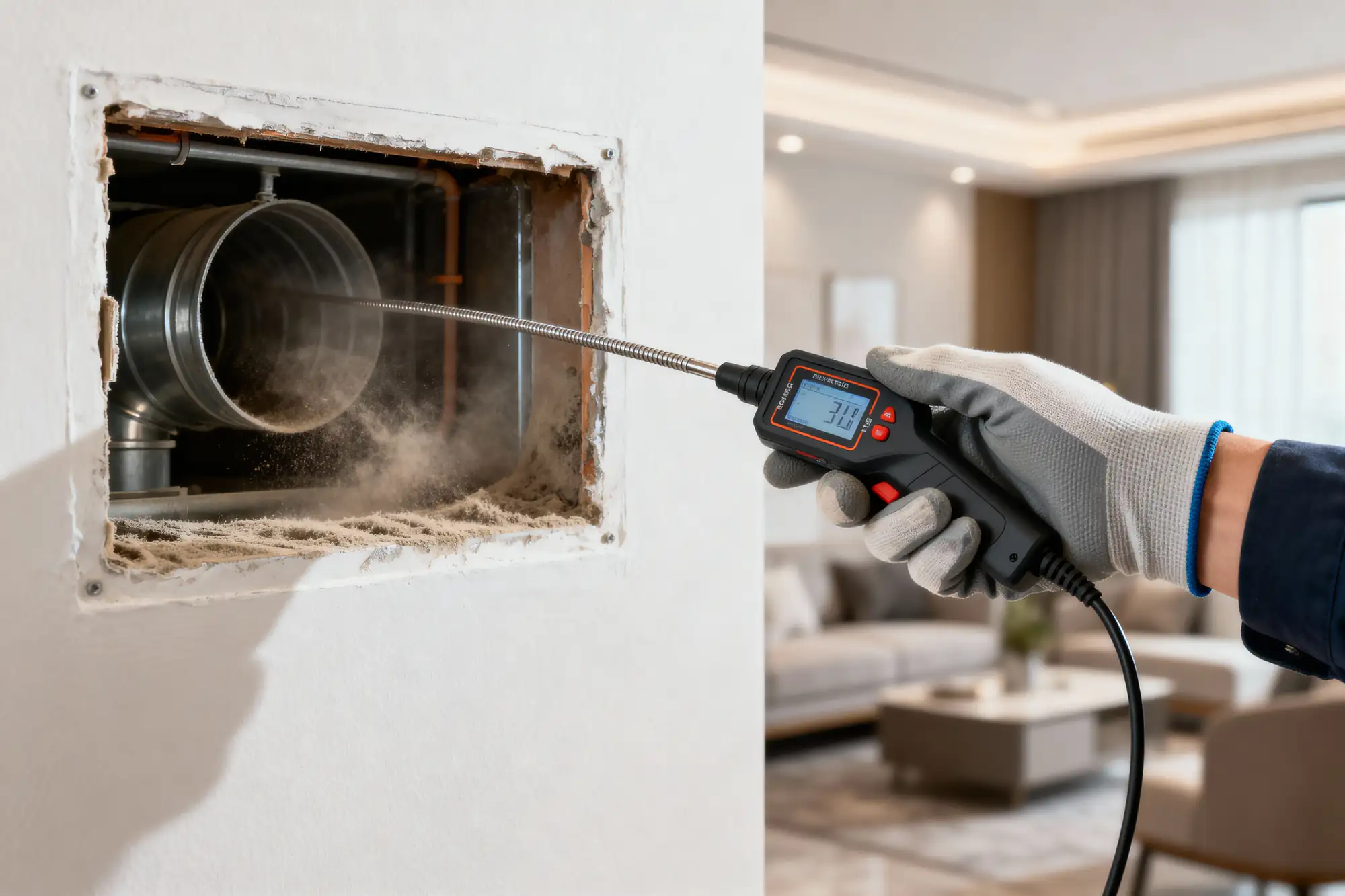
Before a technician touches your AC, you’re paying a diagnostic or service call fee. In Sacramento, that typically runs $75 to $200, with most licensed HVAC companies charging around $100 to $150. This fee covers the trip to your house, the time spent figuring out what’s wrong, and the expertise to diagnose the problem correctly instead of guessing.
Some companies waive this fee if you approve the repair. Others charge it regardless. Ask upfront how they handle it so there’s no confusion when the bill comes.
Here’s what that fee actually buys you. The technician inspects your system, tests components, checks refrigerant levels, examines electrical connections, and identifies the root cause instead of just treating symptoms. A proper diagnostic prevents you from paying for the wrong fix or replacing parts that aren’t actually broken.
Companies advertising “free diagnostics” usually build that cost into inflated repair prices. You’re paying either way. What matters is transparency about where your money goes and what you’re getting for it.
Emergency calls cost more. If your AC dies at 9 PM on a Saturday during Sacramento’s peak summer heat, expect to pay an additional $50 to $200+ on top of the standard diagnostic fee. That premium covers having licensed technicians available when most people are home with their families. It’s frustrating when you’re sweating through the weekend, but it’s also the reality of getting help outside business hours.
Seasonal demand affects pricing too. June through August is peak season in Sacramento County. When everyone’s AC is failing in 105-degree heat, technicians are slammed and some companies adjust rates to match demand. Spring and fall appointments often cost 10% to 25% less for the same work simply because the pressure is off.
The diagnostic fee is separate from repair costs. Once the technician knows what’s wrong, they’ll quote the actual repair. That’s when you decide whether to move forward, get a second opinion, or start looking at replacement options.
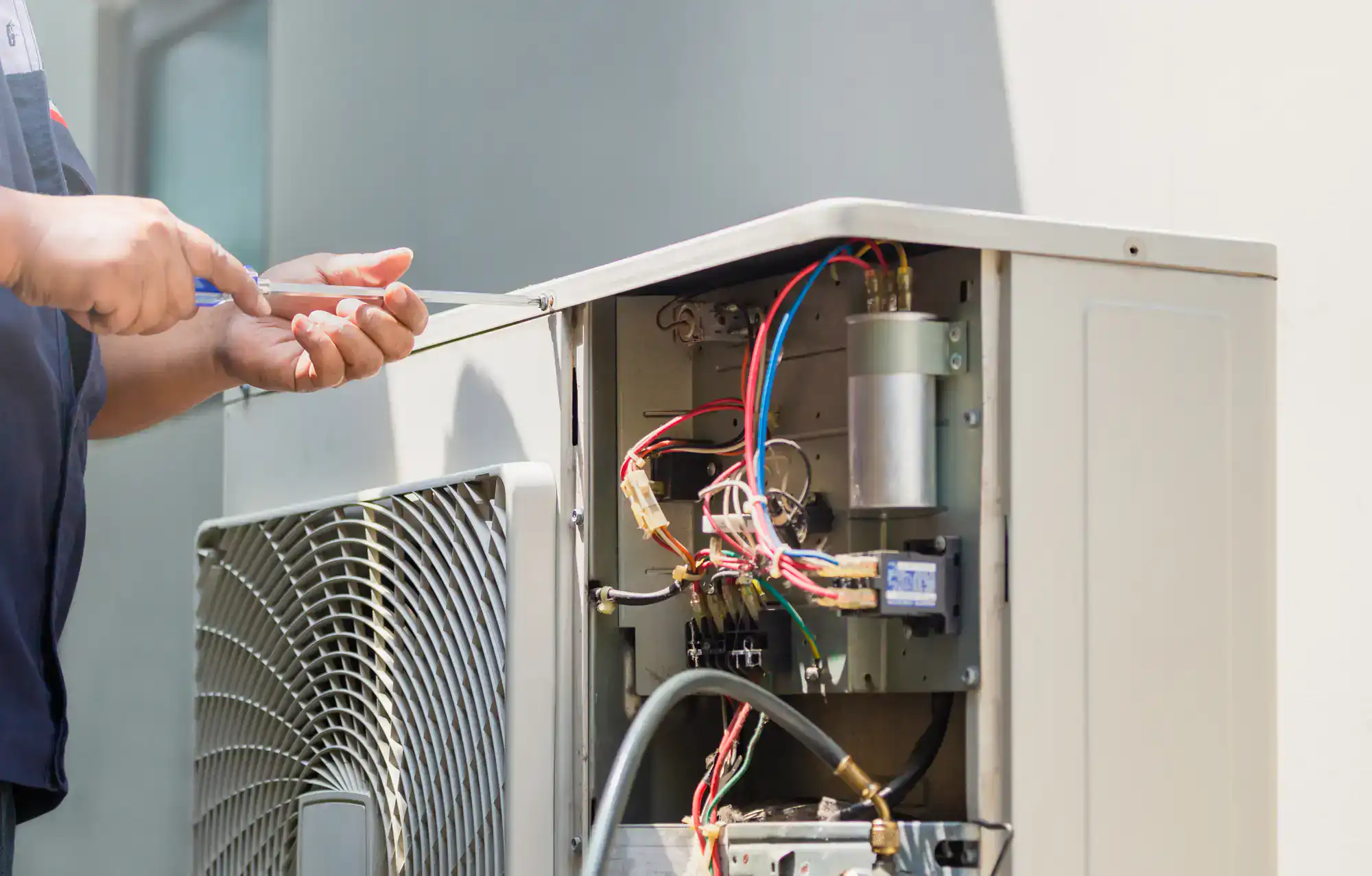
Capacitor replacement is one of the most common AC repairs Sacramento homeowners face. The capacitor helps your compressor and fan motors start up. When it fails, your AC won’t turn on or will struggle to start. Replacement typically costs $200 to $500 including parts and labor. It’s a relatively quick fix that solves a complete system failure, which is why it feels like such good value when it’s the culprit.
Refrigerant leaks and recharges run $200 to $1,500 depending on where the leak is and how much refrigerant you need. Here’s the thing most homeowners don’t know: AC systems are sealed. They don’t “use up” refrigerant like a car uses oil. If you’re low on refrigerant, you have a leak somewhere. Just adding more refrigerant without fixing the leak is throwing money away because you’ll be low again in a few months. The proper repair involves finding the leak, sealing it, and then recharging the system. If the leak is in a hard-to-reach evaporator coil, labor costs climb fast.
Thermostat issues cost $100 to $500 to fix or replace. Sometimes the problem isn’t your AC at all—it’s the thermostat giving bad information to the system. A faulty thermostat can make your house feel like a sauna even though the AC is technically working. Upgrading to a programmable or smart thermostat while you’re at it can improve efficiency and give you better control over your comfort.
Fan motor replacement typically runs $300 to $900. Your AC has at least two fan motors—one in the outdoor condenser unit and one in the indoor air handler. When a motor fails, you’ll notice reduced airflow, strange grinding or squealing noises, or the fan not spinning at all. Replacing the motor restores proper airflow and prevents other components from overworking to compensate.
Drain line cleaning costs $75 to $250. Your AC produces condensation that drains away through a small line. In Sacramento’s dusty climate, these lines clog with dirt, algae, and debris. When they back up, you get water pooling around your furnace or leaking into your home. Cleaning the line is straightforward and prevents water damage that costs far more to fix than the cleaning itself.
Compressor replacement is where costs get serious: $1,500 to $3,000 or more. The compressor is the heart of your AC system. When it fails, you’re looking at a major repair that often costs more than half of what a new system would run. This is where the 50% rule comes into play, and most Sacramento homeowners choose replacement over sinking that much money into an aging system.
Circuit board replacement costs $150 to $700. Modern AC systems rely on circuit boards to control operations. When a board fails, your system might not respond to the thermostat, might run constantly, or might not turn on at all. Replacing the board is usually cheaper than replacing the components the board controls, but it’s still a significant repair.
Want live answers?
Connect with a Hot & Cold HVAC expert for fast, friendly support.
An accurate quote starts with an honest diagnostic. You can’t get real numbers over the phone because the technician needs to see what’s actually wrong with your specific system. Companies that quote prices before seeing your AC are either guessing or using bait-and-switch tactics to get in the door.
When you call for service, ask about the diagnostic fee, whether it’s waived if you proceed with repair, what the typical service windows look like, and whether the pricing is upfront or estimated. Companies with transparent pricing will answer these questions directly without dodging or pressure tactics.
During the diagnostic, a good technician will explain what they found, why it failed, what it will take to fix it, and whether repair makes sense given your system’s age and condition. They should provide a written estimate before starting work. If they pressure you to decide immediately or won’t put the quote in writing, that’s a clear red flag that you’re not dealing with a professional outfit.
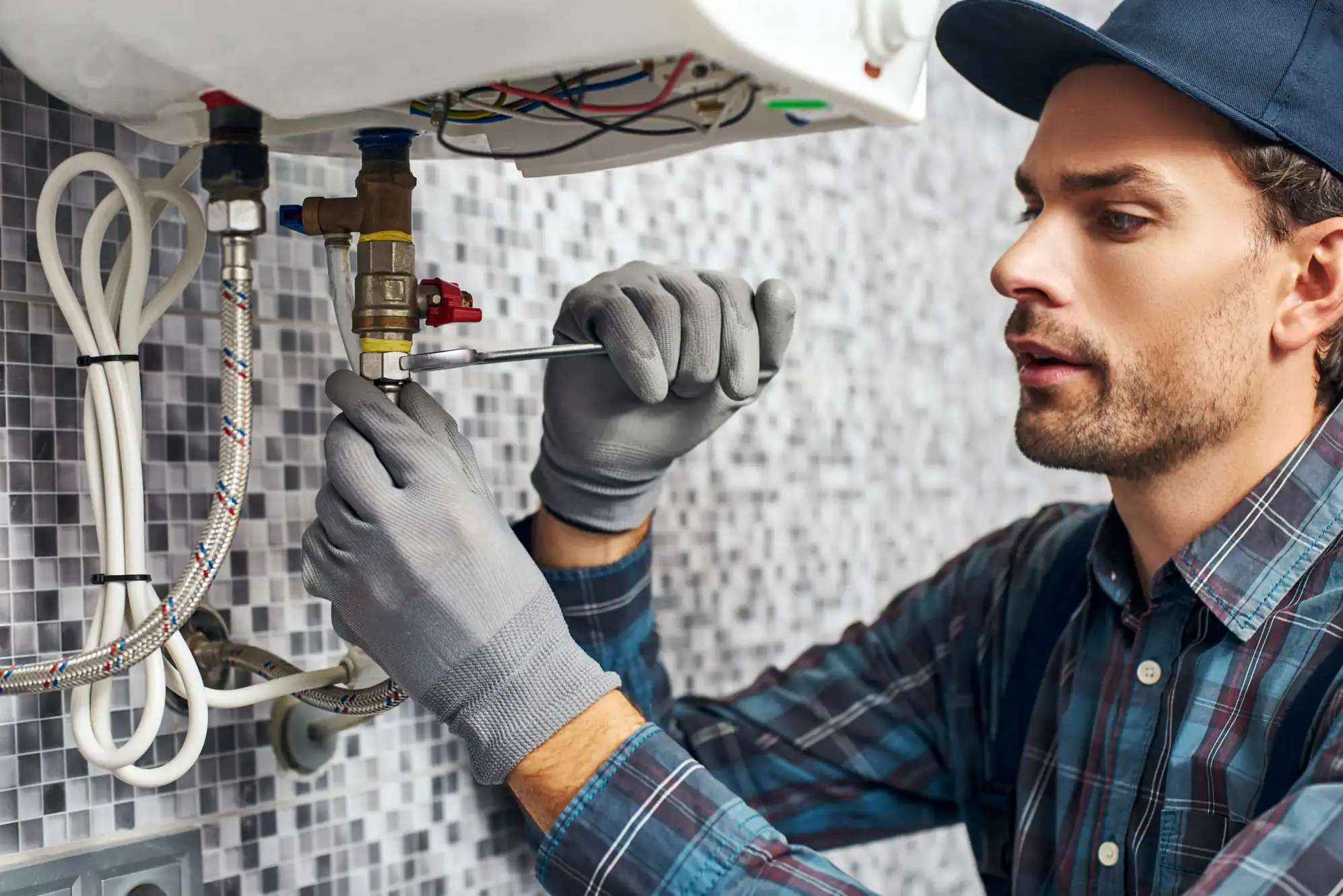
Ask what specifically failed and why. A good technician can explain the problem in plain language without making you feel stupid for not knowing how HVAC systems work. Understanding what broke and what caused it helps you evaluate whether the quote makes sense and whether there’s an underlying issue you need to address.
Ask if the repair is covered under warranty. Many AC manufacturers offer 5 to 10-year parts warranties on major components. If your compressor fails in year seven and it’s under warranty, you only pay labor instead of parts and labor. That can save you hundreds or thousands of dollars. Bring your system’s paperwork if you have it, or ask the technician to check warranty status based on your model and serial number.
Ask how long the repair will last. If you’re patching a 14-year-old system with a $1,200 repair, you need to know if you’re buying six months or three years. An honest technician will tell you when a repair is a band-aid versus a real solution that extends your system’s life.
Ask what happens if the repair doesn’t solve the problem. Reputable companies stand behind their work. If they replace a part and your AC still doesn’t work right, they should come back without charging another diagnostic fee or blaming “a different problem” to justify more charges.
Ask for the total cost in writing before work begins. This should include parts, labor, any fees, and exactly what’s covered. No surprises, no “oh we found another problem while we were in there” charges unless they call you first and get approval.
Ask whether repair or replacement makes more sense for your situation. This is where you find out if you’re dealing with a technician or a salesperson. A good technician will help you understand when you’re throwing good money after bad. If your system is old and the repair is expensive, they should tell you that replacement might be smarter even if it means a smaller sale for them today.
Get multiple quotes for major repairs. If someone quotes you $2,000 to fix your AC, call two other licensed companies for diagnostics and compare. You might find the same repair quoted at $1,400, or you might discover that one company is trying to replace parts that don’t actually need replacing. The cost of two extra diagnostics is worth it when you’re facing a four-figure repair bill.
The 50% rule is the simplest guideline for Sacramento homeowners: if the repair costs more than 50% of what a new system would cost, replacement usually makes more sense. A $2,000 repair on a system that would cost $4,500 to replace new? You’re better off replacing. You get a new system with a full warranty, better energy efficiency, and no worries about what else might fail next month when the heat kicks back up.
The $5,000 rule adds system age into the equation. Multiply your AC’s age in years by the repair cost. If the result exceeds $5,000, replacement is typically the smarter financial move. Example: your AC is 12 years old and needs an $800 repair. 12 × $800 = $9,600. That’s well over $5,000, which suggests the system is near the end of its useful life and you’ll likely face more expensive repairs soon.
System age matters regardless of repair cost. Most AC systems last 10 to 15 years in Sacramento’s brutal climate, and that’s with proper maintenance. If yours is pushing that range, even a moderate $600 repair might not be worth it. You’re paying to extend a system that’s already on borrowed time instead of investing in a solution that lasts another decade.
Frequent repairs are a warning sign you can’t ignore. If you’re calling for AC service twice a year or spending $500+ annually on repairs, those costs add up fast. At some point you’re just funding an ongoing maintenance nightmare instead of investing in a reliable system that works when you need it.
Rising energy bills signal declining efficiency. Older systems work harder to produce the same cooling, which drives up your utility costs every month. If your summer electric bills have climbed significantly even though your usage hasn’t changed, your AC is losing efficiency. A new high-efficiency system can cut cooling costs by 20% to 40%, and those monthly savings add up over the system’s 15-year lifespan.
Major component failures usually tip the scale toward replacement. Compressor, evaporator coil, or condenser failures are expensive repairs that often run $1,500 to $3,000. When a major component fails on a system that’s 10+ years old, you’re better off replacing the whole thing. You avoid the labor cost of opening the system twice, and you get a complete matched system that works together instead of new parts trying to cooperate with worn-out components that are ready to fail next.
AC repair costs in Sacramento County range from a couple hundred dollars for simple fixes to several thousand for major component failures. Understanding what drives those costs helps you evaluate quotes, ask better questions, and make decisions that protect your wallet instead of draining it on a system that’s past saving.
The key is transparency. You should know what you’re paying before work starts, understand what failed and why, and have a clear sense of whether repair makes sense given your system’s age and condition. Those aren’t unreasonable expectations—they’re basic professional standards.
When your AC fails during Sacramento’s brutal summer heat, you need help fast. But fast doesn’t mean you skip the questions or accept the first quote you get. It means you work with a licensed contractor who gives you straight answers, upfront pricing, and honest guidance about repair versus replacement. We serve Sacramento County with that exact approach—transparent pricing, fully licensed and insured technicians who understand local climate challenges, and same-day service when you need it most.
Article details:
Share:
Continue learning: