Solar-powered heat pumps combine renewable energy with year-round comfort, cutting electricity costs while protecting you from Sacramento's extreme temperatures and rising utility rates.
Share:
Summary:
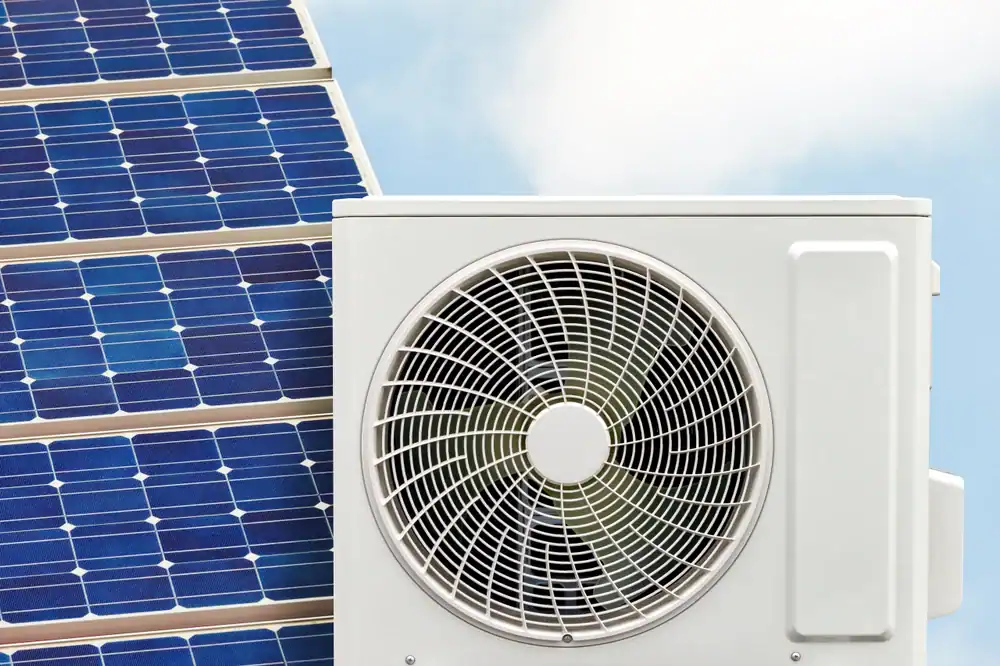
A solar-powered heat pump combines two proven technologies into one effective system. The heat pump handles your heating and cooling by transferring heat rather than generating it, which already uses far less energy than traditional furnaces or air conditioners. Then you add solar panels that generate electricity to run the system, and suddenly you’re powering your comfort with renewable energy instead of grid electricity.
The setup is straightforward. Solar panels on your roof convert sunlight into electricity. That power runs your heat pump, which moves heat in or out of your home depending on if you need cooling or heating. During Sacramento’s long sunny days, your system can run almost entirely on solar power. When the sun sets or on cloudy days, the system switches to grid power automatically, so you never lose comfort.
What makes this particularly smart for Sacramento is the timing. Your highest cooling demand happens during the hottest, sunniest part of the day, exactly when your solar panels produce the most power. You’re using free solar energy when you need it most, instead of pulling expensive electricity from the grid during peak rate periods.

Sacramento’s climate is nearly perfect for heat pump technology. Unlike places with harsh winters where temperatures drop below zero, Sacramento’s mild winter temperatures let heat pumps operate at peak efficiency year-round. Even on the coldest nights, there’s enough heat in the outdoor air for a modern heat pump to extract and move inside.
Heat pumps don’t create heat by burning fuel. They move it from one place to another, similar to how your refrigerator works but in reverse. In summer, they pull heat out of your house and dump it outside. In winter, they extract heat from outdoor air and bring it inside. This heat transfer process uses a fraction of the energy compared to generating heat through combustion or electric resistance.
For Sacramento homeowners, this means one system handles both heating and cooling efficiently. You’re not maintaining separate equipment for different seasons. The system switches between modes automatically based on your thermostat settings, delivering consistent comfort whether it’s 40°F or 110°F outside.
Modern heat pumps have advanced significantly. They now include variable-speed compressors that adjust output to match your exact needs rather than cycling on and off constantly. This means better temperature control, lower energy use, and less wear on the equipment. When you combine this efficiency with solar power, you’re looking at a system that can dramatically reduce or even eliminate your heating and cooling costs.
The efficiency ratings tell the story. High-efficiency heat pumps can deliver three to four times more heating or cooling energy than the electrical energy they consume. When that electrical energy comes from your solar panels instead of the utility company, the savings compound quickly. Sacramento’s 260+ sunny days per year mean your system has plenty of opportunities to run on free solar energy.
California’s 2025 Energy Code actively encourages heat pump installations for new construction and major renovations, recognizing their efficiency advantages. The state understands that widespread heat pump adoption, especially when paired with solar, helps reduce grid strain during peak demand periods while cutting greenhouse gas emissions from buildings.
You have several ways to integrate solar power with your heat pump system, and the right choice depends on your budget, energy goals, and property characteristics. The most common approach uses standard rooftop solar panels connected to your home’s electrical system, which then powers your heat pump along with your other electrical needs.
A typical Sacramento home needs a 6-kilowatt solar system to offset most electricity consumption. For a system focused primarily on running your HVAC, you might need 4 to 10 panels depending on your home’s size and how much you run your heating and cooling. The panels generate DC electricity that an inverter converts to AC power your home can use.
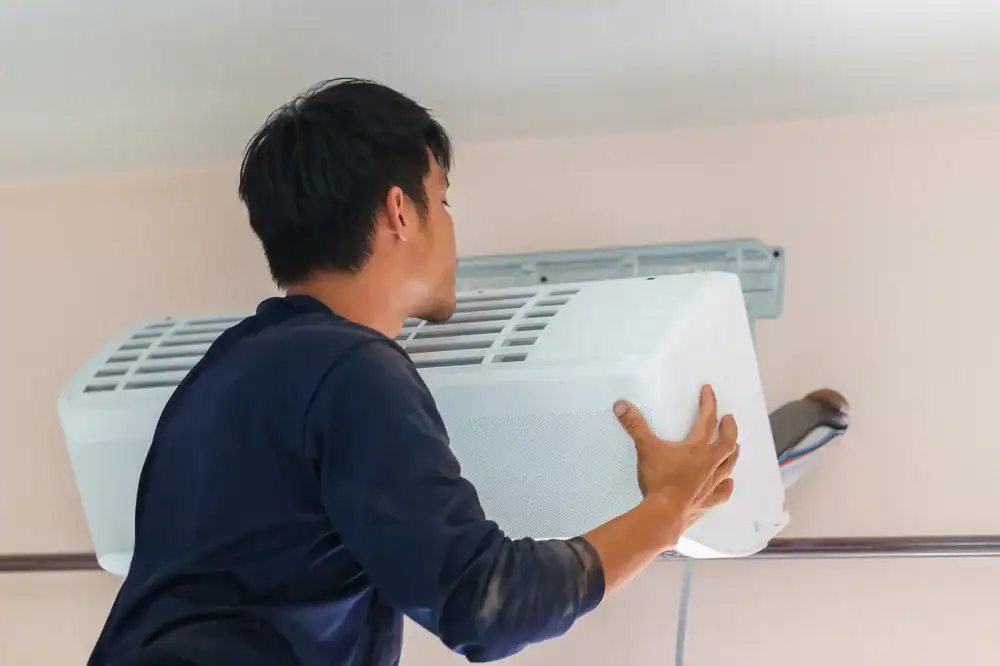
Some newer systems, like hybrid solar mini-splits, can run directly on DC power from solar panels without needing an inverter for that portion of the system. These units automatically switch between solar power during the day and grid power at night, maximizing your solar usage without requiring battery storage. They’re particularly good for additions, garages, or areas where running ductwork would be difficult.
Battery storage is optional but worth considering. A battery bank stores excess solar energy generated during the day for use at night or during power outages. This increases your energy independence and protects you during Sacramento’s occasional grid issues. However, batteries add significant upfront cost. Many homeowners start without batteries and add them later if desired.
The investment ranges widely based on your choices. A complete solar-powered HVAC system, including panels, heat pump, and installation, typically runs $15,000 to $25,000 for most Sacramento homes. That breaks down to roughly $14,000 for a 6kW solar system and $6,000 to $12,000 for heat pump installation. Hybrid solar mini-splits without full-home solar can start around $3,000 to $5,000 for a single zone.
Federal incentives changed significantly in 2026. The residential clean energy tax credit that previously offered 30% back on solar installations expired at the end of 2025. However, leased solar systems can still access tax credits through 2027, with the installer passing savings to you through lower payments. Some Sacramento area utilities and California state programs offer additional rebates for eco-friendly upgrades, though availability varies and funding is often limited.
The payback calculation depends on your current electricity costs and usage patterns. Sacramento electricity rates average around 17 cents per kilowatt-hour for residential customers, which is lower than much of California but still adds up quickly when running AC all summer. Most solar-powered heat pump installations pay for themselves in 8 to 15 years through energy savings, then continue producing value for decades.
Want live answers?
Connect with a Hot & Cold HVAC expert for fast, friendly support.
The financial case for solar-powered heat pumps comes down to simple math: how much you spend on electricity now versus how much you’ll spend after installation. Sacramento’s climate gives you a significant advantage because your cooling costs are substantial, and solar production peaks exactly when you need cooling most.
A typical Sacramento home using 900 kilowatt-hours per month pays around $155 monthly for electricity. Heating and cooling typically account for 40% of that bill, roughly $60 to $75 monthly or $720 to $900 annually. A solar-powered heat pump system can reduce this portion by 70% to 100% depending on your solar array size and energy usage patterns.
During peak summer months when your AC runs constantly, the savings become even more dramatic. Instead of pulling expensive electricity from the grid during hot afternoons when rates are highest, your solar panels are producing maximum power. You’re essentially running your cooling system for free during the times it works hardest.
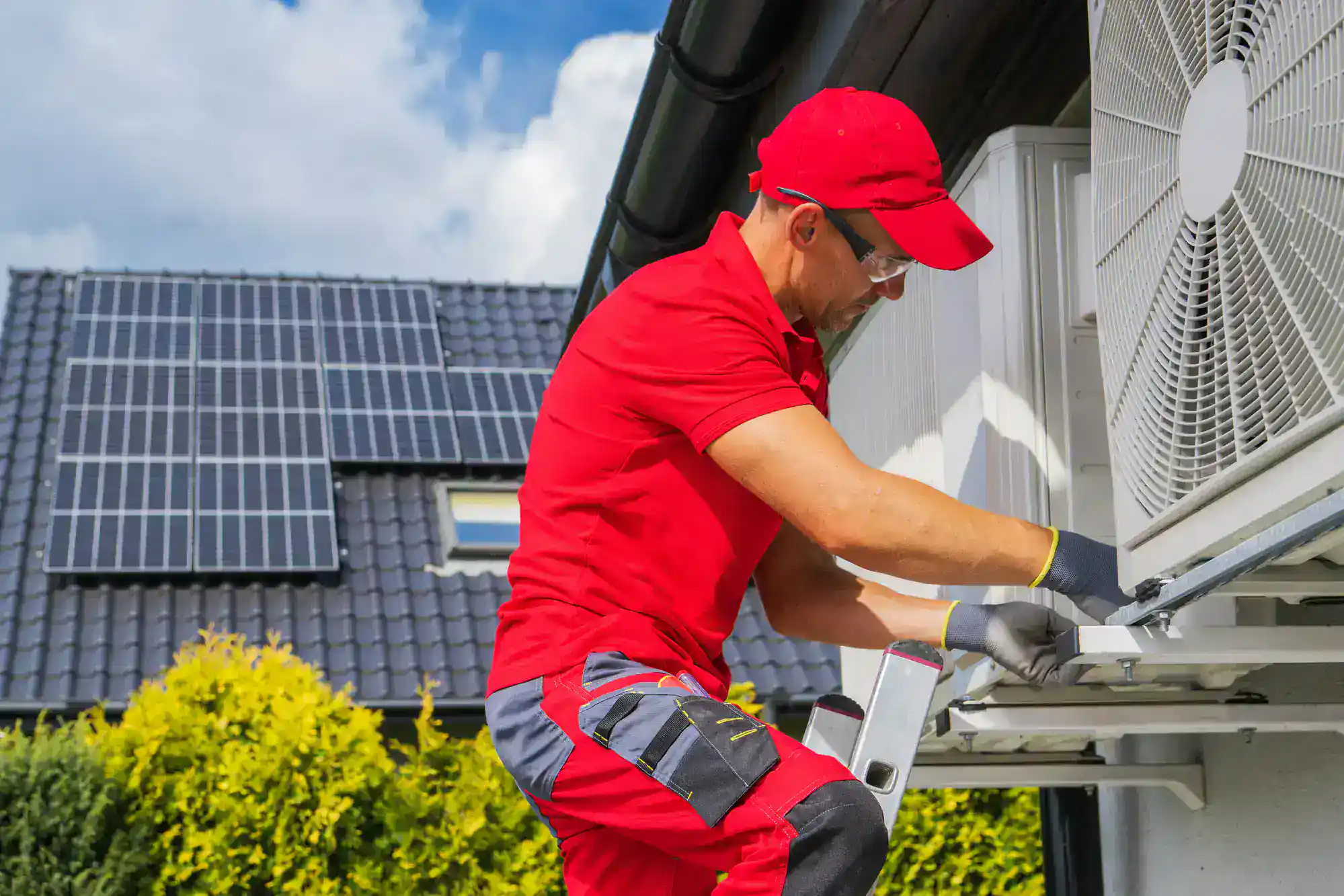
Installing a solar-powered heat pump system is more involved than replacing a standard AC unit, but understanding the process helps you plan appropriately. The installation typically happens in two phases: solar panel installation and heat pump installation, though we can coordinate both to minimize disruption.
The process starts with a detailed home energy assessment. We evaluate your current system, measure your home’s heating and cooling needs, examine your roof for solar panel placement, and check your electrical panel capacity. This assessment determines the right size heat pump and solar array for your specific situation. Proper sizing is critical because an oversized system wastes money upfront while an undersized system won’t meet your needs.
Solar panel installation usually takes one to three days depending on your roof size and complexity. Installers mount racking systems to your roof, attach the panels, run wiring to an inverter, and connect everything to your electrical panel. They handle all permits and arrange for utility company inspection and approval. Your roof needs adequate space with good sun exposure, typically requiring about 300 to 400 square feet for a standard residential system.
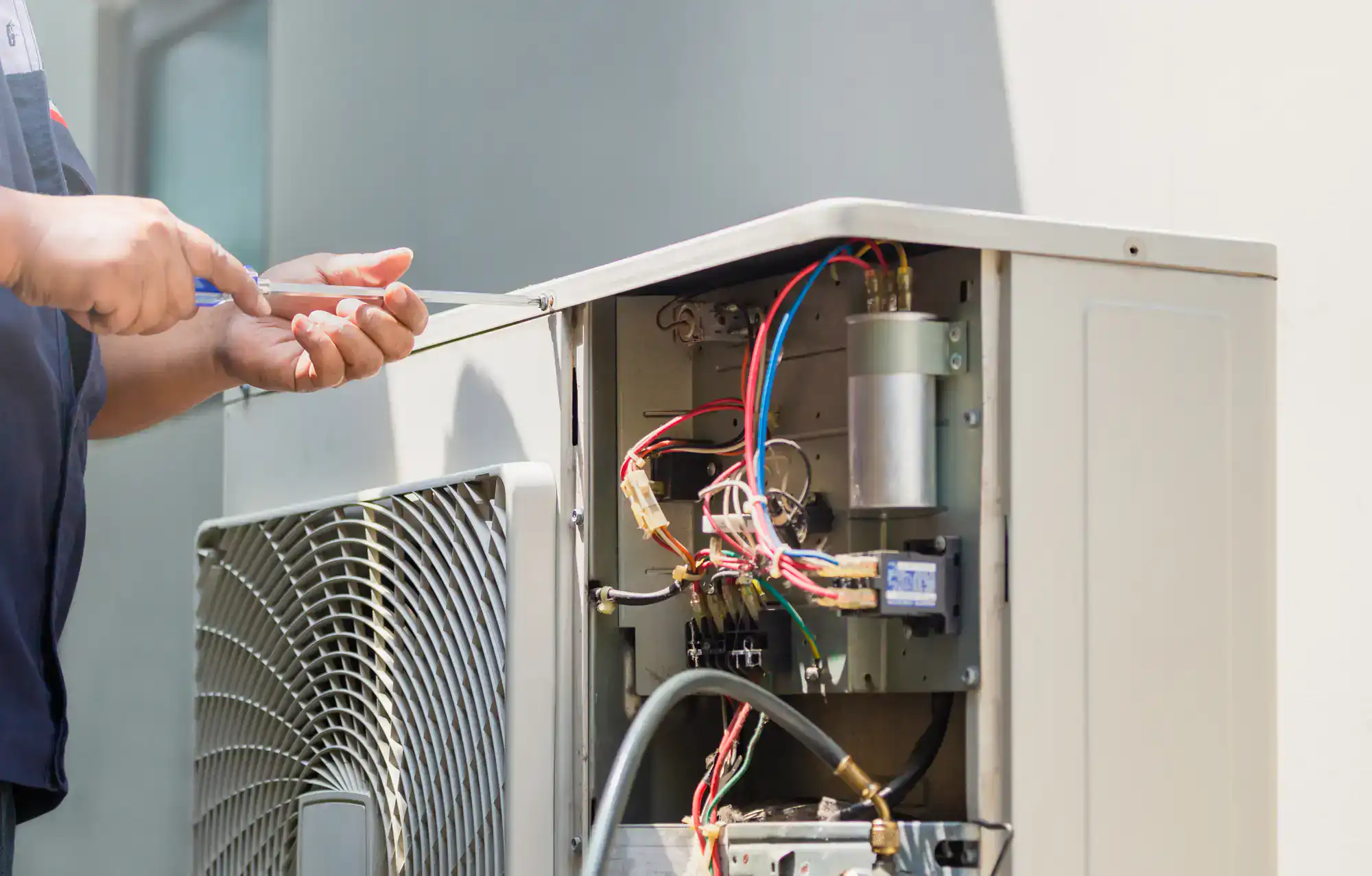
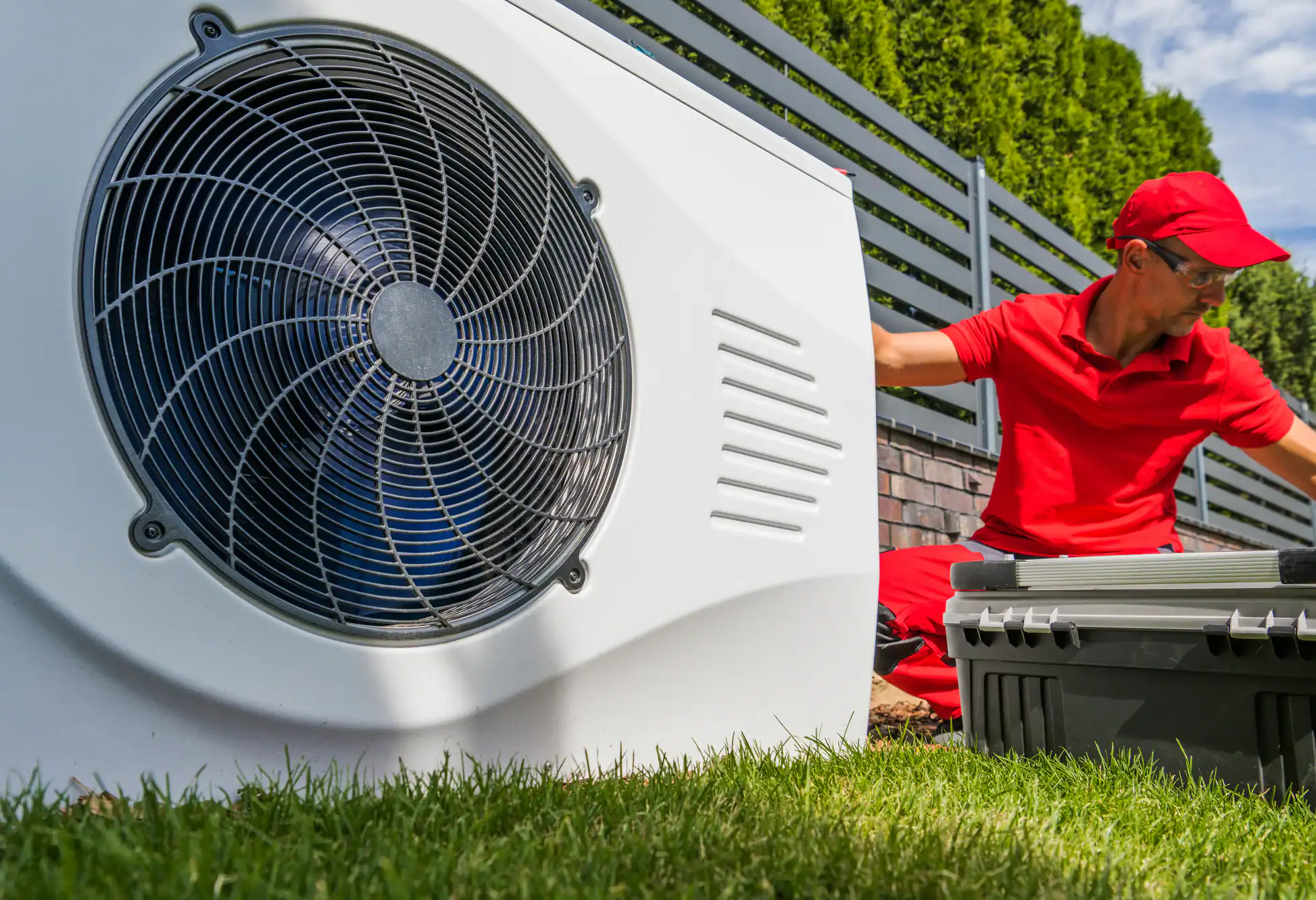
Heat pump installation follows similar timing, typically taking one to two days for a complete system. If you’re replacing existing HVAC equipment, our technicians first safely remove the old system, including proper refrigerant recovery as required by law. We install the new outdoor unit on a level pad, place the indoor air handler, connect refrigerant lines, complete electrical connections, and test the entire system thoroughly.
The coordination between solar and heat pump installations matters. Some homeowners install both simultaneously, while others phase the work to spread costs. Installing solar first lets you see immediate savings on your entire electric bill. Adding the heat pump later then reduces your remaining electricity consumption further. Alternatively, installing the heat pump first improves your HVAC efficiency, then adding solar later maximizes those gains.
Permits and inspections are required for both solar and HVAC work in Sacramento County. We handle all permitting as part of our service, ensuring installations meet building codes, electrical standards, and safety requirements. This protects you legally and guarantees your system qualifies for any available rebates or incentives.
Your home will be without heating and cooling during heat pump installation, so timing matters. Most Sacramento homeowners schedule HVAC work during mild weather in spring or fall when losing climate control for a day or two is manageable. Emergency installations during heat waves are possible but often cost more due to rushed scheduling.
After installation, expect a commissioning period where we verify everything operates correctly. For heat pumps, this includes testing both heating and cooling modes, checking refrigerant levels, confirming proper airflow, and programming your thermostat. Solar systems require utility approval before they can connect to the grid, which can take a few days to several weeks depending on your utility company’s workload.
Solar-powered heat pump systems require regular maintenance to deliver their promised efficiency and longevity, but the maintenance burden is reasonable and the payoff in reliability is significant. Understanding what’s required helps you budget appropriately and avoid problems that reduce performance.
Heat pumps need professional maintenance twice yearly, ideally before cooling season starts and again before heating season. These tune-ups include cleaning coils, checking refrigerant levels, inspecting electrical connections, testing controls, lubricating moving parts, and verifying proper airflow. Regular maintenance prevents small issues from becoming expensive failures and keeps your system running at peak efficiency. Skipping maintenance typically reduces efficiency by 5% to 10% annually and shortens equipment life.
Solar panels require minimal maintenance but aren’t completely hands-off. Sacramento’s relatively low rainfall means dust and debris can accumulate, reducing power production by 5% to 20% if left unchecked. Most homeowners clean panels once or twice yearly, either by hosing them down or hiring a professional service. The panels have no moving parts, so mechanical failures are rare. However, the inverter typically needs replacement after 10 to 15 years.
The combined system’s advantage is that both components are designed for long service lives. Quality heat pumps last 15 to 20 years with proper maintenance. Solar panels typically carry 25-year warranties and continue producing power for 30 years or more, though at gradually reduced efficiency. This means your system can deliver decades of low-cost heating and cooling after the initial investment pays back.
Common issues are usually straightforward to address. Heat pumps might need refrigerant recharging if there’s a slow leak, or fan motors eventually wear out and need replacement. Solar systems occasionally need inverter repairs or panel replacements if one is damaged. Having a maintenance relationship with us guarantees problems get diagnosed and fixed quickly, since we understand both technologies.
Monitoring systems help you track performance and catch issues early. Most modern solar installations include monitoring that shows daily energy production. Many newer heat pumps also offer monitoring through smart thermostats or dedicated apps. When you can see your system’s performance data, you’ll notice immediately if production drops or efficiency declines, allowing you to address problems before they worsen.
The maintenance costs are reasonable relative to the energy savings. Budget roughly $150 to $300 annually for heat pump tune-ups and occasional solar panel cleaning. Compare that to the $500 to $1,500 or more you’re saving annually on electricity, and the math still works strongly in your favor. Plus, proper maintenance protects your investment by making sure the system reaches its full expected lifespan.
Sacramento’s climate is relatively gentle on HVAC equipment compared to areas with extreme cold or coastal salt air. Your heat pump won’t face the brutal conditions that shorten equipment life in harsher climates. The main stress comes from extended summer operation, which is exactly when your solar panels are producing maximum power to reduce grid electricity consumption and associated wear.
Solar-powered heat pumps represent a significant shift in how you approach home comfort and energy costs. The technology works, the savings are real, and Sacramento’s climate makes it particularly effective. But it’s still a major investment that deserves careful consideration based on your specific situation.
The strongest case exists for homeowners planning to stay in their homes long-term, currently spending significant amounts on heating and cooling, and wanting protection against rising electricity rates. If you’re already considering HVAC replacement because your current system is aging or inefficient, adding solar makes the investment more compelling by addressing both equipment needs and energy costs simultaneously.
The decision becomes more complex if federal incentives remain limited or if your current HVAC system is relatively new and efficient. However, Sacramento’s abundant sunshine, high cooling demands, and California’s push toward building electrification all point toward solar-powered heat pumps becoming increasingly standard rather than exceptional.
When you’re ready to explore whether this technology fits your home, we’re here to help. At Hot & Cold HVAC, we have the expertise to evaluate your specific situation, explain your options honestly, and install systems that deliver the performance and savings you’re expecting.
Article details:
Share:
Continue learning: