Professional AC tune-ups in Sacramento County cost $95-$200, but DIY mistakes can cost thousands. Here's what you need to know before deciding.
Share:
Summary:
You’re looking at your AC unit, wondering if you should call someone or just handle it yourself. Maybe you’ve watched a few YouTube videos. Maybe you’re trying to avoid a big bill. Either way, you want to know what actually makes sense for your situation and your wallet.
Here’s the thing about Sacramento County: when it gets hot, it gets really hot. Your system works harder here than in most places. That means the stakes are higher when you’re deciding between professional service and doing it yourself. Let’s look at what each option actually costs—and what it could cost you if something goes wrong.
A professional air conditioning tune up in Sacramento County typically runs between $95 and $200. That’s not pocket change, but it’s also not as steep as many homeowners expect.
DIY maintenance looks cheaper on paper. You’ll spend maybe $30 to $50 on basic supplies—filters, coil cleaner, a brush. But that number only tells part of the story.
The real cost difference shows up in what happens next. Professional technicians catch problems you can’t see. They have tools you don’t own. And they know what to look for when a system has been running in 100-degree heat for months straight.
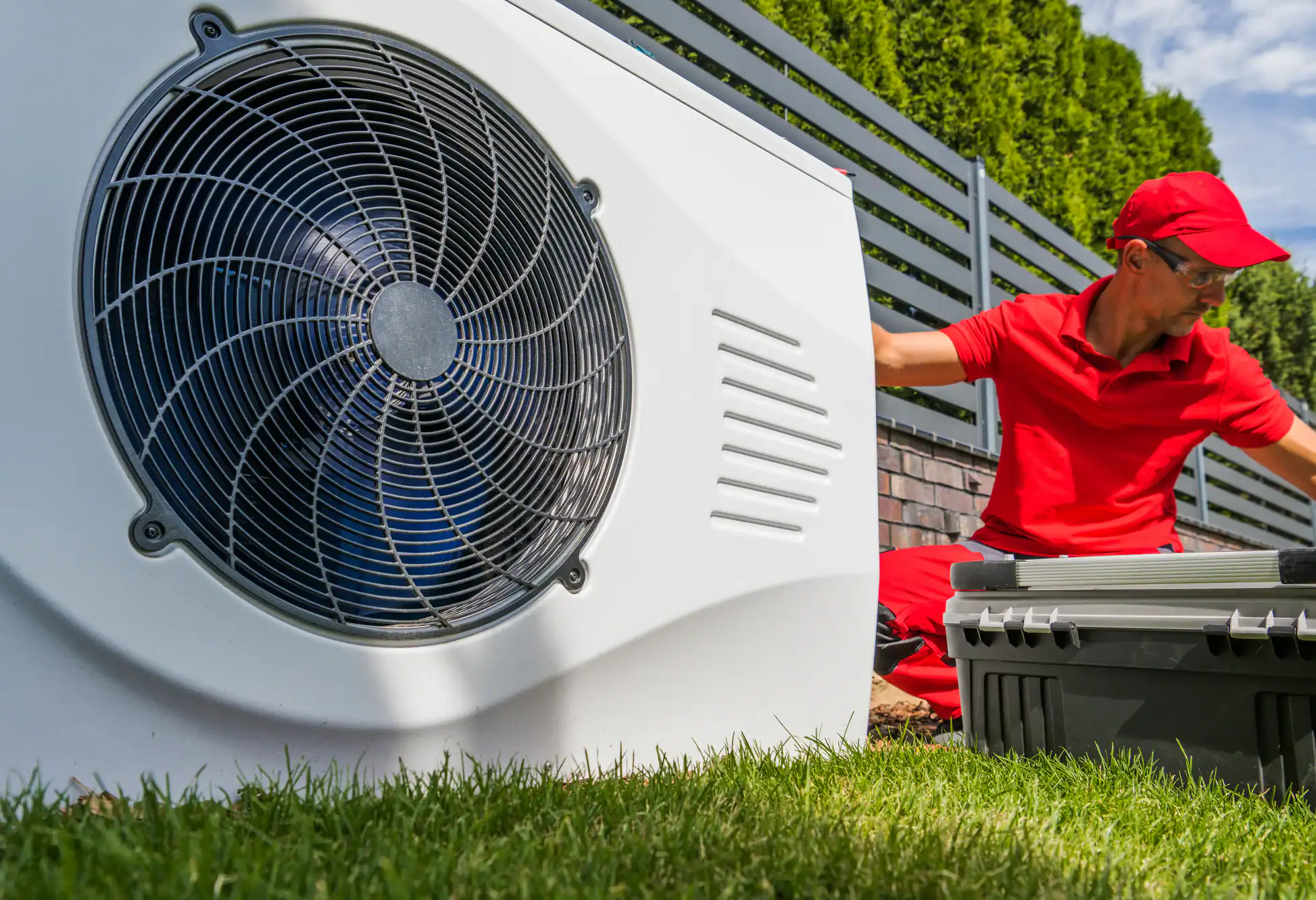
When you pay for a professional tune up, you’re not just paying someone to change your filter. You’re getting a comprehensive system check that addresses the specific ways air conditioners fail in this climate.
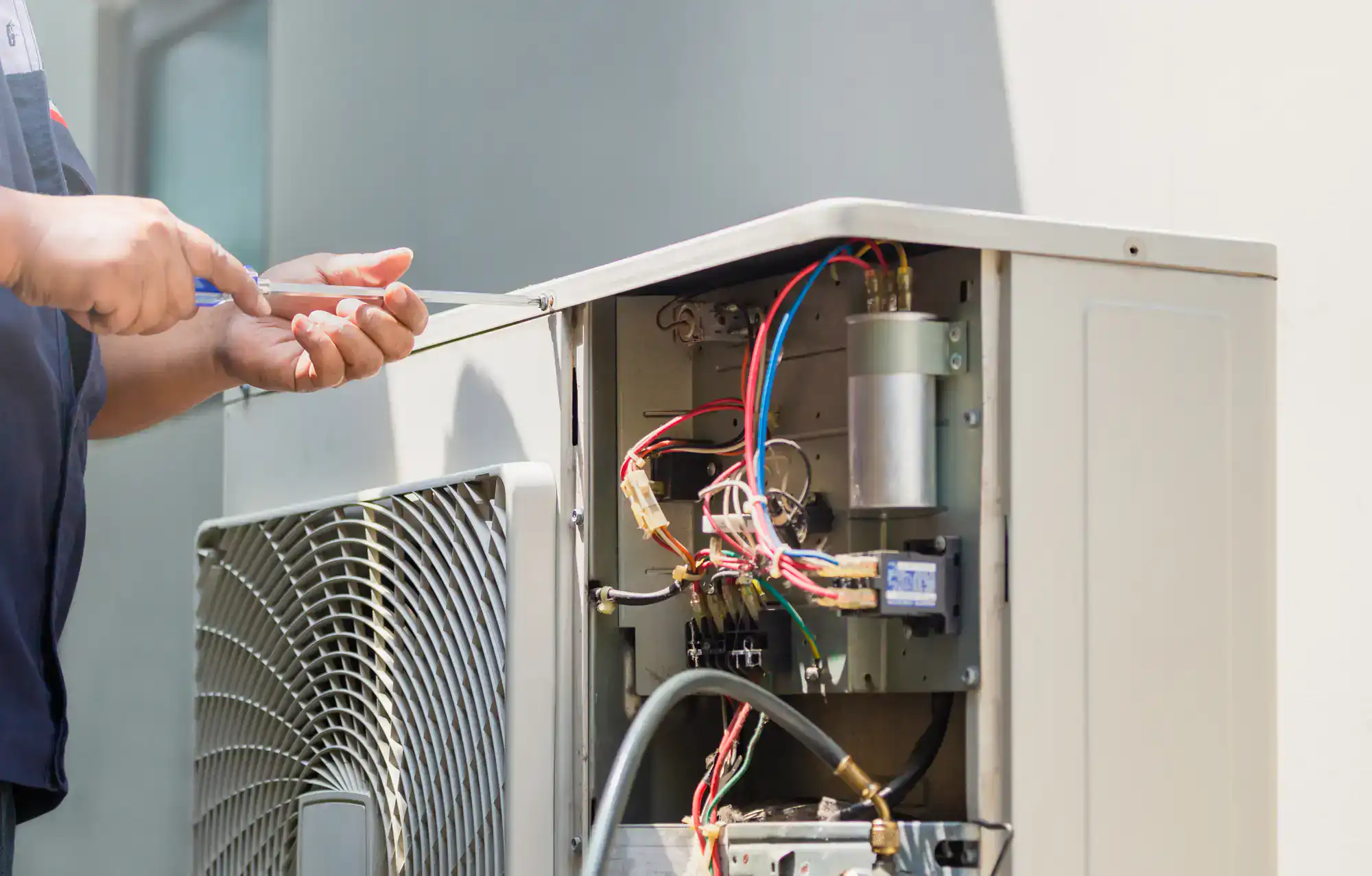
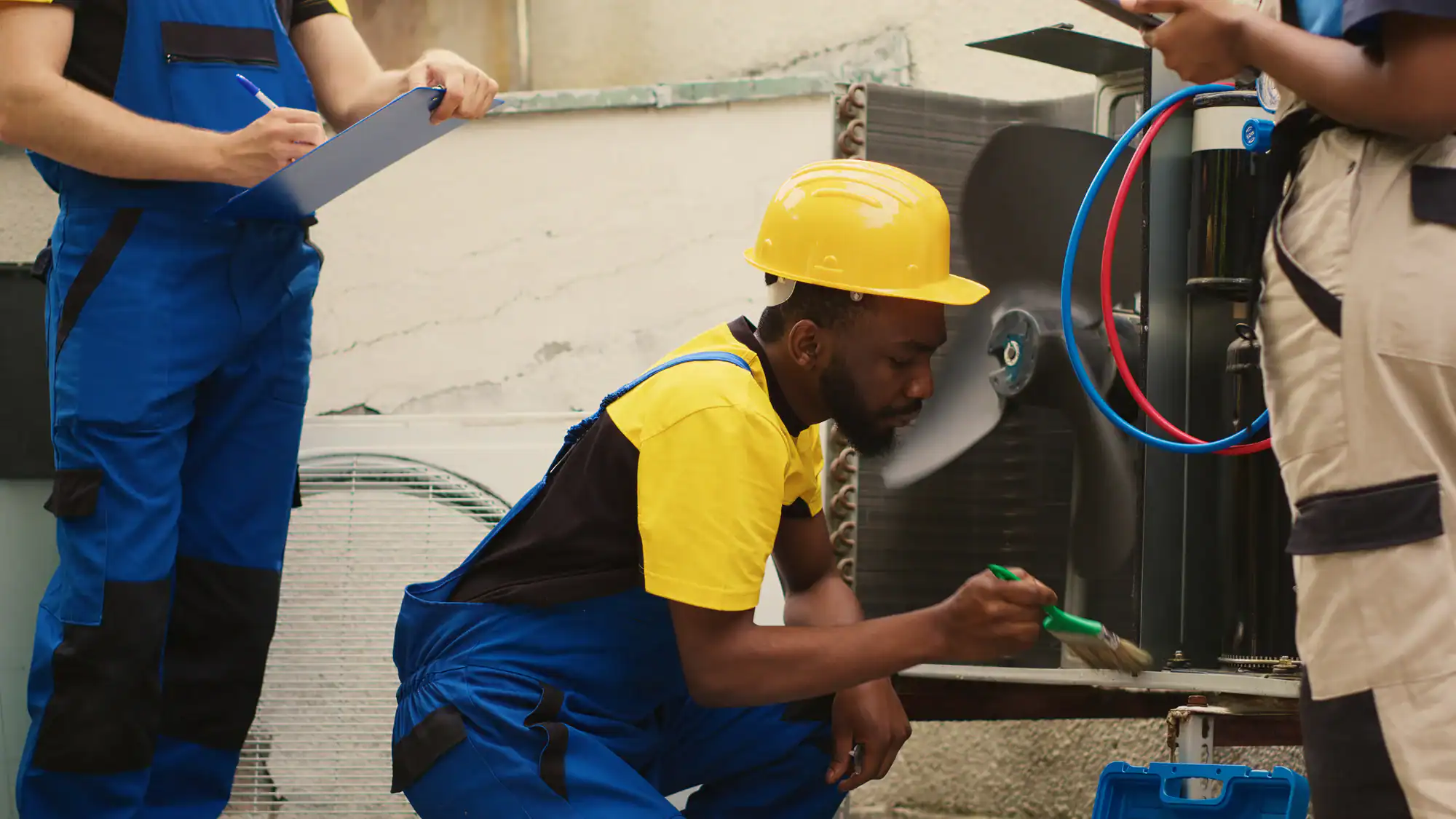
A complete service includes inspecting and cleaning components like filters, coils, and condensate drains. Our technicians check refrigerant levels, tighten electrical connections, and test system efficiency. We measure airflow, check for leaks, and identify worn parts before they break.
Here’s what most homeowners don’t realize: Sacramento’s heat doesn’t just make your AC work harder. It accelerates wear on specific components. Capacitors fail faster. Coils get dirtier. Refrigerant lines develop leaks from constant expansion and contraction.
Licensed technicians know which parts fail first in this environment. We check those components carefully during every visit. That’s the difference between catching a $150 capacitor replacement and dealing with a $1,500 compressor failure three months later.
The average tune up takes about an hour to 90 minutes. During that time, a good technician will also answer your questions, show you any concerns, and give you a realistic timeline for future repairs. You’re not just buying a service—you’re getting information that helps you plan ahead.
And if you’re worried about hidden fees, we offer upfront, transparent pricing. You should know what you’re paying before anyone starts work. No surprises. No pressure. Just clear information so you can decide what makes sense for your situation.
There are absolutely some maintenance tasks you can handle yourself. Changing your filter every month during cooling season is one of them. Keeping debris clear from your outdoor unit is another. Wiping down accessible surfaces and making sure vents aren’t blocked—these are all reasonable DIY tasks.
The problem starts when homeowners try to go beyond basic cleaning and observation. Your AC system has electrical components carrying high voltage, refrigerant lines containing chemicals that require special handling, and calibrated parts that need specific tools to adjust properly.
You can change a filter. You should not attempt to check refrigerant levels, repair electrical connections, or clean internal coils without training. Even something that seems simple—like straightening bent fins on your condenser—can cause problems if you don’t know what you’re doing.
Here’s the bigger issue: a proper tune up requires specialized tools and technical knowledge. While you can do basic maintenance like changing filters and keeping units clean, complex tasks can damage equipment, void warranties, or create safety hazards. Without the ability to measure refrigerant pressure, test electrical draw, or properly clean evaporator coils, you’re essentially guessing about your system’s condition.
Most DIY attempts save money in the short term but cost more in the long run. You might skip a $150 tune up, miss a small refrigerant leak, and end up with a $600 repair bill when your compressor fails. Or you might accidentally damage a component while cleaning and void your warranty, turning a covered repair into an out-of-pocket expense.
And then there’s the safety factor. Without proper training and experience, tackling repairs on an air conditioning system can lead to more harm than good. Even minor errors can result in significantly higher costs than if you’d called a professional from the start. Trying to make adjustments could be dangerous because of electrical components and coils containing chemical refrigerant.
The smart approach? Handle the basics yourself—filters, outdoor cleaning, keeping vents clear. But bring in a licensed technician at least once a year for the technical work that actually prevents breakdowns. Most homeowners find that scheduling professional AC maintenance in early spring—between March and April—sets them up for a reliable cooling season.
Want live answers?
Connect with a Hot & Cold HVAC expert for fast, friendly support.
Sacramento might be known for heat, but you still need your furnace when temperatures drop. And just like your AC, your heating system needs regular attention to work reliably when you need it.
The best time to schedule a furnace tune up is early fall—between October and November—before you actually need heat. Waiting until the first cold snap means you’re competing with everyone else who waited, and you’re risking a breakdown when you have no backup plan.
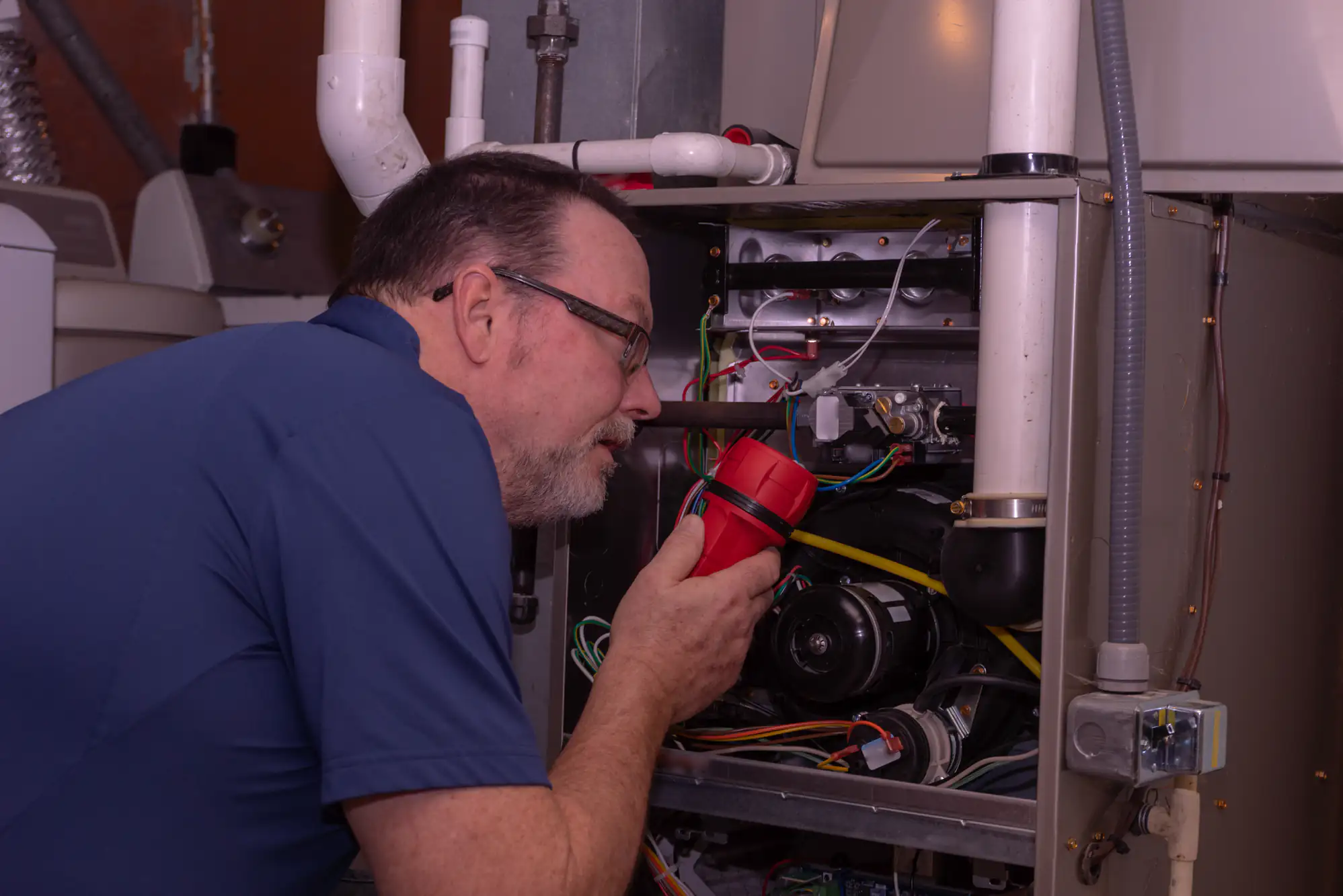
Furnace maintenance looks similar to AC service but focuses on different components. Our technicians check burners, test safety controls, inspect heat exchangers, and make sure your system isn’t producing carbon monoxide. These aren’t things you can check yourself, and they’re not things you want to skip.
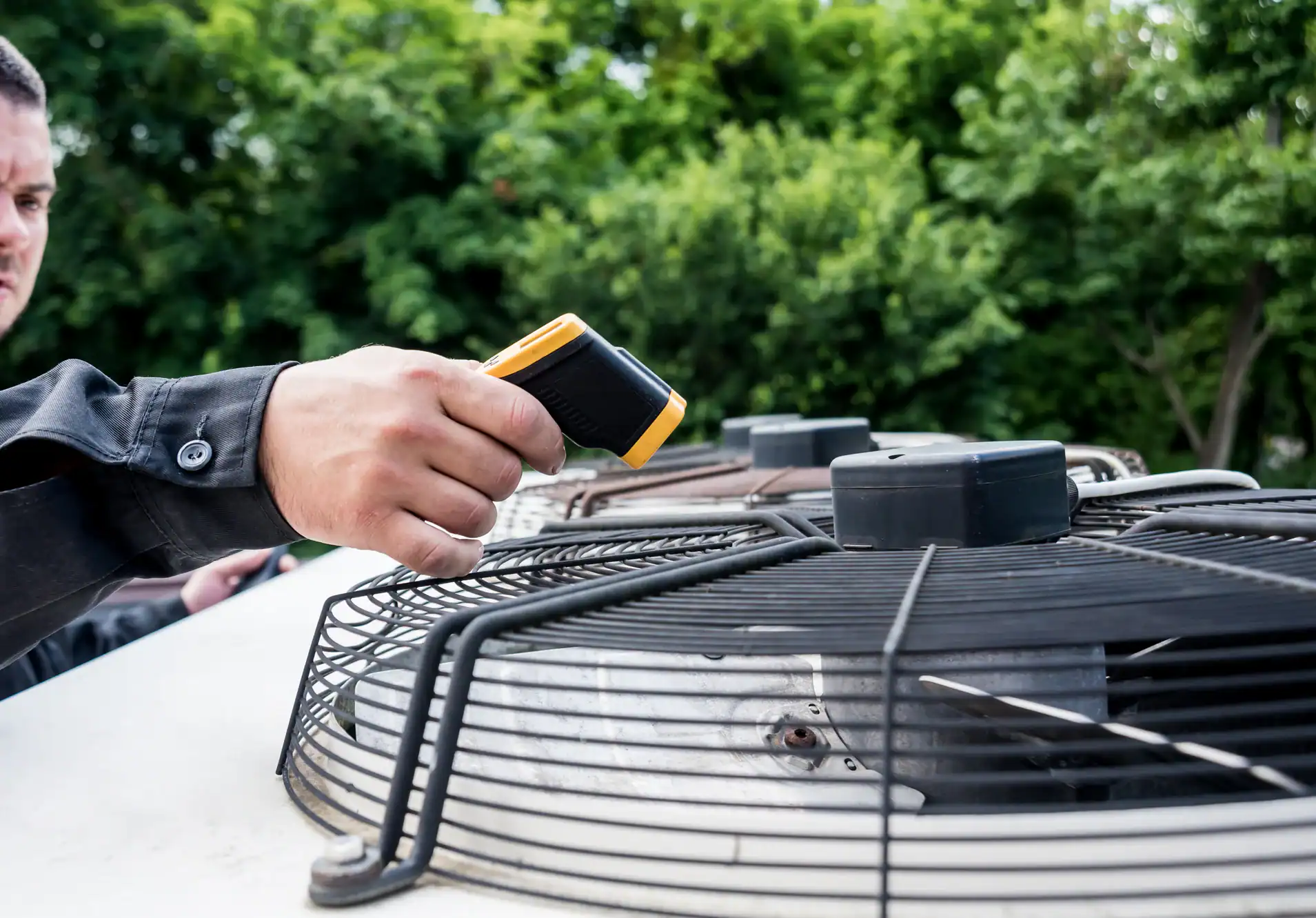
According to industry data, up to 75% of no-heat calls in winter happen because of lack of maintenance. That’s not a coincidence. Most heating and cooling failures don’t come out of nowhere—they start as small problems that get worse over time.
A worn belt. A dirty flame sensor. A capacitor that’s starting to fail. These issues don’t cause immediate breakdowns, but they put stress on other components. Left alone, that stress leads to bigger failures that cost significantly more to fix.
Scheduling annual tune-ups can help catch minor issues before they become major problems, extending the life of your unit and maintaining its efficiency. Regular maintenance helps prevent the need for significant repairs, which can impact your wallet. Emergency AC repair costs average $300 to $600, while most homeowners spend between $120 and $200 annually on professional tune-ups.
Here’s how the math works: you spend $150 on a spring tune up. During that visit, our technician notices your capacitor is reading weak. Replacing it costs another $150. Total: $300.
Without that tune up, the capacitor fails in July during a heat wave. Now your compressor is working without proper electrical support. It overheats and burns out. The emergency repair costs $600 just for the service call and diagnosis. The compressor replacement runs another $1,500 to $2,000. Total: $2,100 to $2,600.
That’s not a worst-case scenario. That’s a common pattern. Small problems become expensive problems when you ignore them or don’t know they exist. Professional maintenance catches those small problems while they’re still small.
And there’s another benefit most people don’t think about: well-maintained HVAC systems cut energy use by 15% to 20%, saving hundreds on yearly utility bills. A system that’s running efficiently doesn’t have to work as hard to maintain temperature. It cycles less frequently, uses less electricity, and puts less wear on components.
Over the 15 to 20-year lifespan of a well-maintained system, those energy savings add up to thousands of dollars. Neglected systems typically last only 8 to 12 years and cost more to run every single month. The tune up isn’t an expense—it’s an investment that pays for itself multiple times over.
Some situations require immediate professional attention, regardless of whether you’re due for routine maintenance. If you’re experiencing any of these issues, don’t wait and don’t try to fix them yourself.
Weak airflow from your vents could indicate clogged filters, dirty coils, or a malfunctioning blower motor. If your AC is blowing warm air instead of cool air, it may signal refrigerant leaks, compressor problems, or airflow restrictions. Strange noises—grinding, rattling, or squealing—coming from your unit should not be ignored. These sounds could indicate worn-out components or mechanical issues that require attention.
If your system frequently turns on and off, it could be struggling to maintain temperature due to dirty filters, low refrigerant levels, or a faulty thermostat. A sudden spike in your energy bills without a corresponding increase in usage could indicate that your unit is working harder than necessary due to inefficiencies.
Here’s what happens in Sacramento County specifically: when temperatures hit triple digits, stressed systems fail fast. A small problem becomes a complete breakdown in hours, not days. If you notice any warning signs during a heat wave, get someone out immediately. Don’t wait for your next scheduled maintenance.
Also watch for water or moisture around your indoor unit. Air conditioner water leakages are usually due to a clogged drain pipe or a leak in the refrigerant. Refrigerants generate cool air and may cause condensation as they work, but liquids should not accumulate or leak into your home. If you notice leaks around your unit, it means your refrigerant is not performing exactly as it should.
And if you smell anything unusual—burning odors, musty smells, or anything that doesn’t belong—shut the system off and call for service. Foul or musty odors emanating from your vents might mean mold or other contaminants. Electrical smells could indicate wiring problems that pose a fire risk.
These aren’t problems you troubleshoot yourself. These are problems that require licensed technicians with proper tools, training, and insurance. Attempting DIY repairs or hiring an unlicensed technician can lead to improper fixes, which can cause more significant problems over time and even void your manufacturer’s warranty.
The decision between professional service and DIY maintenance isn’t all or nothing. You can handle basic upkeep yourself—changing filters monthly, keeping your outdoor unit clear, monitoring how your system sounds and performs. Those tasks save you money and help you catch obvious problems early.
But for the technical work that actually prevents breakdowns and extends your system’s life, professional service makes sense. The cost of an annual tune up is significantly less than the cost of emergency repairs, and the energy savings alone often cover the service fee within months.
Sacramento County’s climate is hard on HVAC systems. When temperatures regularly hit triple digits, your equipment doesn’t get breaks. It works harder and wears out faster than systems in milder climates. That makes professional maintenance even more valuable here than in other parts of the country.
If you’re ready to schedule service or if you have questions about what your system actually needs, we serve Sacramento and Placer counties with licensed, insured technicians who understand how this climate affects your equipment. No pressure. No hidden fees. Just straight answers and reliable service when you need it.
Article details:
Share:
Continue learning: