Your AC doesn't pick convenient times to fail. Learn how Sacramento homeowners can spot problems early, make smart repair decisions, and survive summer without overpaying for fixes.
Share:

Summary:
Your thermostat says 72. Your house feels like 82. The AC’s running, but something’s off.
It’s the middle of July in Sacramento County, and you’ve got decisions to make. Call someone out and risk a $200 diagnostic fee for a dirty filter? Wait it out and hope it doesn’t get worse? Try to fix it yourself and possibly make things worse?
Here’s what actually matters when your cooling system starts acting up. You’ll know what to check first, when to call for help, and how to avoid the most expensive mistakes Sacramento homeowners make every summer.
Most AC problems fall into one of three categories: something’s clogged, something’s leaking, or something’s broken. The fix might cost $150 or $1,500 depending on which one you’re dealing with.
A clogged filter runs you $20 and ten minutes of your time. A failed compressor? That’s a different conversation—usually $1,200 to $2,500 if you can even find the parts.
The tricky part is figuring out which category you’re in before someone shows up with a clipboard. That’s where knowing your system helps. Not the technical stuff—just the basics of what’s normal and what’s not.
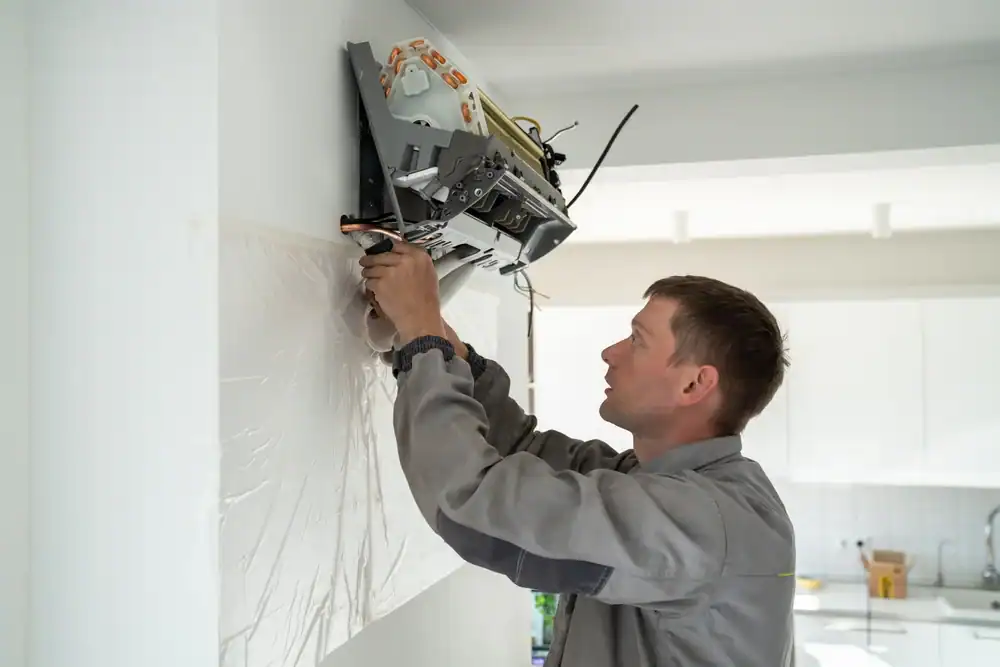
Refrigerant doesn’t just “run low” over time. Your system is sealed. If the refrigerant level drops, something’s leaking.
You might notice the air from your vents feels less cold than it used to. Or your energy bill jumped for no obvious reason. Maybe there’s ice forming on the copper lines running to your outdoor unit—counterintuitive, but it happens when refrigerant levels drop.
Here’s the thing about refrigerant leaks: they get worse, not better. That pinhole leak in your evaporator coil will expand. The system will work harder to compensate. Your compressor will strain. And eventually, you’re not just fixing a leak anymore—you’re replacing major components.
A proper repair means finding the leak, fixing it, testing the seal, and recharging the system. It’s not a DIY job. The refrigerant itself requires EPA certification to handle, and the tools to properly evacuate and recharge the system aren’t something most homeowners have lying around.
Cost-wise, you’re usually looking at $200 to $1,500 depending on where the leak is and how much damage happened before you caught it. If your system uses R-22 (the old refrigerant that’s being phased out), the refrigerant alone costs a fortune now. That’s often when the repair-versus-replace math starts tilting toward replacement.
The good news? Most refrigerant leaks give you warning signs before they become emergencies. Catch them early and you’re looking at a repair. Ignore them through a Sacramento summer and you might be shopping for a new system by August.
Not everyone in Sacramento County runs traditional air conditioning. Plenty of homes—especially older ones—still use evaporative coolers. Different technology, different problems, different repairs.
Evaporative coolers (swamp coolers, if you grew up here) work by pulling hot air through water-soaked pads. Simple concept. Fewer moving parts than refrigerated AC. Works great in Sacramento’s dry climate because the evaporation process adds a little humidity while it cools.
The most common repair? Mold in the pads or reservoir. Happens when people shut the system down for winter without draining it first. You come back in spring, fire it up, and suddenly you’re pumping musty air through the house.
Other frequent issues include pump failures, cracked reservoirs, and burned-out fan motors. The parts are usually cheaper than traditional AC components. The labor is simpler. But you still need someone who knows what they’re doing, especially if the unit’s on your roof.
One thing to watch: if your evaporative cooler isn’t cooling like it used to, check the pads first. They get caked with mineral deposits from Sacramento’s water. Sometimes “repair” just means replacing $30 worth of pads and flushing the system. Other times, you’re looking at a motor or pump replacement.
The decision to repair versus replace an evaporative cooler usually comes down to age and efficiency. If your cooler is 15+ years old and needs a major component, you might be better off upgrading to a newer, more efficient model. Or making the jump to refrigerated AC if you’re tired of opening windows and dealing with humidity swings.
Either way, don’t wait until June to find out your cooler’s not working. Spring maintenance catches most problems before they become expensive summer emergencies.
Want live answers?
Connect with a Hot & Cold HVAC expert for fast, friendly support.
Most AC failures don’t come out of nowhere. They announce themselves weeks or months in advance with small signs that are easy to miss when the system’s still technically working.
A tune-up catches those signs. Dirty coils that haven’t failed yet but are making your system work 30% harder. Electrical connections that are loose but not quite loose enough to stop working. Refrigerant levels that are slightly low but haven’t triggered a complete shutdown.
Fix those issues in April and you’re looking at $75 to $200 for the service call. Wait until they cascade into a complete failure in July and you’re looking at emergency rates, longer wait times, and potentially bigger repairs.
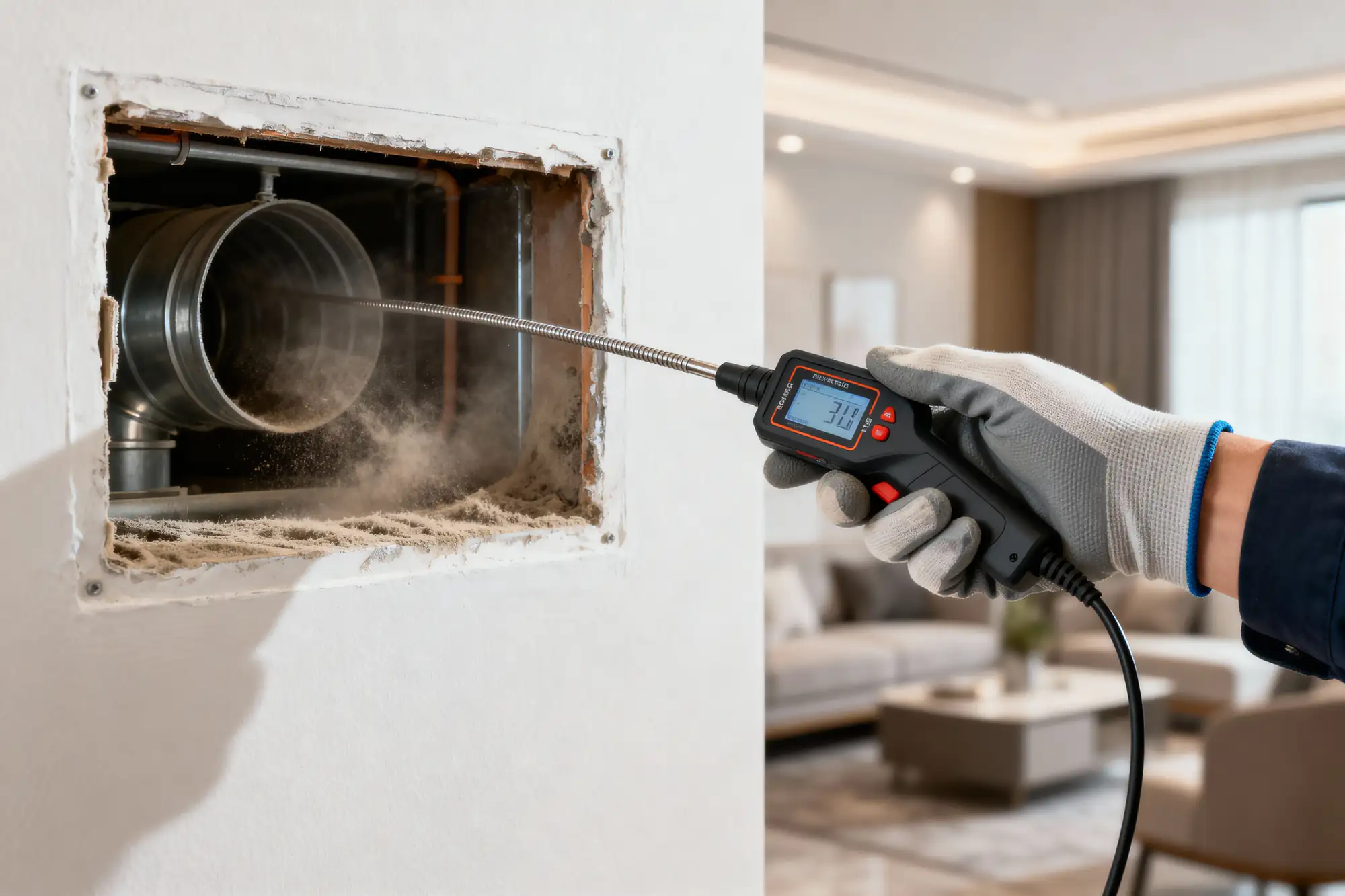
A real maintenance visit isn’t someone glancing at your outdoor unit and calling it good. There’s a checklist, and if your tech is skipping steps, you’re not getting what you paid for.
We check refrigerant levels and look for leaks. Test the thermostat calibration. Inspect electrical connections and tighten anything loose. Clean the evaporator and condenser coils—this alone can improve efficiency by 15% or more in Sacramento’s dusty conditions.
We check your condensate drain line for clogs. Clear it if needed. Inspect the blower motor and fan blades. Test the capacitor and contactor. Measure the temperature split between return air and supply air to make sure the system’s actually cooling properly.
And yes, we change or clean your filter. Though honestly, that’s something you should be doing yourself every month during cooling season. Sacramento’s dust and pollen will clog a filter faster than you think.
Here’s what separates a good maintenance visit from a waste of money: we tell you what we found. Not just “everything looks good” or “you need a new system.” Specific findings. Coils were dirty, now they’re clean. Refrigerant was low by half a pound, topped it off and checked for leaks. Capacitor is reading weak, you’ll probably need to replace it next year.
That information helps you plan. Budget for upcoming repairs. Decide if you’re one expensive fix away from replacement. Make informed decisions instead of getting surprised by a $1,500 bill in the middle of summer.
The other thing a good maintenance service does? It keeps your warranty valid. Most manufacturers require annual professional maintenance to honor warranty claims. Skip it for a few years and that “lifetime warranty” on your compressor might not be worth the paper it’s printed on.
Your AC will tell you when something’s wrong. You just have to know what to listen for.
Warm air from the vents is the obvious one. But there are subtler signs that show up first. The system running longer cycles than it used to. Humidity creeping up even though the AC’s on. Weird smells when it kicks on—musty usually means mold in the ductwork, chemical smell might mean a refrigerant leak.
Strange noises are your system’s way of screaming for help. Grinding or squealing usually means a belt or bearing issue. Hissing often points to a refrigerant leak. Banging or clanking suggests something’s come loose inside the unit.
Higher energy bills without a corresponding increase in usage? Your system’s working harder than it should. Could be dirty coils, low refrigerant, a failing compressor, or a dozen other things. But it’s definitely telling you something needs attention.
Ice on the refrigerant lines or around the indoor unit isn’t normal, even when it’s 105 outside. It usually means airflow problems or low refrigerant. Either way, it’s not fixing itself.
Water pooling around your indoor unit means your condensate drain is clogged or your evaporator coils are freezing and thawing. Left alone, you’re looking at water damage on top of the AC problem.
The mistake most Sacramento homeowners make? Noticing one of these signs and waiting to see if it gets better. It won’t. AC problems escalate. That slight decrease in cooling performance becomes a complete failure. That occasional weird noise becomes a seized motor. That small refrigerant leak becomes a fried compressor.
Catch problems during maintenance and you’re often looking at minor adjustments or inexpensive parts. Wait until they become obvious failures and you’re into major repair territory. Sometimes replacement territory.
Your AC doesn’t care that it’s inconvenient to break down in July. It doesn’t care that you weren’t planning to spend money on HVAC this year. It just stops working when something fails.
What you can control is how you respond. Know the difference between a filter change and a compressor failure. Understand when a repair makes sense and when you’re throwing good money after bad. Find a company that gives you straight answers instead of a sales pitch.
The air conditioner repair decisions you make this summer will either save you money or cost you more in the long run. When you need honest service from licensed technicians who understand Sacramento County’s climate challenges, we bring the expertise and transparency you’re looking for.
Article details:
Share:
Continue learning: