Regular AC maintenance prevents the summer breakdowns that leave Sacramento homeowners sweating through 100-degree heat waves while facing emergency repair bills.
Share:

Summary:
Your AC quits on a Friday afternoon in July. It’s 104 degrees outside. Every HVAC company you call is booked solid for three days minimum. Your family’s camping out in front of box fans while you’re staring at a $400 emergency service quote—plus whatever the actual repair costs.
This scenario plays out across Sacramento County, CA every summer, and it’s almost always preventable. Regular AC maintenance isn’t about spending money on something that seems fine right now. It’s about avoiding the nightmare of a total system failure when you need cooling most and options are limited.
Here’s what you actually need to know about keeping your AC running through Sacramento’s brutal summers—no fluff, just the maintenance tasks that matter and when to call in professionals who know what they’re doing.
AC maintenance breaks down into two categories: tasks you can handle yourself and services that require professional expertise. Understanding the difference saves you money while keeping your system protected under warranty.
The stuff you can do yourself takes maybe 30 minutes every month or two. Change your air filter. Clear debris from around your outdoor unit. Make sure vents aren’t blocked by furniture. These simple tasks prevent a surprising number of problems.
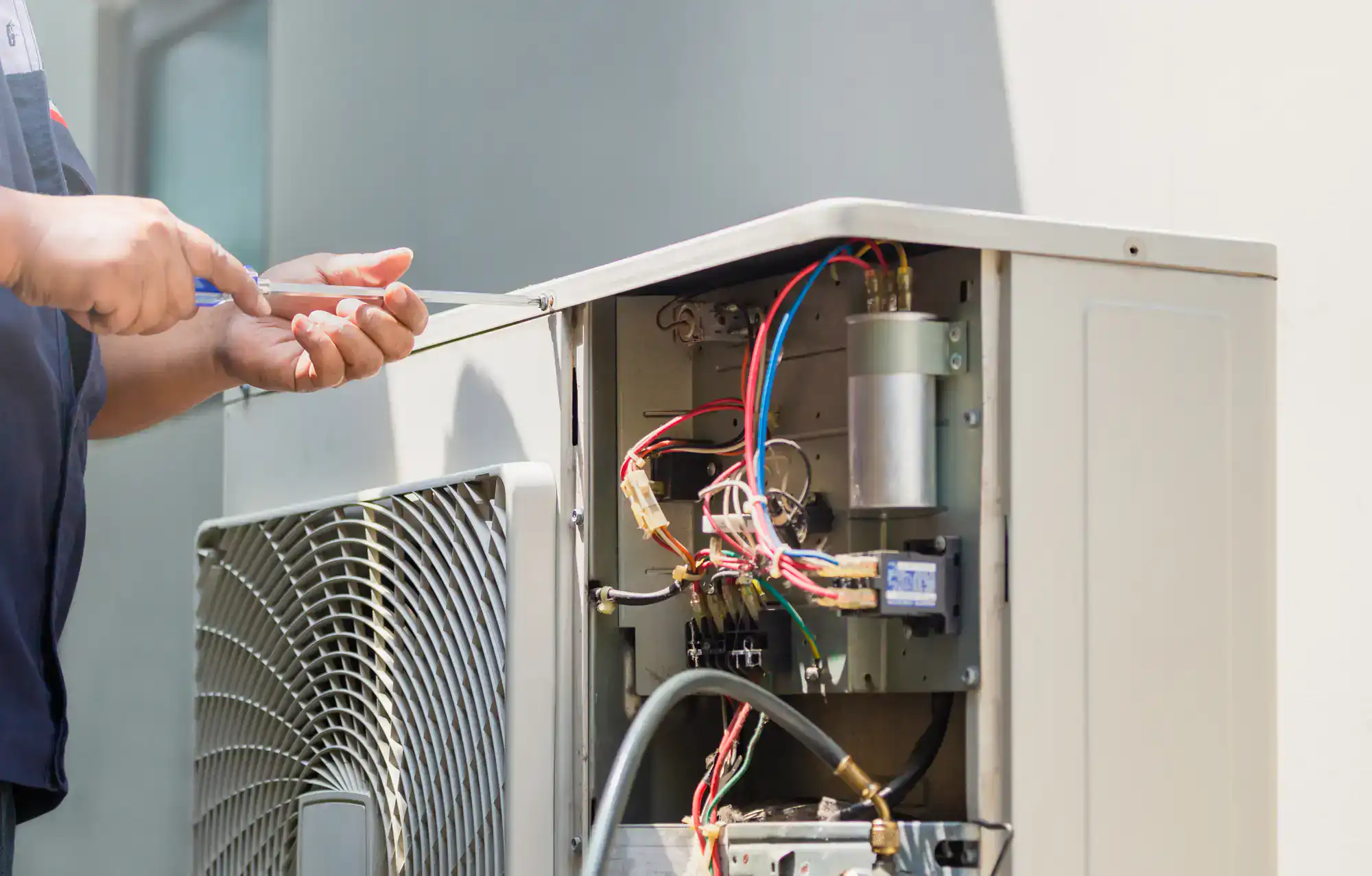
Professional maintenance goes deeper. Our licensed technicians check refrigerant levels, test electrical components, clean coils properly, and catch small issues before they become expensive failures. Sacramento County’s dusty climate and extreme heat create specific wear patterns that trained eyes spot early.
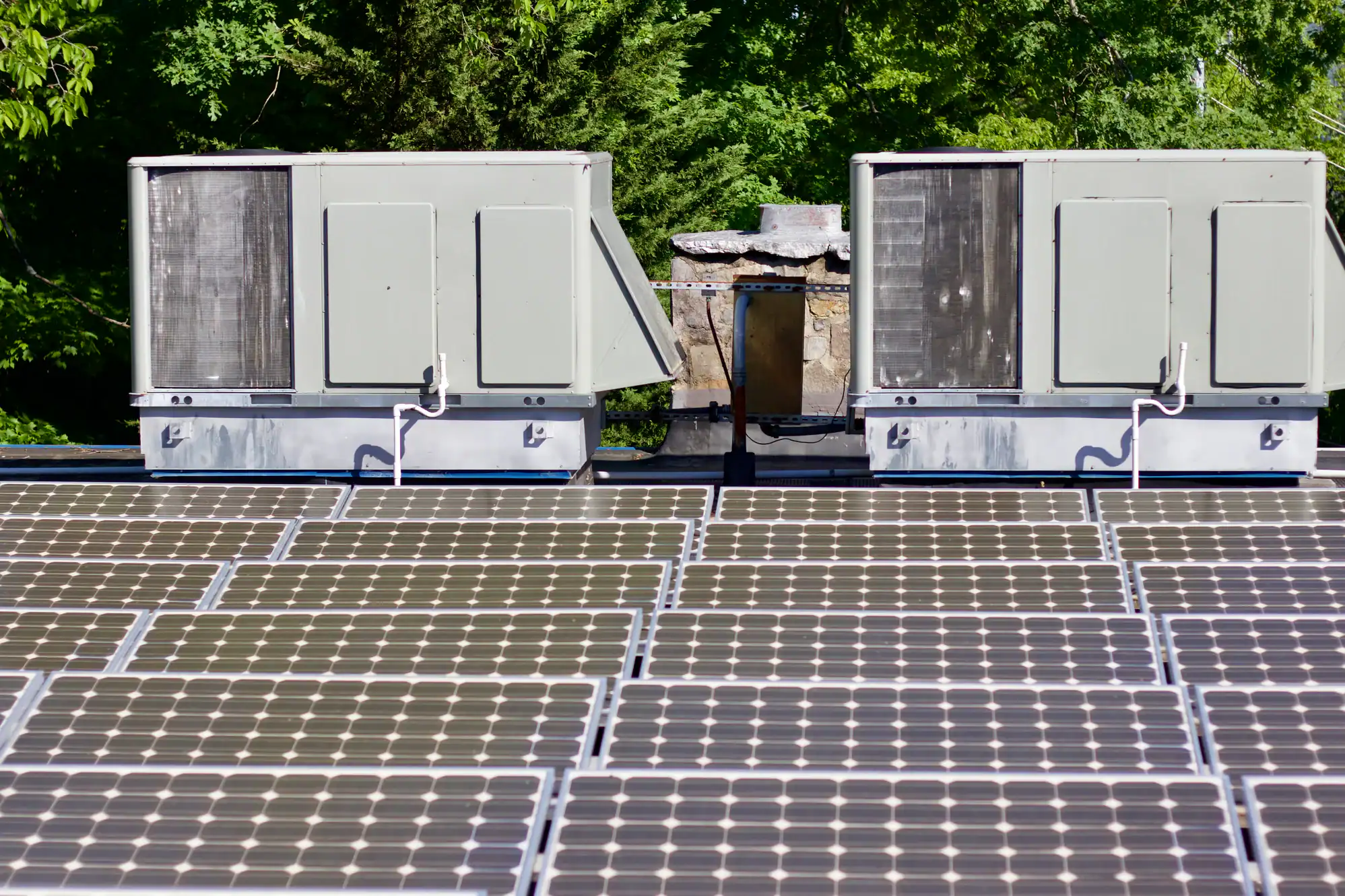
Start with your air filter. In Sacramento’s dusty environment, filters clog faster than the manufacturer’s recommended schedule suggests. Check it monthly during summer when your system runs constantly. A dirty filter forces your AC to work harder, drives up energy bills, and can lead to frozen coils that require professional repair.
Your outdoor condenser unit needs breathing room. Walk outside and look at it right now. Is there grass clippings piled against it? Leaves stuck in the fins? Debris blocking airflow? Clear everything within two feet of the unit. Sacramento’s Delta breeze carries dust and pollen that accumulate on those coils, reducing efficiency and making your system strain.
Inside your home, make sure supply and return vents aren’t blocked. That bookshelf you pushed against the wall might be covering a return vent, creating airflow problems throughout your system. Same with furniture placed directly over floor vents. Your AC needs unrestricted airflow to work efficiently.
Check your thermostat settings periodically. Sounds basic, but you’d be surprised how many service calls get solved by switching from “fan” to “cool” mode or replacing dead batteries. If you notice your home feels warmer than the thermostat setting, don’t ignore it. That’s often the first sign something needs professional attention.
Listen to your system. Strange noises—grinding, squealing, banging—mean something’s wrong. Odd smells coming from vents could indicate electrical issues or mold in ductwork. These aren’t DIY fixes. They’re reasons to call a licensed technician before a minor problem becomes a major failure.
Sacramento County, CA demands a different maintenance approach than most generic HVAC advice suggests. Our extended cooling season—often May through October—puts more hours on AC systems than homeowners in most other regions deal with.
Schedule professional maintenance in early spring, ideally March or April, before temperatures climb and HVAC companies get slammed with emergency calls. This timing lets technicians catch issues while you still have scheduling flexibility and before your system faces its hardest work of the year.
During peak summer months, you’re doing monthly checks yourself. Filter changes. Visual inspection of the outdoor unit. Listening for unusual sounds. Monitoring your energy bills for unexpected spikes that signal efficiency problems. These aren’t complicated tasks, but consistency matters.
Consider a second professional check in fall after your system has worked through Sacramento’s brutal summer. Months of continuous operation in extreme heat create wear that a post-season inspection can address before winter. This is especially important if you have a heat pump system that handles both cooling and heating.
Don’t wait for problems to schedule service. The homeowners who call for maintenance in June when it’s already 100 degrees? They’re competing with everyone whose AC just failed completely. You’ll wait longer, pay more for emergency rates, and stress about whether your system will make it through the next heat wave.
Sacramento’s dusty environment accelerates some maintenance needs. If you live near construction, agricultural areas, or notice heavy dust accumulation in your home, you might need filter changes every three to four weeks instead of monthly. Pay attention to what your specific location demands.
Want live answers?
Connect with a Hot & Cold HVAC expert for fast, friendly support.
Professional AC service goes way beyond what homeowners can do with a screwdriver and a garden hose. Our licensed technicians have specialized tools, training, and the legal certification to handle refrigerant and electrical components safely.
A complete tune-up starts with checking refrigerant levels. Too much or too little refrigerant makes your system work harder while cooling less effectively. This isn’t something you can eyeball or fix yourself—it requires gauges, EPA certification, and understanding of how Sacramento’s extreme heat affects system pressures.
We clean evaporator and condenser coils properly. Sure, you can spray off the outdoor unit with a hose, but professional cleaning removes buildup that reduces efficiency and leads to premature failure. Dirty coils are one of the top reasons AC systems struggle during heat waves.

Standard AC tune-ups in Sacramento County, CA run between $95 and $135 for most residential systems. That’s not a lot of money when you consider what you’re preventing and what’s included.
You’re paying for a licensed technician’s expertise and time. We test electrical connections, measure airflow, calibrate your thermostat, inspect ductwork for leaks, and check safety controls. Each of these tasks prevents specific failure modes that cost hundreds or thousands to repair.
You’re also paying for early problem detection. A capacitor that’s starting to fail? Caught during a tune-up, it’s a $150 part replacement. Ignored until it completely dies during a heat wave? You’re looking at emergency service fees, potential compressor damage, and a repair bill that could hit $1,500 or more.
The cost math is straightforward. An annual tune-up costs less than two months of the energy waste from a poorly maintained system. It costs a fraction of one emergency repair. And it’s basically free compared to premature system replacement because you skipped maintenance and let small problems destroy expensive components.
Some HVAC companies offer maintenance plans that bundle annual service with priority scheduling and repair discounts. These typically run $200 to $300 per year and make sense if you want to lock in regular service without remembering to schedule it yourself. The priority scheduling alone is worth it when your AC fails during a heat wave and plan members get bumped to the front of the line.
Don’t shop for the absolute cheapest tune-up. You want a licensed contractor who’s actually going to inspect your system thoroughly, not someone who’s going to spend 15 minutes changing your filter and calling it maintenance. Ask what’s included. Verify the technician is licensed and insured. Make sure refrigerant check and coil cleaning are part of the service, not add-ons that jack up the price once they’re at your house.
There’s a big difference between maintenance cost and repair cost, and understanding it matters for your budget and decision-making.
Maintenance is preventive. You’re spending $95 to $135 to keep everything running smoothly. Repairs are reactive—you’re spending $300 to $3,500 to fix something that’s already broken. The gap between those numbers should tell you everything about why maintenance matters.
Minor repairs—replacing a capacitor, fixing a thermostat issue, cleaning a clogged drain line—typically run $100 to $300. These are the problems that maintenance catches early. Ignore them, and they cascade into bigger failures.
Major repairs get expensive fast. Refrigerant leak repair and recharge? $600 to $1,500 depending on the leak location and how much refrigerant your system needs. Compressor replacement? $1,200 to $2,500. Complete system failure requiring replacement? $5,000 to $13,000 in Sacramento County, CA.
Emergency service adds $150 to $500 on top of whatever the actual repair costs. That premium buys you same-day or after-hours service when your AC fails at 9 PM on a Saturday during a heat wave. It’s expensive, but it’s also sometimes necessary when your family can’t safely stay in a house that’s 95 degrees inside.
Here’s the pattern that plays out constantly: Homeowner skips $120 annual maintenance. Small issue develops—maybe a refrigerant leak or a failing capacitor. System keeps running but works harder and less efficiently. Energy bills creep up. Then during the hottest week of summer, something gives out completely. Now they’re paying emergency rates plus major repair costs, all to fix problems that would have been caught and prevented during a routine tune-up.
The smarter approach is budgeting for regular maintenance as a fixed annual cost, like car oil changes. It’s not an expense you can skip without consequences. It’s insurance against the much larger costs of emergency repairs and premature replacement.
Even with perfect maintenance, AC systems eventually need repairs. Sacramento’s extreme climate accelerates wear on components that would last longer in milder climates. Knowing what repairs cost helps you make smart decisions about fixing versus replacing.
Capacitor replacement is one of the most common repairs. These components start and run your compressor and fan motors. They fail more frequently in extreme heat. Cost runs $150 to $300 including labor. It’s a straightforward fix that gets your system running again quickly.
Refrigerant leaks are trickier. Finding the leak, repairing it, and recharging the system can cost $600 to $1,500. If your system is older and uses R-22 refrigerant (being phased out), the refrigerant itself is expensive. Multiple leaks or leaks in hard-to-reach areas push costs higher.
Article details:
Share:
Continue learning: