Sacramento's brutal heat demands smarter HVAC maintenance. Discover the professional secrets that prevent costly mid-summer breakdowns and keep your system running efficiently through extreme temperatures.
Share:

Summary:
Sacramento County isn’t your average climate. Your HVAC system faces challenges that homeowners in milder regions never encounter. When outdoor temperatures regularly exceed 100 degrees and heat waves push past 110, your air conditioner runs harder and longer than systems almost anywhere else in the country.
Add in the region’s dry, dusty conditions, and you’ve got a recipe for accelerated wear. That dust doesn’t just settle on your furniture—it infiltrates your HVAC system, clogging filters faster, coating coils, and forcing components to work overtime. What might be a quarterly filter change elsewhere becomes a monthly necessity here.
This is why the standard “annual tune-up” advice doesn’t cut it in Sacramento County. Your system needs attention twice a year—once before summer’s heat and once before winter—because the workload it handles is simply different from what manufacturers base their recommendations on.
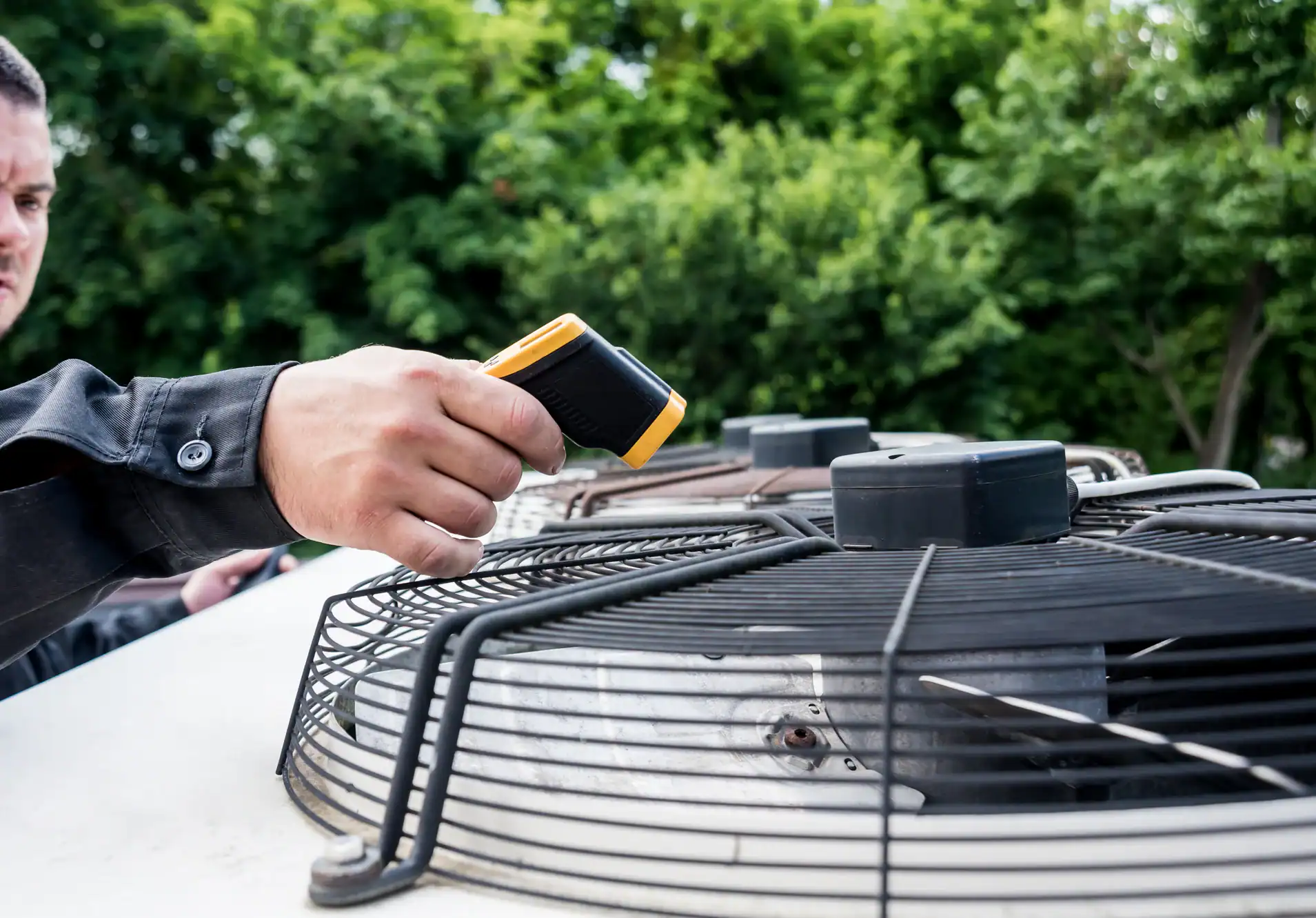
Here’s what happens when you skip that spring tune-up. Your air conditioner sat idle for months while dust accumulated on the coils and in the condensate drain. The refrigerant level might have dropped slightly. Electrical connections loosened from temperature changes. None of these issues will stop your system from starting up when you first turn it on in May.
But once Sacramento’s heat arrives and your AC starts running 8-12 hours per day, those small problems compound quickly. A slightly low refrigerant charge means your compressor works harder to achieve the same cooling. Dirty coils reduce heat transfer efficiency by 20-30%, forcing your system to run longer cycles. Clogged condensate drains can cause water damage or automatic shutoffs right when you need cooling most.
The average emergency AC repair in Sacramento during peak summer runs $500-$1,500. A pre-season tune-up costs a fraction of that and catches these issues when they’re still minor. More importantly, it prevents the scenario nobody wants: your AC failing on a 108-degree day when every HVAC company in the county is booked solid with emergency calls.
Professional maintenance before summer also improves energy efficiency by 5-30%. On a system that runs heavily from May through September, that translates to real money saved on your utility bills. You’re not just avoiding repair costs—you’re reducing your monthly operating expenses throughout the entire cooling season.
Think about it this way: Sacramento’s summer heat is predictable. You know it’s coming. The question is whether you’ll address your system’s needs proactively in April when technicians have availability and can work methodically, or reactively in July when you’re competing with dozens of other emergency calls and paying premium rates for urgent service.
A real seasonal tune-up involves far more than changing a filter. When an experienced HVAC company services your system, we’re performing a comprehensive inspection designed to catch problems before they cause failures. Understanding what should happen during these visits helps you know what you’re paying for and why it matters.
Refrigerant levels get checked and adjusted to manufacturer specifications. This matters because even a 10% undercharge can reduce efficiency by 20% and put extra strain on your compressor. In Sacramento’s heat, that compressor is already working hard—running it with improper refrigerant levels is like asking someone to run a marathon while breathing through a straw. We also check for leaks, because refrigerant doesn’t just disappear on its own.
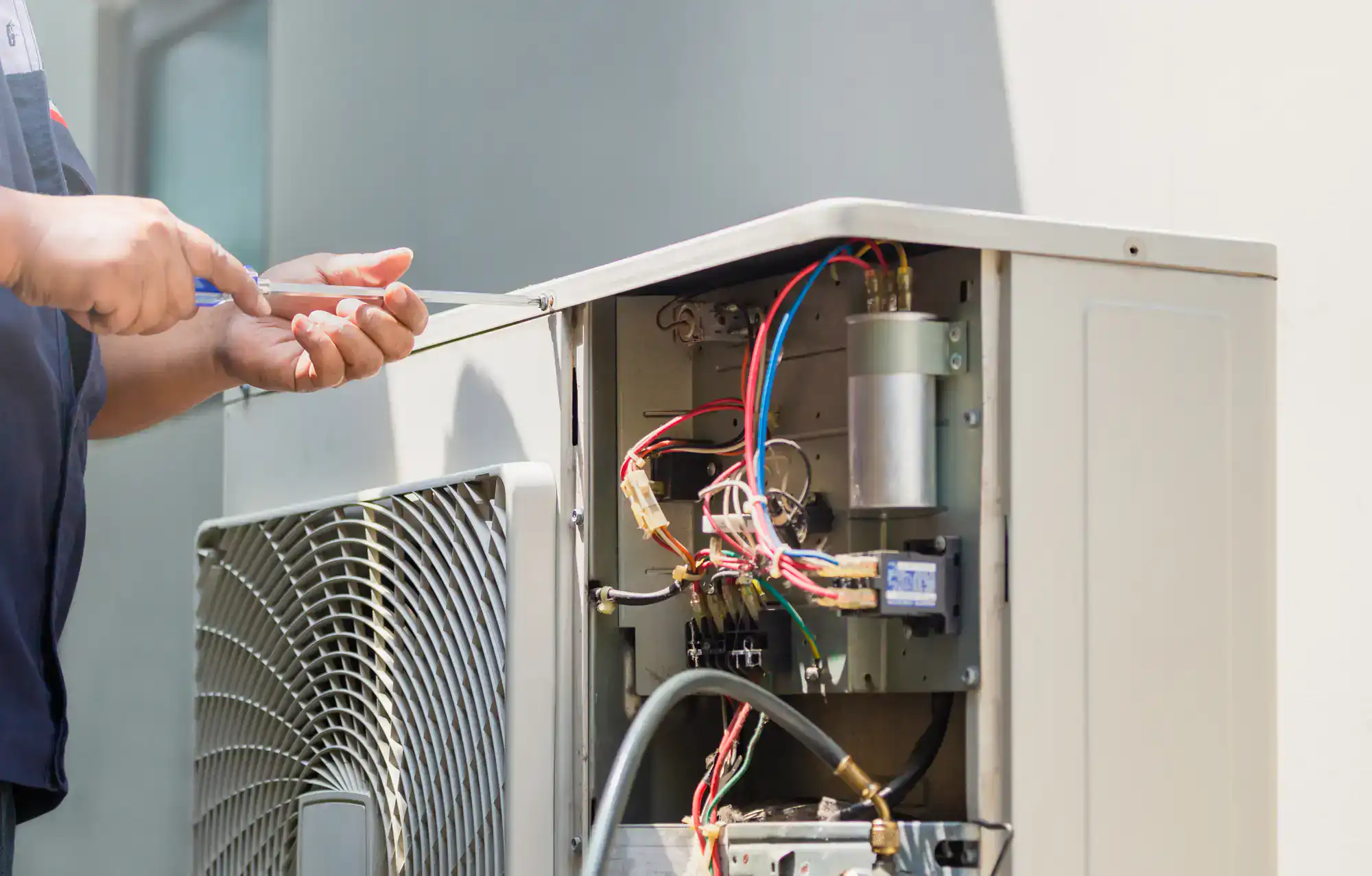
Electrical connections throughout the system get inspected and tightened. Loose connections cause resistance, which generates heat, which can lead to component failure or even fires. Capacitors—the components that help your compressor and fan motors start—get tested because they’re common failure points, especially in hot climates. Replacing a failing capacitor during a tune-up costs about $150. Replacing a compressor that failed because a bad capacitor wasn’t caught? That’s $1,500-$2,500.
The condensate drain line gets cleared and treated. In Sacramento’s dry climate, you might not think about condensation, but your AC removes moisture from the air as it cools. That moisture has to go somewhere, and if the drain line clogs with algae or debris, you’ll either have water damage or an automatic system shutdown. A simple preventive flush takes five minutes during a tune-up.
Coils—both evaporator and condenser—get cleaned. These are the heat exchange surfaces that make cooling possible. When they’re coated with dust and debris, they can’t transfer heat effectively. Your system runs longer cycles trying to achieve the same temperature, consuming more energy and wearing out faster. In Sacramento’s dusty environment, coil cleaning isn’t optional maintenance—it’s essential for system survival.
Thermostats get calibrated to ensure accurate temperature readings. If your thermostat thinks it’s 75 degrees when it’s actually 78, your system will short-cycle or run continuously trying to reach a target it’s already achieved. Proper calibration ensures your system runs only when necessary, which saves energy and reduces wear.
All of this happens during a professional tune-up, and it typically takes 60-90 minutes. Compare that to the hours of downtime you’ll experience waiting for emergency service during a breakdown, and the value becomes clear.
Want live answers?
Connect with a Hot & Cold HVAC expert for fast, friendly support.
Air filters are the one maintenance task every homeowner should handle themselves, but Sacramento’s climate means the standard advice doesn’t apply here. You’ll hear “change your filter every three months” as general guidance. In Sacramento County? That’s not nearly frequent enough.
Your filter is your system’s first line of defense against dust, pollen, and debris. When it’s clogged, your entire system suffers. Airflow drops, which reduces cooling capacity and forces your blower motor to work harder. Energy consumption increases by 5-15% with a dirty filter. More importantly, dust that bypasses a saturated filter accumulates on your evaporator coil, reducing efficiency and potentially causing freeze-ups.
Sacramento’s dry, dusty conditions mean filters accumulate debris faster than in humid climates. If you have pets, the timeline accelerates even more. A realistic maintenance schedule here is checking your filter monthly and replacing it every 1-2 months during heavy-use seasons.

Not all filters are created equal, and choosing the right one for Sacramento’s conditions makes a real difference. You’ll see filters rated by MERV (Minimum Efficiency Reporting Value), which measures how well they capture particles. Higher MERV ratings mean finer filtration, but there’s a balance to strike.
A basic fiberglass filter (MERV 1-4) is cheap but captures almost nothing. It protects your equipment from large debris but does little for air quality. These aren’t recommended for Sacramento homes where dust is a constant issue. At the other extreme, hospital-grade HVAC filters (MERV 13+) capture tiny particles but can restrict airflow in residential systems not designed for them.
For most Sacramento County homes, a MERV 8-11 filter hits the sweet spot. These capture dust, pollen, mold spores, and pet dander effectively without choking your system’s airflow. If someone in your household has allergies or asthma, consider MERV 11-13, but check with a professional HVAC company first to ensure your system can handle the increased resistance.
Pleated filters outperform flat fiberglass versions because they have more surface area to capture particles without restricting airflow as quickly. Yes, they cost more—typically $15-30 versus $3-5 for basic filters—but they protect your system better and often last longer despite Sacramento’s dusty conditions.
Here’s a secret we know from years of experience: buying filters in bulk saves money and ensures you always have replacements on hand. When you find a filter that works well for your system, order a six-month or year supply. You’ll pay less per filter, and you won’t have the excuse of “I forgot to buy one” when it’s time to change it.
Some homeowners ask about washable, reusable filters. They can work, but they require diligent cleaning every month and must be completely dry before reinstalling. In Sacramento’s climate where your AC might run daily for months, the timing of washing and drying can be tricky. For most people, disposable pleated filters are more practical.
Generic advice says change filters quarterly. Working in Sacramento County, we’ll tell you something different because we see what actually happens to systems here. During cooling season—roughly May through September—you should check your filter monthly and replace it when it looks dirty, which is typically every 30-45 days.
During shoulder seasons when your system runs less frequently, you can extend to every 60-90 days. But here’s the key: actually check it. Don’t assume it’s fine. Pull it out, hold it up to light, and if you can’t see through it clearly, it’s time for a replacement.
Set a recurring reminder on your phone for the first of every month: “Check HVAC filter.” It takes two minutes. If it’s dirty, replace it. If it’s not, check again next month. This simple habit prevents the majority of airflow-related problems we see in Sacramento homes.
If you have pets, especially dogs or cats that shed, you’re in a different category. Your filters will clog faster—sometimes in 20-30 days during peak shedding seasons. The same goes if you’re doing any construction or renovation work, which generates extra dust. During these periods, weekly checks aren’t excessive.
Here’s what happens when you don’t stay on top of filter changes: your system’s airflow drops, causing longer run times and higher energy bills. Your evaporator coil gets dirty, reducing cooling capacity. Your blower motor works harder, shortening its lifespan. And eventually, something fails—often during Sacramento’s hottest days when you can least afford downtime.
Compare that to spending five minutes per month checking a filter and $20-30 replacing it when needed. The return on investment is massive. You’re protecting a $5,000-13,000 asset with a $30 part and a few minutes of time. That’s the kind of math that makes sense.
Sacramento County’s summer heat isn’t a surprise—it’s a certainty. The question is whether your HVAC system will be ready when temperatures climb past 100 degrees and stay there for weeks. Everything you’ve just learned about maintenance timing, filter changes, and professional tune-ups comes down to one simple truth: preventive care beats emergency repairs every single time.
The homeowners who sleep comfortably through heat waves aren’t lucky. They’re prepared. They scheduled their spring tune-up in April, they change filters monthly during cooling season, and they understand that their system’s demands are different because of where they live. The investment is modest—a few hundred dollars for professional maintenance and maybe $100 annually for filters—but the payoff is enormous.
When you’re ready to protect your home’s comfort and avoid mid-summer breakdowns, we’re here to help. We understand Sacramento County’s climate challenges and know exactly what your system needs to perform reliably through the demanding months ahead.
Article details:
Share:
Continue learning: