Your HVAC system works overtime in Sheldon's hot climate. Learn the repair issues that hit local homes hardest and what you can do.
Share:

Summary:
Nothing’s worse than an HVAC system that runs but doesn’t cool your home. This frustrating problem strikes Sheldon homes regularly, especially when temperatures soar above 95 degrees.
The culprit is often refrigerant loss. Your cooling system depends on refrigerant to absorb heat from your home and release it outside. When refrigerant leaks from damaged coils or connections, your system keeps running but produces warm air instead of the relief you need.
Low refrigerant doesn’t just mean poor cooling—it forces your system to work harder, driving up energy costs while delivering zero comfort. You’ll notice the difference immediately: registers blowing lukewarm air, longer cooling cycles, and utility bills that make you wince.
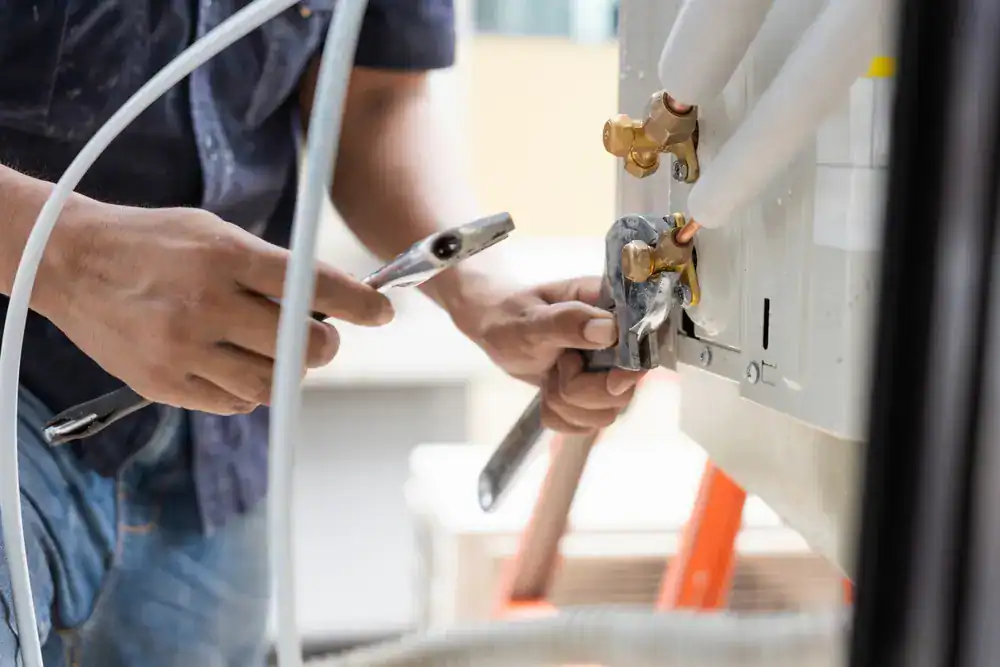
Refrigerant leaks develop slowly, making them hard to detect until your comfort disappears completely. These leaks typically occur at connection points, in coils, or along refrigerant lines that have aged beyond their prime.
Here’s what makes refrigerant leaks particularly problematic in Sheldon: our extreme temperature swings put extra stress on these components. When your system runs almost constantly during summer months, the repeated heating and cooling cycles cause metal components to expand and contract, eventually creating weak points where leaks develop.
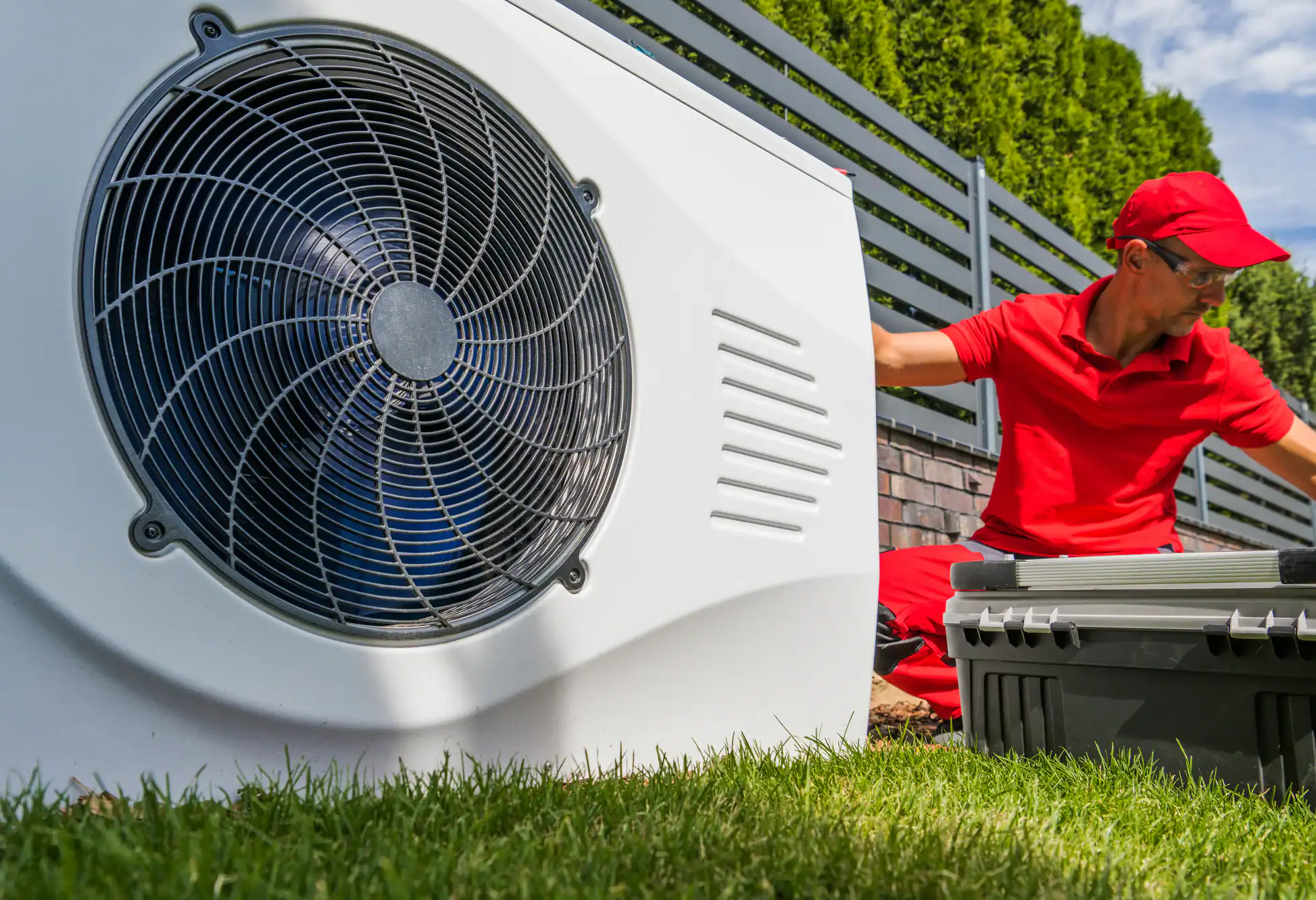
You might notice ice forming on your outdoor unit—a clear sign that refrigerant levels have dropped too low. The system tries to compensate by running longer cycles, but without adequate refrigerant, it can’t remove heat effectively. This creates a cascade effect: poor cooling leads to longer run times, which increases wear on other components like the compressor and fan motor.
Professional HVAC technicians can locate leaks using specialized detection equipment and repair them properly. However, if your system is older or has multiple leaks, replacement might be more cost-effective than repeated repairs. The key is catching these issues early, before they damage expensive components like your compressor.
Don’t ignore the warning signs. If your cooling feels weak or your energy bills spike without explanation, refrigerant loss could be stealing your comfort and your money. A qualified technician can test refrigerant levels and identify leaks before they lead to complete system failure.
Electrical issues rank among the most common—and most dangerous—HVAC problems in Sheldon homes. These problems range from simple fixes like tripped breakers to complex wiring issues that require professional expertise.
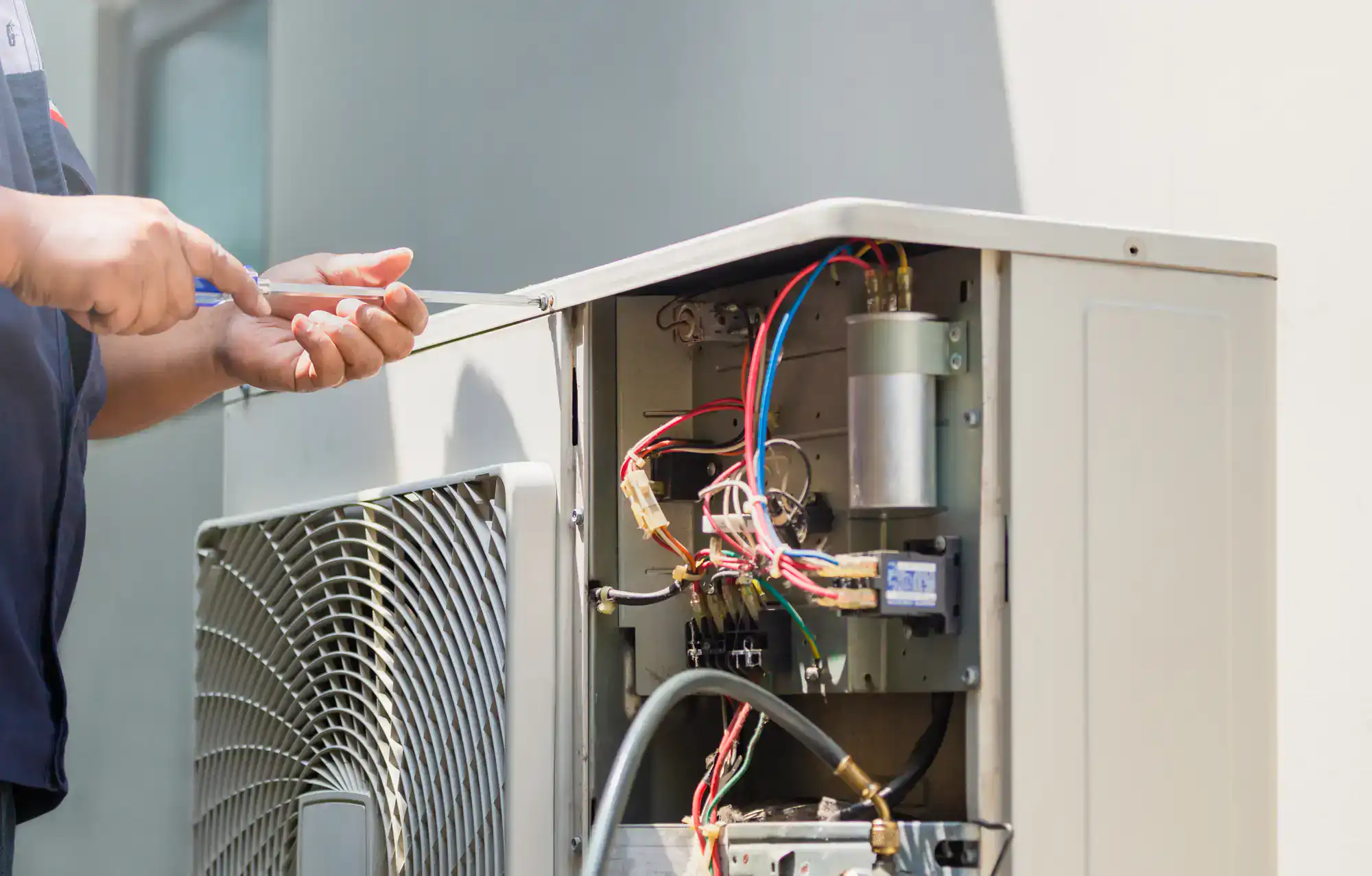
Your HVAC system relies on multiple electrical components working in harmony: contactors, capacitors, relays, and control boards all play critical roles. When any of these components fail, your entire system can shut down without warning. This typically happens at the worst possible moments—during heat waves when your system has been working overtime.
Capacitors, which help start your system’s motors, are particularly vulnerable to Sheldon’s climate extremes. High temperatures cause these components to degrade faster, leading to hard starting, reduced efficiency, or complete failure. You might hear clicking sounds when your system tries to start, or notice that it takes multiple attempts to begin a cooling cycle.
Contactor problems create different symptoms. These switches control power flow to major components like your compressor and fan motor. When contactors stick or burn out, your system might run continuously without cycling off, or it might not start at all. Both scenarios waste energy and reduce your system’s lifespan.
Wiring problems pose serious safety risks beyond just comfort issues. Loose connections can create arcing, which generates heat and potentially causes fires. Corroded wires reduce electrical flow, forcing components to work harder and fail sooner. These issues often develop gradually, making them hard to detect without professional inspection.
Never attempt electrical repairs yourself. HVAC systems use high voltage that can cause serious injury or death. Professional technicians have the training and equipment to diagnose electrical problems safely and make lasting repairs that protect both your comfort and your safety.
Want live answers?
Connect with a Hot & Cold HVAC expert for fast, friendly support.
Poor airflow forces your HVAC system to work overtime while delivering subpar results. This common problem affects energy efficiency, comfort, and equipment lifespan—three things every Sheldon homeowner cares about.
Restricted airflow typically stems from dirty filters, blocked vents, or ductwork issues. When air can’t move freely through your system, several problems cascade together: uneven temperatures throughout your home, longer cooling cycles, higher energy bills, and increased wear on system components.
Your system needs proper airflow to function efficiently. When airflow drops, your evaporator coil can’t absorb heat effectively, leading to poor cooling performance and potential ice formation. Meanwhile, your system runs longer cycles trying to reach thermostat settings, consuming more energy while delivering less comfort.

Air filters represent the most overlooked maintenance task that creates expensive problems. In Sheldon’s dusty environment, filters clog faster than in many other climates, especially during wildfire season when particulates fill the air.
A dirty filter doesn’t just reduce air quality—it chokes your entire system. When airflow drops significantly, your evaporator coil can’t absorb heat properly, causing it to freeze up. Ice formation blocks airflow even further, creating a downward spiral that can damage your compressor, the most expensive component in your system.
Here’s the reality: replacing a filter costs under $20 and takes five minutes. Ignoring this simple task can lead to repair bills exceeding $1,000 when frozen coils damage other components. The math is straightforward, but many homeowners learn this lesson the hard way.
During Sheldon’s peak summer months, check your filter monthly. If you see dust buildup, pet hair, or any discoloration, replace it immediately. Don’t wait for the manufacturer’s suggested timeline—our local conditions often require more frequent changes.
High-efficiency filters capture more particles but also restrict airflow more than basic filters. If you choose premium filtration, monitor your system’s performance closely. Some older systems can’t handle the airflow restriction of high-MERV filters, leading to the same problems as dirty filters.
Smart homeowners set phone reminders for filter checks. This simple habit prevents expensive repairs while keeping energy costs under control. When your system can breathe freely, it operates efficiently and lasts longer, saving you money on both utility bills and premature replacement costs.
Your ductwork is the highway system that delivers conditioned air throughout your home. When this network develops problems, you’re literally paying to cool the outdoors while your indoor spaces remain uncomfortable.
Duct leaks are incredibly common in Sheldon homes, especially in older properties where ductwork has aged or settled. These leaks allow conditioned air to escape into attics, crawl spaces, or wall cavities—areas you’re not trying to cool. Meanwhile, hot outdoor air infiltrates your duct system, warming the air before it reaches your living spaces.
The impact on your comfort and wallet is immediate. Leaky ducts can reduce system efficiency by 20% or more, meaning you’re paying for cooling that never reaches its intended destination. You’ll notice uneven temperatures between rooms, with some areas staying warm no matter how long your system runs.
Duct sealing requires professional expertise and specialized equipment. Technicians use pressure testing to locate leaks, then seal them with appropriate materials that withstand temperature changes and last for years. Proper duct sealing often pays for itself through reduced energy costs within a few years.
Insulation problems compound ductwork issues. Ducts running through hot attics need adequate insulation to prevent heat transfer. When insulation degrades or shifts, conditioned air warms up during delivery, reducing the cooling effect by the time it reaches your rooms.
Don’t overlook ductwork when evaluating HVAC problems. Even a perfectly functioning air conditioner can’t overcome distribution problems caused by leaky or poorly insulated ducts. Professional duct evaluation should be part of any comprehensive HVAC assessment, especially if you’re experiencing uneven cooling or higher-than-expected energy bills.
Recognizing when to call professionals versus attempting DIY fixes can save you significant money and prevent safety hazards. Simple tasks like filter replacement and thermostat battery changes are homeowner-friendly, but most HVAC repairs require specialized knowledge and tools.
Electrical work, refrigerant handling, and major component replacement should always involve licensed professionals. These tasks involve safety risks and require proper training to complete correctly. Attempting complex repairs yourself often leads to additional damage that increases repair costs substantially.
The best approach combines preventive maintenance with prompt professional service when problems arise. Regular maintenance catches small issues before they become expensive failures, while quick professional response prevents minor problems from cascading into major system damage.
When choosing an HVAC contractor, prioritize local companies with established reputations in Sheldon and surrounding areas. Local contractors understand our unique climate challenges and can respond quickly when you need service most. We bring the expertise and rapid response that Sheldon residents depend on for reliable comfort solutions.
Article details:
Share:
Continue learning: