AC emergencies don't follow business hours, especially in Sacramento's triple-digit heat. Understanding response times, costs, and what actually qualifies as an emergency helps you make the right call.
Share:
Summary:
Your AC just quit. It’s 10 PM on a Saturday, and your house is already starting to feel like an oven. Sacramento summers don’t mess around, and neither should you when your cooling system fails during a heat wave.
But here’s the thing—not every AC problem is an emergency, and knowing the difference matters. It affects how fast you get help, what you’ll pay, and whether you’re making the right call for your situation.
Let’s talk about what actually qualifies as an emergency, what response times look like in Sacramento County, and how to navigate the process when your family’s comfort and safety are on the line.
Not every AC issue demands an immediate call. The question isn’t whether your system stopped working—it’s whether waiting until morning creates a dangerous or genuinely unbearable situation.
If your AC fails when outdoor temperatures are above 90°F, that’s typically considered emergency territory. Sacramento regularly pushes past 100°F for extended stretches, and indoor temperatures can climb fast without cooling. That’s not just uncomfortable—it’s potentially dangerous, especially if you have young kids, elderly family members, or anyone with health conditions in the house.
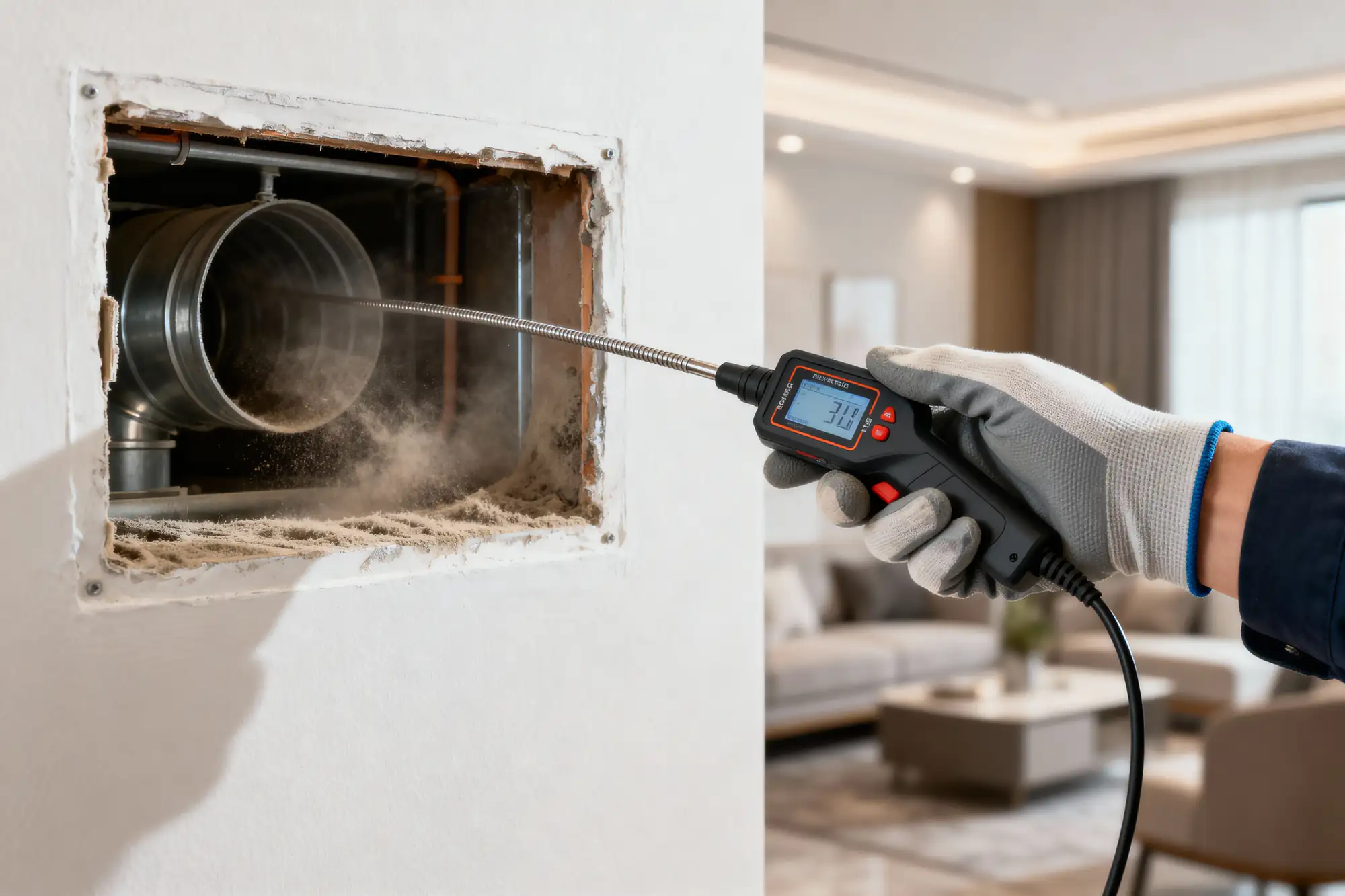
Other clear-cut emergencies include burning smells coming from your unit, loud grinding or banging noises that won’t stop, visible water pooling around your system, or electrical issues like sparking or repeatedly tripped breakers. These aren’t just comfort problems. They’re safety concerns that need professional attention right away.
If your AC starts acting up but outdoor temperatures are mild—say, below 80°F—you can probably hold off until regular business hours. Your house might get a little warmer than you’d like, but you’re not dealing with a health risk or unbearable conditions.
Same goes for performance issues that don’t involve complete system failure. If your AC is still blowing cool air but not quite keeping up, or if you notice it’s cycling more often than usual, those are problems worth addressing soon—but they don’t require a midnight service call.
You can also wait if the issue is minor and you have temporary workarounds. Maybe your thermostat is reading incorrectly but you can manually adjust it. Or your unit is making some noise but still cooling adequately. Opening windows at night when temperatures drop, using fans to circulate air, and staying hydrated can get you through until morning when you can schedule regular service.
The key is realistic assessment of your situation. Are you uncomfortable, or are you actually at risk? If you’re just annoyed but safe, waiting saves you the premium that comes with after-hours service. If you’re sweating through the night in dangerous heat with no relief in sight, that’s when you pick up the phone.
One more thing: if you’re not sure whether your situation qualifies as urgent, we’ll talk you through it over the phone. We can help you determine whether you need someone out immediately or if you can safely wait. That conversation costs nothing and gives you clarity when you’re trying to make the right call under pressure.
Sacramento’s weather isn’t like other places. We’re not talking about a few hot days scattered through summer. We’re talking about weeks of triple-digit heat that tests every AC system in the county.
When outdoor temperatures hit 105°F and stay there for days, your home becomes an oven without working AC. Indoor temps can climb into the 90s within hours, creating conditions that aren’t just uncomfortable—they’re legitimately dangerous. Heat exhaustion and heat stroke become real concerns, not just things you read about.
The 2024 summer was California’s hottest on record, and Sacramento felt every degree of it. The hottest 20-day stretch the city has ever recorded ran from late June through mid-July. During that kind of sustained heat, AC failure isn’t an inconvenience. It’s an emergency, full stop.
Your system also works harder here than in most places. Sacramento’s extended cooling season—June through September at minimum—means your AC runs more hours, handles more extreme temperatures, and faces more stress than systems in milder climates. That’s why failures happen more often during peak summer, and why response time matters so much when they do.
Local factors make things tougher too. Wildfire smoke clogs filters faster. The Delta breeze brings humidity that makes your system work harder to remove moisture along with heat. Older homes with poor insulation struggle even more. All of this adds up to AC systems that are pushed to their limits, and when they fail during a heat wave, waiting isn’t really an option.
Understanding these local realities helps you make better decisions about when to call for emergency service. If you’re facing Sacramento summer heat at its worst and your AC just died, you’re not overreacting by treating it as urgent. You’re being realistic about what your family is dealing with.
Want live answers?
Connect with a Hot & Cold HVAC expert for fast, friendly support.
When you call for emergency AC repair, you want to know when help will actually arrive. Response times vary based on where you are in Sacramento County, how many other emergencies are happening, and what time you call.
We aim for 1-2 hour response times during extreme heat events. If you’re in central Sacramento, you might see a technician in 30-60 minutes. Outlying areas in the county typically see arrival within 2 hours. That’s not a guarantee—it’s a target—but it gives you a realistic expectation.
The reality is that response times get stretched during heat waves when everyone’s AC is struggling. We prioritize based on urgency: no cooling with vulnerable family members, dangerous temperatures, or safety issues like gas smells get bumped to the front of the line.

AC systems don’t care that it’s Saturday night or a holiday weekend. They fail when they fail, and Sacramento’s heat doesn’t take days off.
Weekend AC repair service is available from us with true emergency response, but here’s what you need to understand: availability doesn’t always mean immediate availability. If your AC quits on a Sunday afternoon during a heat wave, you’re competing with dozens of other households in the same situation.
Some companies charge premium rates for weekend and after-hours calls. You might see prices that are 1.5 to 2 times the normal hourly rate—so instead of $75-$150 per hour, you’re looking at $135-$200 or more. That’s on top of service call fees and parts. We maintain transparent pricing regardless of when you call. The key is asking about this upfront so you’re not surprised by the bill.
What separates good emergency service from mediocre is what happens after you call. Do you reach a live person who can actually help you, or do you get voicemail with a promise of a callback? Are technicians dispatched immediately, or are you added to a list for “as soon as possible”?
We have technicians on call with fully stocked trucks. That means common problems—failed capacitors, refrigerant issues, electrical component failures—can often be fixed during the first visit without waiting for parts to be ordered. When it’s 11 PM on a Friday and your house is 88 degrees inside, you don’t want to hear “we’ll have to come back Tuesday with the part.”
Weekend availability also matters for non-emergencies. If your AC starts struggling on Friday and you catch it early, getting it fixed Saturday morning beats waiting until Monday and risking a complete failure. Same-day weekend service for scheduled appointments is different from emergency calls—you’re booking a specific time slot rather than getting emergency dispatch.
Text messaging has become a game-changer for weekend communication too. Being able to text photos of your unit, describe symptoms, or get updates on technician arrival time makes the whole process less stressful when you’re already dealing with a broken AC and uncomfortable house.
The moment you call for emergency AC repair, you’re starting a process. Understanding what happens next helps you prepare and reduces stress when you’re already dealing with a failed system and rising temperatures.
First, you’ll describe your symptoms. Be specific: Is the unit completely dead, or is it running but not cooling? Are there unusual noises, smells, or visible issues like water leaks? This information helps us assess urgency and gives the technician a head start on diagnosis.
You’ll get an estimated arrival time and usually a call or text when the technician is on the way. Use this window to clear access to your indoor and outdoor units. Move furniture, pets, or anything blocking the technician’s path. The faster they can get to work, the faster you get cooling back.
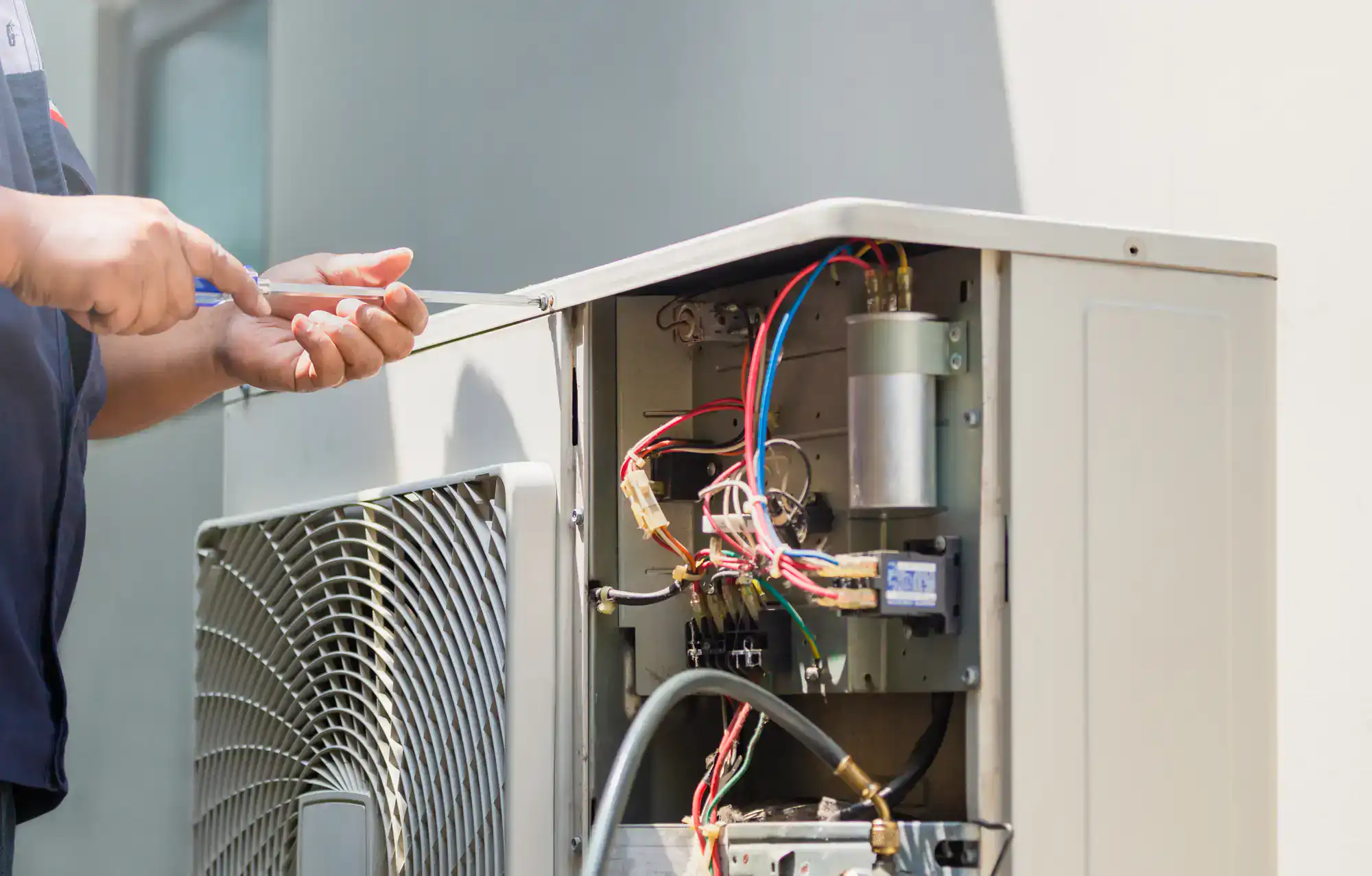
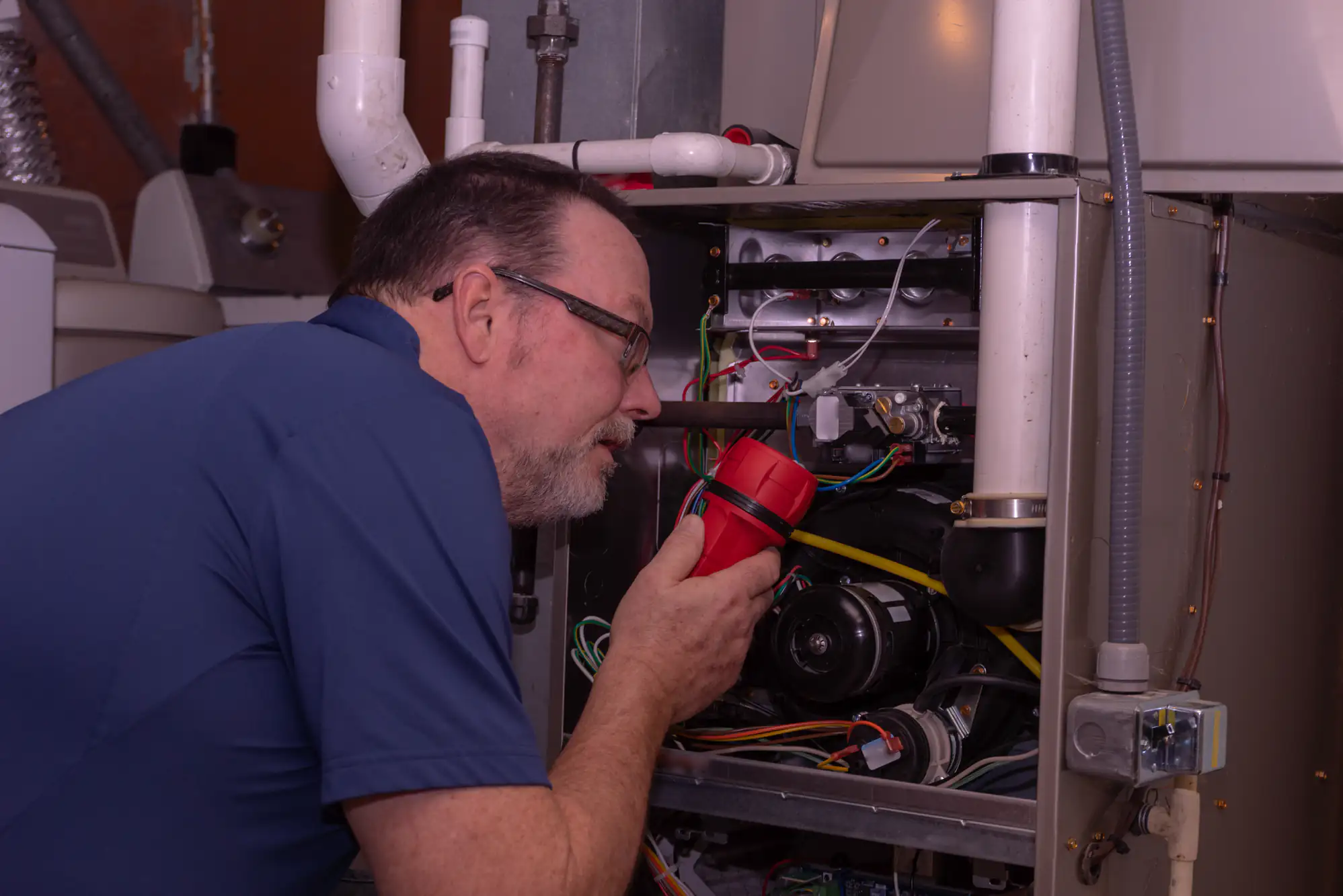
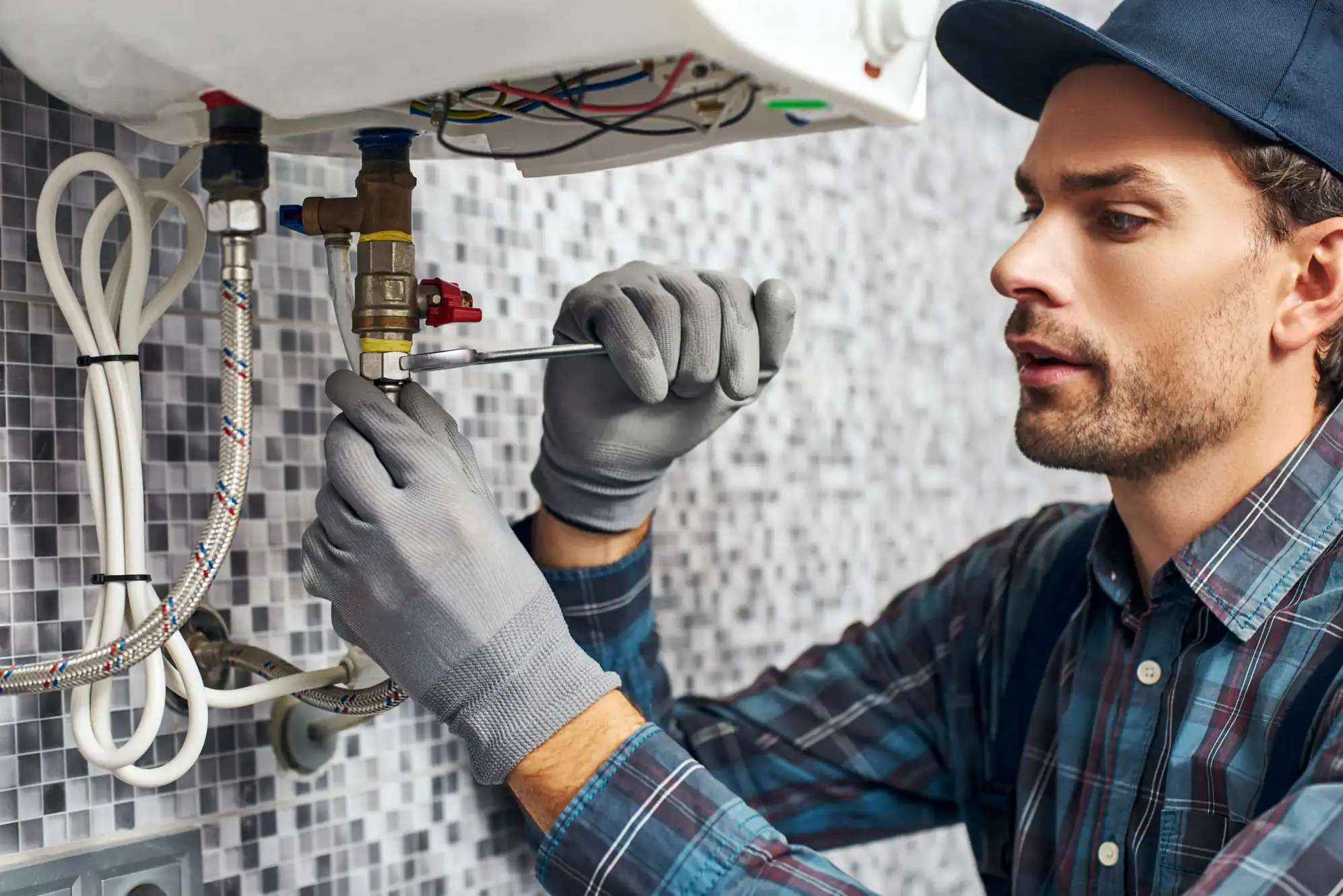
When the technician arrives, they’ll start with diagnosis. Our technicians explain what they’re checking and why. They’ll test electrical components, check refrigerant levels, inspect for obvious failures, and use diagnostic tools to pinpoint the problem. This usually takes 15-30 minutes depending on the issue.
Then comes the moment of truth: the estimate. You’ll get clear pricing before any repair work starts. This includes labor, parts, and any additional fees. If the repair is expensive or if there are multiple options, our technicians will explain your choices without pressuring you.
Most emergency calls involve common failures that can be fixed on the spot if the technician carries the right parts. Capacitors, contactors, and fan motors are frequent culprits during heat waves, and we stock these in our trucks. More complex issues like compressor failure might require ordering parts, but the technician should be able to at least stabilize your system or offer temporary solutions.
After the repair, expect testing. The technician will run your system through a complete cycle, verify cooling, check refrigerant pressures, and make sure everything’s operating safely before they leave. You’ll also get information about what failed, why it happened, and whether there are other concerns to watch for.
The whole process—from arrival to working AC—typically takes 1-3 hours for straightforward repairs. Complex issues take longer, but you’ll have clear communication about timeline throughout. If parts need to be ordered, you’ll know when they’ll arrive and when the technician will return to complete the job.
Sacramento’s extreme summer heat makes AC failures serious business. Knowing what qualifies as an emergency, understanding typical response times, and having realistic expectations about weekend and after-hours service helps you make better decisions when your system fails.
The most important takeaway is this: if outdoor temperatures are above 90°F and your AC completely stops working, that’s an emergency. Don’t wait. Don’t try to tough it out. Call for help, because indoor temperatures rise fast and the risks to your family aren’t worth the gamble.
Look for services that offer true 24/7 availability with live support, stocked trucks for same-visit repairs, and transparent pricing that doesn’t surprise you after the work is done. When you’re dealing with emergency AC repair in Sacramento’s heat, those factors make all the difference between a stressful situation and one that gets resolved quickly and professionally. We provide exactly that kind of emergency response throughout Sacramento County and Placer County—because when your cooling fails during extreme heat, you need technicians who understand the urgency and show up prepared to fix it right.
Article details:
Share:
Continue learning: