Sacramento's brutal summers demand a solid AC maintenance schedule. Learn which tasks you can handle yourself and when to bring in licensed professionals.
Share:
Summary:
Your AC just made it through another Sacramento summer. Temperatures hit 110°F for days on end, your system ran non-stop, and somehow it survived. But here’s the question most homeowners don’t ask until it’s too late: will it make it through next year?
Sacramento’s extreme heat doesn’t just test your patience—it pushes AC systems to their absolute limits. Systems that would last 20 years in milder climates can fail in half that time here without proper care. The good news? A solid maintenance schedule prevents most of those expensive breakdowns and keeps your system running efficiently when you need it most.
This guide walks you through exactly what needs to happen and when, so you’re not scrambling for an HVAC technician during the next heat wave.
Home AC maintenance isn’t one thing. It’s a combination of tasks you handle yourself and professional service that requires specialized tools and training.
The DIY portion includes simple tasks like changing filters, clearing debris from your outdoor unit, and keeping an eye on how your system sounds and performs. These monthly checks take maybe 15 minutes. They catch obvious problems before they escalate.
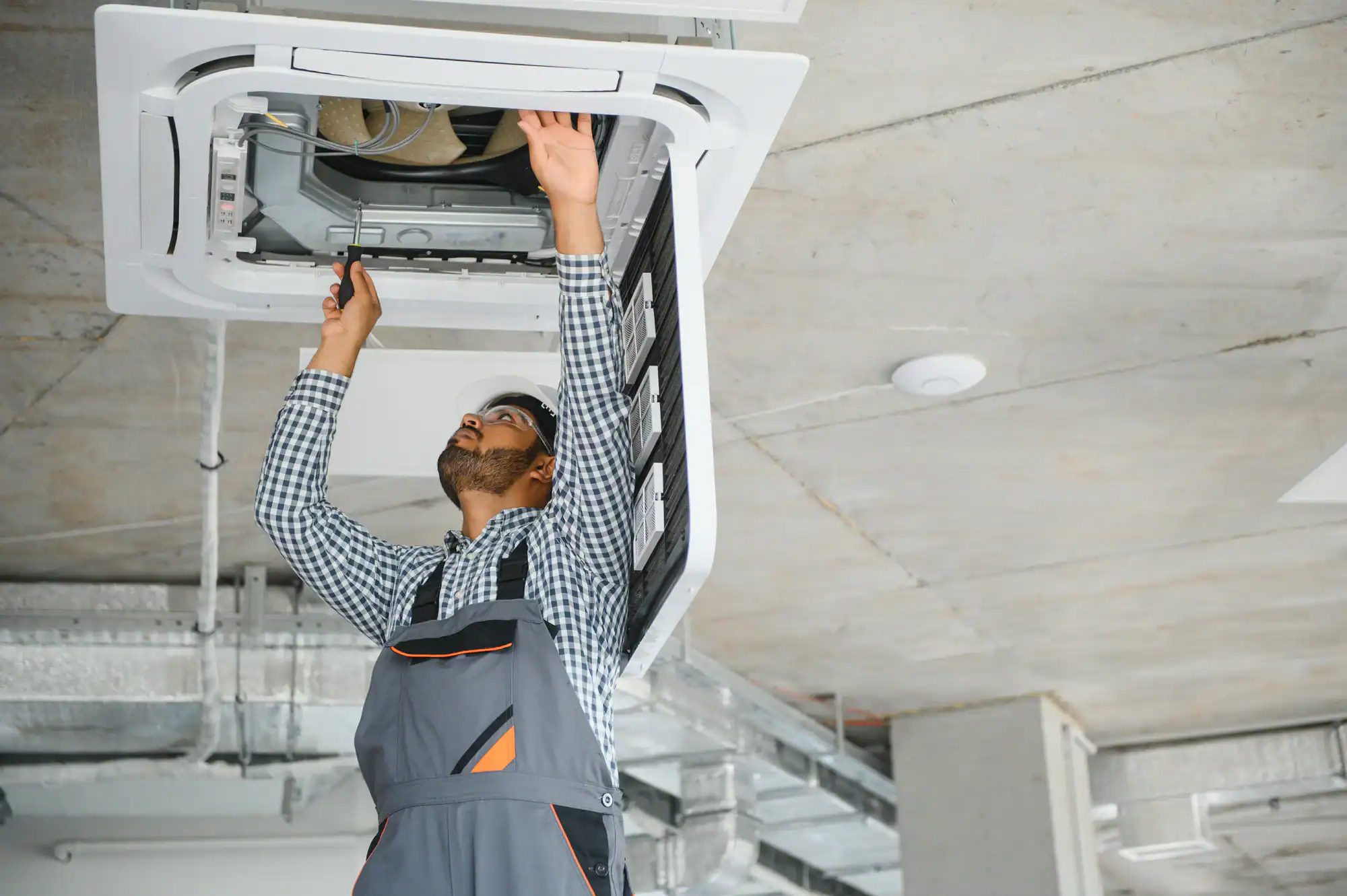
Professional maintenance goes deeper. Licensed technicians inspect electrical connections, test refrigerant levels, clean coils properly without damaging delicate fins, and calibrate components you can’t safely access yourself. This isn’t about distrust—it’s about the reality that some tasks require EPA certification, specialized equipment, and technical knowledge most homeowners don’t have.

Every month during cooling season—which in Sacramento runs roughly April through October—you should check your air filter. Hold it up to light. If you can’t see through it, it’s clogged and needs replacing or cleaning.
A dirty filter forces your AC to work harder, which increases energy consumption by up to 15% and puts unnecessary strain on the blower motor. In Sacramento’s extended cooling season where systems run constantly, that monthly check becomes even more critical. Homes with pets, smokers, or high dust levels may need to change filters every 30 days instead of the typical 90.
While you’re at it, walk outside and look at your condenser unit. Clear away any leaves, grass clippings, or debris that accumulated around it. You want at least two feet of clearance on all sides for proper airflow. This takes five minutes and prevents overheating issues that can damage the compressor—one of the most expensive components to replace.
Check your thermostat settings too. Make sure it’s reading accurately and responding correctly when you adjust the temperature. A malfunctioning thermostat causes your system to cycle on and off too frequently, which wears down components and wastes energy.
Listen to your system when it runs. Any new sounds—rattling, hissing, squealing, or banging—signal potential problems. A hissing sound often indicates a refrigerant leak. Rattling suggests loose parts. Squealing points to worn belts or bearings. Catching these early means calling for service before something breaks completely.
Finally, check your vents inside the house. Make sure they’re not blocked by furniture and that air flows freely from each one. Weak airflow from specific vents can indicate ductwork issues or problems with your system’s distribution.
Spring maintenance—ideally in March or April before temperatures spike—prepares your system for the brutal months ahead. This is when you schedule professional service. Not in June when every HVAC company in Sacramento is slammed with emergency calls.
During a professional tune-up, our technicians clean your evaporator and condenser coils. These coils collect dirt and debris that reduce efficiency and make your system work harder. Cleaning them properly requires special brushes and techniques that won’t damage the delicate aluminum fins. Attempting this yourself often causes more problems than it solves.
We also check refrigerant levels and look for leaks. Too much or too little refrigerant makes your system less efficient and can damage the compressor over time. Refrigerant is a controlled substance that requires EPA certification to handle, so this isn’t a DIY task.
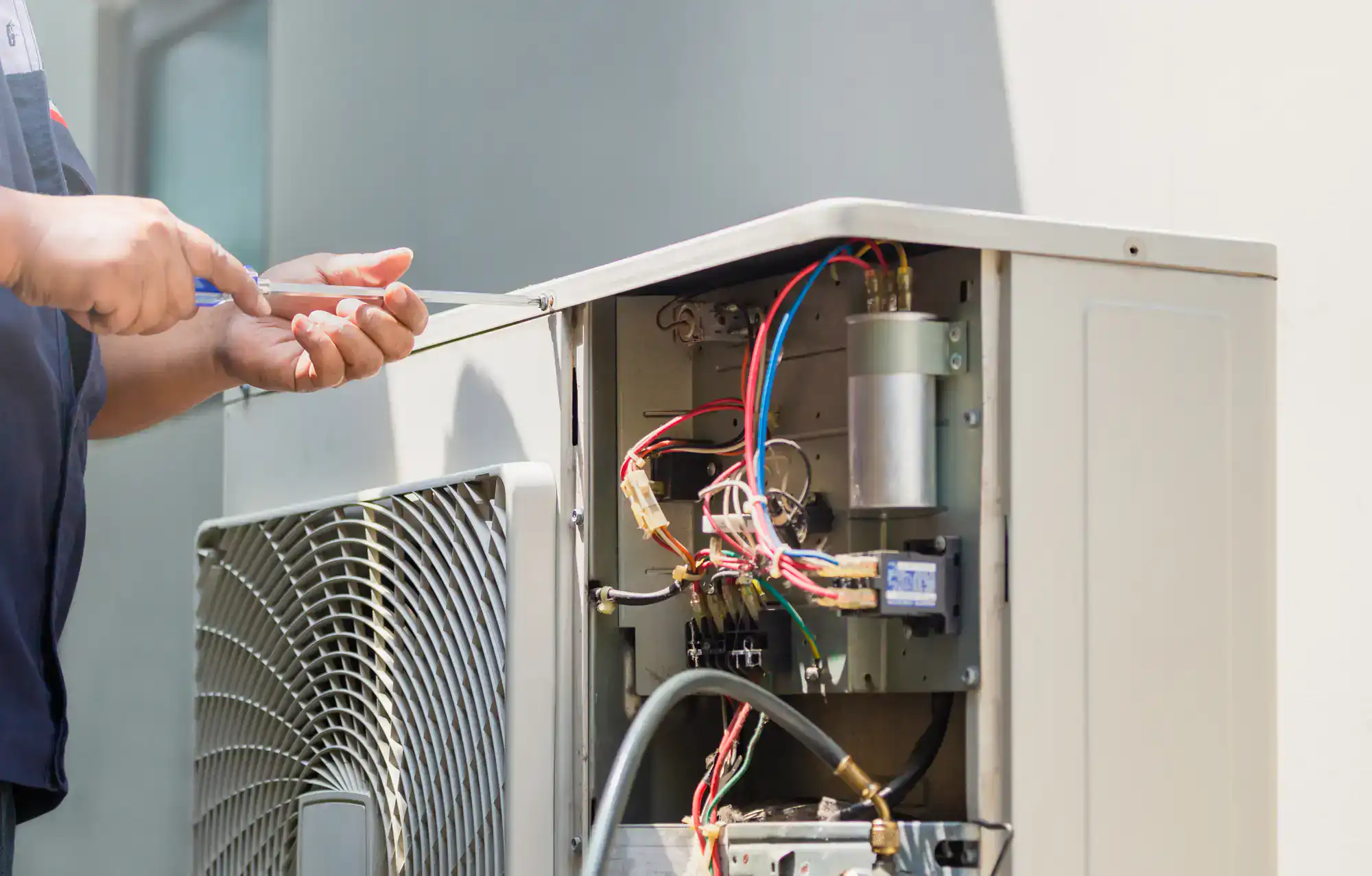
Electrical connections get inspected and tightened. Loose connections cause unsafe operation and reduce the life of major components. We measure voltage and current on motors to ensure everything operates within safe parameters.
The condensate drain gets cleared and tested. In Sacramento’s dry climate, you might not think about condensation, but your AC still produces it. A clogged drain causes water damage and can shut down your system completely.
Moving parts get lubricated to reduce friction and wear. Blower components get cleaned and adjusted for proper airflow. Safety controls get tested to ensure your system shuts down properly if something goes wrong.
All of this happens before you desperately need your AC to work. Scheduling in spring means we have time to order parts if needed and you’re not sweating through a week-long wait during a heat wave.
Fall maintenance matters too, especially in Sacramento where systems often run into October. This second annual check catches any wear from the heavy summer use and prepares your system for the milder months. If you have a heat pump or combined heating and cooling system, fall service ensures your heating components are ready for winter.
Want live answers?
Connect with a Hot & Cold HVAC expert for fast, friendly support.
There’s a clear line between homeowner maintenance and professional service. Crossing it risks your safety, your warranty, and potentially your entire system.
Refrigerant work requires EPA Section 608 certification for good reason. Refrigerants are hazardous materials that harm the environment if released improperly. Checking levels, adding refrigerant, or repairing leaks isn’t something you can legally or safely do yourself. Low refrigerant doesn’t just make your home warm—it can damage your compressor, leading to a $1,200-$2,500 repair bill.
Electrical work on your AC system carries real danger. These systems operate at high voltage and contain capacitors that store electrical charge even when the power is off. A shock from an AC capacitor can seriously injure or kill you. When electrical connections need tightening, circuit breakers need replacing, or wiring shows damage, that’s professional territory.
Deep cleaning of evaporator coils requires accessing the inside of your air handler. These coils are delicate and easy to damage if you don’t know what you’re doing. Bent fins reduce airflow and efficiency. Improper cleaning techniques can cause refrigerant leaks. We have the tools and training to clean thoroughly without causing damage.

Sacramento isn’t a typical climate. Your AC doesn’t get a break.
Temperatures regularly exceed 100°F from June through September, with record highs reaching 116°F. That’s not just uncomfortable—it’s the kind of heat that makes AC systems run at maximum capacity for months straight. Components that would last 15 years in San Francisco might fail in 8 years here without proper maintenance.
The urban heat island effect adds another 1-7°F to temperatures in developed areas. Your AC isn’t just fighting the weather—it’s fighting the accumulated heat from pavement, buildings, and lack of vegetation. This means your outdoor condenser unit works even harder to dissipate heat.
Sacramento’s extended cooling season runs 6-9 months instead of the typical 3-4. More runtime means more wear on every component. Filters clog faster. Coils collect more dust. Moving parts experience more friction. The condensate drain processes more moisture.
The Delta breeze brings humidity fluctuations that most people don’t associate with Sacramento. When cool bay air flows over the city in late afternoon, it changes air pressure and adds moisture. Your AC has to work harder to manage humidity levels, not just temperature.
Wildfire season creates air quality challenges that clog filters faster and put additional strain on your system. Smoke particulates are smaller than typical dust and can penetrate standard filters, coating internal components and reducing efficiency.
All of this means the standard “once a year” maintenance schedule that works in milder climates isn’t enough here. Twice-yearly professional service—spring and fall—addresses the extraordinary stress Sacramento’s climate puts on HVAC systems. It’s not overkill. It’s reality.
Annual professional maintenance costs $75-$200. Emergency repairs during a heat wave? That’s $300-$3,500 depending on what failed.
When you skip maintenance, small problems grow into big ones. A dirty coil makes your compressor work harder. That extra strain shortens its lifespan. Eventually, the compressor fails—and replacing it costs $1,200-$2,500. For an older system, that repair cost often exceeds half the price of a new unit, which means you’re looking at a $9,000-$12,000 replacement instead.
Energy costs climb too. A neglected AC system uses 15-30% more electricity than a well-maintained one. In Sacramento where your AC runs constantly for months, that translates to hundreds of dollars in wasted energy every summer. Over a few years, the extra energy costs exceed what you would have paid for regular maintenance.
System lifespan drops dramatically. Properly maintained AC systems in Sacramento last 15-20 years. Neglected systems fail in 8-12 years. That’s not a small difference—it’s potentially a decade of reliable service you’re throwing away.
Then there’s the timing issue. AC systems don’t fail in April when technicians have open schedules. They fail in July during a 110-degree heat wave when every HVAC company in Sacramento is booked solid. You’re not just paying emergency rates—you’re also waiting days or even weeks for service while your family sweats through dangerous heat.
The math is straightforward. Spend $150 annually on maintenance, or risk spending thousands on emergency repairs and premature replacement. One major breakdown costs more than a decade of preventive service.
And if your system is still under warranty, skipping maintenance might void it. Most manufacturers require documented annual professional service to honor warranty claims. That means if your three-year-old compressor fails and you haven’t kept up with maintenance, you’re paying for the replacement yourself.
Sacramento’s brutal summers don’t give your AC system any mercy. Regular maintenance isn’t optional here—it’s the difference between a system that lasts 20 years and one that fails in half that time.
The schedule is straightforward. Check your filter monthly. Clear debris from your outdoor unit. Listen for unusual sounds. Schedule professional service every spring before the heat hits, and consider a second check in fall after your system has worked hard all summer. Handle the simple stuff yourself and leave refrigerant, electrical work, and deep cleaning to licensed professionals.
This isn’t about perfection. It’s about consistency. The homeowners who never face emergency breakdowns during heat waves aren’t lucky—they’re just following a basic maintenance schedule that prevents most problems before they start.
If it’s been more than a year since your last professional tune-up, or if you’re not sure when your system was last serviced, now’s the time to schedule that appointment. We serve Sacramento County with licensed technicians who understand exactly what your system faces in this climate.
Article details:
Share:
Continue learning: