Wondering what AC compressor repair actually costs in Sacramento County? Get transparent pricing breakdowns and learn when repair makes financial sense versus replacement.
Share:

Summary:
Your AC just died in the middle of a 105-degree Sacramento afternoon. A technician tells you the compressor failed, and now you’re staring down a repair bill that could run anywhere from $800 to $2,800. But what are you actually paying for? And more importantly—is fixing the compressor even the right move, or are you throwing money at a system that’s ready to quit anyway?
The compressor is the heart of your AC system, and when it fails, the costs can feel overwhelming. But here’s what matters: understanding what drives those costs, knowing when warranty coverage can save you thousands, and recognizing when repair makes sense versus biting the bullet on replacement. Let’s break down exactly what you’re looking at.
Let’s cut to the numbers. AC compressor replacement in Sacramento County typically runs between $800 and $2,800, with most homeowners paying around $1,200 to $1,800 for a complete job. That’s parts and labor combined.
But here’s where it gets tricky: your actual cost depends on several factors that can push you toward either end of that range. The size of your system matters—a 1.5-ton unit for a smaller home costs significantly less than a 4-ton system cooling a larger house. Your system’s age plays a role too, especially if you’re still covered under warranty. And labor rates in Sacramento County, which typically run $75 to $150 per hour, can vary based on the complexity of your specific repair.
The compressor itself is the most expensive component in your AC system. It’s doing the heavy lifting—literally compressing refrigerant and circulating it through your system to remove heat from your home. When it fails, you’re not just replacing a small part. You’re replacing the engine.
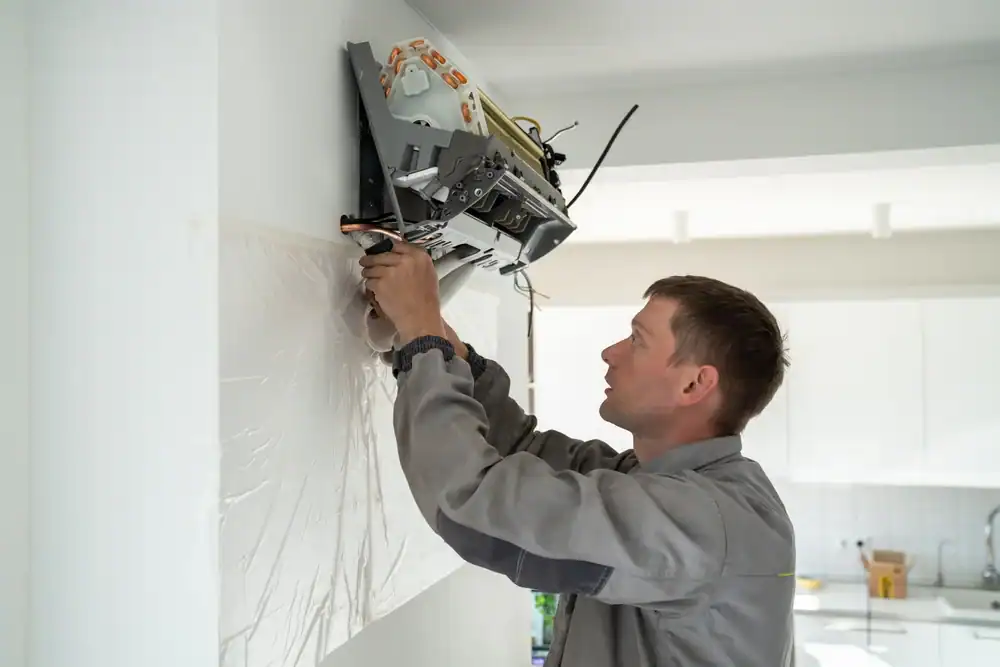
When you get a quote for compressor replacement, you’re looking at two main cost buckets: the compressor itself and the labor to install it.
The compressor unit ranges from $400 to $1,800 depending on your system’s tonnage and the type of compressor. Single-stage compressors—the most basic type that runs at one speed—sit on the lower end. Two-stage compressors that can run at two different speeds for better efficiency cost more. Variable-speed compressors, the most advanced and efficient option, command the highest prices.
Labor is where things can add up quickly. Most compressor replacements take 4 to 6 hours of work by a licensed HVAC technician. At Sacramento County’s typical rates of $75 to $150 per hour, you’re looking at $300 to $900 in labor costs. That flat fee usually covers the diagnostic work, travel time, the actual replacement, and testing to make sure everything’s running properly.
But there’s more to consider. If your system is low on refrigerant, you’ll need a recharge, which adds another $100 to $350 to your bill. Older systems using R-22 refrigerant—which was phased out in 2020—can cost significantly more because that refrigerant is now scarce and expensive. Modern systems use R-410A or newer refrigerants, which are more readily available and cost-effective.
Some technicians will also recommend replacing the filter drier when they swap the compressor. It’s a relatively inexpensive part, but it protects your new compressor from moisture and contaminants that could cause premature failure. Skipping it to save $50 now could cost you thousands later if your new compressor fails.
Here’s what separates transparent contractors from the ones who hit you with surprise charges: they break down these costs upfront. Before any work starts, you should know exactly what you’re paying for the compressor, what labor will run, and whether any additional parts or refrigerant are needed. No surprises, no “while we’re in there” upsells that weren’t discussed.
Sacramento’s extreme heat—we’re talking 100 to 110 degrees regularly during summer—puts extraordinary stress on AC systems. Your compressor is working overtime compared to milder climates, which means it’s more likely to fail and more expensive to replace when it does. Licensed technicians who understand Sacramento County’s specific climate challenges know how to diagnose issues accurately and recommend repairs that actually address the root cause, not just symptoms.
This is where things can swing dramatically in your favor—or leave you paying full price. Most AC compressors come with manufacturer warranties ranging from 5 to 12 years, depending on the brand and model. If your compressor fails within that warranty period, the manufacturer typically covers the cost of the replacement compressor itself.
But here’s the catch: you’re still on the hook for labor. Even with a warranty covering the $800 to $1,500 compressor, you’ll pay $300 to $900 for the technician’s time to install it. That’s still significantly better than paying for both parts and labor, but it’s not free.
There’s another important consideration: warranty coverage often requires that you’ve maintained your system properly and used licensed professionals for all service and repairs. If you’ve been skipping annual maintenance or hired an unlicensed contractor who damaged your system, your warranty claim could be denied. That’s when a $900 repair suddenly becomes a $2,500 bill.
System age plays a huge role in the repair-versus-replace decision. If your AC is less than 7 years old and the compressor is under warranty, repairing it almost always makes sense. You’re protecting your investment and getting several more years of reliable cooling. But if your system is 10 to 15 years old—which is the typical lifespan for AC units—you’re essentially putting an expensive new part into an aging system that could fail in other ways soon.
Think of it like replacing the engine in a 15-year-old car with 200,000 miles. Sure, you’ve got a new engine, but what happens when the transmission goes next year? Or the air conditioning? You’ve sunk serious money into a vehicle that’s still fundamentally old.
The same logic applies to your AC. If your system is over 10 years old and the compressor fails, many HVAC professionals will recommend replacing the entire unit rather than just the compressor. Modern systems are significantly more efficient—we’re talking 30% to 40% better energy efficiency than units from 10 to 15 years ago. That translates to real money on your utility bills, especially during Sacramento’s long, brutal summers when your AC runs constantly.
There’s also a rule of thumb that helps with this decision: if your repair cost exceeds 50% of the price of a new system, replacement usually makes better financial sense. A $2,000 compressor repair on a system that would cost $4,000 to replace entirely? That’s borderline. You’re halfway to a brand-new, efficient system with a full warranty on all components.
Want live answers?
Connect with a Hot & Cold HVAC expert for fast, friendly support.
This is the question that keeps homeowners up at night: do I fix the compressor or replace the whole system? There’s no one-size-fits-all answer, but there are clear indicators that point you in the right direction.
If your AC is relatively new—under 7 years old—and has been well-maintained, repairing the compressor typically makes financial sense. You’re not throwing good money after bad; you’re fixing a component that failed prematurely and getting back to normal operation. Especially if the compressor is still under warranty, you’re looking at a few hundred dollars in labor versus several thousand for a new system.
But age isn’t the only factor. How has your system been performing? If you’ve been calling for repairs multiple times over the past few years, that’s a sign your system is on its last legs. Fixing the compressor won’t address other components that are wearing out. You might get another year or two, but you’ll likely face more AC repair bills soon.
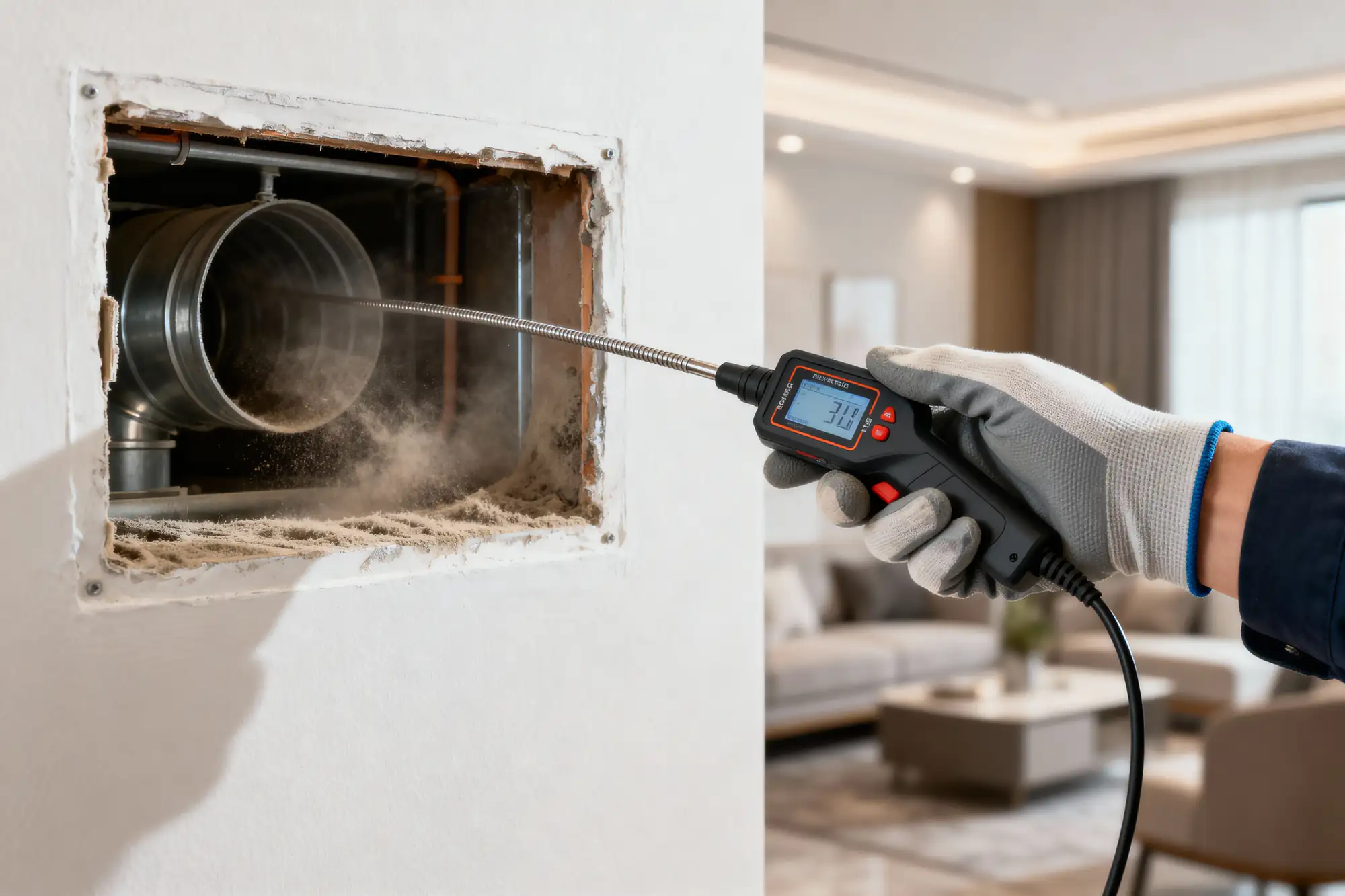
Before you can make any decisions about repair costs, you need to know if the compressor is actually the problem. Compressor failure doesn’t happen overnight—there are warning signs that give you time to plan and budget.
The most obvious sign is warm air blowing from your vents when the AC is running. If your thermostat is set to cool but your system is pushing warm or lukewarm air, the compressor likely isn’t circulating refrigerant properly. That’s the compressor’s entire job, so when it fails, cooling stops.
Strange noises are another red flag. A healthy compressor makes a low, steady hum. If you’re hearing grinding, rattling, banging, or clicking sounds coming from your outdoor unit, internal components in the compressor may be damaged or loose. These sounds typically get worse over time, not better, and ignoring them can lead to complete compressor failure.
Hard starting is a common symptom too. If your AC struggles to turn on, takes multiple attempts to start, or kicks on and off repeatedly without completing a full cooling cycle, the compressor might be on its way out. This is called short cycling, and it puts enormous strain on your entire system while driving up your energy bills.
Speaking of energy bills—if yours have suddenly spiked without any change in your usage patterns, a failing compressor could be the culprit. When the compressor can’t maintain proper pressure, your system has to run longer and work harder to achieve the same cooling. That translates directly to higher electricity costs.
Circuit breaker trips are another warning sign. If your outdoor unit keeps tripping the breaker, the compressor may be overheating and drawing too much power. Resetting the breaker repeatedly won’t fix the underlying issue—it’s your electrical system protecting your home from a potential fire hazard caused by the struggling compressor.
Refrigerant leaks around your outdoor unit are serious. You might notice oily spots on the ground near your AC or hear a hissing sound when the system runs. Low refrigerant forces the compressor to work harder, creating a harmful cycle that accelerates failure.
Sacramento’s extreme climate makes these symptoms even more critical to address quickly. When temperatures hit 105 or 110 degrees, a struggling compressor isn’t just uncomfortable—it’s a health and safety issue, especially for elderly family members, young children, or anyone with health conditions. Catching problems early, before complete failure, gives you time to get multiple quotes, check warranty coverage, and make an informed decision rather than accepting whatever emergency pricing you’re quoted during a heat wave.
Sacramento County’s unique climate creates specific cost factors that homeowners need to understand. Our summers aren’t just hot—they’re relentlessly hot, with temperatures regularly exceeding 100 degrees and heat waves pushing past 110. That extreme heat means AC systems here work harder and longer than they would in milder climates.
That constant strain affects both how often compressors fail and how much it costs to replace them. Your AC isn’t just cooling your home from 85 degrees down to 72. During peak summer, it’s battling 110-degree heat for hours on end, sometimes running nearly nonstop. That’s like asking your car to drive uphill constantly versus cruising on flat highway—the wear and tear is dramatically different.
System size matters significantly in Sacramento County. Most single-family homes here need 2.5 to 4-ton systems to handle the cooling load during summer. Smaller homes or condos might get by with 1.5 to 2-ton units, but anything larger needs substantial cooling capacity. The bigger the system, the larger and more expensive the compressor. A 1.5-ton compressor might cost $700 to $1,400 installed, while a 4-ton unit can run $1,800 to $2,800.
The type of compressor also affects cost. Single-stage compressors are the most affordable but the least efficient. They run at full blast whenever they’re on, which means they’re either cooling at 100% or off completely. Two-stage compressors can run at two different speeds—full capacity for extreme heat and a lower setting for milder days. That flexibility improves efficiency and comfort but adds to the upfront cost. Variable-speed compressors are the most advanced and expensive option, adjusting their output continuously to match your exact cooling needs. They’re the most efficient but command premium prices.
Brand matters too, though not always in the way you’d expect. Premium brands like Carrier, Trane, and Lennox typically cost more for parts, but they also tend to offer longer warranties and better reliability. Mid-range brands like Goodman, Amana, York, and Rheem offer solid performance at lower price points. Your existing system’s brand determines what replacement compressor you need—you can’t mix and match brands.
Labor costs in Sacramento County typically run $75 to $150 per hour, which is in line with California’s overall cost of living but higher than many other parts of the country. The complexity of your specific installation affects how long the job takes. If your outdoor unit is easily accessible with good working space, the job goes faster. If it’s tucked into a tight side yard with limited access, or if the technician needs to navigate challenges like outdated electrical connections or corroded refrigerant lines, labor hours increase.
Refrigerant type is another cost factor specific to system age. If your AC was installed before 2010, it likely uses R-22 refrigerant, which was phased out due to environmental concerns. R-22 is now scarce and expensive—sometimes costing several hundred dollars just for a recharge. If you’re replacing a compressor in an older system that uses R-22, that’s a strong argument for replacing the entire system with a modern unit that uses R-410A or newer refrigerants. You’ll save money on future refrigerant costs and gain significant efficiency improvements.
Timing affects pricing too. During Sacramento’s peak summer months—June through September—HVAC companies are slammed with emergency calls. Demand is high, wait times are longer, and some companies charge premium rates for emergency service during heat waves. If you can plan ahead and schedule compressor replacement during the off-season—late fall through early spring—you might find better pricing and more flexible scheduling. Of course, that’s only possible if your compressor hasn’t already failed.
Licensed contractors with proper insurance and HVAC Pro licensing might charge slightly more than unlicensed handymen, but that cost difference protects you in critical ways. Licensed technicians can properly diagnose issues, ensuring you’re not paying for a compressor replacement when the real problem is a $50 capacitor. They follow proper procedures for refrigerant handling, system evacuation, and pressure testing—steps that unlicensed contractors might skip. And if something goes wrong, their liability insurance protects your property. An unlicensed contractor who damages your system or your home leaves you with the bill.
AC compressor repair is one of the most significant HVAC investments you’ll face as a homeowner in Sacramento County. Understanding the costs—typically $800 to $2,800 depending on system size, warranty status, and labor rates—helps you make confident decisions without feeling pressured or rushed.
The key takeaway: there’s no universal right answer about whether to repair or replace. It depends on your system’s age, your warranty coverage, your repair history, and your long-term plans for your home. A well-maintained 5-year-old system with warranty coverage? Repair makes sense. A 12-year-old system with multiple recent repairs? Replacement likely saves you money and headaches in the long run.
What matters most is working with licensed, transparent professionals who explain your options clearly, break down costs upfront, and help you understand the pros and cons of each path forward. If you’re facing compressor issues in Sacramento County, we provide transparent pricing, licensed technicians trained for our extreme climate, and same-day service when you need it most. No surprises, no pressure—just honest guidance to help you make the best decision for your home and budget.
Article details:
Share:
Continue learning: