A professional heating contractor does more than fix broken systems—we help Citrus Heights homeowners slash winter utility bills through proven efficiency strategies and expert maintenance.
Share:
Summary:
Winter heating bills in California are climbing faster than most homeowners expected. With heating costs up nearly 15% in the West and electricity prices hitting some of the highest rates in the nation, Citrus Heights residents are feeling the pinch every time the temperature drops.
But here’s what most people don’t realize: your heating system might be costing you 20-30% more than it should. Not because it’s broken, but because small inefficiencies compound over time—a dirty filter here, leaky ducts there, a system that’s working twice as hard to deliver half the warmth.
A professional heating contractor knows exactly where those inefficiencies hide and how to eliminate them. You’ll discover the practical strategies that actually move the needle on your monthly bills, starting with the foundation of any efficient system.
Your heating system is the single largest energy consumer in your home, accounting for nearly half of your total utility costs. When it’s not maintained, that percentage climbs even higher.
Professional maintenance isn’t just about preventing breakdowns. It’s about keeping every component operating at peak efficiency so you’re not paying for wasted energy. A well-maintained system uses 15-30% less energy than one that’s been neglected, and that difference shows up immediately on your utility bill.
Think of it like your car. You wouldn’t skip oil changes and expect good gas mileage. Your heating system works the same way—regular tune-ups keep it running efficiently and catch the small problems before they turn into expensive ones.
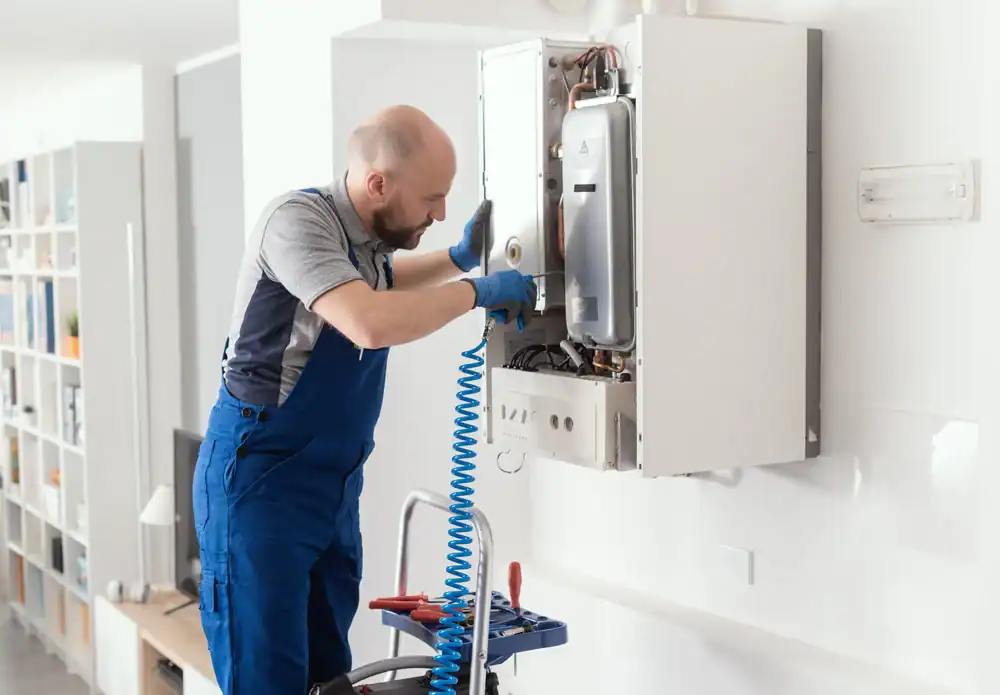
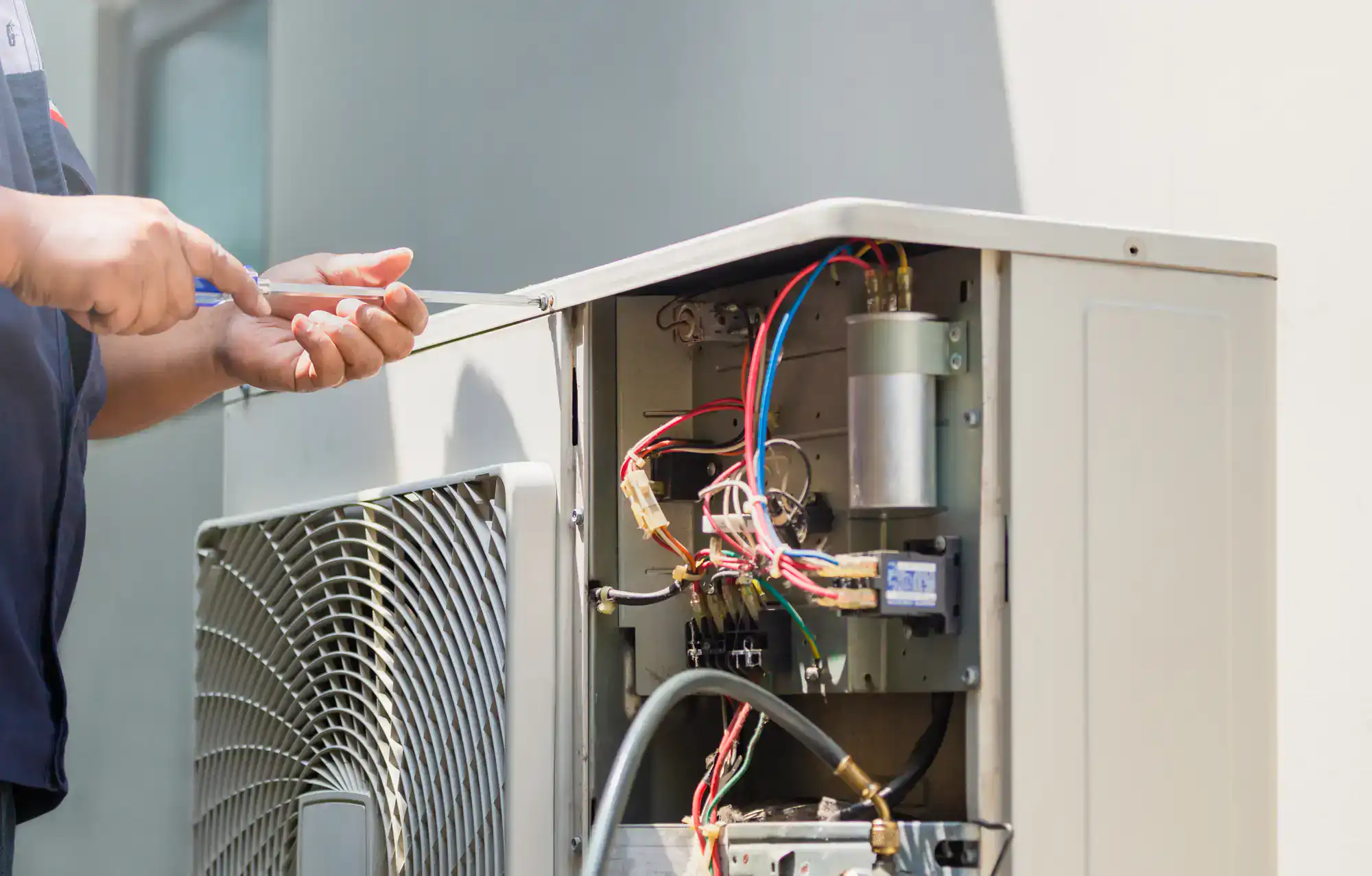
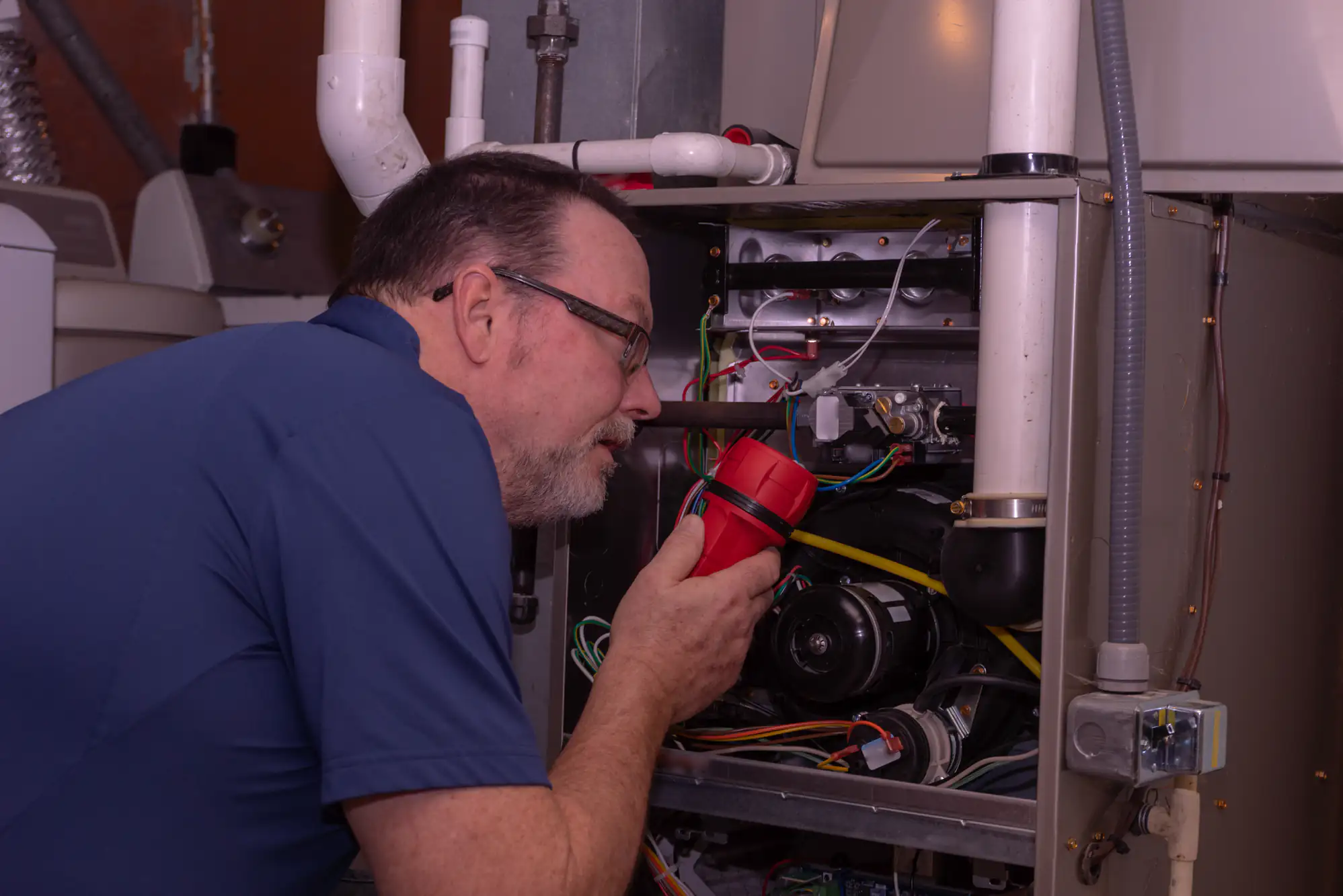
We do far more during a tune-up than swap out your air filter. We’re systematically going through your entire system to identify and eliminate inefficiencies that cost you money.
The burner gets cleaned and adjusted for optimal combustion. When your burner is dirty or misaligned, it burns more fuel to produce less heat. That’s wasted money going straight up your chimney. A clean, properly adjusted burner converts more of your fuel into actual warmth for your home.
All moving parts get lubricated. Motors and fans that struggle against friction use significantly more electricity. Proper lubrication reduces that resistance, which means your system doesn’t have to work as hard to push heated air through your home.
Electrical connections get tightened and tested. Loose connections create resistance, which forces your system to draw more power. They also pose safety risks that could lead to complete system failure. A thorough inspection catches these issues before they become problems.
The heat exchanger gets inspected for cracks or damage. A compromised heat exchanger doesn’t just waste energy—it’s a safety hazard. Catching this early prevents both higher bills and potential carbon monoxide issues.
Airflow gets measured and optimized. Restricted airflow makes your system run longer cycles to reach the desired temperature. That extended runtime translates directly to higher energy consumption. Proper airflow means your system heats your home faster using less energy.
Thermostat calibration ensures accurate temperature readings. If your thermostat thinks it’s 65 degrees when it’s actually 68, your system keeps running unnecessarily. Accurate readings mean your system only runs when it actually needs to.
The data is clear: annual tune-ups can increase your system’s efficiency by 5-20%. For most Citrus Heights homeowners, that efficiency gain covers the cost of the service and then some. You’re not spending money on maintenance—you’re investing in lower monthly bills.
A clogged air filter might seem like a small thing. It’s not. It’s one of the fastest ways to watch your heating bills climb without understanding why.
When your filter is dirty, your system has to work significantly harder to pull air through. That increased effort means increased energy consumption. The Department of Energy estimates that replacing dirty filters can save you between 5% and 15% on utility costs. For a typical Citrus Heights home, that’s real money every single month.
Most homeowners check their filters once or twice a year, if that. But during heavy heating season, filters should be checked monthly and replaced as needed. If you have pets, live near dusty areas, or run your system frequently, you might need to replace filters even more often.
Blocked or closed vents create similar problems. When vents are covered by furniture, curtains, or rugs, your system can’t distribute heated air properly. It keeps running longer cycles trying to reach the temperature your thermostat is calling for, burning energy the entire time.
We can assess your home’s airflow and identify restrictions you might not even notice. Sometimes it’s as simple as rearranging furniture or opening vents in unused rooms. Other times, it requires duct sealing or modifications to improve air distribution throughout your home.
Duct leaks are especially problematic in Sacramento County homes. The average home loses about 20-30% of heated air through leaky ductwork. That’s heated air you paid for disappearing into your attic or crawlspace instead of warming your living space. Sealing those leaks can improve your system’s efficiency by up to 20%, which directly impacts your monthly heating costs.
These aren’t complicated fixes. But they require someone who knows what to look for and how to address it properly. That’s where professional expertise makes the difference between guessing and actually solving the problem.
Want live answers?
Connect with a Hot & Cold HVAC expert for fast, friendly support.
If your heating system is more than 10-15 years old, you’re likely paying 20-50% more than you need to on energy costs. Older systems simply can’t match the efficiency of modern HVAC equipment.
The efficiency difference is measured by AFUE rating—Annual Fuel Utilization Efficiency. It tells you what percentage of fuel actually becomes heat for your home versus what gets wasted. Older furnaces often run at 60-70% AFUE. Modern high-efficiency systems reach 90-98% AFUE.
That difference isn’t just numbers on paper. For every dollar you spend on heating, a 70% AFUE furnace wastes 30 cents. A 95% AFUE furnace wastes only 5 cents. Over a full winter, that adds up to hundreds of dollars in savings.

AFUE ratings give you a straightforward way to calculate potential savings. If you’re upgrading from an 80% AFUE furnace to a 95% AFUE model, you’re looking at roughly 15% lower fuel costs. For a Citrus Heights home spending $100 monthly on heating, that’s $15 back in your pocket every month.
The calculation is simple: take the difference in AFUE percentages to estimate your fuel savings. A 95% efficient system compared to an 80% efficient system means 15% less fuel consumption for the same amount of heat.
But AFUE ratings don’t tell the whole story. Modern high-efficiency systems often include variable-speed blowers and modulating gas valves. These features allow the system to adjust its output based on actual heating needs rather than running at full blast every time it kicks on.
A single-stage furnace is either off or running at 100% capacity. That’s like driving with your gas pedal either on the floor or completely off—not exactly efficient. A two-stage or modulating furnace can run at lower capacities when you only need a little heat, which uses significantly less energy.
These efficiency features also improve comfort. Instead of blasting hot air and then shutting off, creating temperature swings, variable-speed systems maintain more consistent temperatures. You stay comfortable while using less energy.
The upfront cost of high-efficiency equipment is higher. That’s the reality. But when you factor in monthly savings, available rebates, and the longer lifespan of quality equipment, the math often works in your favor. Many homeowners in Citrus Heights see payback within 5-10 years, and the system lasts 15-20 years with proper maintenance.
We can run the numbers for your specific situation. We’ll consider your home’s size, insulation, current system efficiency, and local energy costs to show you actual projected savings rather than generic estimates.
You can have the most efficient heating system money can buy, but if you’re running it inefficiently, you’re still wasting money. That’s where smart temperature control makes a measurable difference.
The Department of Energy confirms you can save up to 10% annually on heating costs by turning your thermostat back 7-10 degrees for eight hours a day. That’s not a small number. For most households, it’s $100-180 in annual savings just from adjusting when and how you heat your home.
The challenge is remembering to make those adjustments. You wake up cold, crank the heat, and forget to turn it down when you leave for work. Or you come home to a freezing house and set it higher than needed, wasting energy while you wait for it to warm up.
Programmable and smart thermostats eliminate that problem. You set your schedule once, and the system handles the rest. It lowers the temperature while you’re sleeping or away, then brings it back to comfortable levels before you wake up or return home. You never sacrifice comfort, but you stop paying to heat an empty house.
Smart thermostats go further by learning your patterns and making automatic adjustments. Some can detect when you’re home using your phone’s location. Others have sensors in different rooms to ensure you’re heating the spaces you actually use rather than just maintaining one temperature everywhere.
The savings are real. Most homeowners see 10-15% reductions in heating bills after installing a programmable thermostat. That typically pays for the device within the first year or two.
But here’s what many people don’t know: not all thermostats work the same way with all systems. Heat pumps, for example, require specialized thermostats that prevent the backup electric resistance heat from kicking on unnecessarily. Using the wrong thermostat with a heat pump can actually increase your energy costs.
We ensure you get the right thermostat for your specific system and program it correctly for maximum savings. We’ll also show you how to use features you might not discover on your own—features that can squeeze even more efficiency from your heating system.
Your winter heating bills don’t have to keep climbing. The efficiency secrets aren’t really secrets—they’re proven strategies that we use every day to help homeowners cut costs without sacrificing comfort.
Regular maintenance keeps your system running at peak efficiency. Smart upgrades eliminate the waste built into older equipment. Proper temperature control ensures you’re only heating your home when and where you need it. Together, these strategies can reduce your heating costs by 20-30% or more.
The difference between knowing these strategies and actually implementing them comes down to working with someone who understands heating systems inside and out. At Hot & Cold HVAC, we serve Citrus Heights with the expertise and service that turns efficiency potential into real monthly savings. Your winter bills are waiting to shrink—you just need the right heating contractor to make it happen.
Article details:
Share:
Continue learning: