Replacing your HVAC system doesn't have to feel overwhelming. Here's what actually happens during installation and how to prepare your Citrus Heights home for the process.
Share:
Summary:
Your AC finally gave out during another 100-degree day, or maybe your furnace has been making sounds you can’t ignore anymore. Either way, you’re facing an HVAC installation, and you probably have questions about what that actually involves.
The process is more involved than most Citrus Heights homeowners expect. It’s not just about hauling out the old unit and dropping in a new one. There’s sizing to consider, permits to handle, ductwork to evaluate, and decisions that affect your comfort and energy bills for the next 15 years.
Here’s what actually happens during an HVAC installation and what you need to know before contractors show up at your door.
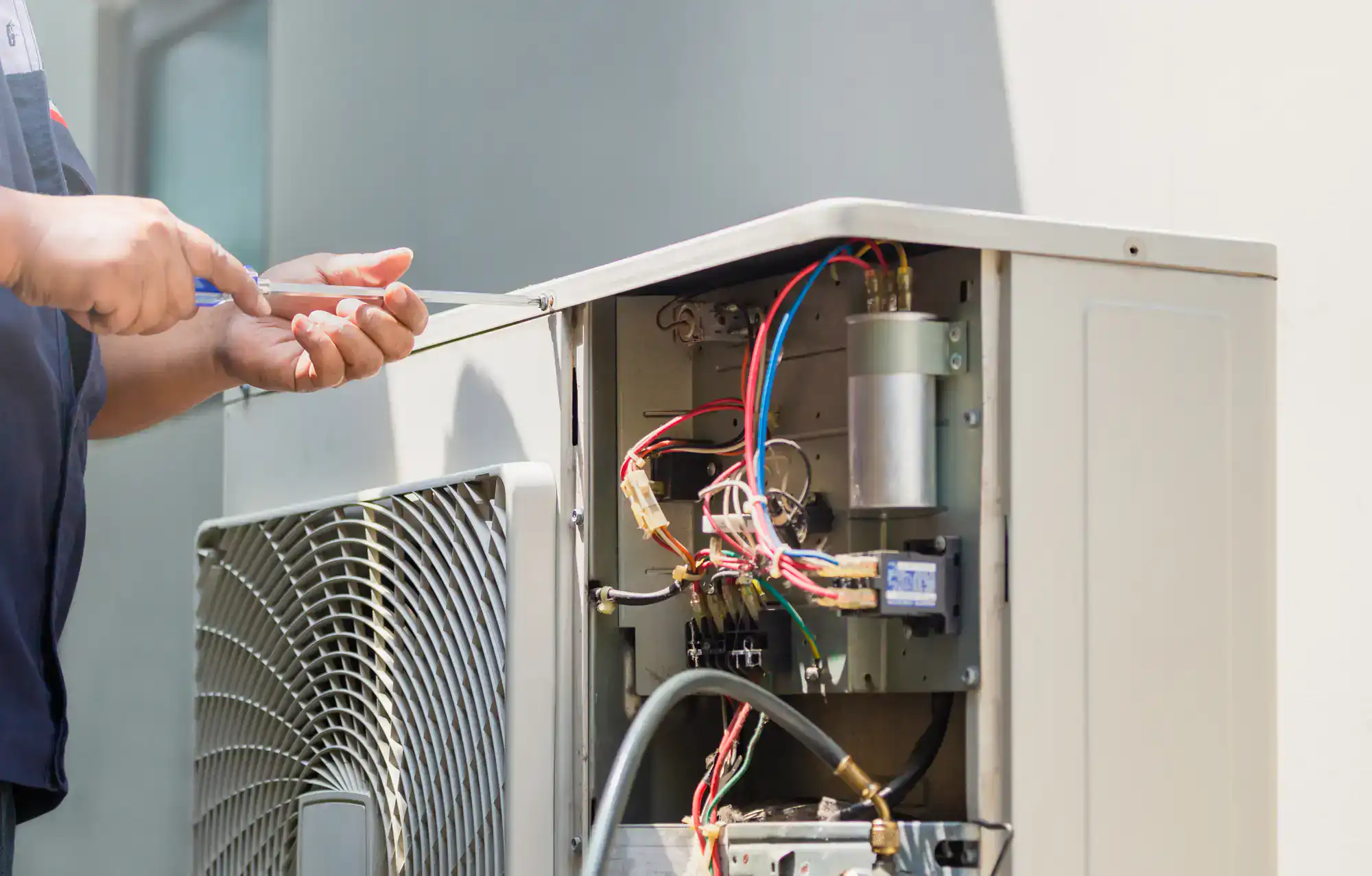
Most straightforward installations take one full day. If you’re replacing an existing system with a similar setup and your ductwork is in good shape, expect our crew to arrive in the morning and have you up and running by late afternoon.
More complex jobs stretch into two or three days. First-time installations, homes that need ductwork modifications, or properties with accessibility challenges take longer. The exact timeline depends on what your home needs, not what the calendar says is convenient.
Don’t plan on having heating or cooling during installation day. We disconnect your old system within the first hour, and you won’t have climate control again until the new equipment is tested and running. Pick a day when temperatures are manageable, or have a backup plan for where your family can stay comfortable.

The condition of your existing ductwork matters more than most people realize. If your ducts are sealed and functioning properly, installation moves faster. Leaky or damaged ductwork adds time because we need to repair or replace sections before the new system can work efficiently.
Homes without existing ductwork face the longest timelines. Installing ducts from scratch means cutting into walls or ceilings, routing pathways through your home, and ensuring proper airflow to every room. This kind of work can extend installation to several days or even a full week depending on your home’s layout.
Your electrical system plays a role too. Older homes sometimes need panel upgrades to handle modern HVAC equipment. If your current setup can’t support the new system’s power requirements, an electrician needs to make changes before installation can move forward. This adds another layer of coordination and time to the project.
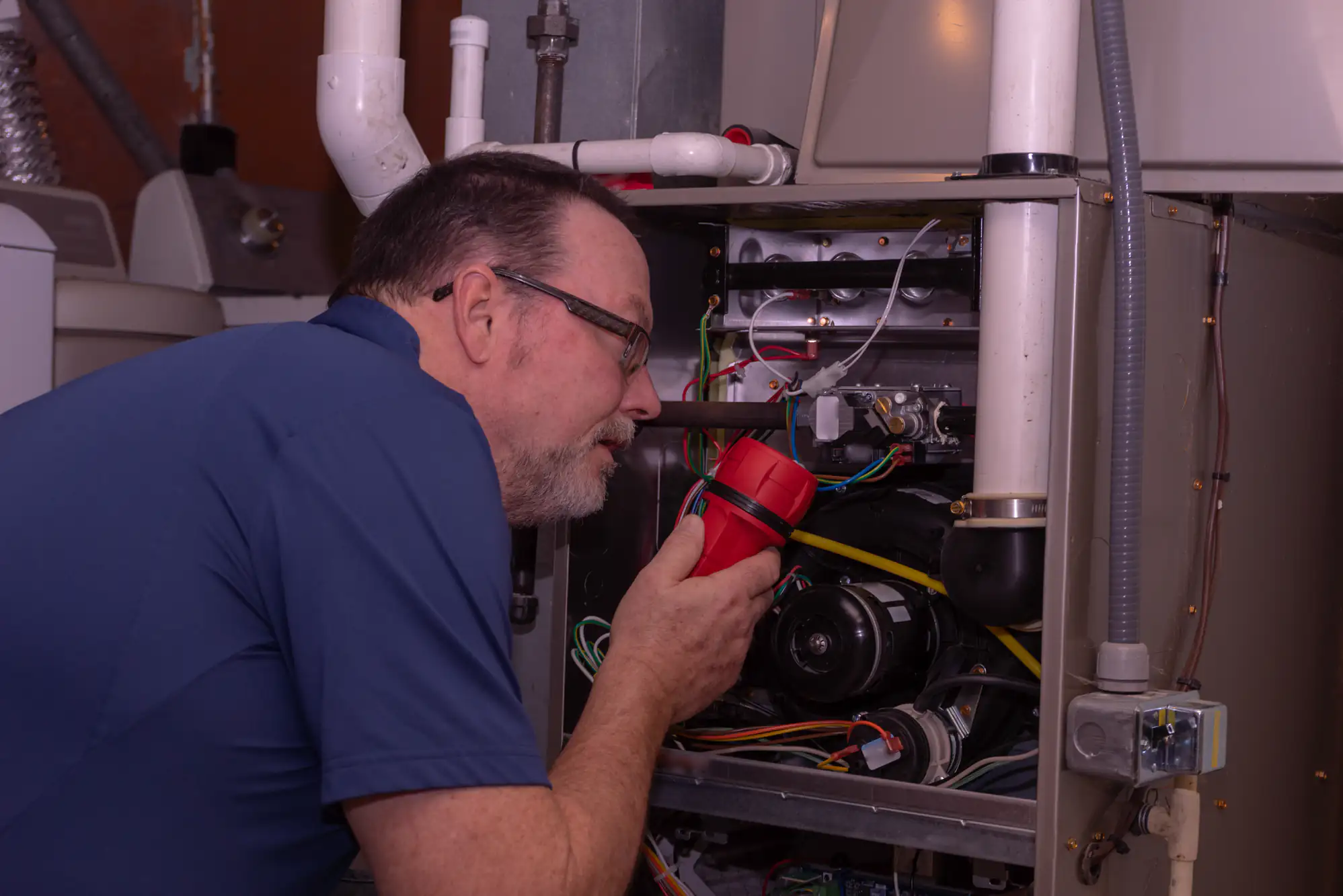
System type matters. Replacing a furnace and air conditioner at the same time takes longer than swapping just one unit. Ductless mini-splits install faster than central systems because they don’t require extensive ductwork. Heat pumps follow similar timelines to traditional AC units since they use many of the same components.
The size and layout of your home directly impact how long installation takes. A single-story ranch with straightforward access takes less time than a multi-level home where equipment sits in tight attics or crawl spaces. We work more efficiently when we can move freely and access all necessary areas without obstacles.
Permit approval and inspections add time you can’t control. Most HVAC installations in Citrus Heights require permits, and waiting for approval or scheduling inspections can delay when work actually begins. We handle this process for you, but the timeline still depends on how quickly local building departments process paperwork.
Clear the area around your existing equipment before our crew arrives. Move furniture, decorations, and anything breakable away from where we’ll be working. We need space to maneuver old equipment out and new equipment in without damaging your belongings or hurting ourselves trying to work around obstacles.
Create a clear path from your front door to wherever your HVAC equipment lives. Whether that’s the garage, attic, basement, or a closet, we’ll be hauling heavy equipment through your home. Remove rugs that could slip, move plants or decorations that sit in hallways, and make sure doorways are wide open.
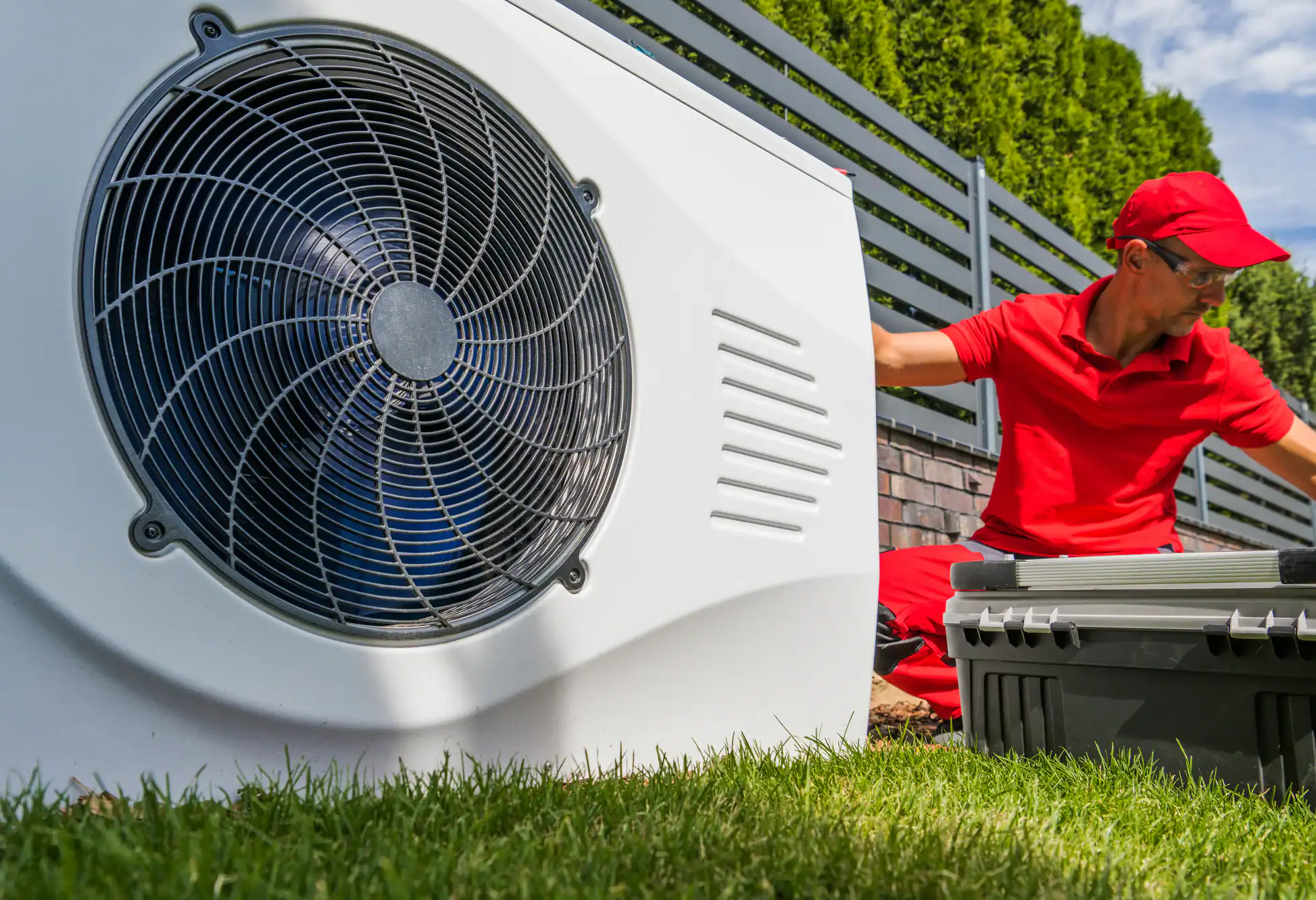
Handle your outdoor unit area too. Trim back bushes, move patio furniture, and clear debris from around the existing equipment. We need at least three feet of clearance on all sides to work safely and install the new outdoor unit properly.
Plan for your pets. Installation involves open doors, strangers in your home, and equipment moving in and out. If your dog barks at visitors or your cat tries to escape, arrange for them to stay elsewhere during installation. This keeps them safe and lets us work without worrying about animals underfoot.
Be present at the start and end of installation, but you don’t need to hover the entire time. We appreciate when homeowners are available to answer questions and make decisions, but we don’t need you watching over our shoulders. Many homeowners step out once work is underway and return for the final walkthrough.
Stock your fridge if installation stretches across multiple days. You won’t have climate control while work is happening, so think about whether you need to arrange temporary cooling or heating, especially if installation happens during extreme weather. Some families choose to work from a coffee shop or library on installation day rather than sitting in an uncomfortable house.
Ask us what else you should do. Every home is different, and we might have specific requests based on your property’s layout or the type of system being installed. A quick conversation a few days before installation prevents surprises and helps everything run smoothly.
Want live answers?
Connect with a Hot & Cold HVAC expert for fast, friendly support.
Bigger is not better when it comes to HVAC equipment. An oversized system cools or heats your home too quickly, then shuts off before it can properly remove humidity from the air. This creates a cycle of short bursts that waste energy, wear out components faster, and leave your home feeling clammy even when the temperature seems right.
Undersized systems create different problems. They run constantly trying to reach your desired temperature but never quite get there. You end up with high energy bills, uneven temperatures throughout your home, and equipment that burns out years earlier than it should because it never gets a break.
Proper sizing requires a load calculation that accounts for your home’s specific characteristics. Square footage matters, but so does insulation quality, window placement, ceiling height, and how much sun hits your house throughout the day. Citrus Heights homes face intense summer heat and need systems sized to handle those peak demand days without being so large they perform poorly during milder weather.

A Manual J load calculation is the industry standard for determining the right HVAC size for your home. This process measures every factor that affects how much heating and cooling your space requires. We evaluate your home’s square footage, but we also look at insulation levels in your walls and attic, the type and number of windows you have, your home’s orientation to the sun, and even how many people typically occupy the space.
Your home’s construction materials affect sizing too. Older homes with single-pane windows and minimal insulation need different capacity than newer construction with energy-efficient features. The color of your roof matters because dark roofs absorb more heat than light-colored ones. These details might seem minor, but they add up to significant differences in how much heating and cooling capacity your home actually needs.
Local climate plays a major role in sizing calculations. Citrus Heights experiences hot, dry summers where temperatures regularly exceed 95 degrees, sometimes hitting 100 or higher. Your system needs enough capacity to keep your home comfortable during those peak heat days. But it also needs to work efficiently during spring and fall when temperatures are more moderate.
Ductwork condition affects sizing decisions. If your ducts leak air or aren’t properly sealed, you’ll lose cooling and heating capacity before conditioned air reaches your living spaces. We evaluate your ductwork as part of the sizing process and recommend repairs if needed. Installing a perfectly sized system won’t help much if 30% of your conditioned air escapes through leaky ducts.
Don’t assume your old system was the right size. Many older installations were sized using rules of thumb rather than proper calculations. Just because your previous unit was a 3-ton system doesn’t mean that’s what your home actually needs. Changes you’ve made to your home—adding insulation, replacing windows, or finishing a basement—also affect sizing requirements.
Energy efficiency ratings interact with sizing in ways most homeowners don’t expect. A higher SEER rating means the system uses less energy to produce the same amount of cooling, but it doesn’t mean you can downsize the equipment. You still need enough capacity to cool your home on the hottest days. The efficiency rating affects your operating costs, not the size of equipment your home requires.
Ask to see the load calculation. A contractor who sizes your system based on square footage alone or just replaces your old unit with the same size isn’t doing their job properly. You deserve to know that your new system is sized correctly for your specific home, not just a ballpark guess based on what usually works in similar houses.
Central air conditioning systems work well if you already have ductwork in place. These systems deliver cooled or heated air through vents positioned throughout your home, providing even temperature control in every room. If your existing ducts are in good condition, a central system typically offers the most cost-effective solution for whole-home comfort.
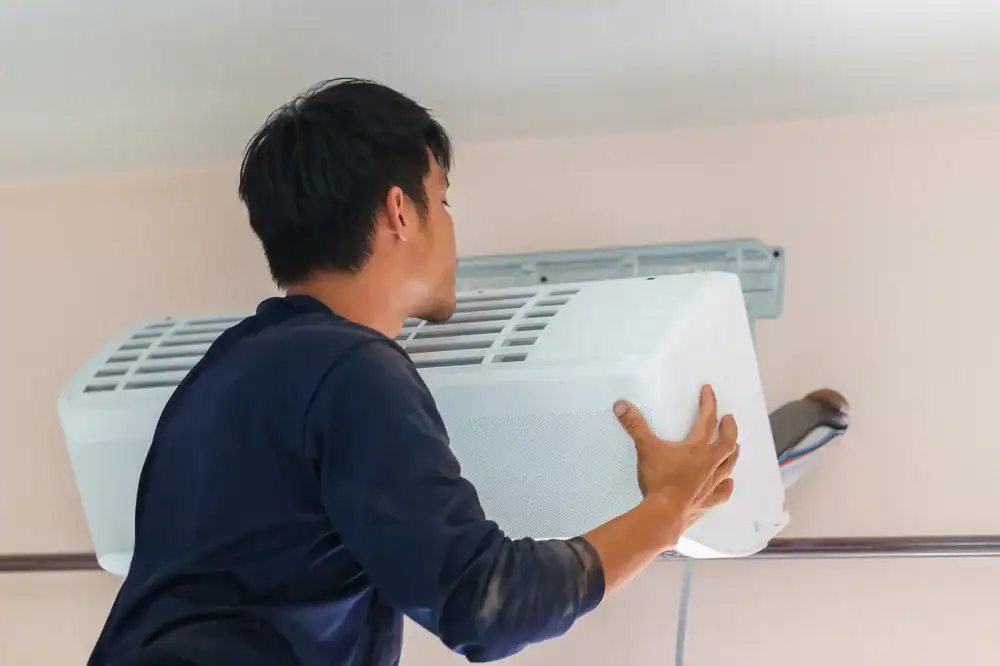
Ductless mini-split systems make sense when you don’t have existing ductwork or when you want to add climate control to specific areas without the expense of installing ducts. These systems mount indoor units on your walls or ceiling and connect to an outdoor compressor through small refrigerant lines. They’re more expensive per ton of cooling than central systems, but they avoid the cost and disruption of installing ductwork.
Heat pumps offer both heating and cooling in a single system. They work by transferring heat rather than generating it, which makes them highly efficient in moderate climates like Citrus Heights. During summer, they move heat out of your home to cool it. In winter, they extract heat from outdoor air and move it inside. Modern heat pumps work effectively even when outdoor temperatures drop, making them increasingly popular for year-round comfort.
Energy efficiency ratings tell you how much cooling or heating you get per unit of electricity consumed. SEER ratings measure cooling efficiency—higher numbers mean lower operating costs. Most systems today range from 14 to 16 SEER, while premium high-efficiency models reach 20 SEER or higher. The difference in efficiency translates directly to your monthly utility bills, especially during Citrus Heights’ long cooling season.
Brand selection matters less than proper installation and sizing. Reputable manufacturers like American Standard, Carrier, Bryant, Lennox, and Ruud all build quality equipment. The real difference in performance and longevity comes from correct sizing, proper installation, and regular maintenance. A mid-tier system installed correctly will outperform a premium system installed poorly every single time.
Variable-speed and two-stage systems cost more upfront but offer better humidity control and more consistent temperatures. Single-stage systems run at full capacity whenever they’re on, then shut off completely. Variable-speed systems adjust their output to match your home’s needs at any given moment, running longer at lower speeds to maintain steady temperatures and remove more humidity from the air.
Consider your home’s specific challenges when choosing equipment. If certain rooms always run warmer or cooler than others, a zoning system might solve that problem. If indoor air quality concerns you—and it should in Citrus Heights where wildfire smoke and allergens are common—look at systems with better filtration options or plan to add air purification equipment.
HVAC installation involves more decisions and details than most homeowners expect, but understanding the process helps you feel confident rather than overwhelmed. The right system, properly sized and correctly installed, keeps your family comfortable for 15 years or more while keeping energy costs manageable.
Focus on finding a contractor who takes time to assess your home properly, explains their recommendations clearly, and handles all the details from permits to final testing. The installation itself might only take a day or two, but the decisions you make now affect your comfort and costs for years to come.
When you’re ready to move forward with your HVAC installation, we can help you navigate every step of the process. We understand how Citrus Heights’ climate affects your home, and we know what it takes to install systems that perform reliably through scorching summers and cool winters.
Article details:
Share:
Continue learning: