You know the feeling. It’s 105 degrees outside, your AC just quit, and you’re staring at a repair estimate that makes your stomach drop. Emergency AC repair in Sacramento County isn’t cheap, and it always seems to happen at the worst possible time—right when your family needs cooling most.
Here’s what most homeowners don’t realize: the majority of those emergency calls could have been prevented. The breakdowns that cost $1,500 or more often start with small issues that went unnoticed for weeks or months. A clogged filter here, a dirty coil there, and suddenly your system is working triple-time just to keep up with Sacramento’s brutal heat.
This isn’t about becoming an HVAC expert. It’s about understanding five simple maintenance habits that keep your AC running when it matters. Let’s start with the one thing that causes more cooling failures than anything else.
Change Your Air Filter Before It Chokes Your System
Your air filter does more work than you think. Every minute your AC runs, that filter traps dust, pollen, pet hair, and debris before it enters your system. In Sacramento’s dry climate, that adds up fast.
When the filter gets clogged, airflow drops. Your AC has to work harder to push air through, components overheat, and energy bills climb. Worse, that restriction forces your system into overdrive during the hottest days of summer—exactly when you can’t afford a breakdown.
Most AC contractors will tell you the same thing: dirty filters account for 30-40% of the cooling failures they see. It’s the easiest problem to prevent and the most common reason homeowners end up paying for emergency service calls they didn’t need.
How Often Should You Replace Your Air Conditioner Filter in Sacramento
The answer depends on your home, but Sacramento homeowners typically need to check filters more often than the standard recommendation. Our dry, dusty environment clogs filters faster than humid climates.
Start by checking your filter every month during the cooling season. Hold it up to the light. If you can’t see through it clearly, it’s time for a replacement. Most standard 1-inch pleated filters need changing every one to three months when your AC is running regularly.
If you have pets, live near construction, or keep windows open, you’re looking at the shorter end of that range. Homes with multiple pets or allergy concerns might need monthly changes. The filter itself will tell you—if it looks gray, packed with debris, or noticeably dirty, don’t wait.
Here’s a practical approach that works: set a reminder for the first of every month during summer. Takes two minutes to check, costs maybe $5 to replace, and prevents the kind of airflow problems that lead to $500+ repair bills. You’re not just protecting your AC. You’re protecting your wallet and your family’s comfort during those stretches when Sacramento hits 110 degrees for days straight.
Some homeowners upgrade to higher-quality filters thinking it’ll solve everything. That can backfire. Filters with very high MERV ratings restrict airflow in systems not designed for them, creating the same problems as a clogged filter. Stick with what your system’s manufacturer recommends unless an HVAC company specifically advises otherwise after inspecting your setup.
The outdoor unit matters too, but we’ll get to that next.
Why Your Outdoor AC Unit Needs Regular Cleaning
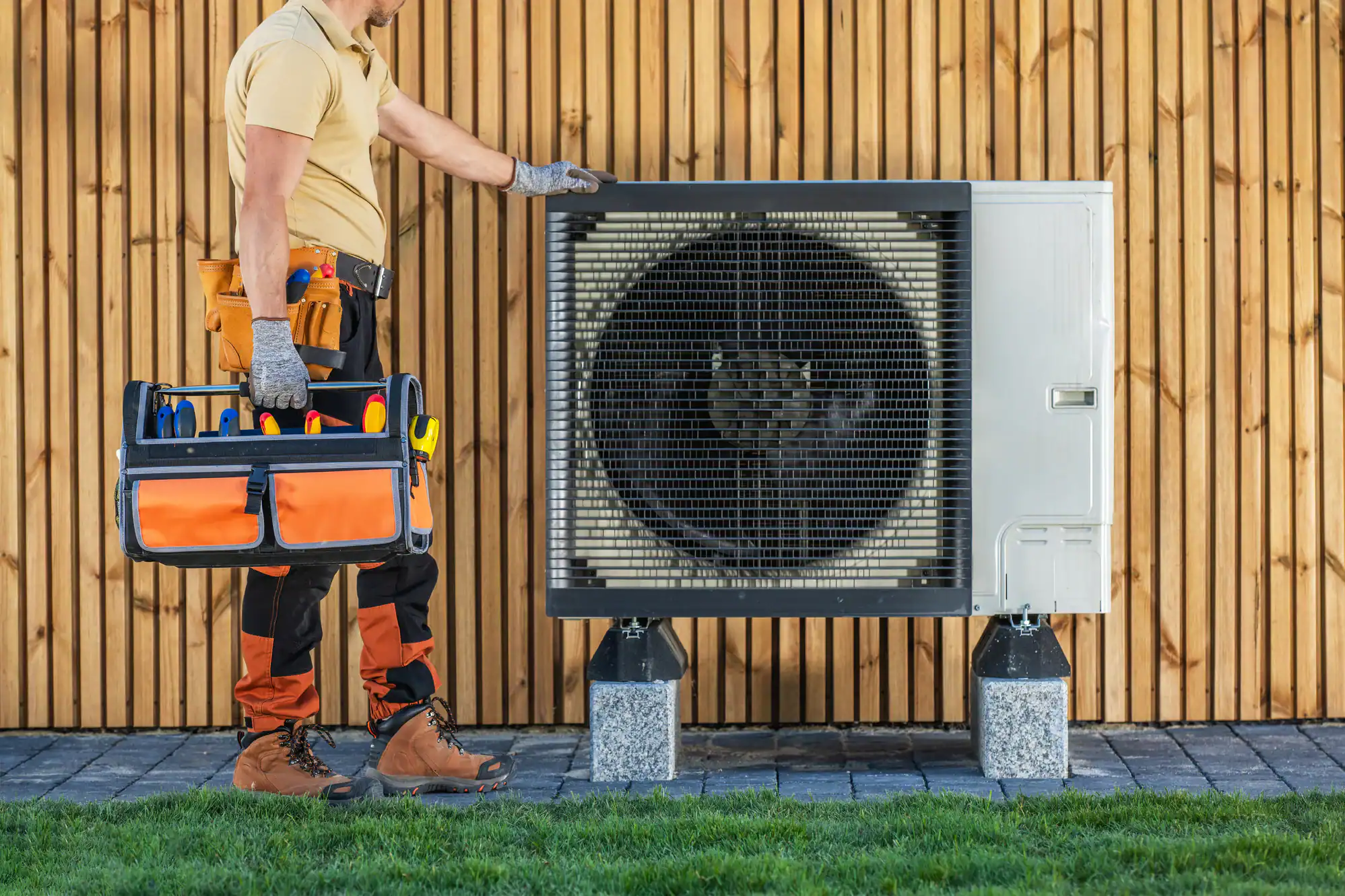
Your outdoor condenser unit does the heavy lifting when it comes to cooling your home. It releases all the heat your AC pulls from inside, and it needs clear space to do that job effectively. When airflow gets blocked, the whole system suffers.
Walk outside and look at your unit right now. Is it surrounded by bushes, weeds, or landscaping that’s grown too close? Are leaves, grass clippings, or cottonwood fluff packed against the sides? That’s restricting airflow and forcing your compressor to work harder than it should.
We recommend keeping at least two feet of clearance around the entire unit. Trim back any vegetation, remove debris, and make sure nothing’s leaning against it or blocking the top. During Sacramento’s long cooling season, your AC runs for months straight. Even small obstructions add up to significant efficiency loss and increased wear on components.
The fins on your condenser coil are delicate—they bend easily. But they also get coated with dust, pollen, and grime from our dry Sacramento air. You can gently rinse the unit with a garden hose from the inside out, being careful not to bend those fins. Don’t use a pressure washer. The force will damage the coil and create bigger problems.
If the coils look heavily caked with dirt or you’re not comfortable doing it yourself, that’s what professional AC maintenance is for. Our technicians can clean the coils properly, check refrigerant levels, and catch other issues before they turn into emergency repairs. Most homeowners in Sacramento County schedule this in spring, before the real heat hits.
Ignoring your outdoor unit is one of the fastest ways to shorten your AC’s lifespan. These systems are built to last 15-20 years with proper care, but neglect can cut that in half. And when they fail during a heat wave, you’re not just paying for the repair—you’re paying premium rates for emergency service because every HVAC company in the area is slammed with calls.
Schedule AC Maintenance Before Summer, Not During It
Timing matters when it comes to AC maintenance. Most Sacramento homeowners wait until their system struggles or quits entirely before calling an HVAC contractor. By then, you’re dealing with an emergency repair during peak season when temperatures are already unbearable and technicians are booked solid.
The smarter approach is scheduling a tune-up in spring—March or April, before Sacramento’s heat really kicks in. Your system gets inspected, cleaned, and adjusted when HVAC companies aren’t drowning in emergency calls. You get better availability, often better pricing, and your AC is ready to handle the long summer ahead.
Professional maintenance catches the problems you can’t see. Refrigerant levels, electrical connections, capacitor function, thermostat calibration—these aren’t things you can check with a visual inspection. A trained technician identifies worn components before they fail, tightens connections that could cause shorts, and guarantees your system is running as smoothly as possible.
What Happens During a Professional AC Tune-Up
A real AC maintenance visit isn’t just a quick look-over. It’s a systematic inspection and service of every component that keeps your system running. Understanding what you’re paying for helps you see why it’s worth doing annually.
Our technicians start with your air filter and indoor components. We’ll check the evaporator coil for dirt buildup, inspect the condensate drain to prevent water leaks, and test the blower motor and fan. Electrical connections get tightened, and moving parts get lubricated to reduce friction and wear.
Then we move outside to your condenser unit. The outdoor coil gets cleaned, refrigerant levels are checked and adjusted if needed, and the compressor is tested for proper operation. We’ll inspect the contactor and capacitor—two components that fail frequently in Sacramento’s heat—and replace them if they show signs of wear.
The thermostat gets calibrated to ensure accurate temperature readings. Ductwork is inspected for leaks or disconnections that waste cooled air. Airflow is measured to confirm your system is moving the right amount of air through your home. And you get a report on your system’s overall condition, including any concerns that might need attention soon.
This comprehensive approach is why maintenance prevents most emergency repairs. Small issues get fixed before they cascade into bigger failures. A $200 capacitor replacement during a tune-up beats a $1,500 compressor failure during a heat wave, every time.
Sacramento’s extreme temperatures put serious stress on AC systems. Your unit runs harder and longer here than it would in milder climates. That accelerated wear means maintenance isn’t optional—it’s the difference between a system that lasts 20 years and one that fails after 10.
Warning Signs Your AC Is About to Fail
Your AC tells you when something’s wrong, but most homeowners miss the signals until it’s too late. Learning to recognize these early warnings gives you time to schedule a repair before it becomes an emergency.
Weak airflow from your vents means something’s restricting air movement—usually a clogged filter, failing blower motor, or ductwork problem. If some rooms stay warmer than others even with the AC running, that’s often a sign of duct leaks or an undersized system struggling to keep up.
Strange noises are never normal. Grinding, squealing, or banging sounds point to mechanical problems like failing motors, loose components, or worn belts. A hissing sound near the outdoor unit often indicates a refrigerant leak. Any of these warrant a call to an HVAC contractor before the component fails completely.
If your AC cycles on and off more frequently than usual—called short cycling—that’s a red flag. It could be low refrigerant, a failing compressor, an oversized unit, or even a bad thermostat. Short cycling wastes energy and accelerates wear on your system.
Water pooling around your indoor unit isn’t normal either. It usually means a clogged condensate drain or frozen evaporator coils. Both need professional attention to prevent water damage to your home and further AC problems.
Rising energy bills without a corresponding increase in usage tell you your system is losing efficiency. That happens gradually as components wear, refrigerant leaks, or dirt accumulates. A sudden spike often means something specific has failed and your AC is working overtime to compensate.
The key is acting on these warnings before your system quits entirely. A planned repair visit costs less than an emergency call, and you avoid the discomfort of waiting for service during a Sacramento heat wave when every HVAC company is backed up for days.
Most emergency AC repairs in Sacramento County start as small issues that get ignored. The homeowner noticed weak cooling or strange sounds but figured it could wait. Then temperatures hit 108, the system couldn’t keep up, and a minor problem became a complete breakdown. Don’t be that homeowner.
Simple Maintenance Beats Emergency Repairs Every Time
Emergency AC repairs cost more, happen at the worst times, and usually could have been prevented. The five strategies we’ve covered aren’t complicated or expensive, but they make the difference between a system that serves you reliably and one that leaves you stranded during Sacramento’s brutal summers.
Change your filters regularly. Keep your outdoor unit clear. Schedule professional maintenance in spring before the heat arrives. Pay attention to warning signs. These habits extend your AC’s lifespan, lower your energy bills, and give you assurance when temperatures climb past 100 degrees.
Your AC is one of the biggest investments in your home. Treating it right means it’ll be there when you need it most—not sitting broken while you wait days for an emergency repair during the hottest week of the year. If it’s been a while since your system was professionally serviced, or if you’re noticing any of the warning signs we discussed, now’s the time to take action. Reach out to us at Hot & Cold HVAC and get your system checked before summer puts it to the test.