Your new HVAC installation is a major investment. These 10 practical tips help you protect that investment and keep your system running efficiently for 20+ years.
Share:
Summary:
Your installer handed you paperwork. There’s a serial number somewhere. And buried in that stack is information about warranty registration that most homeowners toss in a drawer and forget about.
Here’s the problem with that. Most manufacturers give you a base warranty of 5 years if you don’t register. Register within 60 to 90 days of your HVAC installation, and that coverage jumps to 10 years or more. That’s double the protection on parts that can cost hundreds to replace.
Your system warranty typically covers parts that fail due to manufacturing defects, but not labor costs. Still, when a compressor goes bad on year 7, you’ll pay $200 for a technician instead of $2,000 for parts and labor. Registration takes 10 minutes. You’ll need your model number, serial number, and installation date.
Let’s say it’s day 65 and you just remembered. You’re outside that 60-day window most manufacturers require for extended coverage.
You’re not completely out of luck, but your warranty just dropped from 10 years back to 5. That’s five years of coverage you just lost because registration slipped your mind. Some manufacturers are stricter than others—a few won’t budge at all past their deadline.
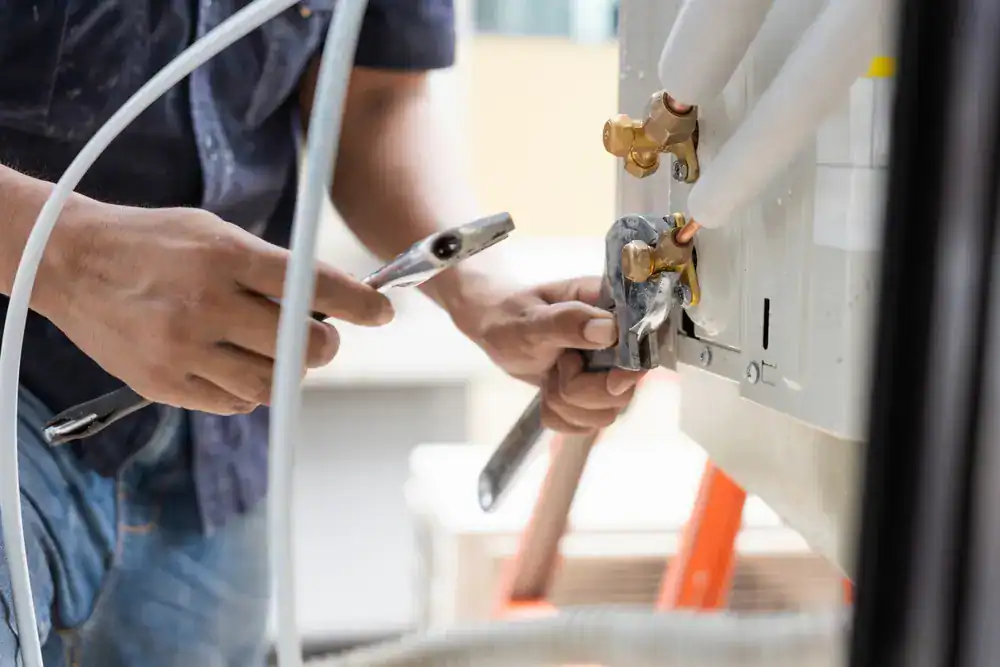
The registration process itself is straightforward. Most manufacturers have online portals where you enter your information. You’ll get a confirmation email with your warranty certificate. Print it. Save a digital copy. Put it somewhere you’ll actually find it when you need it three years from now.
If you’re buying a home with an existing HVAC system that’s still under warranty, ask about warranty transfer. Some manufacturers allow this, but there’s usually a small transfer fee and a limited window to complete it. The original owner’s warranty doesn’t automatically follow the house.
Keep every piece of paperwork from your HVAC installation. Invoices, permits, inspection records, maintenance receipts—all of it. Manufacturers can and do ask for proof of professional installation and regular maintenance when you file a warranty claim. No documentation means no coverage, even if you’re technically still within the warranty period. That’s not a scare tactic. It’s in the fine print you didn’t read.
Here’s what else voids most warranties: using non-certified technicians, installing aftermarket parts, skipping required maintenance, or having someone other than a licensed professional work on your system. The manufacturer doesn’t care if your neighbor’s cousin “knows HVAC.” They want documentation that a certified tech did the work.
Your warranty assumes your system was installed correctly. If it wasn’t, you’re going to have problems, and the manufacturer isn’t going to cover them.
Improper sizing is the most common installation mistake. A system that’s too large will short-cycle, turning on and off constantly. That wears out components fast. A system that’s too small will run continuously, never quite reaching your set temperature, and burning itself out trying. Both scenarios void your warranty because the failure stems from installation error, not manufacturing defect.
Ductwork matters more than most people realize. Leaky ducts can waste up to 30% of your heated or cooled air. That forces your system to work harder to compensate, which accelerates wear. If your installer didn’t check for leaks, seal connections properly, or ensure adequate airflow, your brand-new system is already compromised.
Refrigerant levels need to be exact. Too much or too little, and your system won’t cool efficiently. This is why post-installation testing is critical. A quality installer will run pressure tests, check temperature differentials, measure airflow, and verify that everything’s calibrated correctly before they leave. Less than 3% of contractors perform full system commissioning, which is the comprehensive testing process that catches these issues.
Ask your installer what testing they performed. If they can’t give you specifics beyond “we turned it on and it works,” that’s a red flag. Proper commissioning includes checking gas pressures, voltage levels, refrigerant balance, and sensor calibration. These settings can drift over time, especially in Sacramento County, CA where utility fluctuations are common, but they should be perfect on day one.
Unit calibration is part of that commissioning process. Your thermostat needs to accurately read room temperature. If it’s off by even 3 degrees, your system will run too much or too little. That affects both comfort and efficiency. A simple test—place an accurate thermometer next to your thermostat for 15 minutes, then compare readings. If there’s more than a 1-2 degree difference, your thermostat needs calibration.
Want live answers?
Connect with a Hot & Cold HVAC expert for fast, friendly support.
You have a new system. It’s running fine. Why would you need HVAC maintenance already?
Because even new systems need a check-up after their first year of operation. That first maintenance visit catches small issues before they become expensive problems. Gas pressures shift. Electrical connections can loosen. Sensors drift. None of this means your system is failing—it’s normal settling that happens as equipment goes through its first heating and cooling cycles.
Schedule that first visit about 12 months after your HVAC installation. After that, you want professional maintenance twice a year—spring for your AC, fall for your heating system. Sacramento County, CA’s climate demands this maintenance schedule. Your system works hard during those 90-degree-plus summer days and needs to be ready before the heat hits.
A real maintenance visit isn’t someone showing up, changing your filter, and leaving 20 minutes later. That’s not maintenance. That’s a filter change you could have done yourself.
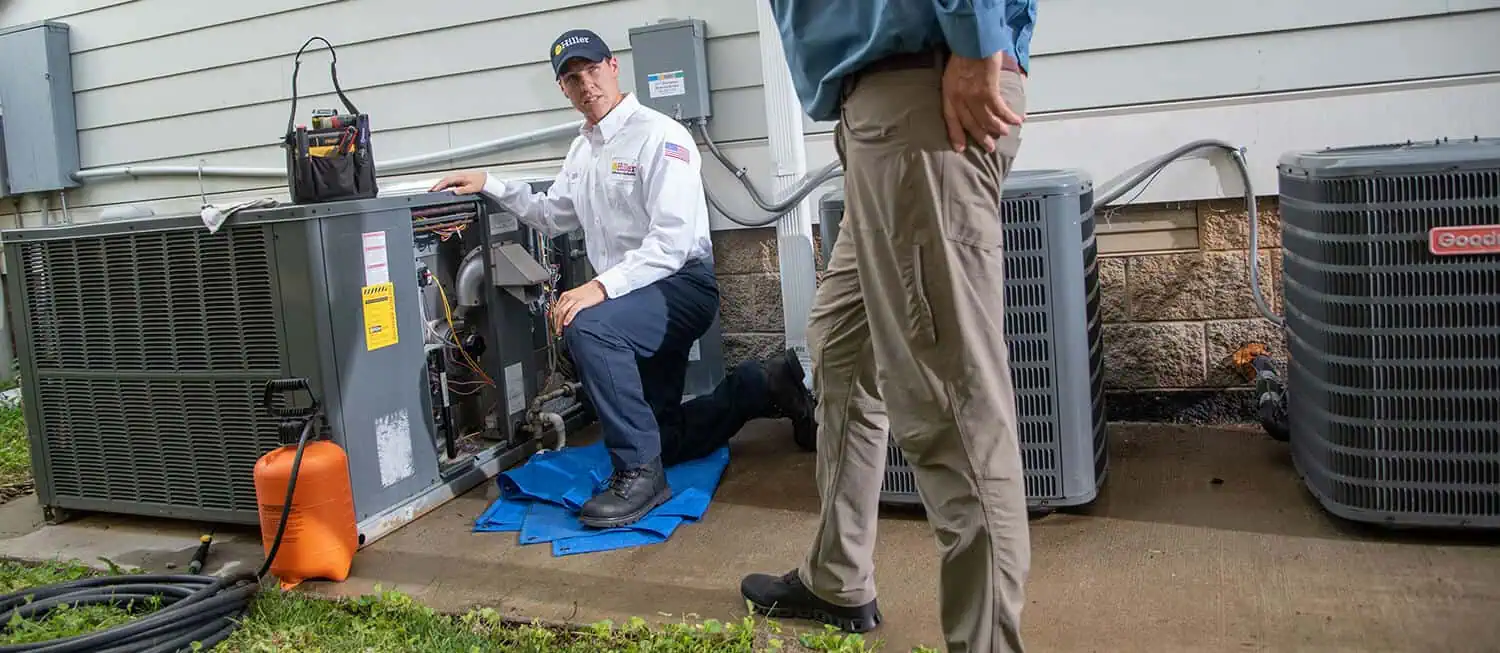
Professional maintenance means your technician is checking refrigerant levels, testing electrical connections, measuring airflow, inspecting your condensate drain, cleaning coils, lubricating moving parts, and verifying that your system is operating within manufacturer specifications. They’re looking for early warning signs—unusual wear patterns, components that are working harder than they should, anything that suggests a problem is developing.
Your outdoor condenser unit accumulates dirt, leaves, grass clippings, and debris. That blocks airflow and forces your system to work harder to cool your home. A technician will clean the condenser coils and clear any obstructions. This alone can improve efficiency by 10-15%.
Indoor components need attention too. Your evaporator coil collects dust over time, which insulates it and reduces its ability to absorb heat. Dirty coils mean your AC runs longer to achieve the same cooling. Cleaning them restores efficiency. The same goes for your blower assembly—dust buildup on the blower wheel reduces airflow and makes your system work harder.
Electrical connections loosen over time, especially if you have an older blower that vibrates. Loose connections create resistance, which generates heat, which can lead to component failure. Your technician will tighten these connections and check for any signs of overheating or wear.
Refrigerant levels need to stay within a specific range. Too low, and your system can’t cool effectively. Too high, and you risk damaging the compressor. Your technician will check these levels and adjust if necessary. This isn’t something you can DIY—refrigerant handling requires certification and specialized equipment.
Your condensate drain removes moisture that your AC pulls from the air. If that drain gets clogged, water backs up into your system. That can cause water damage, encourage mold growth, and trigger your system’s safety shutoff. A technician will clear the drain line and verify it’s flowing properly. This takes five minutes and prevents a mess that could cost hundreds to fix.
Twice a year is the standard recommendation, but your specific situation might call for something different.
If you have pets, you’re generating more dust and dander. That clogs filters faster and means your system needs more frequent attention. If someone in your household has allergies or respiratory issues, cleaner filters and more frequent maintenance improve indoor air quality. If you run your system heavily—and in Sacramento County, CA, you probably do during summer—that’s more wear and tear that benefits from closer monitoring.
Many HVAC companies offer maintenance agreements that bundle your spring and fall visits, often at a discount compared to paying for each visit separately. These agreements usually include priority scheduling, which matters when your AC dies on a 104-degree day and everyone else is calling for emergency service. You get moved to the front of the line.
The cost of maintenance runs $100 to $200 per visit, depending on your system and what’s included. Compare that to emergency repair calls that start at $500 and can easily hit four figures if a major component fails. Reactive maintenance—waiting until something breaks—costs about 40% more than preventive maintenance over the life of your system. You’re either paying now for tune-ups, or paying later for repairs. Later is always more expensive.
Some people try to skip maintenance because their system seems fine. It’s cooling the house. No strange noises. Why spend the money? Here’s why—HVAC systems don’t usually give you warning before they fail. One day it’s working. The next day it’s not. And when it fails on the hottest day of summer, you’re not just dealing with an expensive repair. You’re dealing with an uncomfortable house and a 3-day wait for parts while your family sweats it out.
Bi-annual maintenance catches those developing problems. A technician can hear that your compressor is starting to struggle, see that a component is wearing unevenly, or notice that your refrigerant level has dropped slightly. None of these are emergencies yet, but they will be if you ignore them. Fixing a small issue costs a fraction of what you’ll pay when that issue becomes a complete failure.
Your maintenance schedule should also account for your system’s age. A brand-new system needs less frequent attention than one that’s 8 years old. As your system ages, components wear out. That’s normal. But increased maintenance frequency helps you catch and replace wearing parts before they fail and damage other components. A $150 part replaced during maintenance is a lot cheaper than a $1,500 repair after that part fails and takes out your compressor.
Your new HVAC system should last 15 to 20 years, maybe longer if you take care of it. That’s not luck. That’s the result of doing a few things right, consistently, starting now.
Register your warranty. Don’t wait. Do it this week. Schedule your first maintenance visit for 12 months out, then commit to twice-yearly tune-ups after that. Change your filters every 1 to 3 months. Pay attention to how your system sounds and performs. Small changes often signal developing problems.
Sacramento County, CA’s climate is hard on HVAC systems. Those 100-degree days aren’t going away. Your system is going to work hard to keep your home comfortable. The steps outlined here—warranty registration, proper unit calibration, regular maintenance, smart thermostat settings—these aren’t optional extras. They’re the difference between a system that dies at 12 years and one that’s still running strong at 22. If you have questions about maintaining your new system or need to schedule that first tune-up, we can help you protect your investment and keep your home comfortable for decades to come.
Article details:
Share:
Continue learning: