EPA refrigerant regulations are changing in 2026. Here's what Sacramento homeowners actually need to know about R-454B, costs, and your current AC system.
Share:

Summary:
The EPA implemented new rules under the American Innovation and Manufacturing Act that affect how air conditioning systems are made and sold. Starting January 1, 2025, manufacturers can no longer produce residential AC systems using R-410A refrigerant, which has been the industry standard since 2010. Instead, new systems must use refrigerants with lower global warming potential—primarily R-454B or R-32, both classified as A2L refrigerants.
The original deadline required these older systems to be installed by January 1, 2026. However, the EPA has indicated enforcement discretion on this installation deadline for residential systems, meaning there’s some flexibility. What matters more is understanding that this transition affects new equipment manufacturing, not your existing system.
Your current AC isn’t suddenly illegal or worthless. If your system uses R-410A or even older R-22 refrigerant, it can continue operating exactly as it has been. You can still get it serviced, repaired, and recharged with the same refrigerant it’s always used. The regulations target what manufacturers can produce going forward, not what homeowners already own.

R-410A has a global warming potential of 2,088, meaning it traps 2,088 times more heat in the atmosphere than carbon dioxide when released. While it was a massive improvement over R-22 (which depleted the ozone layer), it still contributes significantly to climate change. The new A2L refrigerants like R-454B have a GWP of just 466—roughly 78% lower environmental impact.
This isn’t the first time the HVAC contracting industry has gone through a refrigerant transition. R-22, commonly known as Freon, was phased out between 2010 and 2020 for similar environmental reasons. That transition taught the industry—and homeowners—some important lessons about managing change without panic. Equipment using R-22 continued working for years after the phase-out began, and service remained available even as production stopped. The R-410A transition is following a similar pattern.
The difference this time is that manufacturers are better prepared, and the timeline is clearer. Major brands like Carrier, Trane, Lennox, and Rheem have already released full product lines using R-454B. The supply chain issues that created shortages and price spikes in early 2024 have largely resolved. By late 2025, R-454B prices had dropped 50-60% from their peak, and manufacturers were fulfilling orders within two weeks.
What this means for Sacramento County homeowners is that the transition is happening more smoothly than the initial panic suggested. We can source both legacy system components for repairs and new compliant equipment for replacements without the delays that plagued the early transition period. The key is working with someone who understands both the regulations and the practical realities of keeping your home cool in triple-digit heat.
This is one of the most common questions homeowners ask, and the answer is straightforward: no, you cannot retrofit an existing R-410A system to use R-454B or other A2L refrigerants. The systems are fundamentally incompatible. While the operating pressures and temperatures might seem similar, the compressors, expansion devices, and other internal components are designed specifically for each refrigerant type.
The confusion often comes from the previous R-22 phase-out, when some contractors offered “drop-in” replacement refrigerants or retrofit options. Those solutions were never ideal and often led to reduced efficiency and shorter equipment life. The industry learned from that experience. With A2L refrigerants, the equipment has been completely redesigned from the ground up to work safely and efficiently with these new substances.
A2L refrigerants are classified as “mildly flammable,” which requires specific safety features that older systems simply don’t have. New equipment includes refrigerant detection systems, updated electrical components designed to prevent ignition sources, and modified airflow configurations. These aren’t add-ons you can bolt onto an existing system—they’re integrated into the core design.
If your current system needs refrigerant, we’ll recharge it with the same type it’s always used. R-410A remains readily available for service and repairs. Production of new R-410A has stopped, but reclaimed and recycled refrigerant will continue serving existing systems for many years, similar to how R-22 remained available for service long after its production phase-out. The supply won’t disappear overnight, though prices may gradually increase as availability tightens over the next decade.
What you should watch for is any contractor who suggests they can “convert” your system to new refrigerants for a fraction of replacement cost. That’s not how the technology works, and it’s not legal under EPA regulations. Proper refrigerant handling requires matching the substance to equipment specifically designed for it. An honest AC contractor will explain your actual options: continue servicing your current system with its original refrigerant, or replace the entire system with new compliant equipment when the time is right for your situation.
Want live answers?
Connect with a Hot & Cold HVAC expert for fast, friendly support.
This question keeps Sacramento County homeowners up at night—literally, when their AC quits during a heat wave. The honest answer depends entirely on your specific situation, not on arbitrary deadlines or scare tactics about regulations. Let’s break down the real factors that should drive your decision.
If your current system is working efficiently and you’re not facing expensive repairs, there’s no urgent reason to replace it just because of the refrigerant transition. The regulations don’t require you to do anything with equipment you already own. Your R-410A system can continue operating for its full expected lifespan, which is typically 15-20 years with proper maintenance. Parts and service will remain available for the foreseeable future.
The cost consideration is more nuanced. New systems using A2L refrigerants are expected to cost 15-30% more than comparable R-410A systems due to redesigned components and additional safety features. If you’re already planning a replacement in the next year or two because your system is aging or struggling, replacing before prices increase might save you money. But that savings only makes sense if replacement was already on your horizon.
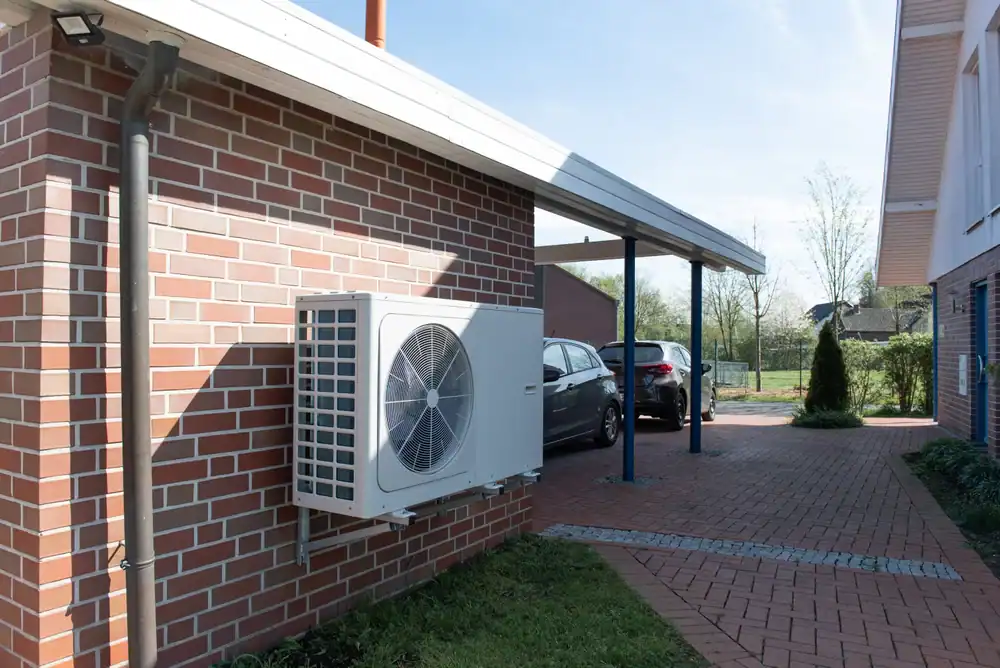
Your system’s age is the first indicator. If your AC is 12-15 years old and starting to show signs of wear—longer cooling cycles, rising energy bills, or requiring repairs more than once a year—replacement might make sense regardless of refrigerant regulations. At that age, you’re approaching the end of the system’s expected life anyway. Replacing now with current inventory could save you 20-30% compared to waiting until after the transition is complete and prices stabilize at higher levels.
AC Repair costs provide another decision point. HVAC professionals often use the “$5,000 rule” as a guideline: multiply your system’s age by the estimated repair cost. If the total exceeds $5,000, replacement typically makes more financial sense than repair. For example, a 10-year-old system needing a $600 repair calculates to $6,000, suggesting replacement is the smarter long-term investment. This rule becomes even more relevant when you factor in the cost difference between current and future equipment prices.
Sacramento County’s extreme climate adds another consideration that we see every day in the field. When temperatures regularly hit 105-110 degrees and occasionally spike to 116, your AC system works harder than equipment in milder climates. That stress accelerates wear and shortens lifespan. A system that might last 20 years in San Francisco might only deliver 15 years of reliable service here. If your system is already working overtime to keep your home comfortable during heat waves, investing in a new, properly-sized system designed for our climate could provide both better performance and long-term cost savings through improved efficiency.
Energy efficiency matters more in Sacramento than in many other places precisely because we use our AC systems so intensely. Older systems typically run at 10-12 SEER ratings, while new equipment starts at 14-16 SEER and can reach 20+ SEER for high-efficiency models. In a climate where your AC runs from May through October, sometimes 10-12 hours per day, that efficiency difference translates to meaningful savings on your electric bill—often $100-200 per month during peak summer.
The calculation changes if your system is relatively new or performing well. A 5-8 year old system that’s been properly maintained and isn’t showing problems doesn’t need replacement just because of refrigerant regulations. You’re likely getting another 7-10 years of service from that equipment, and the money you’d spend on premature replacement would far exceed any potential savings from avoiding future price increases. In that scenario, the smart financial move is continuing to maintain what you have and planning for replacement when the system actually needs it, not when regulations change.
The “mildly flammable” classification of A2L refrigerants concerns many homeowners, and that’s understandable. Nobody wants to hear “flammable” and “air conditioner” in the same sentence. But context matters here. A2L refrigerants require specific ignition conditions that are extremely unlikely to occur in properly designed and installed equipment. They’re significantly less flammable than many common household products you use without concern, including aerosol sprays, rubbing alcohol, and cleaning products.
New systems are engineered with multiple safety features specifically to address this classification. Refrigerant detection systems continuously monitor for leaks and will shut down the system if refrigerant concentrations reach levels that could pose any risk. Electrical components are designed to eliminate potential ignition sources. Airflow configurations prevent refrigerant accumulation. These aren’t afterthoughts—they’re core design elements that manufacturers have tested extensively and that must meet strict safety standards before equipment can be sold.
You’ve likely already been using A2L refrigerants without knowing it. They’ve been common in automotive air conditioning since 2013 and in portable AC units and mini-splits for years. The technology isn’t experimental or untested. What’s new is scaling it up to whole-home central air systems, and manufacturers have spent years preparing for this transition. Major brands have released full product lines, trained technicians, and established installation protocols that prioritize safety alongside performance.
Performance-wise, you shouldn’t notice any difference from your current system beyond improved efficiency. A2L refrigerants cool just as effectively as R-410A. The redesigned systems often include variable-speed compressors and advanced controls that provide better temperature consistency and humidity management—features that matter in Sacramento’s dry heat. You’re not sacrificing comfort for environmental responsibility; you’re getting equipment that does both better than older technology.
Installation requires us to follow updated protocols, including proper refrigerant line sizing, leak testing procedures, and verification of safety systems. This is why working with licensed, trained technicians matters more than ever. The equipment itself is safe when installed correctly, but shortcuts or improper installation could compromise those safety features. We’ll explain the specific safety measures in your new system and verify that installation follows manufacturer specifications and local codes.
Cost is the real trade-off. The additional components and engineering that make these systems safe and efficient also make them more expensive. Expect to pay 15-30% more for new equipment compared to what similar R-410A systems cost a year or two ago. For a system that might have cost $6,000 in 2024, you’re looking at $7,000-7,800 in 2026. That’s not insignificant, but it’s also not astronomical when you consider that this equipment will serve your home for 15-20 years. The improved efficiency typically offsets some of that cost difference through lower monthly electric bills, especially in a cooling-intensive climate like ours.
The refrigerant transition doesn’t have to be complicated or stressful. Your existing system isn’t suddenly illegal or worthless. New systems aren’t dangerous experiments. The regulations are about environmental responsibility and industry progress, not about forcing homeowners into panic decisions. What matters is making choices based on your specific situation—your system’s age and condition, your budget, your home’s cooling needs, and Sacramento County’s demanding climate.
Work with an AC contractor who gives you straight answers instead of sales pressure. Someone who’ll honestly assess whether your current system has years of reliable service left or whether replacement makes sense now. Someone who understands both the old and new technology and can explain your options without the fear tactics or confusing jargon. The right time to replace your AC is when it makes financial and practical sense for your home, not when regulations change or when someone’s trying to hit a sales quota.
If you’re navigating these decisions and want honest guidance from technicians who understand Sacramento County’s climate and the realities of this refrigerant transition, we’re here to help at Hot & Cold HVAC. We service both legacy systems and new compliant equipment, we’re trained on the latest EPA regulations, and we’re committed to helping you make the right choice for your home—not the most profitable choice for us.
Article details:
Share:
Continue learning: