Finding a trustworthy HVAC company in Sacramento County isn't about flashy ads—it's about licensed technicians who understand your climate and won't surprise you with hidden fees.
Share:
Summary:
Not every HVAC company operating in Sacramento County is actually qualified to work on your system. California has specific licensing requirements for a reason—your comfort, your safety, and your wallet all depend on technicians who know what they’re doing.
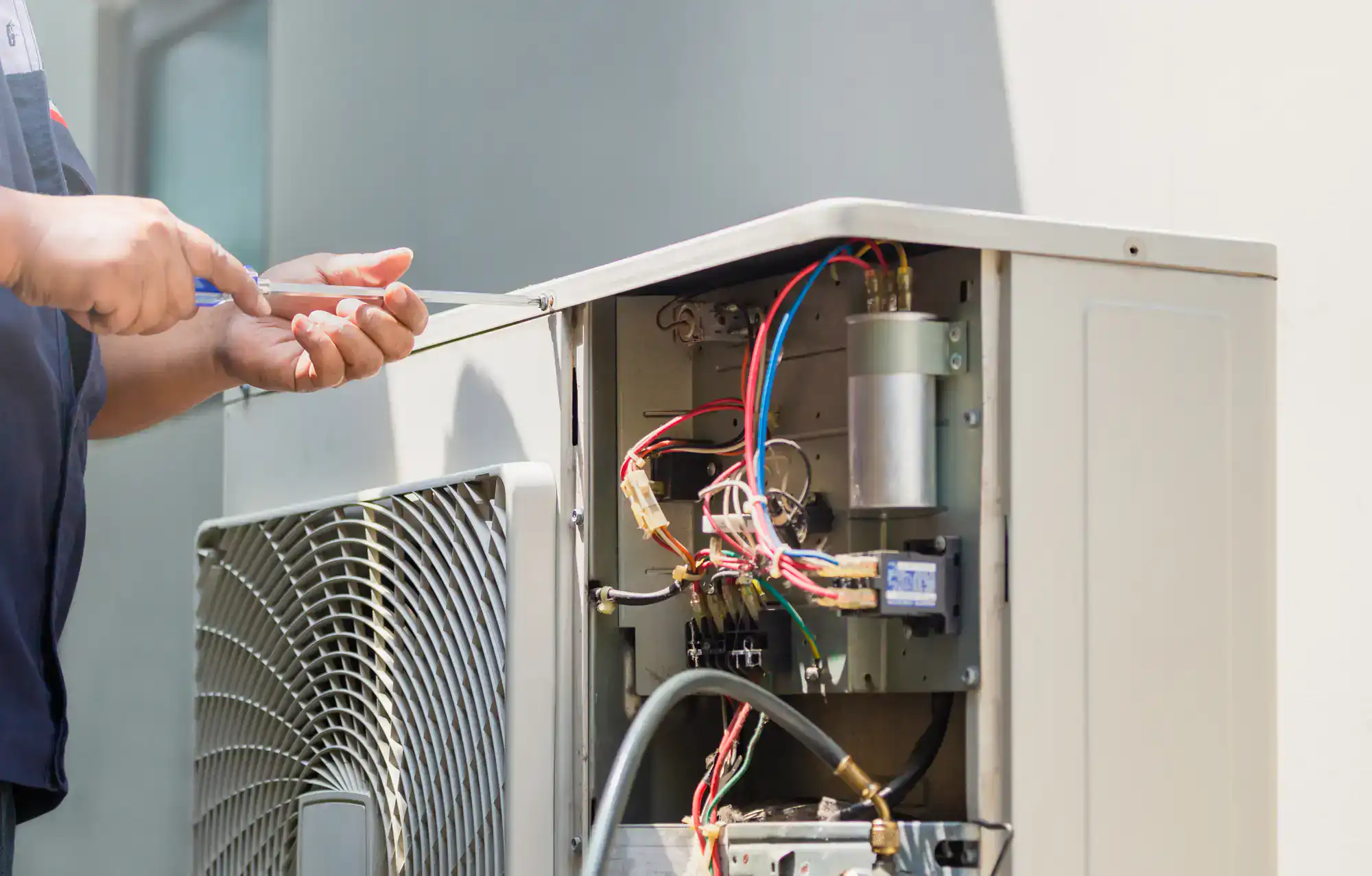
Any HVAC contractor working on heating, ventilation, or air conditioning systems valued at over $500 needs a C-20 Warm Air Heating, Ventilating, and Air Conditioning Contractor License from the California Contractors State License Board. That’s not optional. It’s the law. Companies without this license can’t legally touch your system, and if they do, you’re exposed to liability if something goes wrong.
Beyond the license, look for EPA Section 608 certification. Federal regulations require any technician who handles refrigerants to be certified. If they’re working on your AC without this certification, they’re breaking federal law and putting your system at risk. These credentials separate legitimate HVAC contractors from unlicensed operators who cut corners and leave you holding the bag when problems arise.

Sacramento County isn’t just warm in summer. It’s relentlessly hot, with temperatures regularly exceeding 90 degrees and multiple stretches of triple-digit heat that can last for days or weeks. The urban heat island effect makes it even worse in developed areas.
Your HVAC system has to handle this without breaking down, cycling constantly, or sending your energy bills through the roof. That requires certified HVAC technicians who know which systems actually perform in these conditions and how to install them for maximum efficiency in Sacramento’s specific climate.
Too many companies use generic sizing calculations based on square footage alone. That doesn’t work here. Sacramento’s elevated urban temperatures mean standard HVAC sizing is often inadequate. A system that’s undersized will run constantly during heat waves, driving up your energy costs while never actually cooling your home. An oversized system wastes energy through frequent on-off cycling and fails to control humidity properly.
Qualified HVAC companies in Sacramento County perform detailed Manual J load calculations. These aren’t guesswork—they’re precise measurements that account for your home’s specific characteristics, insulation, window placement, and local climate demands. This ensures your new system provides optimal comfort while operating efficiently, which saves you money on monthly energy costs throughout Sacramento’s extended cooling season that can stretch from May through October.
Local technicians who live in this community understand exactly what you’re dealing with. They’ve experienced the same heat waves. They know which systems hold up and which ones fail when you need them most. That kind of climate-specific expertise isn’t something you get from a national chain that trains technicians for average conditions across multiple states.
You can’t just take an HVAC company’s word that they’re licensed and qualified. Verification takes five minutes and could save you thousands in problems down the road.
Start with the California Contractors State License Board website. You can look up any contractor’s license number, check if it’s active and in good standing, see if there are any complaints or disciplinary actions, and verify their insurance status. If a company hesitates to provide their license number or tells you to “just trust them,” that’s your sign to walk away.
Online reviews matter, but you need to know how to read them. Look for at least 50 reviews across multiple platforms—Google, Yelp, and the Better Business Bureau all show different perspectives. You’re looking for patterns, not perfection. Every company gets a few bad reviews, but consistent complaints about the same issues (surprise charges, no-shows, poor workmanship) tell you what to expect.
Pay attention to local HVAC reviews that mention specific details: technician names, the actual work performed, how problems were handled, and whether estimates matched final bills. Generic five-star reviews that sound like marketing copy don’t tell you much. Reviews that describe real situations—”our AC died during a heat wave and they came out the same day” or “the technician explained exactly what was wrong and gave us options”—give you actual insight into how the company operates.
Service ratings from independent organizations like the Better Business Bureau show how companies handle complaints. An A+ rating with the BBB indicates a company’s commitment to addressing customer concerns and maintaining high standards. But also look at how they respond to negative reviews. Companies that ignore complaints or get defensive aren’t going to treat you any better when something goes wrong with your system.
Ask about insurance coverage beyond just licensing. Workers’ compensation protects you if someone gets hurt on your property. General liability coverage protects you if they damage your home during installation or repairs. A $25,000 contractor’s bond is required for licensing and protects you if they don’t complete work properly or don’t pay their employees. These aren’t extras—they’re basic protections you should expect from any legitimate HVAC contractor.
Want live answers?
Connect with a Hot & Cold HVAC expert for fast, friendly support.
HVAC work isn’t cheap, and anyone who tells you otherwise is either lying or cutting corners. But there’s a difference between expensive and overpriced, and between transparent costs and surprise charges that show up after the work is done.
Professional HVAC installation in Sacramento County typically ranges from $5,000 to $13,000 for a complete system, depending on your home’s size, existing infrastructure, and the efficiency level you choose. Higher efficiency systems cost more upfront but significantly reduce your monthly energy costs during Sacramento’s long cooling season. That’s not a sales pitch—it’s basic math that plays out on your utility bill every month for the next 15 to 20 years.
Installation costs typically translate to about $3 to $7 per square foot for most Sacramento homes. Factors that affect your investment include the system’s efficiency rating, your existing ductwork condition, electrical requirements, and access challenges like attic installations or tight spaces. Reputable companies provide detailed written estimates breaking down every component and cost before they start work.
Few homeowners have $10,000 sitting around for an unexpected system replacement. That’s why project financing has shifted from a nice-to-have option to a standard expectation in 2026. But not all financing is created equal.
Most HVAC companies partner with lenders like Wells Fargo to offer promotional financing, often with 0% APR for 60 months on approved credit. That makes a $10,000 system cost about $167 per month with no interest—if you pay it off within the promotional period. After that, deferred interest can hit you hard, so you need to know exactly what you’re signing up for.
Credit requirements matter. If you have good to excellent credit (scores of 690 or higher), you’ll qualify for the best promotional rates. If your credit is challenged, you’ll still have options like lease-to-own programs or higher-interest personal loans, but they’ll cost more in the long run. Some homeowners consider home equity loans or lines of credit, which typically offer lower interest rates but put your home at risk if you can’t repay.
The key is understanding the total cost, not just the monthly payment. A longer loan repayment period means lower monthly payments but more interest paid over time. Companies that pressure you to “sign today to get this rate” or won’t give you time to compare options aren’t looking out for your best interests.
Ask about rebates and tax incentives that can reduce your net cost. As of 2026, federal tax credits for energy efficiency allow homeowners to claim up to 30% of the cost of eligible high-efficiency equipment. Some local utility companies and government programs offer additional rebates for energy-efficient upgrades. A good HVAC company knows about these programs and helps you take advantage of them—not because we’re doing you a favor, but because it’s part of providing complete service.
Residential service contracts go by different names—maintenance plans, service agreements, preventative maintenance contracts—but they all promise the same thing: regular tune-ups and priority service in exchange for an annual or monthly fee. The question is whether they’re actually worth it.
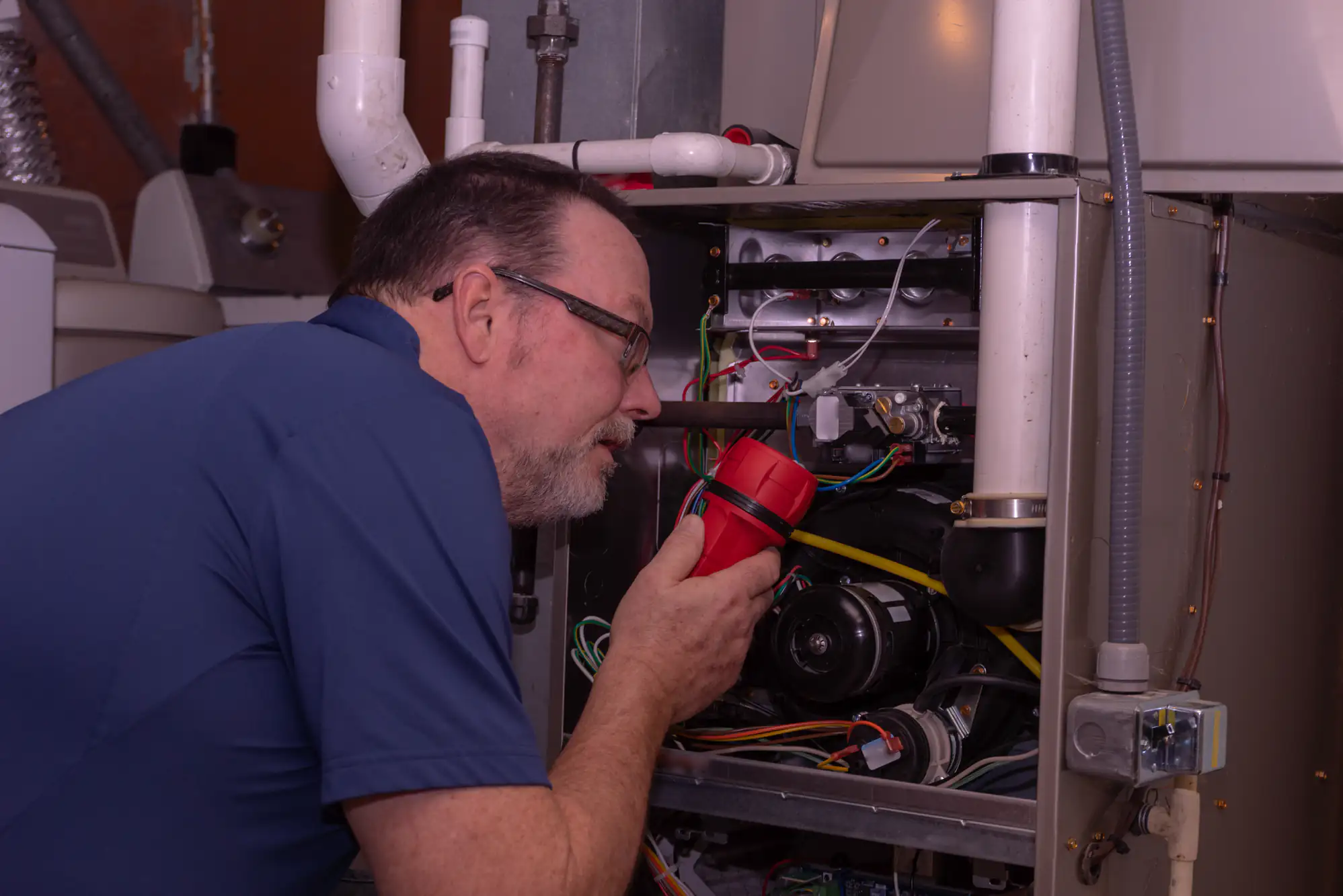
Most HVAC maintenance plans cost between $150 and $300 per year and include two seasonal tune-ups (one before summer, one before winter). During these visits, certified HVAC technicians inspect your system, clean components, check refrigerant levels, test safety features, and identify potential problems before they become expensive repairs.
The main benefit isn’t the tune-ups themselves—it’s catching problems early. A small refrigerant leak caught during routine maintenance might cost $200 to fix. That same leak ignored for six months could damage your compressor, leading to a $2,000 repair or complete system replacement. Regular maintenance also keeps your system running efficiently, which can reduce your monthly energy costs by 10% to 15%.
Most maintenance contracts also include perks like priority service during peak season, discounts on repairs (typically 10% to 20% off parts and labor), no overtime charges for emergency calls, and extended warranties on parts. These benefits matter most during Sacramento’s brutal summers when HVAC companies are slammed with calls and wait times can stretch to days for non-contract customers.
The downside is cost. If you have a new system under manufacturer warranty and you’re handy enough to change filters and clear debris yourself, you might not need a maintenance contract right away. But as your system ages—especially past the 5 to 7 year mark—regular professional maintenance becomes more important for catching wear before it causes failures.
Read the contract carefully before signing. Some companies use maintenance plans as foot-in-the-door tactics, sending salespeople instead of technicians who pressure you to replace equipment that doesn’t actually need replacing. Others charge for services that should be included or add surprise fees that weren’t disclosed upfront. If the contract doesn’t clearly spell out what’s included, what’s not, and how often service will be performed, ask for clarification in writing.
Choosing an HVAC company in Sacramento County comes down to three things: proper qualifications, transparent communication, and local expertise that understands your climate. Everything else is noise.
Verify licensing and insurance before anyone touches your system. Read reviews that describe actual experiences, not just star ratings. Get detailed written estimates that break down costs so you know exactly what you’re paying for. Ask about financing options and maintenance plans, but take time to understand the terms before committing.
Your HVAC system keeps your family comfortable and safe during Sacramento’s extreme temperatures. The company you choose to install, maintain, and repair that system should earn your trust through competence and transparency—not sales pressure and empty promises. When you find a company that checks those boxes, you’ve found a partner who’ll be there when your system needs attention, not just when they need to make a sale. If you’re looking for licensed technicians who understand Sacramento County’s demanding climate and believe in transparent pricing, we’re here to help at Hot & Cold HVAC.
Article details:
Share:
Continue learning: