Your AC is about to face its toughest test. Here's how to keep it running when Sacramento hits triple digits and everyone else is calling for emergency repairs.
Share:
Summary:
Your air conditioner has physical limits built into how it works. Most residential HVAC systems can cool your home about 20 degrees below whatever the outdoor temperature is. So when it’s 100 degrees outside, getting your house down to 80 is actually your system performing exactly as designed.
Expecting it to hit 72 during a heat wave isn’t realistic. That’s not a broken AC. That’s physics.
Sacramento’s extreme summers also reduce your system’s total cooling capacity. When outdoor temperatures climb past 99 degrees, a standard 3-ton unit might only produce 2 to 2.5 tons of cooling. The hotter it gets outside, the less efficiently your air conditioning system can remove heat from your home.
Add in the fact that your AC is running nearly 24 hours straight with no break to rest, and you’ve got a recipe for stress, strain, and eventual failure. Components like your compressor and fan motor aren’t meant to operate continuously for days or weeks on end. That’s when emergency repair calls spike across Sacramento County, CA.
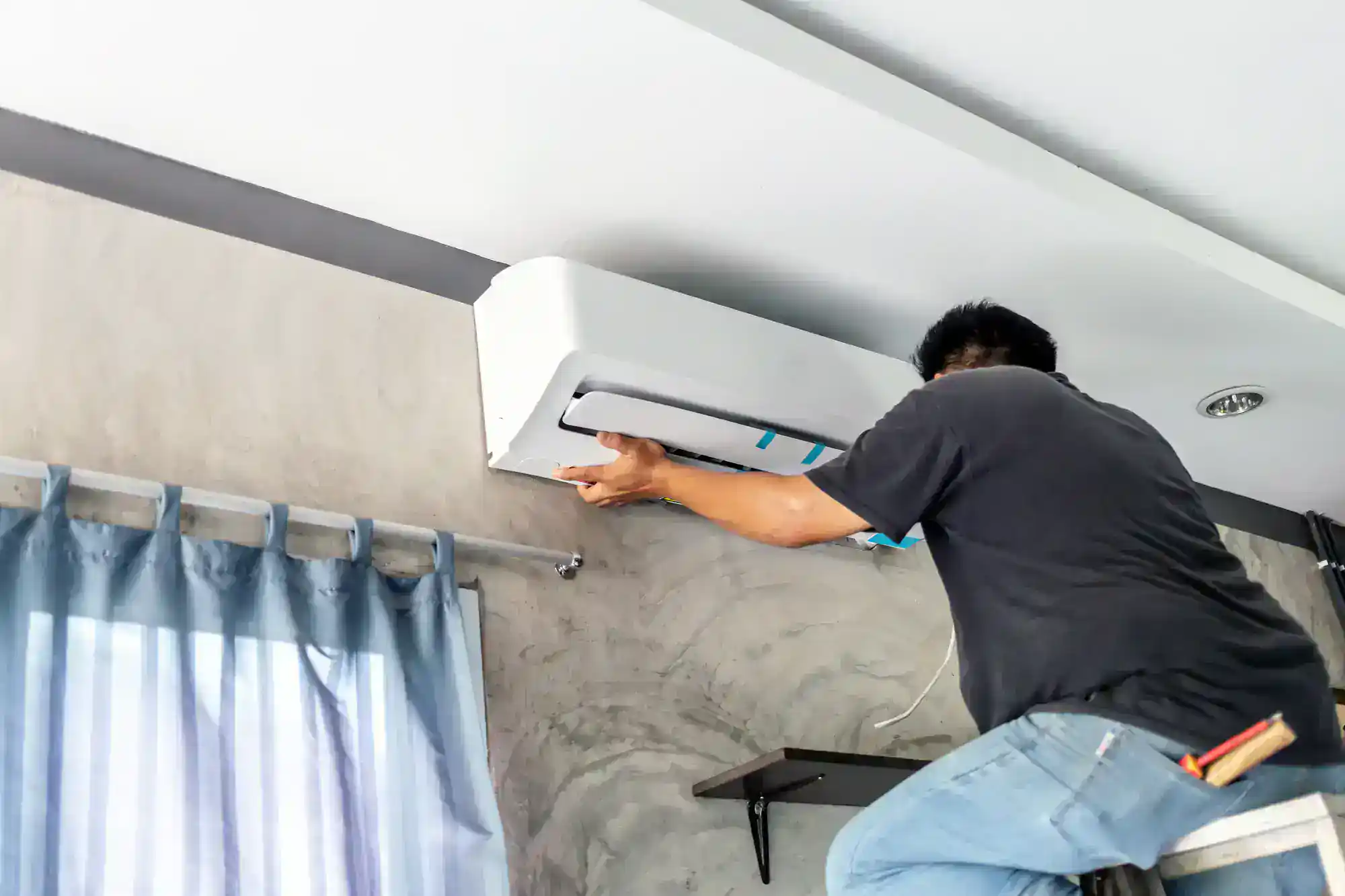
This is the simplest thing you can do, and it’s the one most people skip. Your air filter traps dust, dirt, and debris before it gets into your HVAC system. During summer, when your AC runs constantly, that filter clogs up fast.
A dirty filter doesn’t just reduce air quality. It restricts airflow through your entire system, which can drop your AC’s efficiency by up to 15%. Your unit has to work harder to push air through that blockage. Components overheat. Energy consumption spikes. And eventually, something gives out.
Check your filter at least once a month during Sacramento’s peak heat. If you see visible dirt buildup or the filter looks gray instead of white, replace it immediately. Don’t wait for the “recommended” three-month mark on the package. That timeline assumes normal use, not the punishment of running nonstop through 100-degree days.
If you have a standard disposable filter, keep extras on hand so you’re never caught without one. If you have a reusable filter, clean it thoroughly and let it dry completely before reinstalling. The few minutes this takes can prevent a breakdown that leaves you sweating through a weekend while you wait for emergency service.
Filters are cheap. Emergency repairs aren’t. This is the easiest prevention step that actually works when Sacramento’s heat puts maximum stress on your air conditioning system.
Nobody wants to hear this, but setting your thermostat to 72 degrees when it’s 105 outside is asking your system to do something it can’t sustain. You’re forcing it to run continuously, never cycling off, never getting a break. That constant operation wears down components faster and drives up the risk of failure during the hottest part of summer.
The 20-degree rule exists for a reason. Your AC is designed to cool your home about 20 degrees below the outdoor temperature. When Sacramento hits 100 degrees, setting your thermostat to 78 or 80 degrees gives your system a fighting chance to reach that temperature and cycle off occasionally.
Those brief rest periods matter. They prevent your compressor from overheating, reduce wear on your fan motor, and give electrical components a chance to cool down. You’ll also see the difference in your energy bill. Every degree you raise your thermostat during extreme heat can save you 10 to 15 percent on cooling costs.
If 78 feels too warm, use ceiling fans to circulate air and make it feel cooler without dropping the thermostat. Close blinds and curtains during the day to block direct sunlight, which can raise indoor temperatures by 10 to 15 degrees on its own. Cook outside instead of using your oven. Run your dishwasher and dryer early in the morning or late at night when it’s cooler.
These small adjustments reduce the cooling load on your AC without forcing it to work beyond its capacity. Your HVAC system will last longer and perform better, and you’ll avoid the emergency call that comes when you push it too hard for too long.
Want live answers?
Connect with a Hot & Cold HVAC expert for fast, friendly support.
Preventive maintenance isn’t just a nice-to-have. It’s the difference between an AC that makes it through summer and one that quits during the worst heat wave of the year.
Regular HVAC maintenance catches the small problems before they turn into expensive failures. A worn belt, a refrigerant leak, a dirty coil, a loose electrical connection. Any of these can take down your entire system if they’re not addressed early.
The best time to schedule maintenance is before summer hits. But if you’re already in the thick of it and haven’t had your system checked, it’s not too late. A professional tune-up now can still prevent a breakdown later. Sacramento County sees its hottest temperatures from June through September, and that’s when emergency repair calls flood HVAC companies.
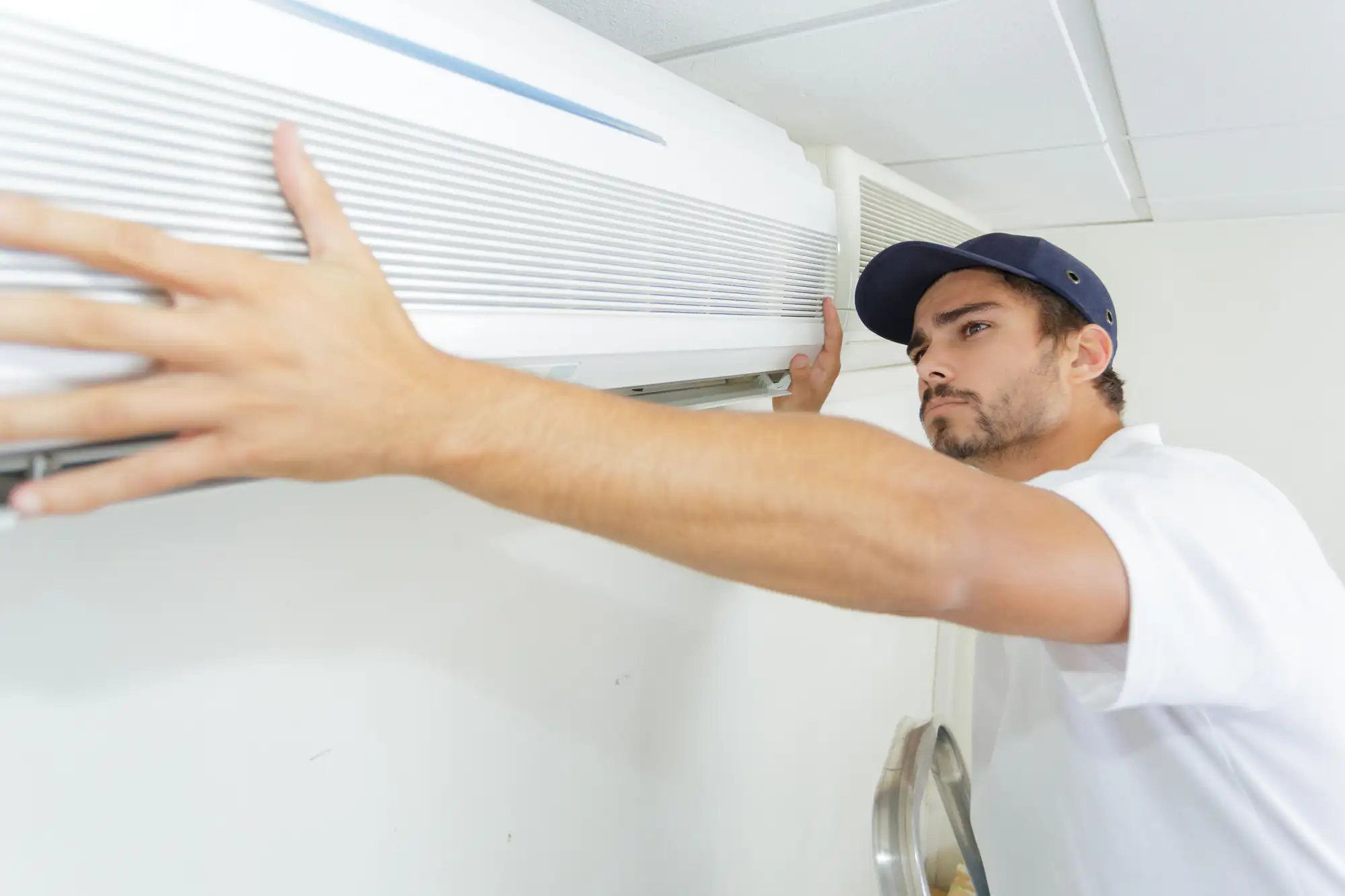
Your outdoor unit has condenser coils that release heat from your home into the outside air. When those coils get clogged with dirt, leaves, grass clippings, and debris, your system can’t expel heat efficiently. That means your AC works harder, runs longer, and struggles to cool your home even when it’s functioning properly.
Dirty coils are one of the most common causes of reduced cooling capacity during extreme heat. They force your compressor to work overtime, which increases energy consumption and can lead to compressor failure. And compressor replacement isn’t cheap. In Sacramento’s dry climate, dust accumulation on coils happens faster than in more humid regions.
You can do a basic cleaning yourself if you’re comfortable with it. Turn off power to the unit at the breaker. Remove any visible debris around the outside of the unit. Use a garden hose with a gentle spray to rinse dirt off the coils from the inside out. Don’t use a pressure washer, which can bend the delicate fins.
For a deeper clean, especially if you haven’t maintained the unit in a while, call a professional HVAC technician. We have the tools and coil cleaners to remove buildup that water alone won’t touch. We’ll also check refrigerant levels, inspect electrical connections, test your evaporator coils inside, and catch other issues while we’re there.
Clean coils improve your system’s efficiency, lower your energy bills, and reduce the risk of a breakdown when you need your AC most. It’s one of those maintenance tasks that pays for itself in avoided repairs and lower operating costs throughout Sacramento’s long cooling season.
Your outdoor unit needs room to breathe. It pulls in air, moves it across the coils to release heat, then expels that hot air back outside. When plants, shrubs, fences, or stored items crowd the unit, airflow gets restricted. Your system can’t release heat properly, which means it can’t cool your home efficiently.
You need at least two feet of clearance on all sides of the unit. More is better. Trim back any vegetation that’s grown too close. Remove leaves, grass clippings, and debris that accumulate around the base. Don’t store lawn equipment, pool supplies, or anything else right next to the unit. Sacramento homeowners often don’t realize how much debris accumulates during our dry, dusty summers.
Also check above the unit. Tree branches, awnings, or structures that block airflow from the top can cause the same problems as obstructions on the sides. Your unit needs clear space to exhaust hot air upward.
While you’re checking clearance, look at the unit itself. Make sure it’s sitting level. If it’s tilted or sinking into the ground, it can cause mechanical issues and reduce efficiency. You can place it on a concrete pad or adjust the base to keep it level.
This is simple stuff that takes ten minutes to check and fix, but it makes a real difference in how well your HVAC system performs during extreme heat. Good airflow means better cooling, lower energy use, and less strain on your equipment. When temperatures in Sacramento County push past 100 degrees for days on end, every bit of efficiency matters.
Even with the best maintenance and smart thermostat settings, there are limits to what your system can do. If your AC is running constantly, never reaching the set temperature, and your house feels warmer each day, something’s wrong.
It could be low refrigerant from a leak. Failing electrical components. A compressor that’s overheating. Ductwork leaks that are losing your cooled air before it reaches your rooms. These aren’t things you can fix yourself, and ignoring them only makes the problem worse and more expensive.
When your AC can’t keep up during Sacramento’s extreme heat, you need professional help fast. The longer you wait, the more damage occurs and the higher the risk of complete system failure. That’s when a repair bill turns into a replacement bill.
If you’re dealing with an HVAC system that’s struggling, reach out to us at Hot & Cold HVAC. We understand what Sacramento’s heat does to systems and what typically fails when temperatures push past 100 degrees. We offer same-day service, honest assessments, and our technicians show up with the parts needed to fix most problems on the first visit.
Article details:
Share:
Continue learning: