Strange sounds from your HVAC system aren't just annoying—they're warning signs. Discover what those weird noises mean and when you need professional help fast.
Share:

Summary:
A properly functioning HVAC system should operate quietly. You might hear a soft hum from the blower motor or the gentle whoosh of air moving through your vents, but that’s about it. When new sounds show up, something inside your system has changed.
HVAC systems have dozens of moving parts. Blower fans spin thousands of times per hour. Motors run continuously during operation. Belts transfer power between components. Refrigerant moves through coils under pressure. Any one of these parts can develop issues that create noise.
In Sacramento County your system faces unique stress. Summer temperatures regularly exceed 100 degrees, forcing your air conditioning to run longer and work harder than systems in milder climates. Winter brings cool, damp conditions that challenge your heating equipment. This constant demand accelerates wear on components, making strange noises more likely as your system ages.

That weird noise might seem minor right now, but it’s your system’s early warning system. Ignoring it is like ignoring your car’s check engine light—it might keep running for a while, but you’re headed toward a bigger problem.
Small issues compound quickly in HVAC systems. A loose part that rattles today can break free tomorrow and damage other components. A worn belt that squeals this week might snap next week, shutting down your entire system. A refrigerant leak that hisses quietly now will eventually drain your system completely, leaving you without cooling when Sacramento hits triple digits.
The cost difference between addressing a noise early versus waiting for complete failure is significant. Tightening a loose component might cost a fraction of what you’ll pay to replace a damaged blower motor. Replacing a worn belt before it breaks prevents the emergency service call when your AC quits on the hottest day of summer.
Beyond the money, there’s your family’s comfort and safety to consider. Sacramento’s extreme heat isn’t just uncomfortable—it’s dangerous, especially for children, elderly family members, and pets. When your air conditioning fails during a heat wave, you’re not just dealing with inconvenience. You’re dealing with a health risk.
Professional diagnosis catches problems before they cascade. An HVAC technician can identify what’s causing the noise, explain whether it needs immediate attention or can wait, and give you accurate information about repair costs. You get to make informed decisions instead of guessing if that sound is serious.
The pattern matters too. A noise that happens once when your system starts up is different from a sound that persists throughout operation. A quiet rattle might be debris in a vent. A loud banging could be a failing compressor. Understanding the difference between “keep an eye on it” and “shut it down now” protects both your system and your home.
Sacramento County’s weather puts exceptional demands on heating and cooling equipment. Your HVAC system works harder here than it would in most other parts of the country, and that extra work shows up in how components wear out.
Summer is the biggest challenge. When outdoor temperatures hit 105 degrees and stay there for days, your air conditioner runs almost continuously. The compressor cycles on and off repeatedly. The condenser fan spins for hours without rest. Refrigerant moves through the system under high pressure, stressed by the extreme temperature differential between inside and outside air.
This constant operation accelerates normal wear. Belts stretch. Bearings dry out. Electrical connections loosen from vibration. Parts that might last 15 years in a moderate climate might need attention after 10 years here. The extreme heat also affects outdoor components directly—the sun beats down on your condenser unit, adding thermal stress to mechanical stress.
Winter brings different challenges. Cool, damp mornings and tule fog create humidity that affects indoor air quality and puts strain on your heating system. While Sacramento winters aren’t brutally cold, the temperature swings between day and night force your system to switch between heating and cooling modes more frequently than in climates with consistent temperatures.
The urban heat island effect in Sacramento makes things worse. Pavement, buildings, and reduced vegetation trap heat, keeping temperatures elevated even after the sun goes down. Your AC might run well into the evening, adding hours to its daily operation time.
All of this means your HVAC system ages faster here. Components wear out sooner. Small issues develop into bigger problems more quickly. And when something starts making noise, it’s often because a part that’s been working overtime has finally had enough. Catching these sounds early and addressing them promptly keeps your system running through Sacramento’s demanding climate.
Want live answers?
Connect with a Hot & Cold HVAC expert for fast, friendly support.
Not all HVAC noises signal the same level of urgency. Some sounds mean you should schedule service soon. Others mean you should shut down your system immediately and call for help. Here are the three noises homeowners in Sacramento County hear most often, and what each one is trying to tell you.
Understanding these sounds helps you respond appropriately. You’ll know when to stay calm and when to act fast. You’ll be able to describe what you’re hearing to a technician, which helps them diagnose the problem more quickly. And you’ll avoid both the panic of overreacting to minor issues and the costly mistake of ignoring serious ones.
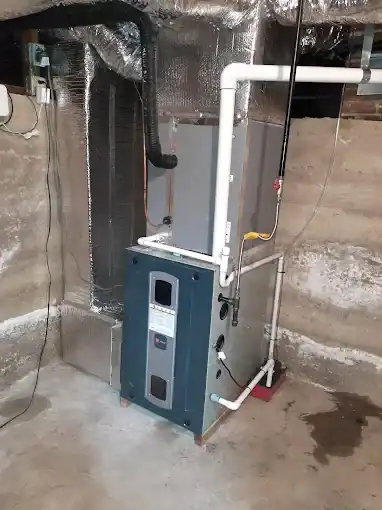
A loud banging or clanking sound usually means something inside your HVAC system has come loose or broken. This is one of the more serious noises you’ll hear, and it demands attention.
The most common cause is a loose blower fan. The fan that moves air through your system is supposed to be balanced and securely mounted. When mounting brackets loosen or when the fan itself becomes unbalanced, it can bang against the housing with each rotation. You’ll typically hear this as a rhythmic clanking that matches the fan speed.
A failing compressor can also create banging sounds. The compressor is the heart of your air conditioning system, and when internal components start to fail, they can knock and bang as they struggle to operate. This sound often gets louder over time and may be accompanied by the system short-cycling—turning on and off repeatedly.
In your ductwork, banging can happen when metal expands and contracts with temperature changes. This is more common when your system first turns on or off. If the banging happens only at startup or shutdown and doesn’t persist during operation, it’s likely thermal expansion and less urgent. If it continues while the system runs, something’s loose inside the unit itself.
What you should do depends on the severity and timing of the sound. If you hear loud, continuous banging while the system is running, turn it off immediately. Continued operation could cause a loose part to damage other components, turning a repair into a replacement. If the banging is quieter or only happens at startup, you can usually keep the system running but should schedule service soon.
For Sacramento homeowners, timing matters. If your AC starts banging in May, get it fixed before June’s heat arrives. If your furnace bangs in October, address it before winter. Don’t wait for the season when you absolutely need that equipment to function.
A technician will inspect the blower assembly, check mounting brackets, examine the compressor, and look for any loose components throughout the system. Most banging noises can be resolved by tightening hardware, balancing the fan, or replacing worn parts. Catching it early prevents the loose part from breaking completely or damaging surrounding components.
High-pitched squealing or screeching sounds like nails on a chalkboard, and they’re almost always related to your blower motor or the belt that drives it. This is your system telling you that friction is happening where it shouldn’t be.
The blower belt connects your motor to the fan. Over time, this belt stretches, wears, and can develop cracks. When it’s worn, it slips instead of gripping properly, creating that distinctive squeal. You’ll often hear this sound when the system first starts up, as the belt struggles to get the fan moving. The squeal might fade once everything’s spinning, or it might continue throughout operation.
Motor bearings can also cause squealing. The motor that drives your blower fan sits on bearings that allow it to spin smoothly. These bearings need lubrication. When they dry out or wear down, metal rubs against metal, creating a squealing or grinding sound. This sound tends to be more consistent than belt squeal and often gets worse over time.
In Sacramento’s climate, belts wear faster than in milder areas. The constant operation during summer heat cycles them through more rotations. The temperature extremes—hot outdoor units and cooler indoor spaces—cause expansion and contraction that accelerates wear. A belt that might last five years elsewhere might need replacement after three years here.
If you hear squealing, you don’t usually need to shut down immediately, but you shouldn’t wait long either. A worn belt that’s still functioning will eventually snap. When it does, your blower stops moving air entirely. In the middle of summer, that means no cooling. In winter, no heat. The repair is the same whether you do it proactively or wait for failure, but waiting means dealing with the emergency and discomfort.
Motor bearing problems are more serious. If the squeal is accompanied by burning smells or if the motor feels hot to the touch, shut down the system and call for service. A failing motor can overheat and create fire hazards. It can also seize completely, requiring full motor replacement instead of just bearing lubrication.
A technician will inspect the belt for wear, cracks, and proper tension. They’ll check motor bearings and lubricate them if needed. They’ll also look at the motor itself to make sure it’s not overheating or drawing too much current. Belt replacement is straightforward and relatively inexpensive. Motor work costs more but is still far cheaper than dealing with a complete system failure or the damage a seized motor can cause.
Some noises mean you should schedule service this week. Others mean you should shut down your system right now and call for immediate help. The difference comes down to safety and the risk of cascading damage.
Call for emergency service if you hear loud grinding that doesn’t stop, smell burning while hearing unusual sounds, or notice your system repeatedly turning on and off while making noise. These situations can cause immediate damage or pose safety risks. In Sacramento’s extreme heat, emergency service also makes sense when your AC fails completely—waiting days for a regular appointment isn’t realistic when indoor temperatures climb into the 90s.
For less urgent noises, schedule service within a few days to a week. You’re buying time to get it fixed before it becomes an emergency, but you’re not in immediate danger. The key is actually following through—don’t let “soon” turn into “eventually” and then into “emergency.”
We understand that HVAC problems in Sacramento County don’t follow convenient schedules. When you hear sounds that worry you, reach out to us. You’ll get straight answers about if you need immediate attention or can wait, and you’ll work with our technicians who know exactly what Sacramento’s climate does to HVAC systems and how to fix it right the first time.
Article details:
Share:
Continue learning: