Sacramento homeowners are embracing AI-powered HVAC technology that learns your habits, monitors air quality, and cuts energy costs—all while keeping your home comfortable during extreme heat.
Share:
Summary:
Your thermostat shouldn’t just react to temperature changes. It should anticipate them. In Sacramento County, where summer heat regularly pushes past 105 degrees and wildfire smoke challenges air quality, your HVAC system faces demands that older technology simply wasn’t built to handle. That’s where AI-driven climate control changes everything. These systems don’t just cool your home—they learn your schedule, monitor air quality in real time, predict maintenance needs before problems develop, and optimize energy use without you lifting a finger. Professional HVAC installation services help homeowners integrate these advanced systems correctly from day one, ensuring maximum efficiency, comfort, and long-term performance. If you’re tired of high energy bills, worried about indoor air quality, or simply want your home to work smarter, understanding how AI transforms HVAC is worth your time.
AI-powered HVAC isn’t science fiction. It’s machine learning algorithms analyzing real data from your home to make informed decisions about heating, cooling, and air quality. These systems collect information from sensors throughout your house—temperature, humidity, occupancy, and even outdoor weather conditions—and use that data to optimize performance continuously.
Unlike traditional thermostats that simply turn on when the temperature drops below your setting and off when it rises above, AI systems predict what your home needs before conditions change. They learn that you typically arrive home at 5:30 PM on weekdays, so they start cooling at 5:15 to have your house comfortable when you walk in. They notice Sacramento’s temperature tends to spike around 3 PM in summer, so they pre-cool your home earlier when energy rates are lower.
The real power comes from continuous learning. Every day, your system gets smarter about your preferences, your home’s thermal characteristics, and local weather patterns. That intelligence translates directly into lower energy bills and better comfort.

You might already have a programmable thermostat and wonder what makes smart thermostats different. The gap is significant. Traditional programmable thermostats require you to manually set schedules—and research shows that 40-70% of people with programmable thermostats never actually program them properly. They’re complicated, time-consuming to set up, and don’t adapt when your schedule changes.
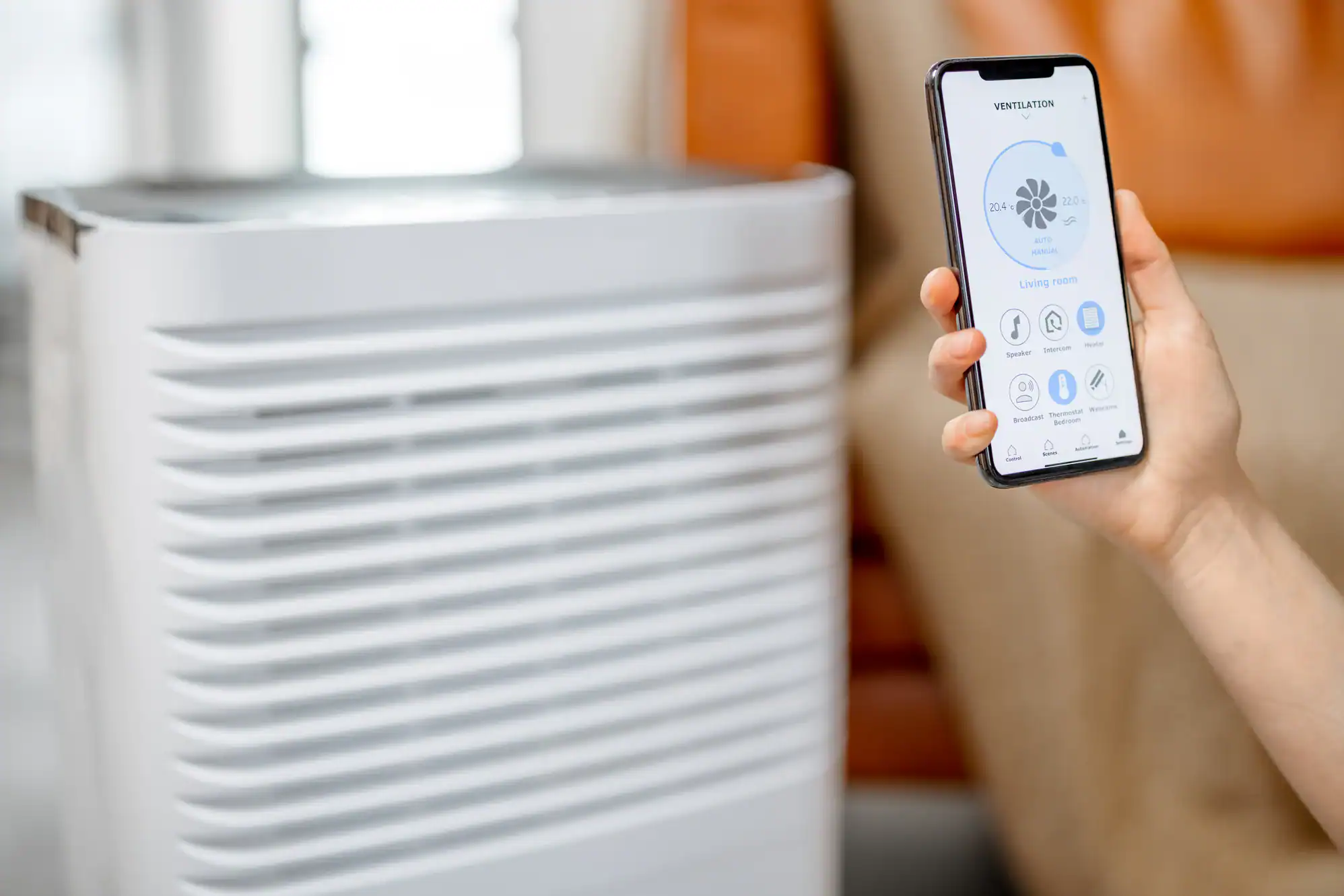
Smart thermostats eliminate that friction entirely. They connect to your home’s WiFi, allowing you to control them from your smartphone whether you’re at work, on vacation, or just comfortable on the couch. Most learn your patterns automatically within a few weeks, so you never need to program complex schedules. When your routine changes, they adapt.
More importantly, smart thermostats offer features that traditional ones simply can’t match. Geofencing uses your phone’s location to know when you’ve left home and when you’re returning, automatically adjusting temperature to save energy when you’re away and restoring comfort before you arrive. Motion sensors detect which rooms are actually being used. Weather integration lets the system prepare for temperature swings before they happen.
Energy savings are substantial and verified. Studies of actual users show smart thermostats typically save 10-15% on cooling costs and 10-12% on heating. In Sacramento’s climate, where the cooling season runs from May through October and temperatures regularly exceed 100 degrees, those savings add up quickly. Some manufacturers report customers saving 23-26% on combined heating and cooling costs. For most Sacramento homeowners, a smart thermostat pays for itself within two years through reduced energy bills alone.
The difference also shows up in convenience and assurance. Forgot to adjust the thermostat before leaving for a weekend trip? Change it from your phone. Want to make sure your elderly parent’s home stays at a safe temperature? Monitor it remotely. These aren’t luxury features—they’re practical solutions to real problems Sacramento homeowners face.
Sacramento County residents know air quality isn’t just an abstract concern. Wildfire smoke, valley temperature inversions that trap pollutants, and transportation exhaust create real challenges for indoor air. Traditional HVAC systems move air around but don’t actively manage its quality. AI-driven systems do both.
Modern AI-powered HVAC integrates advanced sensors that continuously monitor your indoor air for specific pollutants. These sensors track CO2 levels, volatile organic compounds (VOCs) from cleaning products and furniture, particulate matter from dust and smoke, and humidity levels that affect mold growth. When the system detects poor air quality, it responds automatically—increasing ventilation to bring in fresh air, adjusting filtration, or activating integrated air purifiers.
This matters particularly during Sacramento’s wildfire season. When outdoor air quality deteriorates, your system can detect it and switch to recirculation mode with enhanced filtration rather than pulling smoky air inside. When air quality improves, it returns to normal ventilation. You’re not manually checking air quality reports and adjusting settings—the system handles it.
The health benefits are measurable. Poor indoor air quality contributes to respiratory problems, allergies, asthma, and general discomfort. AI systems that maintain consistent, healthy air quality help reduce these issues. They’re especially valuable for families with children, elderly members, or anyone with respiratory sensitivities.
Integration with whole-home air purification takes this further. Advanced filtration technologies like HEPA filters capture particles as small as 0.3 microns—that includes pollen, dust, pet dander, and smoke particles. UV-C purification systems integrated into your HVAC can neutralize bacteria, viruses, and mold spores as air passes through. AI manages these systems intelligently, running them when needed rather than constantly, which extends filter life and reduces energy consumption.
Humidity control is another critical component that AI handles better than traditional systems. Sacramento’s climate varies significantly—dry heat in summer, occasional humidity in winter. Maintaining ideal humidity levels (typically 30-50%) prevents mold growth in damp conditions and reduces respiratory irritation in dry conditions. AI-driven systems monitor and adjust humidity automatically, using data from multiple sensors to maintain that ideal range throughout your home.
The result is air that’s not just cooler or warmer, but genuinely healthier. You notice the difference—fewer allergy symptoms, less dust accumulation, elimination of musty odors, and overall improved comfort. For Sacramento homeowners dealing with valley pollution and seasonal wildfire smoke, this isn’t a nice-to-have feature. It’s essential.
Want live answers?
Connect with a Hot & Cold HVAC expert for fast, friendly support.
Traditional HVAC maintenance follows one of two models—scheduled service on a fixed timeline, or reactive repairs after something breaks. Both have serious limitations. Fixed schedules mean you might service equipment that doesn’t need it while missing problems developing between visits. Reactive repairs mean you discover your AC is broken on the hottest day of summer when every HVAC company is slammed with emergency calls.
AI-driven predictive maintenance changes this completely. Your system continuously monitors its own performance—tracking metrics like compressor efficiency, airflow rates, refrigerant pressure, electrical consumption, and component temperatures. Machine learning algorithms analyze this data to detect patterns that indicate developing problems. A slight increase in compressor vibration, gradual decline in cooling efficiency, or minor fluctuation in electrical draw might be invisible to you but signals an impending failure to AI.
The system alerts you to potential issues before they become breakdowns. Your technician can schedule maintenance at a convenient time, order the necessary parts, and fix the problem before you’re sweating through a Sacramento heat wave with no AC. This proactive approach dramatically reduces emergency repair calls and the premium costs that come with them.

Energy efficiency claims often sound too good to be true, but AI-driven HVAC delivers verified, measurable savings. The technology reduces energy consumption through multiple mechanisms working together.
First, precision temperature control eliminates the overshooting and energy waste common with traditional systems. Conventional thermostats turn heating or cooling on at full capacity until the target temperature is reached, often overshooting by several degrees before shutting off. AI systems use variable-speed compressors and fans, running at exactly the capacity needed to maintain your target temperature. This prevents the energy waste from constant cycling and temperature swings.
Second, AI systems optimize scheduling based on actual occupancy and usage patterns. They don’t cool an empty house to 72 degrees all day. They learn when you’re typically home and adjust accordingly, setting back the temperature when you’re away and restoring comfort before you return. This intelligent scheduling saves energy without sacrificing comfort.
Third, these systems integrate with utility rate structures. Many Sacramento-area utilities charge different rates for electricity at different times of day, with peak rates during high-demand afternoon hours. AI can pre-cool your home during cheaper morning hours, then reduce cooling during expensive afternoon periods while maintaining comfortable temperatures through thermal mass. This strategy, called load shifting, can significantly reduce your electricity costs even if total energy consumption stays similar.
Weather integration adds another layer of optimization. By accessing local weather forecasts, AI systems can prepare for temperature changes before they happen. If a heat wave is forecast, the system might pre-cool your home more aggressively in the morning. If temperatures drop in the evening, it might reduce afternoon cooling, knowing natural cooling will help later.
The cumulative effect is substantial. Commercial buildings using AI-driven HVAC optimization have demonstrated energy cost reductions of 20-25% within months of installation. Residential systems typically achieve 10-15% savings on cooling and similar savings on heating. In Sacramento’s climate with extended cooling seasons, that translates to hundreds of dollars annually for most homeowners.
Beyond the direct savings, AI optimization extends equipment lifespan by reducing strain on components. Systems that run more effectively at appropriate capacity levels experience less wear than those constantly cycling on and off at full power. This means fewer repairs and delayed replacement costs—significant savings given that HVAC system replacement typically costs $5,000-$13,000 in Sacramento.
AI-driven HVAC doesn’t exist in isolation. It integrates seamlessly with broader smart home ecosystems, creating convenience and capabilities that standalone systems can’t match.
Voice control through Amazon Alexa, Google Assistant, or Apple HomeKit means you can adjust temperature, check system status, or activate specific modes without touching a thermostat or phone. “Alexa, set the house to 74 degrees” or “Hey Google, what’s the indoor air quality?” becomes natural. This accessibility particularly benefits those with mobility limitations or anyone who values hands-free control.
Integration with other smart devices creates intelligent automation. Your smart home can detect when the last person leaves (via phone geofencing or smart locks) and automatically set HVAC to away mode. When your security system arms for the night, the temperature can adjust to your sleeping preferences. Smart blinds can coordinate with your HVAC—closing during peak afternoon sun to reduce cooling load and opening on winter mornings to let passive solar heat assist your system.
Remote monitoring and control via smartphone apps provides real assurance. You’re at work and realize you forgot to adjust the thermostat before leaving? Fix it in seconds from your phone. On vacation and want to make sure your home stays at a safe temperature to prevent frozen pipes or heat damage? Monitor and adjust remotely. Concerned about an elderly family member’s home comfort? Many smart thermostats allow shared access so you can check on their system.
The data and insights these systems provide are equally valuable. Most smart thermostats offer detailed energy usage reports showing exactly when and how your system consumes energy. You can see how much your cooling costs increased during last week’s heat wave, compare this month’s usage to last month, and identify opportunities for additional savings. Some systems provide personalized recommendations based on your usage patterns and home characteristics.
For Sacramento homeowners, this connectivity addresses specific local challenges. When wildfire smoke impacts air quality, you can remotely switch your system to recirculation mode even if you’re away from home. If unexpected temperature spikes occur (common in Sacramento’s variable climate), you can adjust settings before returning to an uncomfortably hot house. The flexibility these systems provide isn’t just convenient—it’s practical protection against Sacramento County’s climate extremes.
Smart home integration also future-proofs your investment. As new smart devices and capabilities emerge, your AI-driven HVAC can integrate with them through software updates rather than requiring hardware replacement. This adaptability guarantees your system remains current and capable as technology evolves.
AI-driven air purification and smart thermostats represent more than incremental improvement over traditional HVAC. They’re a fundamental shift in how your home manages comfort, air quality, and energy use. For Sacramento County homeowners dealing with extreme summer heat, wildfire smoke, and high energy costs, these technologies deliver practical solutions to real problems.
The benefits are clear and measurable—energy savings of 10-25%, healthier indoor air through active quality monitoring, predictive maintenance that prevents expensive breakdowns, and remote control that provides flexibility and assurance. These aren’t future promises. They’re available now and delivering results for homeowners throughout the region.
The investment makes financial sense. Smart thermostats typically pay for themselves within two years through energy savings alone. Full AI-driven HVAC optimization can reduce operating costs by hundreds of dollars annually while extending equipment lifespan. When you factor in improved comfort, better air quality, and reduced repair costs, the value proposition becomes even stronger.
If you’re considering upgrading your HVAC system or simply want to make your current system smarter, now is an excellent time to explore these technologies. We understand Sacramento County’s unique climate challenges and can help you determine which smart HVAC solutions make sense for your home and budget.
Article details:
Share:
Continue learning: