High SEER air conditioners can cut your Sacramento cooling costs by 30-50%. Learn which efficiency ratings deliver real savings without overpaying upfront.
Share:

Summary:
Your summer energy bill just arrived, and once again, it’s brutal. Sacramento heat pushes your AC to run constantly, and you’re paying for every degree. You’ve heard that high SEER air conditioners can slash those costs, but the information out there feels designed to confuse rather than clarify.
Here’s what actually matters: SEER ratings measure efficiency, higher numbers mean lower operating costs, and the right system for your home depends on more than just grabbing the highest number available. This guide walks you through what you need to know to make a decision that actually saves you money without wasting it on efficiency you don’t need.
SEER stands for Seasonal Energy Efficiency Ratio, and it measures how much cooling your AC delivers per unit of electricity consumed over a typical season. Think of it like gas mileage for your air conditioner. A 20 SEER2 system uses significantly less electricity than a 14 SEER2 unit to cool your home to the same temperature.
As of 2026, the highest residential SEER2 ratings reach 28 for premium systems, though most Sacramento County homeowners find the sweet spot between 16 and 20 SEER2. The minimum legal requirement here is 14.3 SEER2, which means anything you buy today will be more efficient than older systems, but that baseline won’t deliver the dramatic savings higher ratings provide.
The key is understanding that SEER ratings were updated in 2023 to SEER2, which uses more realistic testing conditions. SEER2 numbers run about 4.7% lower than old SEER ratings for the same equipment, so a 16 SEER unit becomes about 15.2 SEER2 under the new standard. When comparing systems, make sure you’re looking at the same measurement.
Not all high-efficiency systems work the same way, and the technology inside determines how well they actually perform in Sacramento’s climate. Single-stage air conditioners run at 100% capacity when on, then shut off completely. They’re the least expensive upfront but also the least efficient because they cycle on and off constantly, and AC systems use the most energy during startup.
Two-stage systems add a low setting around 65% capacity and a high setting at 100%. They run longer cycles at lower speeds, which uses less energy and provides better humidity control. You’ll see these typically rated between 15 and 17 SEER2, offering a middle ground between cost and efficiency.
Variable-speed air conditioners represent the highest efficiency tier. These systems adjust output anywhere from 30% to 100% capacity, automatically selecting the most efficient speed to maintain your set temperature. They’re the ones achieving 18 SEER2 and higher, and they deliver the best humidity control and quietest operation. In Sacramento County where your AC runs for months straight during summer, the longer run times at lower speeds translate to substantial savings.
Heat pumps deserve consideration too. They provide both heating and cooling, and in Sacramento’s mild winters, they work exceptionally well. Modern heat pumps typically achieve 20-25 SEER2 ratings and can reduce energy costs by up to 50% compared to older systems. They’re particularly smart if you’re looking at anything above 16 SEER2 anyway, especially with current federal rebate programs favoring heat pumps.
The efficiency rating tells you the potential, but the actual performance depends heavily on proper installation. A 16 SEER2 unit properly installed in a well-sealed home will outperform a 20 SEER2 unit in a leaky one. That’s why professional sizing through Manual J load calculations and quality installation matter more than chasing the absolute highest number.
Sacramento’s hot, dry summers and mild winters create ideal conditions for high-efficiency equipment to pay off. Your AC runs hard for extended periods, which means every point of efficiency improvement translates to real dollars saved. But you’re also not dealing with extreme cold that would require backup heating, making heat pumps particularly cost-effective here.
The financial impact of SEER ratings involves both upfront costs and long-term savings, and Sacramento homeowners need to understand both sides. Upgrading from a 10 SEER to a 16 SEER2 system can reduce cooling costs by 30-50% annually. For a home spending $1,800 per year on electricity with cooling accounting for 50% of summer bills, that’s potentially $270 to $450 saved each year.
A 20 SEER2 unit is about 43% more efficient than a 14 SEER2 system. A 25 SEER AC unit could save you hundreds of dollars per year compared to a 12 SEER unit. But here’s the reality check: mid-efficiency units cost $3,500 to $7,500 installed, while high-efficiency systems reaching 20+ SEER2 can push $8,000 to $12,000.
Payback periods typically range from 8 to 12 years for high-efficiency systems in hot climates like Sacramento County. If you’re planning to stay in your home long-term and your AC runs heavily during summer, investing in higher efficiency makes financial sense. If you’re moving in a few years or have a smaller home with moderate cooling needs, you likely won’t recoup the premium cost of ultra-high SEER equipment.
The average Sacramento household spends over $1,800 annually on electricity, with cooling costs accounting for nearly 50% of summer energy bills. That means your cooling costs alone could be $450 to $900 per year depending on home size and usage. Cutting that by even 20% through better efficiency adds up quickly over a 15 to 20 year system lifespan.
Variable-speed systems provide additional savings beyond the SEER rating because they avoid the energy spike that happens every time a system starts up. Single-stage units experience constant on-off cycles, and the startup wattage needed is several hundred watts more than running wattage. Variable-speed systems run longer at lower speeds with fewer cycles, which compounds the efficiency advantage.
Federal tax credits sweeten the deal significantly. Systems with 17+ SEER2 and 12+ EER2 qualify for up to $2,000 in federal tax credits under the Inflation Reduction Act. Sacramento homeowners can also access SMUD rebates up to $2,000 to $2,500 for qualifying installations, and these can stack with federal credits. When you factor in $4,000 to $4,500 in combined incentives, the effective cost difference between mid-efficiency and high-efficiency systems narrows considerably.
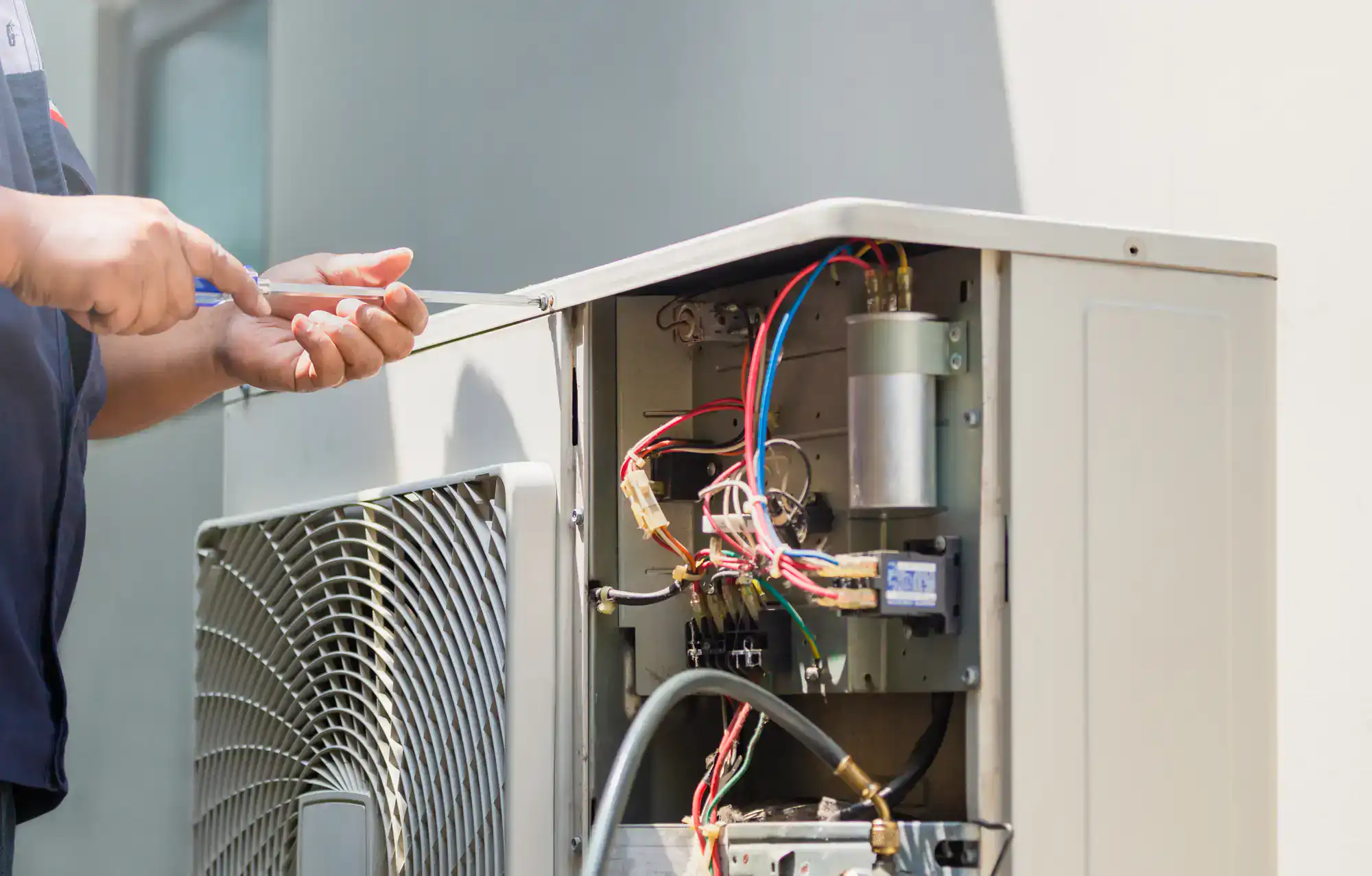
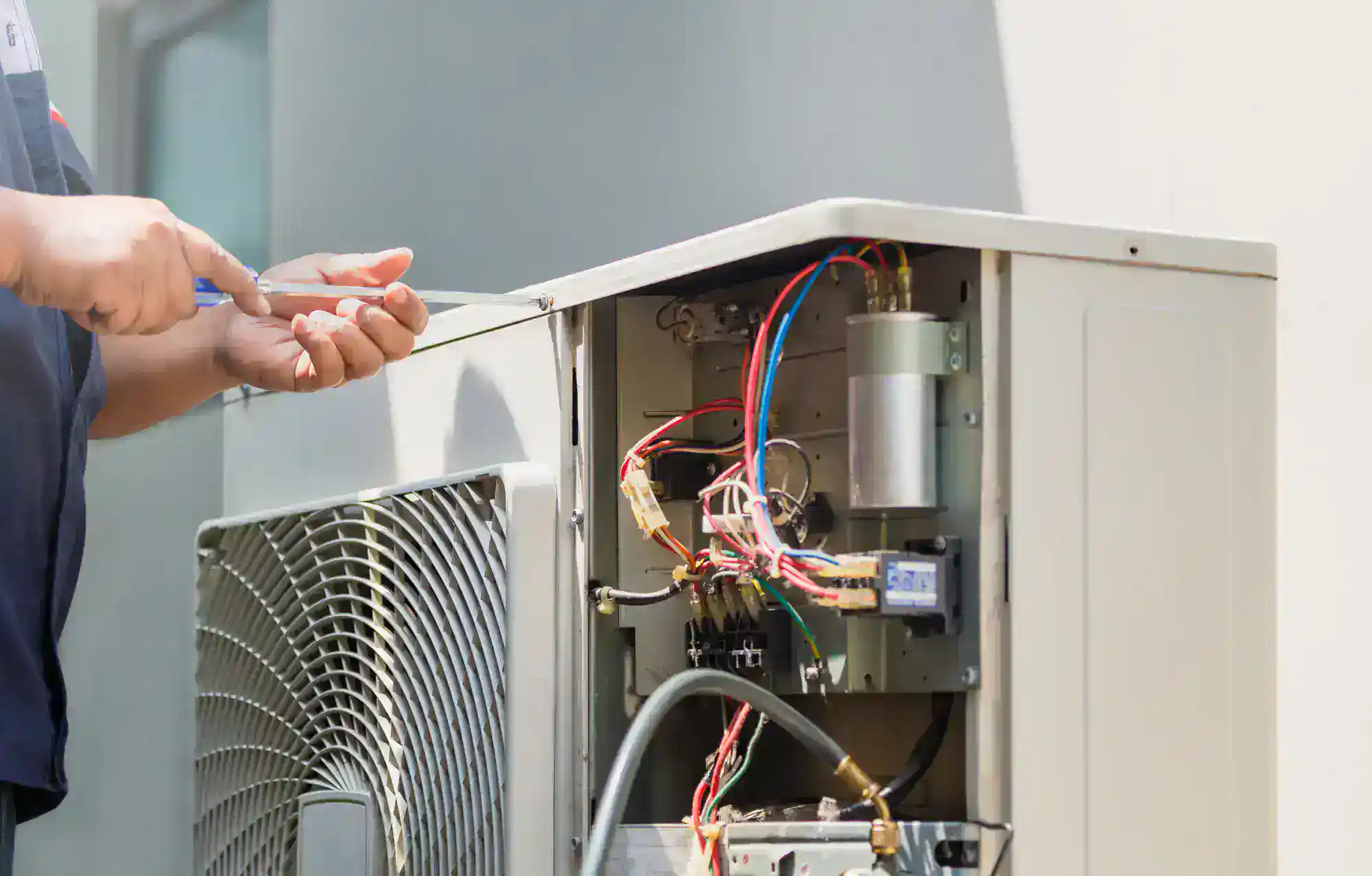
Installation costs vary based on system complexity, and high-SEER systems sometimes require ductwork modifications or electrical upgrades to perform properly. Budget for the total project cost, not just the equipment price. A quality installation with proper sizing, refrigerant charging, and ductwork evaluation is essential because poor installation can reduce efficiency by 30% or more, completely negating the benefits of a high-SEER rating.
Want live answers?
Connect with a Hot & Cold HVAC expert for fast, friendly support.
The technology inside high-SEER systems determines whether you actually get the rated efficiency or just pay for a number on a sticker. Variable-speed compressors and blower motors are the key components that separate true high-efficiency systems from marketing claims.
Variable-speed compressors can modulate output continuously rather than running at fixed speeds. This allows the system to match your home’s exact cooling needs at any given moment. On a mild 85°F day, the system might run at 40% capacity. On a scorching 105°F Sacramento afternoon, it ramps up to 80% or 100%. This precise matching eliminates the energy waste of overshooting your target temperature and cycling off.
The blower motor matters just as much. A variable-speed blower in your air handler works in tandem with the outdoor compressor to optimize airflow. You need both components working together to achieve the full efficiency benefits. Buying a system with only one variable-speed component improves efficiency to a degree, but you won’t reap the full benefits.
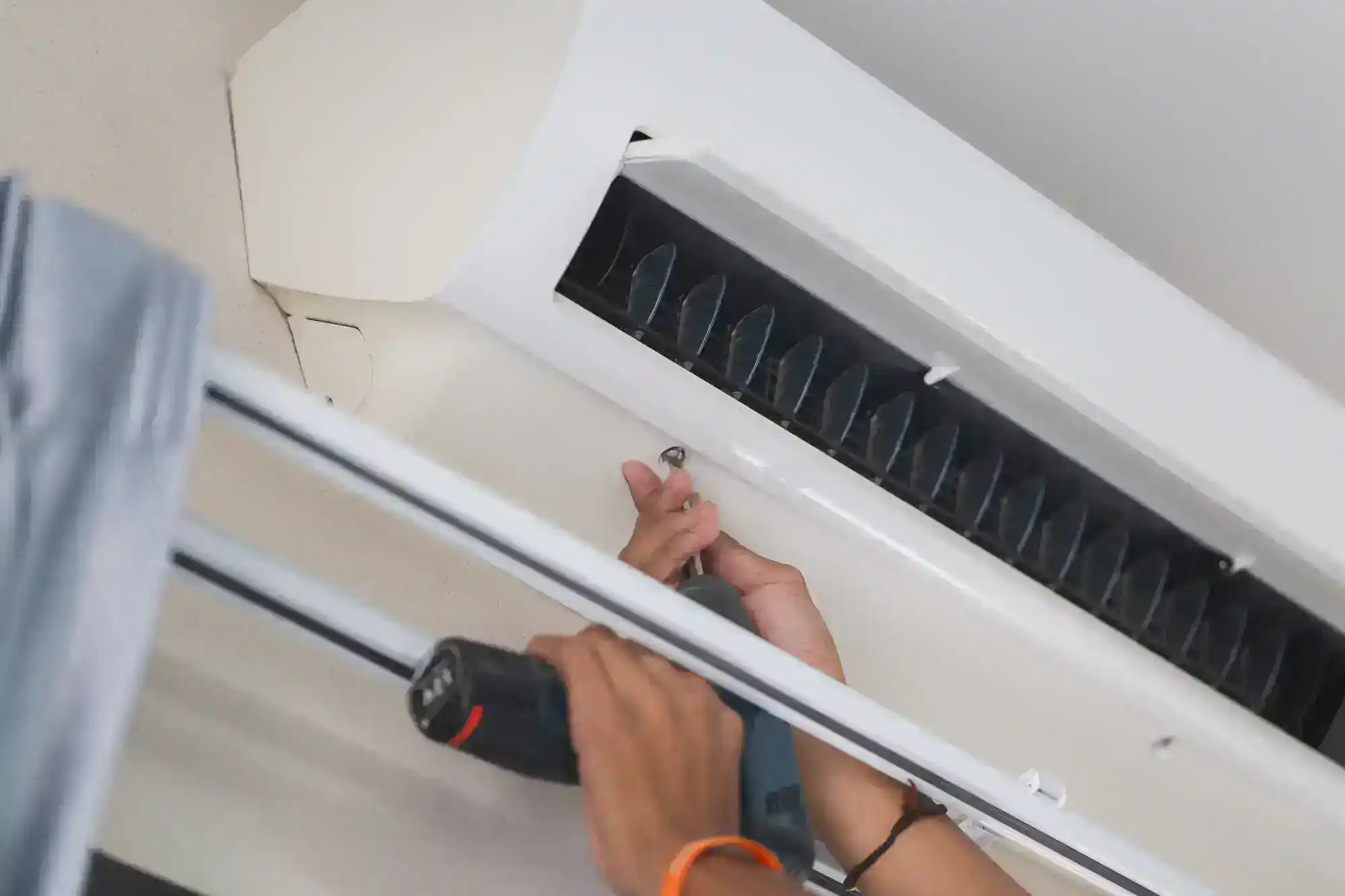
Even the highest SEER air conditioner can’t overcome poor installation, and this is where many Sacramento County homeowners lose money without realizing it. Proper sizing through Manual J load calculations is the foundation. Most HVAC contractors skip this step and simply replace your old unit with the same size, but there’s a good chance your original system was oversized to begin with.
An oversized AC cools your home too quickly, which sounds good but actually creates problems. The system shuts off before it has time to dehumidify the air properly, leaving your home feeling clammy. It also cycles on and off more frequently, which wastes energy and wears out components faster. An undersized system runs constantly at full capacity, struggling to keep up on the hottest days and driving up your energy bills.
Manual J calculations account for your home’s square footage, insulation quality, window placement, local climate data, and other factors that affect cooling load. This determines the right capacity for your specific situation. In Sacramento County, proper sizing also considers the extreme temperature swings and the fact that your AC will be working hard for extended periods during summer when temperatures regularly exceed 100°F.
Ductwork condition affects real-world performance more than a few extra SEER points on the spec sheet. Leaky ducts can waste up to 40% of your conditioned air into walls, attics, and crawl spaces. Even a 20 SEER2 system loses its efficiency advantage if the cooled air never makes it to your living spaces. Professional duct sealing and insulation are often necessary to achieve rated performance.
Refrigerant charging must be precise. Too much or too little refrigerant reduces efficiency and can damage components. New systems use R-32 or R-454B refrigerant as of 2026, replacing the old R-410A. These new refrigerants have about 70% less environmental impact and require about 20% less refrigerant charge, but they also require technicians trained in A2L handling because they’re mildly flammable.
Airflow balancing ensures every room receives appropriate cooling. Hot and cold spots indicate poor airflow design, which forces you to lower your thermostat setting to cool problem areas, wasting energy to overcool other rooms. Professional installation includes testing and adjusting airflow throughout your home.
Sacramento’s hot, dry climate creates specific installation challenges. Outdoor units sit in direct sun for hours, and extreme heat affects performance. Proper placement with adequate clearance, shade considerations where possible, and ensuring the unit sits level all impact efficiency. Your installer should understand local conditions and account for them during installation.
Electrical connections must meet code requirements and handle the system’s power demands. High-efficiency variable-speed systems sometimes require electrical upgrades, particularly in older homes. This adds to upfront costs but prevents performance issues and safety hazards down the line.
The right SEER rating for your home depends on your specific situation, not just grabbing the highest number available. For most Sacramento County homeowners, 16 to 18 SEER2 hits the sweet spot between upfront cost and long-term savings. This range qualifies for rebates, delivers meaningful savings over older 10-13 SEER units, and achieves reasonable payback periods.
If you’re replacing a system that’s 15+ years old, even moving to the minimum 14.3 SEER2 represents a substantial efficiency improvement. Systems from the early 2000s typically tested at 10 SEER or below, so you’d be looking at 30-40% efficiency gains. But if you’re already investing in replacement, spending a bit more to reach 16 SEER2 makes sense given the additional savings and rebate eligibility.
Ultra-high efficiency above 20 SEER2 makes sense in specific situations. If you have a larger home, run your AC heavily during Sacramento’s extended summer, plan to stay long-term, and have the budget for the premium cost, the additional efficiency can pay off. These systems also provide the best humidity control and quietest operation, which matters if comfort is a priority beyond just cost savings.
Heat pumps deserve serious consideration if you’re looking at anything above 16 SEER2. They provide both heating and cooling, work exceptionally well in Sacramento’s mild winters, and current federal rebate programs favor heat pumps with enhanced credits. Many heat pumps achieve 20-25 SEER2 ratings and can reduce energy costs by up to 50% compared to older systems.
Your home’s condition affects which efficiency level makes sense. If you have poor insulation, leaky windows, or inadequate ductwork, investing in building envelope improvements alongside a mid-efficiency AC often delivers better value than buying ultra-high SEER equipment. A 16 SEER2 unit in a well-sealed home outperforms a 20 SEER2 unit in a leaky one.
Climate intensity matters. Sacramento County’s cooling season runs longer and hotter than many areas, which means high-efficiency equipment has more opportunity to deliver savings. You’re not dealing with a mild climate where the AC barely runs. Your system will be working hard for months, making efficiency improvements more valuable than they’d be in cooler regions.
Budget reality plays a role. If the premium cost of ultra-high efficiency strains your budget, a quality mid-efficiency system with professional installation delivers better value than a poorly installed premium system. Installation quality matters more than the rating on the label. Same-day service availability and 24/7 emergency support during extreme weather also factor into total value, especially when Sacramento temperatures spike above 100°F and system failures can’t wait.
The highest SEER air conditioner isn’t always the smartest choice, but the right high-efficiency system for your situation can deliver substantial savings while keeping your Sacramento home comfortable through brutal summers. Focus on the efficiency range that makes financial sense for your home size, usage patterns, and how long you plan to stay. Factor in available rebates and tax credits that can offset $4,000 or more of the upfront cost.
Most importantly, prioritize professional installation with proper sizing, quality ductwork, and precise setup. A well-installed 16 SEER2 system outperforms a poorly installed 20 SEER2 unit every time. Sacramento County’s climate rewards efficiency investments, but only when the system is matched to your home and installed correctly.
We serve Sacramento County with professional HVAC installation, proper licensing, liability insurance coverage, and transparent pricing. If you’re ready to upgrade to a high-efficiency system that actually delivers the savings you’re paying for, reach out to discuss which efficiency level makes sense for your specific situation.
Article details:
Share:
Continue learning: