
You wake up warm. Your gas bill isn’t climbing for no reason. Your system runs quietly in the background doing its job.
That’s what happens when your furnace gets repaired correctly the first time. No callback visits. No “we need to order a part” delays. No wondering if you got overcharged because the technician saw your zip code.
Lincoln winters aren’t brutal, but when temperatures drop into the low 40s at night, a broken furnace isn’t just uncomfortable. It’s a problem that needs solving now, not three days from now when someone can “fit you in.” You need a heating contractor who stocks parts, knows how systems fail in Sacramento County’s climate, and can diagnose the issue without turning your living room into a classroom.
Most furnace repairs get completed during the first visit. The truck shows up stocked. The tech runs diagnostics. You get a price before any work starts. Then it either gets fixed or you get honest advice about whether repair makes sense for a system that’s on its last legs.
Hot & Cold HVAC exists because too many Sacramento County families were getting burned by surprise charges, no-show appointments, and techs who didn’t know the difference between a pilot light issue and a cracked heat exchanger.
Every technician on our team carries an HVAC Pro License and liability insurance. They’re trained specifically for how systems behave in this climate—the temperature swings, the dust, the way a furnace that sits unused for eight months can develop problems the first cold night you need it.
We serve both Sacramento and Placer counties, which means we’re not driving in from two hours away hoping the part we brought fits your system. Lincoln, Rocklin, Roseville, Auburn—if you’re dealing with a furnace that won’t fire up or a heater blowing cold air, we’ve probably fixed that exact issue in your neighborhood this month. You can text us at (916) 519-1248 if that’s easier than a phone call.

You call or text describing what’s happening. We ask a few questions to understand whether this is a safety issue, a quick fix, or something that needs a full diagnostic. Then we schedule a time—same day if you need heat now.
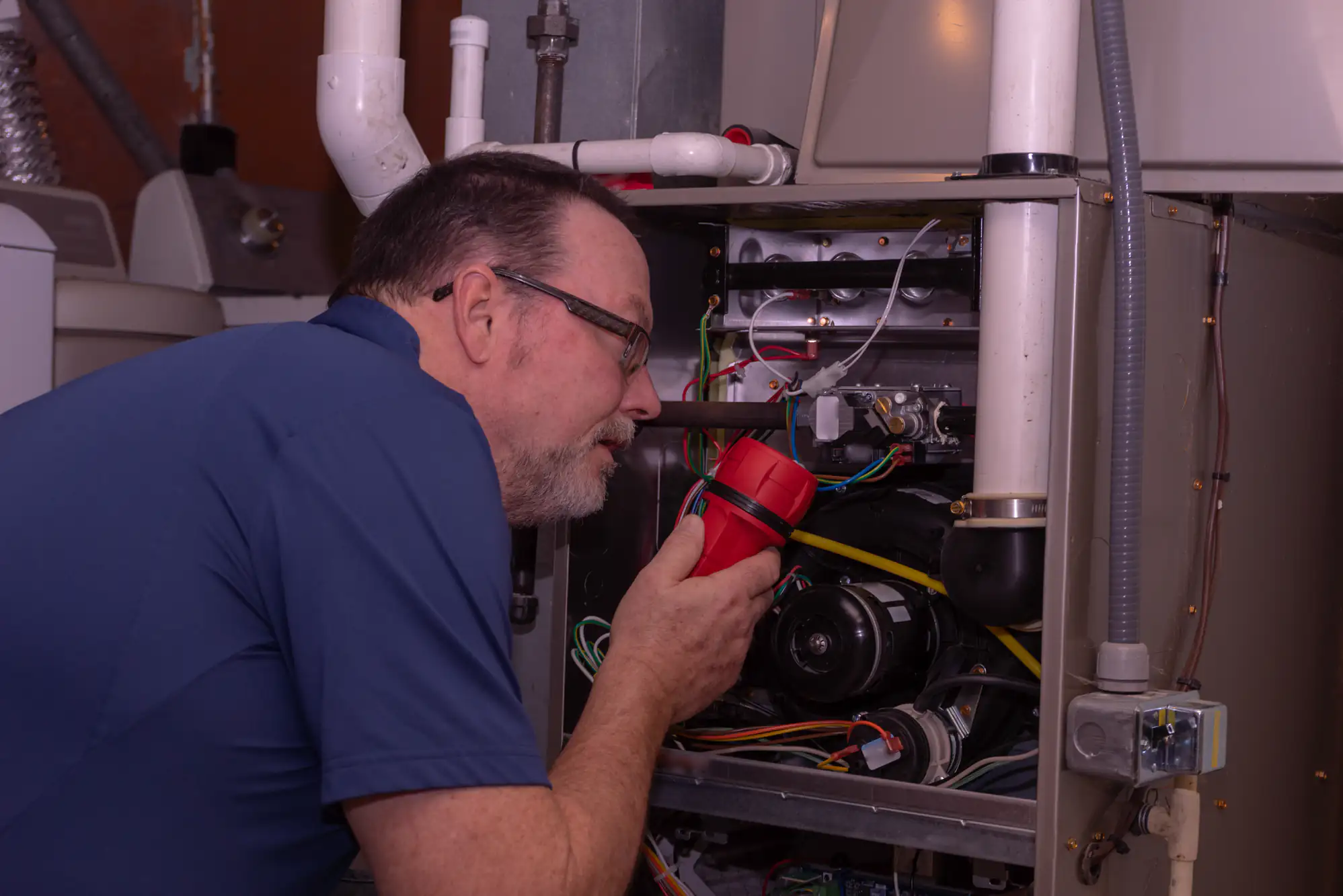
The tech shows up and runs through the system. Thermostat, ignition, burners, heat exchanger, blower motor, gas valve. Most problems show themselves pretty quickly when you know what to look for. Pilot light won’t stay lit. Furnace cycles on and off. Blower runs but no heat comes out. Strange noises that weren’t there last week.
Once we know what’s wrong, you get a price. Not an estimate. Not a range. An actual number for the repair. If it’s a worn-out part, we explain what it does and why it failed. If your system is old enough that repair costs don’t make sense, we’ll tell you that too. Then you decide. No pressure. No “limited time offer” nonsense.
Most repairs finish the same visit. You get heat back. We test the system to make sure it’s running efficiently. Then we’re gone.

Ready to get started?
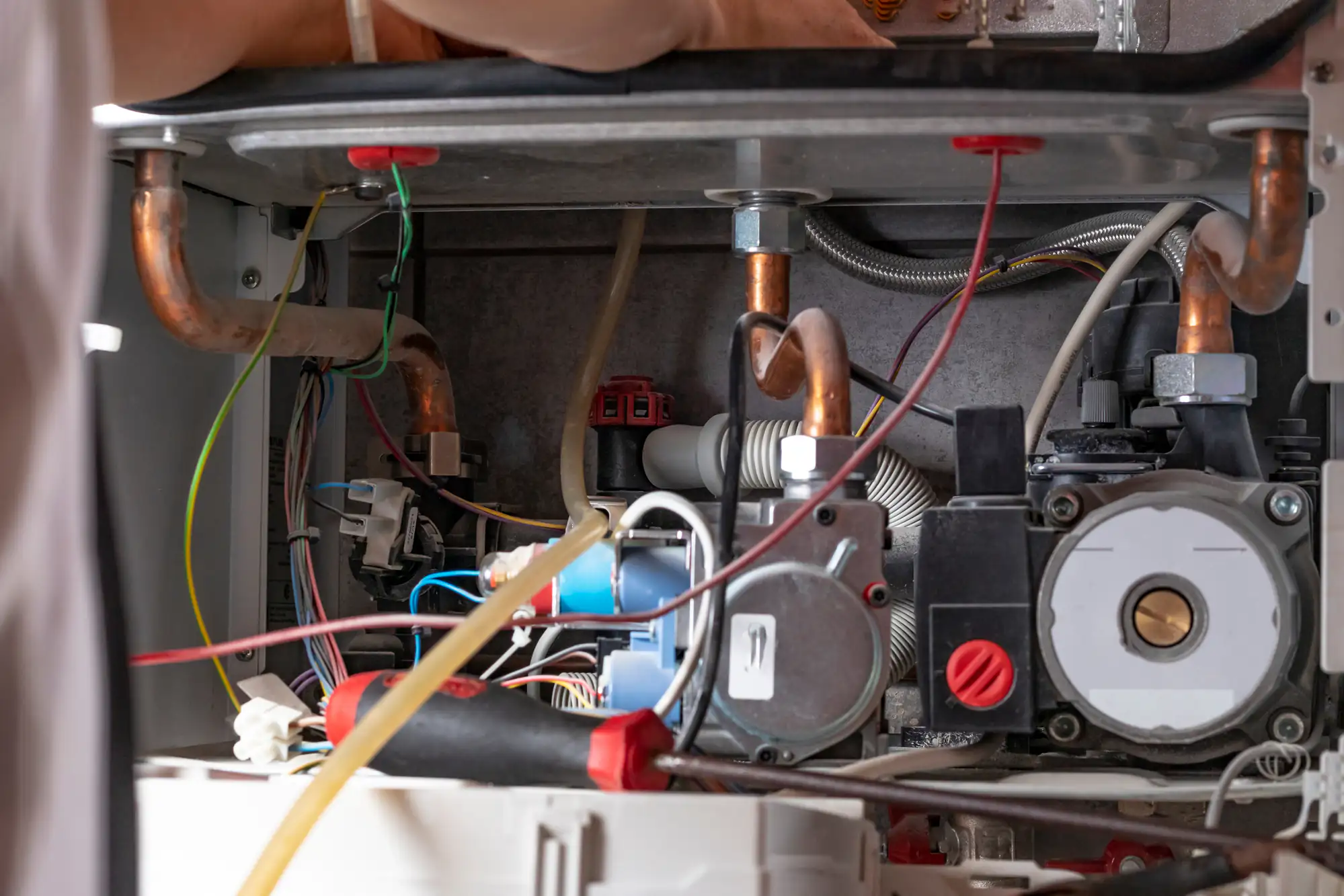
Full system diagnostic to identify the actual problem, not just the symptom. Repair or replacement of failed components—igniters, flame sensors, blower motors, gas valves, thermocouples, limit switches. Safety checks on the heat exchanger and venting to make sure nothing’s cracked or blocked. Airflow testing to confirm your system is heating efficiently.
Lincoln’s climate is easier on HVAC systems than places with harsh winters, but that doesn’t mean furnaces don’t fail. Dust buildup from dry summers clogs burners. Systems that sit idle for months develop ignition problems. Pilot lights go out and won’t relight. Blower motors wear out after 10-15 years of use.
We also handle furnace maintenance if you want to avoid emergency repairs during the next cold snap. A tune-up catches small problems before they turn into no-heat situations at 11 p.m. on a Wednesday. That includes cleaning burners, testing ignition, checking gas pressure, inspecting the heat exchanger, and replacing filters. Regular maintenance keeps efficiency up, which matters when you’re trying to keep energy bills reasonable.
All brands. All fuel types. Gas furnaces, electric furnaces, boilers—if it heats your house, we fix it. And if it’s time to replace instead of repair, we’ll walk through options that actually fit your home’s size and Lincoln’s heating needs, not whatever system we’re trying to move off the warehouse floor.
Most furnace repairs in the Sacramento area run between $200 and $600 depending on what failed. Simple fixes like replacing a flame sensor or igniter sit on the lower end. Blower motor or gas valve replacements cost more because the parts themselves are expensive.
You’ll get an exact price before work starts. No “we’ll see once we get in there” pricing. If your furnace is older than 15 years and needs a major component replaced, we’ll also tell you what a new system costs so you can make an informed decision. Sometimes repair makes sense. Sometimes it’s throwing money at a system that’ll need another expensive fix in six months.
Location affects cost too, but not because we charge more in certain zip codes. It’s about how long parts take to get and whether your system is a common model or something obscure that requires ordering specialty components. Most Lincoln homes have standard residential furnaces, which means parts are available and repairs happen fast.
Most repairs finish in one to three hours. Straightforward issues like a bad igniter or dirty flame sensor take less time. Blower motor replacement or control board issues take longer.
Same-day service is available for emergencies. If your heat goes out overnight and Lincoln temperatures are in the 40s, that’s not a “we’ll get there next Tuesday” situation. We prioritize no-heat calls because comfort matters, especially if you have young kids or elderly family members in the house.
The diagnostic itself takes 30-45 minutes. That’s inspecting the system, testing components, and identifying what actually failed versus what’s just a symptom. Once we know the problem and you approve the repair, most fixes happen right then. The truck carries common parts for Lincoln’s most popular furnace brands. If we need to order something, we’ll tell you the timeline upfront—not after you’ve already waited three days.
If your furnace is under 10 years old and the repair costs less than a third of replacement cost, repair usually makes sense. If it’s over 15 years old and needs a major component, replacement often saves money long-term.
Here’s the math that matters: a new furnace costs $3,000-$6,000 installed depending on size and efficiency. If your 16-year-old system needs an $800 blower motor, that’s a significant chunk of replacement cost going into a system that’s already near end-of-life. You might get two more years out of it, or it might need another expensive repair next winter.
Age isn’t the only factor. Efficiency matters too. Older furnaces lose about 5% efficiency per year without maintenance. If your energy bills have been climbing and your system is constantly running to keep up with Lincoln’s winter temperatures, a new high-efficiency furnace could cut heating costs by 20-30%. We’ll walk through the actual numbers for your situation—repair cost, expected remaining lifespan, current efficiency, and what replacement would run. Then you decide what makes sense for your budget and timeline.
Most no-start issues come down to five common problems: dead thermostat batteries, tripped breaker, pilot light out, bad igniter, or failed flame sensor. Start with the simple stuff—check your thermostat has power and is set to heat mode, verify the furnace breaker didn’t trip, and make sure the furnace door is fully closed (there’s a safety switch that prevents operation if it’s ajar).
If those check out and your furnace still won’t fire up, it’s likely an ignition or sensor issue. Modern furnaces use electronic igniters that wear out after years of use. The igniter glows orange-hot to light the gas, and when it fails, you get clicks or humming but no heat. Flame sensors do the opposite job—they confirm gas is burning safely. When they get dirty or fail, the furnace shuts down as a safety precaution.
Gas furnaces can also have pilot light problems, though most newer systems don’t use standing pilots anymore. If yours does and the pilot won’t stay lit, that’s usually a thermocouple issue. These are all fixable problems, but they require someone who knows how to diagnose ignition systems safely. Gas appliances aren’t DIY territory. One call gets it diagnosed correctly instead of guessing and potentially creating a safety hazard.
Yes. If your heat goes out during a cold night, we offer 24/7 emergency service. Lincoln winters are mild compared to other parts of the country, but when overnight temperatures drop into the 40s and your furnace quits, that’s not something you should have to wait until Monday morning to fix.
Emergency calls get prioritized based on severity. No heat with cold weather and young children or elderly residents in the home goes to the front of the line. Systems that are running but not heating well get scheduled for same-day or next-day service depending on the situation.
We don’t add massive surcharges for after-hours calls just because we can. Emergency pricing covers the reality of pulling a tech away from dinner or off a weekend, but it’s not designed to gouge people during a stressful situation. You’ll know the service call cost upfront, and repair pricing stays the same regardless of when we show up. The goal is getting your heat back on, not maximizing profit from your bad timing.
Once a year, ideally in fall before you need heat regularly. Lincoln’s heating season is shorter than places with harsh winters, but that doesn’t mean your furnace can go years without maintenance. Systems that sit unused for months develop problems—dust clogs burners, ignition components corrode, and small issues turn into no-heat emergencies the first cold night.
Annual maintenance catches those problems early. A tech cleans the burners, tests ignition, inspects the heat exchanger for cracks, checks gas pressure, tests safety controls, and replaces filters. It takes about an hour and typically costs $100-150. Compare that to a $400 emergency repair call when your furnace quits on a 40-degree night.
Maintenance also keeps efficiency up. Dirty burners and clogged filters make your furnace work harder to produce the same heat, which means higher gas bills and more wear on components. A well-maintained furnace lasts 15-20 years. One that never gets serviced might make it 10-12 before major components start failing. The math is simple—spending $150 a year on maintenance beats replacing a furnace five years early because neglect killed it prematurely.
Other Services we provide in Lincoln