
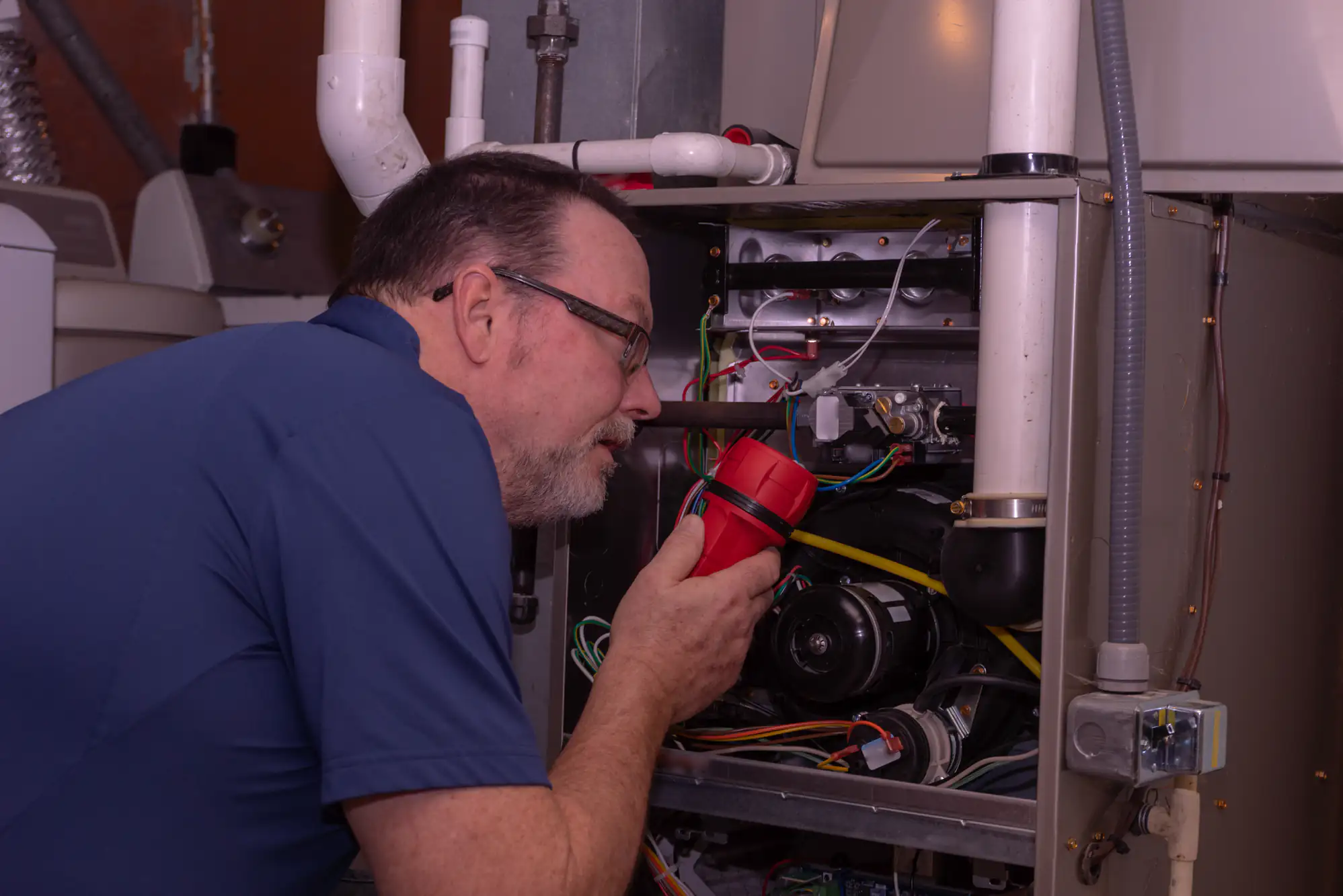
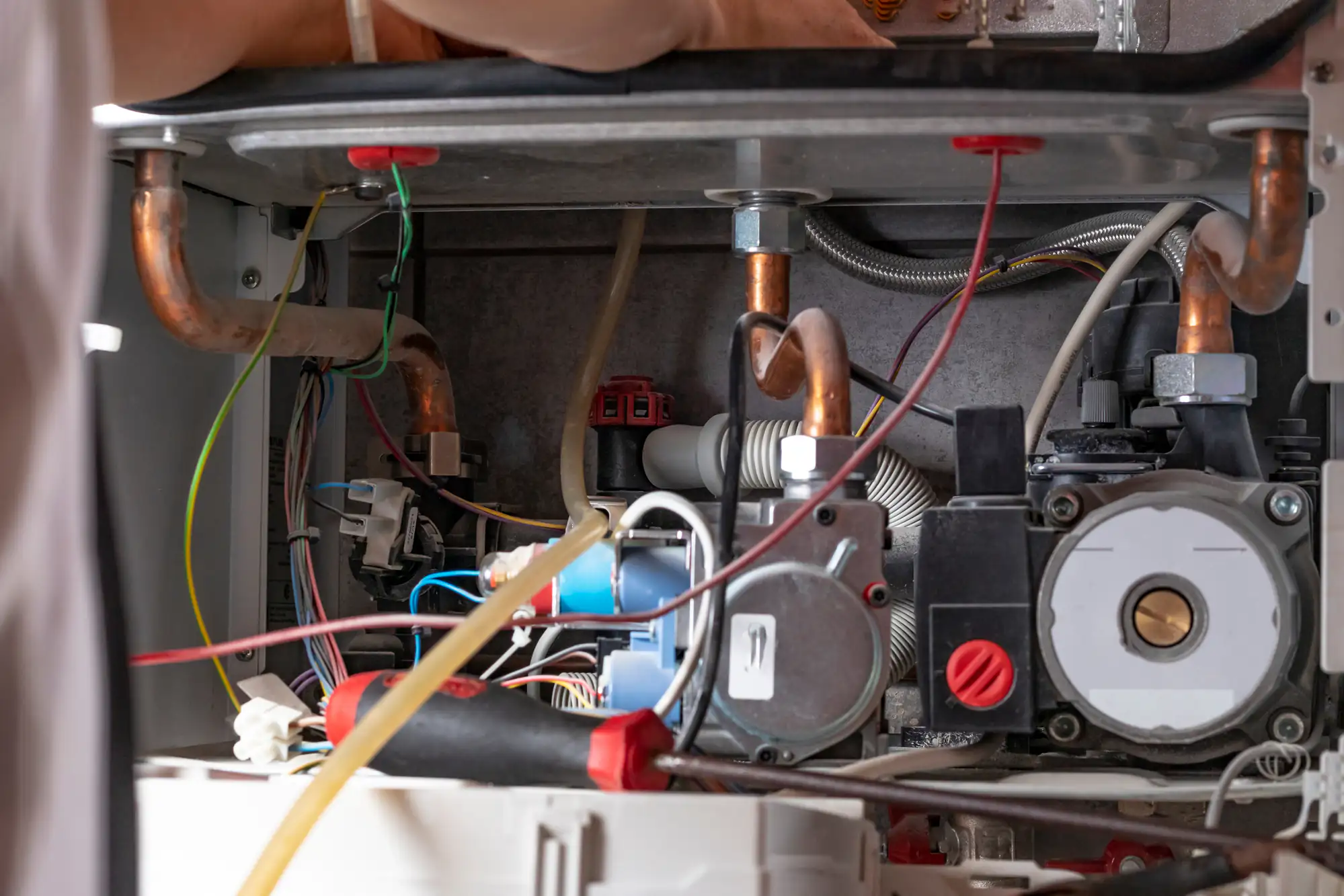
Your furnace went out last night. Now you’re layering blankets, running space heaters, and wondering how long until someone can actually help.
Here’s what happens when we show up. The cold spots disappear. The system runs quietly again. Your energy bill stops climbing every month because the furnace isn’t working twice as hard to do half the job.
Most furnace problems in Antelope happen the same way—a system that’s been running fine suddenly starts short cycling, blowing cold air, or won’t ignite at all. Usually it’s a failed ignitor, a clogged filter choking airflow, or a flame sensor covered in carbon buildup. All fixable. Most within an hour.
You’re not just getting heat back. You’re getting consistent temperatures in every room, lower monthly costs, and the confidence that it won’t quit again next week.
We serve homeowners across Sacramento and Placer counties. Every technician on our team carries an HVAC Pro License and full liability insurance—not because it’s required, but because it matters when someone’s working inside your home.
Antelope’s climate is hard on furnaces. Wet winters mean condensation issues. Summer dust clogs filters faster. We see the same problems year after year, and we know how to fix them without dragging out the job or upselling equipment you don’t need yet.
We offer same-day service because waiting three days for heat isn’t reasonable. If it’s an emergency, we’re available 24/7. You can call or text us at 916-519-1248, and we’ll give you an honest answer about timing and cost before we ever leave the shop.

First, we listen. You’ll describe what’s happening—strange noises, no heat, whatever tipped you off. Then we run a full diagnostic on the system. That means checking the ignitor, flame sensor, heat exchanger, blower motor, and airflow. We’re looking for the actual problem, not just the symptom.
Once we find it, we explain what failed, why it failed, and what it’ll take to fix it. You’ll get upfront pricing before any work starts. No surprises when the bill comes.
Most repairs finish the same day. If we need a part, we’ll let you know how long it’ll take and whether a temporary fix makes sense in the meantime. If your furnace is old enough that repairs don’t make financial sense anymore, we’ll tell you that too.
After the repair, we test the system under load to make sure it’s heating properly and safely. Then we walk you through what we did and answer any questions about maintenance or performance.

Ready to get started?
Every service call starts with a complete system diagnostic. We’re checking ignition, airflow, combustion, and safety controls. If your furnace isn’t heating, we’re finding out why—not guessing.
Common repairs in Antelope include replacing failed ignitors, cleaning flame sensors, fixing short cycling issues, and addressing uneven heating caused by duct leaks or blower problems. We also catch safety issues like cracked heat exchangers or improper venting that could lead to carbon monoxide buildup.
Antelope homes deal with specific challenges. The wet season from November through April creates condensation problems in flue pipes. Summer dust storms clog filters and coat components. If your system hasn’t had a furnace tune up in over a year, it’s probably running 15-20% less efficiently than it should.
We service all brands—Carrier, Trane, Lennox, Rheem, Goodman, whatever you’ve got. Our techs are trained on Sacramento County climate issues, so they know what breaks here and how to prevent it. And because we’re fully licensed and insured, the work is done right and backed up properly.
Most furnace repairs in Antelope run between $200 and $600 depending on what failed. A simple fix like replacing an ignitor or flame sensor usually costs $200-$350. Blower motor replacements or control board issues run higher, typically $400-$600.
The industry average for HVAC repairs nationwide is around $350, and that tracks with what we see locally. But here’s what matters more than averages: you’ll know the exact cost before we start. We give upfront pricing after diagnosing the problem, so there’s no guessing or surprise charges when the job’s done.
If your furnace is over 12-15 years old and the repair costs more than half of a replacement, we’ll have a conversation about whether fixing it makes sense. Sometimes it does. Sometimes it doesn’t. Either way, the decision is yours, and we’ll give you the information to make it.
If your furnace is running but only blowing cold air, the burners aren’t igniting. That usually means a failed ignitor, a dirty flame sensor, or a gas supply issue.
The ignitor is the most common culprit. It’s a small ceramic or silicon carbide component that glows hot to light the gas. After a few years, they crack or wear out and stop heating up enough to ignite the burners. You’ll hear the blower running, but no heat comes out.
Flame sensors cause the same symptom but for a different reason. When they get coated in carbon buildup, they can’t detect the flame properly. The furnace tries to ignite, succeeds for a second, then shuts down because the sensor thinks the flame went out. This creates a cycle where the burners light briefly and then cut off, leaving you with cold air.
Both are straightforward fixes. An ignitor replacement takes about 30 minutes. Cleaning a flame sensor takes even less. Either way, you’re back to normal heat the same day.
Once a year, ideally in September or October before you need the heat. Antelope’s wet winters are hard on furnaces, and a tune up before the season starts catches problems while they’re still small.
During a maintenance visit, we’re cleaning the flame sensor and burners, checking the heat exchanger for cracks, testing the ignitor, inspecting the flue for blockages, and making sure airflow is where it should be. We’re also looking at the filter, blower motor, and safety controls.
Regular maintenance extends the lifespan of your furnace and keeps it running efficiently. A dirty system works harder, uses more gas, and breaks down more often. Most furnaces last 15-20 years with proper care. Without it, you’re looking at more frequent repairs and an earlier replacement.
If you haven’t had a tune up in over a year, you’re probably losing 15-20% efficiency. That shows up as higher gas bills and uneven heating. A $150 maintenance call usually pays for itself in energy savings within a few months.
That’s called short cycling, and it’s one of the most common heating problems we see in Sacramento County. When a furnace short cycles, it runs for 30 seconds to a few minutes, shuts off, then starts again almost immediately.
The usual causes are a clogged air filter, a failing blower motor, or a malfunctioning flame sensor. A dirty filter restricts airflow, which causes the heat exchanger to overheat. The furnace shuts down as a safety measure, cools off, then tries again. Same cycle repeats.
Flame sensor issues create a different kind of short cycling. The burners ignite, but the sensor doesn’t detect the flame properly, so the system shuts down the gas. Then it tries to relight. Over and over.
Sometimes it’s a thermostat problem—if it’s reading the temperature incorrectly or installed in a bad location, it’ll signal the furnace to shut off too early. Less common but still possible: an oversized furnace that heats the space too quickly and cycles off before completing a full heating cycle.
Short cycling wears out components faster and drives up your energy bill. It’s worth fixing quickly, and most of the time the repair is simple.
Yes. We’re available 24/7 for no-heat emergencies. If your furnace quits at 10 p.m. on a Saturday during a cold snap, we’ll come out.
Emergency calls get prioritized based on severity. No heat in winter with kids or elderly family members in the house? We’re moving fast. System acting up but still producing some heat? We’ll get there as soon as we can, usually same-day or next morning.
You can call or text us at 916-519-1248 any time. We’ll ask a few questions about what’s happening, give you an honest timeframe, and let you know what to expect for cost. Emergency rates apply for after-hours calls, but we’re upfront about that before dispatching a tech.
Most emergency repairs are fixable on the spot. We stock common parts—ignitors, flame sensors, capacitors—so we’re not making multiple trips or leaving you without heat overnight while we wait for a supplier to open.
It depends on what broke and how much the repair costs. The general rule: if the repair is more than 50% of a replacement cost and your furnace is over 12-15 years old, replacement usually makes more sense.
Here’s the math. A new furnace installed runs $3,500-$6,000 depending on size and efficiency. If your 16-year-old system needs a $2,000 heat exchanger replacement, you’re spending a third of a new system’s cost on a furnace that’s already near the end of its lifespan. That repair might buy you two more years. Maybe less.
But if it’s a $300 ignitor or blower capacitor? Fix it. Even on an older system, small repairs are worth it if everything else is solid.
We’ll walk you through the decision honestly. If your furnace is old and the repair is expensive, we’ll explain your options and let you decide. If it makes sense to fix it, we’ll say so. If you’re throwing money at a system that’s going to need another major repair in six months, we’ll tell you that too.
Energy efficiency matters here as well. Older furnaces run at 60-70% efficiency. New models hit 95%+. Depending on your gas bills, the savings can offset the replacement cost over time.
Other Services we provide in Antelope