
Your furnace quits during the coldest stretch of January. The house drops to 55 degrees overnight. You’re layering blankets and running space heaters while trying to figure out who to call.
That’s the moment most people find us. Not when things are fine, but when the heat’s out and time matters.
You need someone who picks up the phone, shows up the same day, and fixes the problem without dragging it into a three-day ordeal or a bill that doubles halfway through. You need your house warm again. That’s what furnace repair should do—get your system running so you’re not sleeping in a winter coat.
We handle heating repair across Alta, CA and the surrounding Sacramento County area. Our technicians are licensed, trained for the climate here, and available when your furnace decides to quit. Most calls get same-day service. You’ll know the cost before work starts, and the price doesn’t change once we’re done.
We serve both Sacramento and Placer counties, which means we’re already familiar with what breaks, when it breaks, and why. Alta sits in the Sierra foothills where winter nights drop into the 30s and tule fog rolls through during the rainy season from November through March. That fog clogs filters and corrodes components faster than most homeowners expect.
Our technicians carry full HVAC licenses and liability insurance. We’re not a handyman service trying to troubleshoot heating systems. This is what we do, and we do it in your area all year.
You can reach us by phone or text at (916) 519-1248. If your furnace is down and you’re trying to get someone out today, that’s the fastest way to make it happen.

You call or text (916) 519-1248 and describe what’s going on. No heat, strange noises, burning smell—whatever it is. We’ll ask a few questions to get a sense of the issue and schedule a time to come out. Most days, that’s the same day you call.
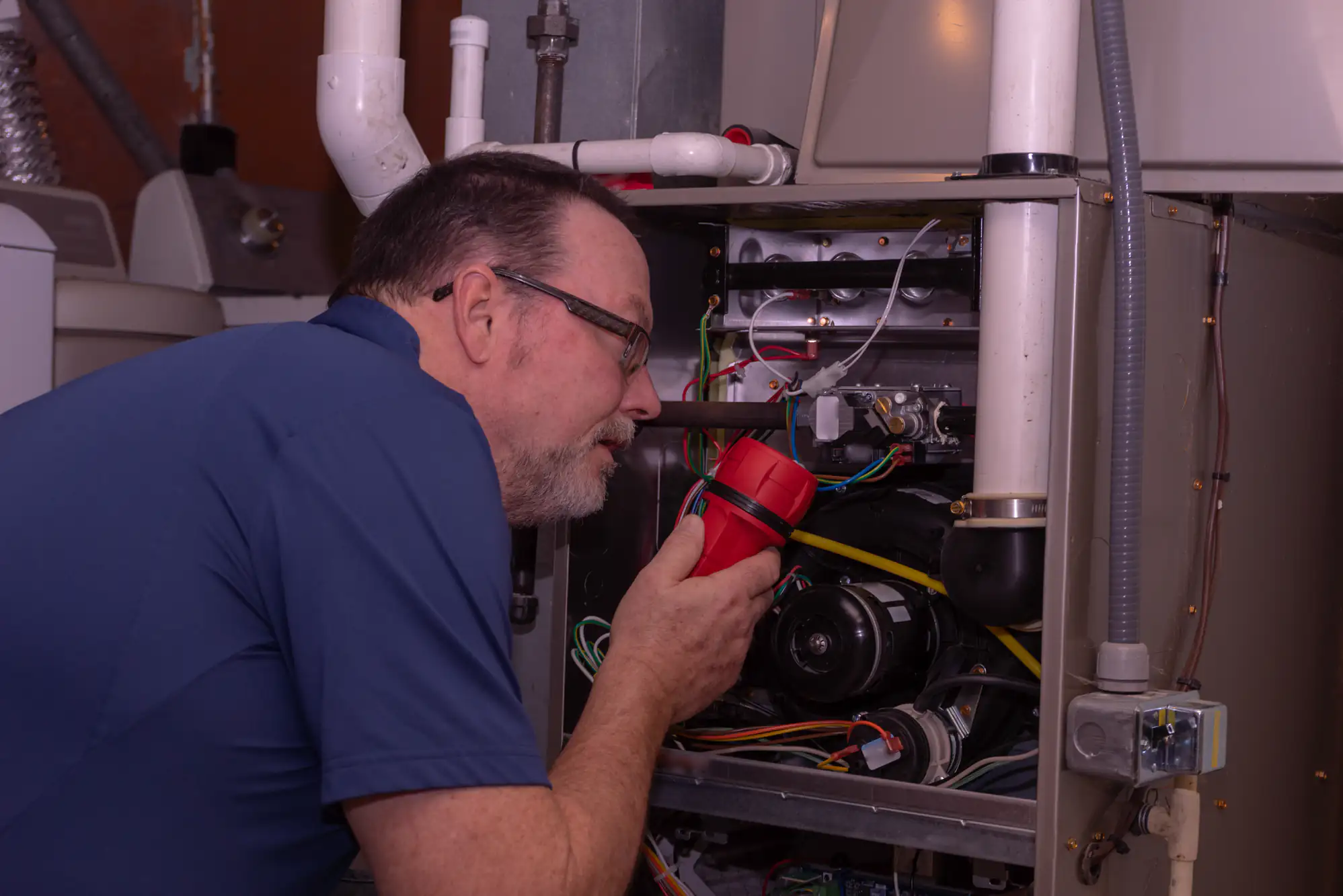
When the technician arrives, they’ll inspect your furnace and run diagnostics to figure out what failed. Could be the ignitor, the blower motor, a cracked heat exchanger, or a tripped safety switch. Once they know what’s wrong, they’ll explain the problem in plain terms and give you an upfront price for the repair. No work starts until you approve the cost.
If you give the go-ahead, they’ll make the repair on the spot whenever possible. Some parts we carry on the truck. Others we’ll need to order, but we’ll let you know the timeline before we leave. Once the repair is done, they’ll test the system to make sure it’s heating properly and safely.
You’ll get a clear invoice. No hidden fees, no surprise charges. Just the work you agreed to and the price we quoted.

Ready to get started?
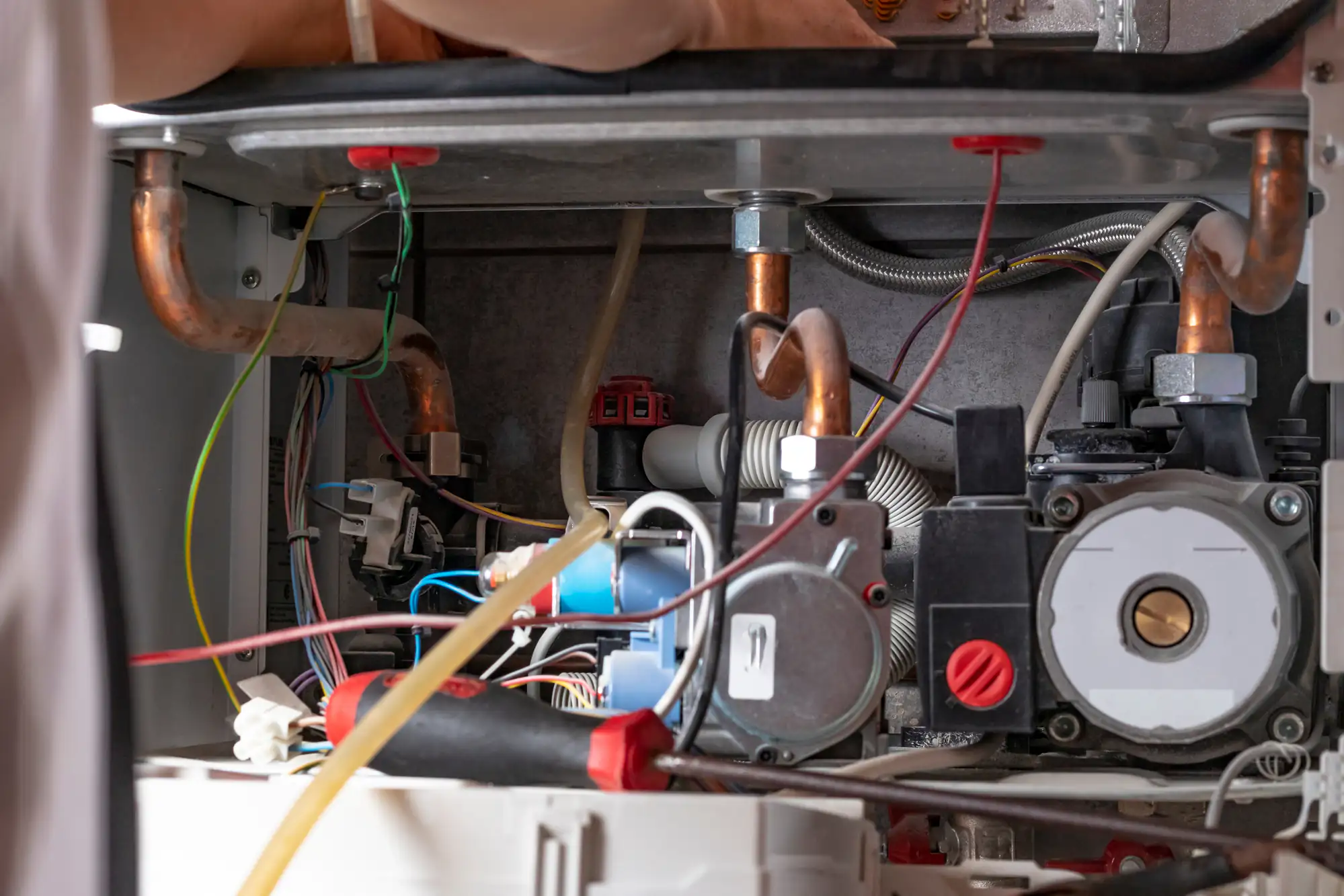
When you schedule furnace repair with us, the service call includes a full system diagnostic. That means checking the thermostat, inspecting the heat exchanger, testing the ignition system, examining the blower motor, and looking at airflow and ventilation. The goal is to find the actual problem, not just the symptom.
Alta’s location in the foothills means your system works harder during winter. Homes here deal with colder overnight temps than downtown Sacramento, and the tule fog that settles in during December and January puts extra strain on filters and ductwork. A furnace that’s running inefficiently will burn more gas and cost you more each month. Part of the repair process is making sure your system isn’t just working, but working efficiently.
We service all major furnace brands. Carrier, Trane, Lennox, Rheem, Goodman—doesn’t matter. If it heats your home, our techs are trained to repair it. And because we carry liability insurance and hold active HVAC licenses, you’re covered if anything goes wrong during the service call.
If your furnace is beyond repair or nearing the end of its lifespan, we’ll tell you. We’re not in the business of selling you a repair that buys you two more months. You’ll get an honest assessment and options that make sense for your situation and your budget.

Furnace repair costs depend on what’s broken. A simple fix like replacing a flame sensor or resetting a tripped limit switch might run $150 to $300. More involved repairs—like a failed blower motor, cracked heat exchanger, or control board replacement—can range from $400 to $1,200 or more.
We provide upfront pricing before any work begins. You’ll know the cost after the diagnostic, and that price won’t change once the repair is underway. There are no trip charges that mysteriously turn into hourly rates or parts markups that double the bill.
If your furnace is older than 15 years and needs a major repair, it’s worth asking whether replacement makes more sense. A $1,000 repair on a 20-year-old system might buy you another year or two, but a new furnace could save you 30% or more on heating costs and come with a warranty. We’ll walk through both options so you can make the call that fits your situation.
The most common furnace failures come down to a few usual suspects. Ignitors wear out and stop lighting the burners. Blower motors seize up or burn out, especially in systems that run constantly during cold snaps. Flame sensors get coated in carbon buildup and shut the system down as a safety precaution. Limit switches trip when the furnace overheats, usually because of restricted airflow from a clogged filter.
In Alta and the surrounding foothills, tule fog accelerates some of these problems. The moisture in the air corrodes electrical components faster and clogs filters more quickly than in drier climates. If you’re not changing your filter every 30 to 60 days during the rainy season, your blower motor is working overtime and your heat exchanger isn’t getting proper ventilation.
Thermostats also fail more often than people expect. Sometimes the furnace is fine, but the thermostat isn’t sending the signal to kick on. That’s a quick fix, but it’s one reason a proper diagnostic matters. You don’t want to pay for a new ignitor when the real problem is a $12 thermostat battery.
Yes. We offer 24/7 emergency furnace repair for Alta and the surrounding Sacramento County area. If your heat goes out overnight or during a weekend cold snap, you can reach us by phone or text at (916) 519-1248.
Emergency calls get prioritized, especially during extreme weather. When overnight temps drop into the 30s and your furnace quits, that’s not something you can wait until Monday to fix. We’ll get a technician out as quickly as possible, usually within a few hours.
Emergency service does come with a premium compared to standard business-hour calls, but you’ll know that cost upfront. There’s no bait-and-switch pricing or surprise fees when the bill comes. You’ll get the same transparent estimate and the same licensed technicians, just on a faster timeline. If your furnace is down and your house is getting colder by the hour, don’t wait. Call and we’ll get someone headed your way.
Most furnace repairs take between one and three hours once the technician arrives. That includes the diagnostic, the actual repair, and testing the system to make sure it’s heating properly. Simple fixes like replacing a flame sensor or swapping out a capacitor might only take 30 to 45 minutes. More complex repairs—like replacing a blower motor or control board—can take two to three hours depending on the furnace model and how accessible the components are.
Some repairs require ordering parts, especially for older or less common furnace brands. If that’s the case, the technician will let you know the lead time and schedule a follow-up appointment. We try to carry the most common parts on the truck, but there are situations where a same-day fix isn’t possible.
The diagnostic itself usually takes 20 to 30 minutes. That’s when the technician is testing components, checking voltages, and figuring out what failed. Once they know the problem, they’ll explain what needs to happen and how long it will take. You’re not left guessing or waiting around without updates. You’ll know the timeline before the work starts.
If your furnace is less than 10 years old and the repair costs less than a third of a new system, repair usually makes sense. If your furnace is 15 years or older and the repair bill is climbing past $800 to $1,000, replacement is worth considering.
Here’s the math that matters. A new furnace costs between $3,500 and $6,000 installed, depending on the size and efficiency rating. If your 18-year-old furnace needs a $1,200 heat exchanger replacement, you’re spending a third of a new system’s cost to fix a unit that’s already near the end of its expected lifespan. That repair might buy you two or three more years, but you’ll likely face another expensive fix before long.
Energy efficiency is the other factor. Furnaces installed before 2010 typically run at 80% efficiency or lower. A new mid-efficiency furnace runs at 92% to 95%, which can cut your heating bills by 20% to 30% each winter. In Alta, where winter heating runs from November through March, that adds up. A more efficient system can pay for part of itself through lower utility costs over five to seven years.
We’ll walk you through both options with real numbers. We’re not going to push a replacement if a repair makes sense, and we’re not going to sell you a repair that’s just delaying the inevitable. You’ll get an honest assessment based on the age of your system, the cost of the fix, and what makes sense for your home and your budget.
Yes. Regular furnace maintenance catches most problems before they turn into breakdowns. A tune-up includes cleaning the burners, testing the ignition system, checking the heat exchanger for cracks, lubricating the blower motor, and replacing the filter. Those steps prevent the most common failure points and keep your system running efficiently.
Most furnace breakdowns happen because of neglect, not bad luck. A clogged filter restricts airflow, which makes the blower motor work harder and causes the system to overheat. A dirty flame sensor shuts the burners down because it can’t detect the flame properly. A blower motor that hasn’t been lubricated in five years seizes up in the middle of a cold snap. All of those are preventable with annual maintenance.
In Alta and the surrounding foothills, maintenance matters even more because of the tule fog and moisture that comes with the rainy season. That fog accelerates corrosion on electrical components and clogs filters faster than in drier areas. If you’re not staying on top of filter changes and annual tune-ups, your furnace is working harder than it should and wearing out faster.
We offer furnace maintenance and tune-up services across Sacramento and Placer counties. A yearly tune-up costs a fraction of an emergency repair and extends the life of your system by years. If you can’t remember the last time your furnace was serviced, now’s the time to schedule it—before the next cold snap hits and your system quits in the middle of the night.
Other Services we provide in Alta