
Your house stays comfortable when it’s 95 degrees outside and when it drops into the mid-30s at night. That’s what matters. Not whether your system is the newest model or has the fanciest features—just that it works when you need it to.
When your heating and cooling system is running right, you’re not thinking about it. You’re not adjusting the thermostat every hour or wondering if it’ll make it through another summer. You’re not getting surprise bills because something that should’ve been caught during maintenance wasn’t.
You get consistent temperatures in every room. Your energy bills stay predictable. And when something does go wrong, you have someone who picks up the phone and shows up when they say they will—not three days later when your house has already turned into an oven.
Hot & Cold HVAC serves Sacramento and Placer counties with the kind of service that doesn’t need a hard sell. Our technicians are fully licensed and insured, and they’ve been working in this area long enough to know exactly what HVAC systems face here.
Walnut Creek isn’t the coast. Your furnace works harder because winter nights regularly hit the mid-30s—that’s 10 to 15 degrees colder than San Francisco. Your AC runs longer because summer heat stretches well into the evenings. We size systems correctly for that reality, not for what works in a milder climate.
When you call, you’re talking to someone local. When we quote a job, that’s what it costs—no surprise fees after we’re halfway done. And if it’s an emergency, we’re available 24/7 because we know a broken AC in July isn’t something you can wait on.
You call or text (916) 519-1248, and we pick up. Not a voicemail. Not a form that gets reviewed later. An actual person who can usually get someone to your house the same day—or within a couple hours if it’s an emergency.
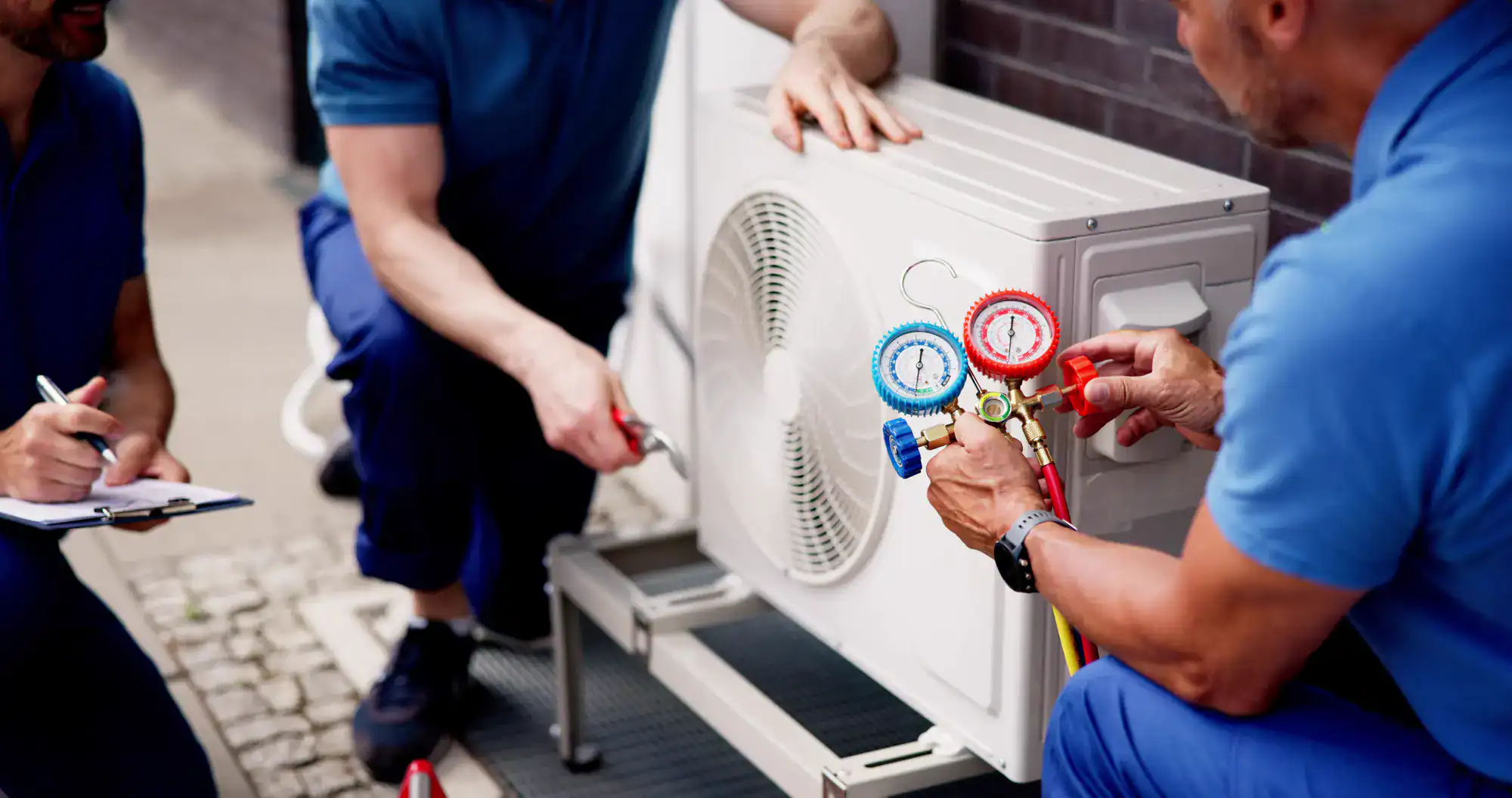
Our technician shows up in a fully stocked truck. That matters because most repairs can be done right then without waiting on parts or scheduling a return visit. They’ll diagnose the problem, explain what’s wrong in plain terms, and tell you what it’ll cost to fix before any work starts.
If it’s a simple repair, we handle it and you’re back to normal. If your system is on its last legs, we’ll tell you that too—and give you options that actually fit your home and budget. No pressure to buy the most expensive unit. No commission-driven upsells. Just honest information so you can make the call that makes sense for you.
Once the work’s done, we test everything to make sure it’s running right. Then we clean up and get out of your way.

Ready to get started?
We handle the full range: repairs on any major brand, new installations, system replacements, and maintenance that actually prevents problems instead of just checking boxes. If it heats or cools your house, we work on it—gas furnaces, heat pumps, central AC, ductless systems, boilers.
Every installation in Walnut Creek meets California Title 24 requirements. That means proper load calculations so your system is the right size for your home, duct pressure testing to make sure you’re not losing conditioned air, and HERS rater verification. It’s not optional—it’s the law. And it’s also what keeps your system running efficiently instead of working twice as hard because it was installed wrong.
If you’re replacing a system, we’ll walk you through rebate options. SMUD offers up to $2,000 for high-efficiency systems, and California has additional rebates depending on your income level—some homeowners qualify for up to $8,000. We handle the paperwork so you actually get the money instead of just hearing about programs you never follow up on.
Transparent pricing means you know what the job costs before we start. That includes permits, inspections, materials—everything. If something changes, we tell you before it affects the bill.
It depends on what’s broken, but most repairs fall between $150 and $800. A simple fix like a tripped breaker or clogged filter is on the low end. Replacing a blower motor or capacitor costs more. A full compressor replacement can run $1,500 to $2,500, but at that point you’re usually better off replacing the whole system if it’s older than 12 years.
The reason most HVAC websites don’t list prices is because the range is huge and depends on your specific system, the part that failed, and how accessible everything is. But we’ll always tell you the cost before we do the work. If it’s a minor repair, we’ll fix it. If it’s expensive enough that replacement makes more sense, we’ll give you both options and let you decide.
One thing to watch for: companies that charge a “diagnostic fee” and then waive it if you do the repair. That’s often a sign the repair price is inflated. We charge a fair service call fee whether you move forward or not, and our repair pricing reflects actual cost—not padded numbers designed to make the waived fee look like a deal.
Yes. Most days we can get to you within a few hours, and we’re available 24/7 for emergencies. If your AC dies on a Saturday afternoon in July, you’re not waiting until Monday—we’ll have someone out that day.
Same-day service works because our trucks are stocked with the most common parts for all major brands. We’re not showing up to diagnose and then leaving to order a capacitor that won’t arrive for three days. We carry it. That means the majority of repairs get finished on the first visit.
During extreme heat events, call volume obviously spikes. We prioritize based on urgency—if someone’s system is completely dead and it’s 100 degrees outside, they’re getting helped before a tune-up appointment. But even during peak times, we’re typically able to respond within a few hours instead of days. Text (916) 519-1248 if you need faster communication than a phone call allows.
If your system is under 10 years old and the repair costs less than half the price of a new system, repair it. If it’s over 15 years old and needs a major repair, replacement usually makes more sense. The middle ground—10 to 15 years old—depends on the specific situation.
Here’s why age matters: a 12-year-old AC that needs a $1,200 compressor repair might only last another 3 to 5 years. A new system costs around $5,000 to $8,000 installed, runs more efficiently, and comes with a warranty. You’re spending $1,200 to buy a few more years on an aging system, or spending $5,000 to $8,000 for 15+ years of reliable cooling with lower energy bills. Sometimes the repair makes sense. Sometimes it doesn’t.
We’ll give you both options with real numbers. If your system is worth fixing, we’ll tell you. If it’s limping along and you’re just delaying the inevitable, we’ll tell you that too. No pressure either way—you’re the one who has to live with the decision, so you should have the information to make it.
Yes. Every technician carries a California HVAC contractor license and full liability insurance. That’s not just a legal requirement—it’s what protects you if something goes wrong during installation or repair.
Unlicensed contractors are cheaper for a reason. They’re not pulling permits, they’re not doing the required duct testing or load calculations, and they’re not carrying insurance that covers your property if they make a mistake. When the county comes around and finds unpermitted work, you’re the one who has to fix it. And if that furnace wasn’t installed to code and something happens, your homeowner’s insurance may not cover it.
We handle all permits and inspections as part of the job. Every installation gets a HERS rater verification to confirm it meets Title 24 energy standards. It’s more expensive upfront than hiring someone off Craigslist, but it’s done right—and it’s legal. If you ever sell your house, you won’t have to disclose unpermitted HVAC work or scramble to bring things up to code during escrow.
We work on all major brands: Trane, Carrier, Lennox, Rheem, Goodman, York, Bryant, Amana, and more. If it’s in your house, we can fix it. Our technicians get ongoing training on repair procedures and parts availability across different manufacturers, so we’re not guessing when we show up.
For new installations, we’ll recommend systems based on what actually fits your home and budget—not what gives us the best margin. Some brands are better for certain applications. Some offer rebates that others don’t. Some have better warranty coverage or parts availability in this area. We’ll walk through the options so you understand what you’re getting.
The brand matters less than proper installation. A mid-tier system installed correctly will outperform a premium system that was poorly sized or installed by someone who skipped the duct testing. We focus on getting the load calculation right, sealing the ductwork, and making sure airflow is balanced. That’s what actually determines whether your system works well or struggles for the next 15 years.
Twice a year: once before summer and once before winter. Walnut Creek uses both heating and cooling heavily, so both systems need attention. A spring tune-up catches problems before your AC has to run all summer. A fall check makes sure your furnace is ready when those mid-30s nights hit.
Maintenance isn’t just changing filters and calling it good. We’re checking refrigerant levels, testing capacitors, inspecting electrical connections, cleaning coils, and making sure your system is running at the efficiency it’s supposed to. Small issues—like a capacitor starting to fail—get caught before they turn into expensive emergency repairs in the middle of a heat wave.
Most of our maintenance customers don’t have emergency breakdowns. That’s the point. You’re catching wear before it becomes failure. And if something does need attention, it’s getting handled during a scheduled appointment when parts are in stock and pricing is standard—not at 9 p.m. on a Sunday when you’re paying emergency rates.
Other Services we provide in Walnut Creek