
Your thermostat reads 72, and every room feels like 72. Not just the living room while the bedrooms freeze.
You’re not layering blankets at night or cranking the heat higher just to feel something. The system kicks on when it should, shuts off when it’s done, and doesn’t make sounds that wake you up at 2 AM wondering if something’s about to explode.
Your energy bill stops climbing every month because the furnace isn’t running twice as long to compensate for whatever’s failing inside. You’re not calling for repairs every few weeks or wondering when the next breakdown will hit. The system just works, quietly and consistently, doing exactly what you paid for it to do.
That’s what proper heating repair and maintenance get you. Not miracles—just a system that functions the way it was designed to, without the drama.
We serve Del Paso Heights and the greater Sacramento area with heating contractor services that actually solve problems. We’re familiar with the ranch-style homes built here in the ’40s through ’90s—the ductwork that’s seen better days, the furnaces that have outlived their expected lifespan, and the insulation standards that weren’t quite what they are now.
Sacramento’s climate isn’t gentle on heating systems. Triple-digit summers followed by winter nights that drop into the 30s and 40s mean your HVAC works year-round. When something fails, it usually fails at the worst possible time.
We handle heating repair, HVAC maintenance, and system diagnostics for homeowners who want straight answers and reliable fixes. No upselling, no scare tactics—just an honest assessment of what’s wrong and what it’ll take to fix it.

You call or message us with the problem. We ask a few questions to understand what’s happening—no heat, strange noises, uneven temperatures, whatever it is.
We schedule a time that works for you, usually same-day or next-day depending on urgency. If it’s an emergency and your family’s freezing, we prioritize it.
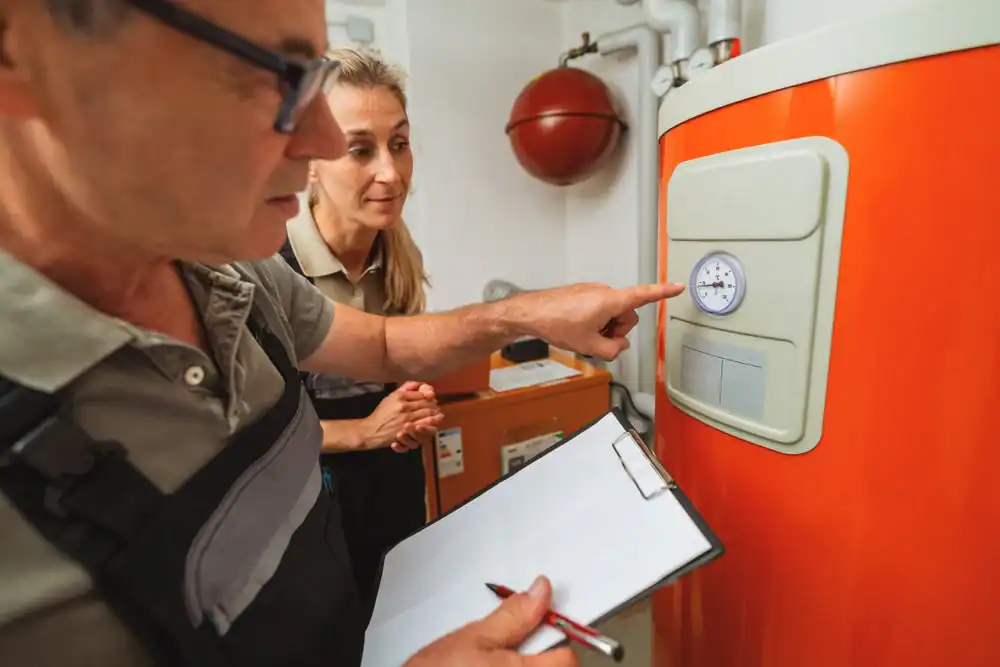
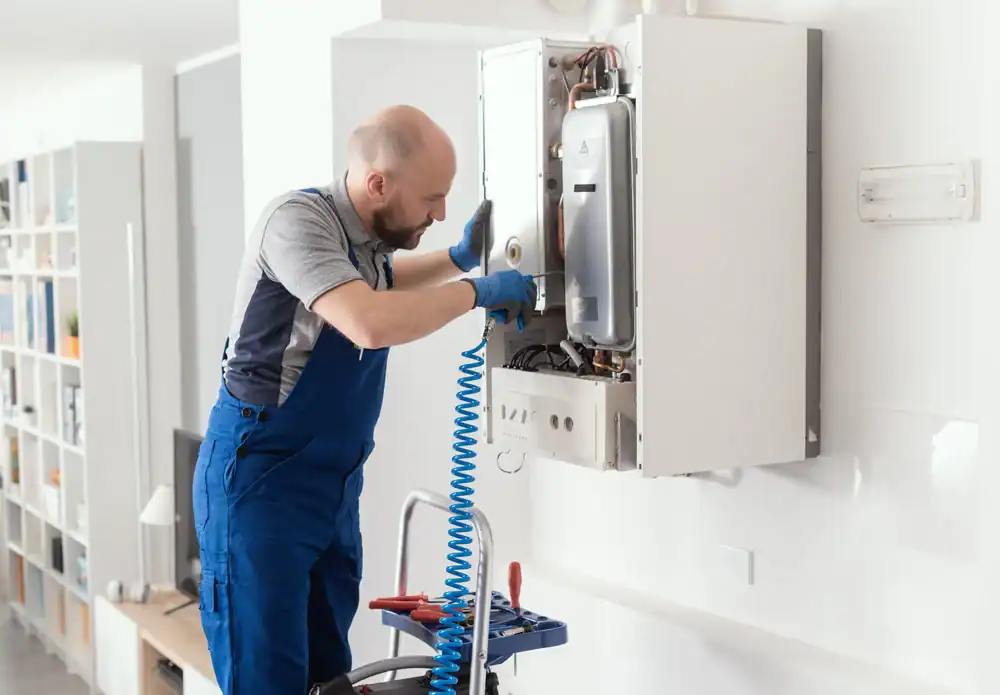
Our technician shows up, examines your system, and runs diagnostics. We check the thermostat, inspect the furnace or heat pump, test airflow, and look for the usual suspects—clogged filters, pilot light issues, blower motor problems, ductwork leaks, or failing components.
Once we identify the issue, we explain what’s wrong in plain language. No jargon, no runaround. We tell you what needs to be fixed, what it costs, and how long it’ll take. You decide if you want to move forward.
If you approve the work, we fix it. Most repairs happen the same visit. If we need a part, we’ll let you know when we can return to finish the job. After the repair, we test the system to make sure it’s working properly before we leave.

Ready to get started?
Our heating contractor services cover the full range of what goes wrong with residential heating systems. We repair gas furnaces, electric heating systems, and heat pumps. We handle pilot light failures, ignition problems, blower motor malfunctions, thermostat issues, and ductwork leaks.
In Del Paso Heights, older homes often have ductwork that’s leaking 30% to 40% of heated air before it even reaches your rooms. That’s not just uncomfortable—it’s expensive. We seal ducts, replace damaged sections, and make sure the heat you’re paying for actually gets where it’s supposed to go.
We also handle routine HVAC maintenance—the kind that catches small problems before they turn into full system failures. Filter changes, system inspections, cleaning, and tune-ups that keep everything running efficiently. Sacramento’s climate demands a lot from heating systems, and regular maintenance is what separates a furnace that lasts 15 years from one that dies at 10.
If your system is beyond repair or you’re spending more on fixes than the unit is worth, we’ll tell you. We provide heating installation services and help you understand what replacement actually costs, what rebates or financing options exist, and what makes sense for your home and budget. We’re not here to sell you something you don’t need, but we won’t sugarcoat it if replacement is the smarter move.
Emergency repairs are available when your heating fails and waiting until Monday isn’t an option. We understand that a broken furnace in January isn’t just inconvenient—it’s a safety issue, especially for families with young kids or elderly residents.

It depends entirely on what’s broken. A simple fix like replacing a clogged filter, adjusting a pilot light, or swapping a faulty thermostat might run you $100 to $200. Those are quick jobs that don’t require expensive parts or extensive labor.
Moderate repairs—things like replacing a blower motor, capacitor, or igniter—typically fall in the $200 to $600 range. These involve more labor and parts that cost more to source and install.
Major repairs get expensive. If your heat exchanger is cracked or you need significant ductwork replacement, you’re looking at $1,000 to $2,000 or more. At that point, you’re often better off evaluating whether replacement makes more financial sense than repair, especially if your system is over 15 years old.
We provide upfront pricing before starting any work. You’ll know exactly what the repair costs, what parts are involved, and how long it’ll take. No surprises, no hidden fees added at the end.
Thermostat malfunctions are common, especially in older homes where the wiring has degraded or the unit itself is outdated. Your system might not respond correctly to temperature settings, or it short-cycles—turning on and off repeatedly without reaching the set temperature.
Pilot light and ignition issues plague gas furnaces. If the pilot won’t stay lit or burns yellow instead of blue, you’ve got a problem that needs immediate attention. This can be caused by a dirty pilot orifice, a faulty thermocouple, or gas supply issues.
Clogged or dirty air filters are probably the most preventable problem we see. When filters get clogged, airflow drops, efficiency plummets, and your system works harder than it should. This leads to higher energy bills and can cause the furnace to overheat or fail prematurely.
Blower motor failures happen in older systems, especially those that haven’t been maintained regularly. You’ll notice weak airflow from vents, strange noises, or the system struggling to distribute heat evenly throughout your home.
Ductwork leaks are a huge issue in Del Paso Heights because many homes have original ductwork from the ’50s through ’80s. Leaky ducts waste 30% to 40% of your heated air, which means you’re paying to heat your attic or crawl space instead of your living room.
Most furnaces last 15 to 20 years with proper maintenance. Heat pumps have a similar lifespan. Gas furnaces can sometimes push 20 to 25 years if they’re well-maintained and not overworked.
Sacramento’s climate is tough on HVAC systems because they run year-round. You’re heating in winter and cooling in summer, which means your system doesn’t get much downtime. That constant use accelerates wear and tear compared to climates where heating or cooling is only needed a few months out of the year.
If your furnace is approaching or past the 15-year mark and you’re calling for repairs multiple times a year, replacement is probably the smarter financial decision. Repair costs add up quickly, and older systems are less efficient, which means higher energy bills even when they’re working correctly.
Regular maintenance extends lifespan significantly. Annual inspections, filter changes, and tune-ups catch small issues before they become expensive failures. A well-maintained furnace will outlast a neglected one by years.
Age isn’t the only factor. If your system was undersized when it was installed, or if it’s been running inefficiently due to ductwork problems, it might fail sooner than expected. We evaluate the whole picture—age, repair history, efficiency, and overall condition—before recommending repair or replacement.
Yes. When your heating fails and your family is freezing, waiting until business hours isn’t an option. We provide emergency heating repair services for situations where immediate help is necessary.
Emergency situations include a furnace that won’t turn on during cold weather, gas smells or suspected gas leaks, pilot lights that won’t stay lit, systems making loud or dangerous-sounding noises, or any situation where you believe your safety is at risk.
We prioritize emergency calls and aim to get to you as quickly as possible. Most emergency repairs are completed the same visit, though if a specialized part is needed, we’ll do everything we can to source it quickly and return to finish the job.
Emergency service costs more than standard appointments because we’re responding outside normal hours and prioritizing your call over scheduled work. We’ll explain the pricing upfront so you know what to expect before we start.
If you’re not sure whether your situation qualifies as an emergency, call us anyway. We’ll ask questions to assess the urgency and help you determine the best course of action. Better to call and find out it can wait than to assume it’s fine and end up with a bigger problem.
At minimum, you should have your heating system professionally inspected and serviced once a year, ideally in the fall before you start relying on it heavily. This catches problems before they cause breakdowns during the coldest weeks of winter.
During a maintenance visit, we inspect all major components—blower motor, heat exchanger, ignition system, thermostat, and ductwork. We clean the system, check for wear and tear, test safety controls, and make sure everything is operating efficiently.
Between professional visits, you need to change or clean your air filter every 1 to 3 months depending on usage and filter type. A clogged filter is the fastest way to reduce efficiency and strain your system.
Keep the area around your furnace clear. Don’t store boxes, cleaning supplies, or other items near the unit. Blocked airflow or fire hazards near the furnace create safety risks.
Pay attention to warning signs between maintenance visits. Strange noises, uneven heating, higher energy bills, or the system cycling on and off more frequently than usual all indicate something needs attention. Catching these early prevents bigger, more expensive repairs later.
If your home has ductwork, have it inspected periodically. Leaky or damaged ducts waste energy and reduce comfort. Sealing and insulating ducts can improve efficiency by 20% to 30%, which translates directly to lower energy bills and better heating performance.
If your system is under 10 years old and the repair costs less than half of what a new system would cost, repair usually makes sense. You’re getting more life out of an investment that still has years left in it.
If your system is over 15 years old and you’re facing a major repair—anything over $1,000—replacement often makes more financial sense. You’re investing significant money into a system that’s nearing the end of its lifespan anyway, and you’ll likely face more repairs soon.
Frequency of repairs matters. If you’re calling for service multiple times a year, even for smaller issues, those costs add up. At some point, you’re better off putting that money toward a new system instead of constantly patching an old one.
Energy efficiency is another factor. Older systems are less efficient, which means higher monthly bills even when they’re working correctly. A new, high-efficiency system can cut your heating costs by 20% to 40%, which offsets the replacement cost over time.
We’ll give you an honest assessment. If repair makes sense, we’ll tell you. If you’re throwing good money after bad, we’ll tell you that too. We’re not here to sell you a new system if your current one has life left in it, but we won’t let you waste money on a lost cause either.
Other Services we provide in Del Paso Heights