
Most people calling a heating contractor in Citrus Heights aren’t just looking for someone to fix a furnace. They’re looking for someone who won’t invent a problem that isn’t there. That’s a low bar, but it’s the one the industry keeps tripping over and it’s exactly why the way we operate feels different the moment a technician walks through your door.
When your system gets a real diagnosis, you make a real decision. If a repair makes sense, you hear that. If the math points toward replacement especially in a home built in the 1970s or early 1980s, when most of the housing stock along Greenback Lane and Sunrise Boulevard was going up you’ll hear that too, with the reasoning laid out plainly so you can weigh it yourself.
Citrus Heights winters are mild by most standards, but a furnace that quits on a January night when temperatures drop into the upper 30s isn’t a minor inconvenience. It’s urgent. And during wildfire season, when smoke rolls in from the Sierra Nevada foothills and settles over the Sacramento Valley from July through October, what’s happening inside your ducts and filters matters just as much as what’s happening outside. A properly serviced heating system handles both seasons better and it lasts longer doing it.
We built Hot & Cold HVAC around a simple idea: that homeowners deserve honest information, not a sales pitch dressed up as a diagnosis. That means when a technician comes to your home in Citrus Heights, they’re there to evaluate your system not to find the most expensive path forward.
We work in Citrus Heights regularly. We know the housing stock. We know that a lot of the homes in this city were built during the development boom that followed Sunrise Mall’s opening in 1971, which means duct systems and equipment that are well into their replacement window. We pull mechanical permits through the City of Citrus Heights Building and Safety Division every time, no exceptions because unpermitted work creates real problems for homeowners down the road, and that’s not something we’re willing to hand off to you.
Our credentials are verifiable. The California CSLB C-20 license is public record at cslb.ca.gov. EPA 608 certification is current. What you won’t find is pressure to buy something you don’t need.

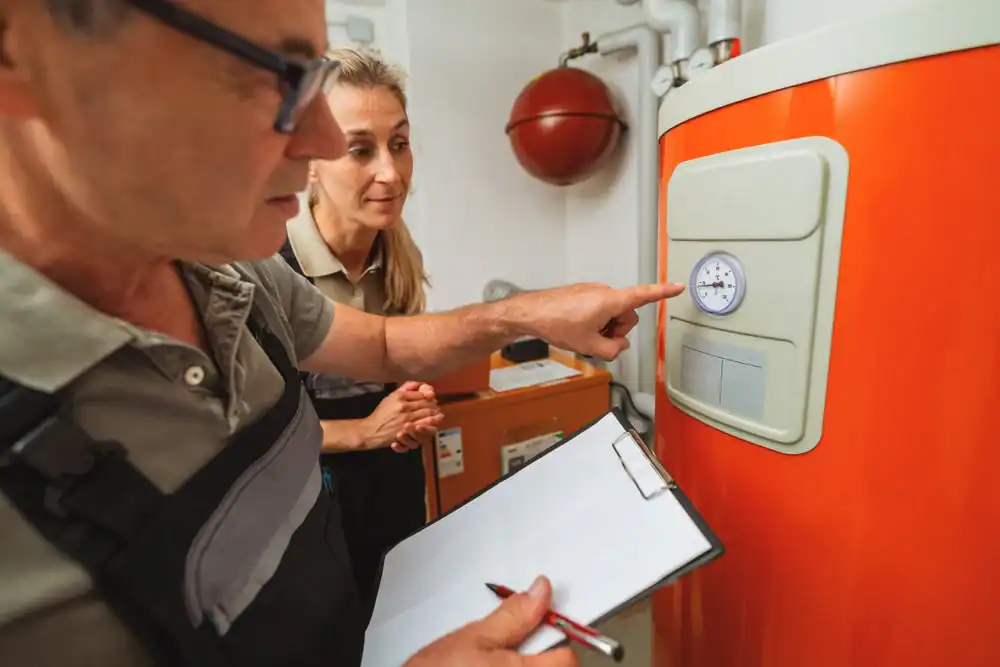
It starts with a real diagnostic. A technician comes to your home, evaluates what’s actually happening with your heating system, and tells you what they found not what generates the biggest invoice. If you’re dealing with a furnace that’s struggling or a system that’s been making noise, you’ll get a clear explanation of the cause and what fixing it actually involves.
From there, you get a price before any work starts. That’s not a teaser number that grows once the job is open it’s the number. If the scope changes for a legitimate reason, you’ll know about it before it changes your bill. For installations and replacements, we use Manual J load calculations to size equipment correctly for your specific home. In a city where a lot of homes were built with rough rule-of-thumb sizing, this matters more than most contractors will tell you. An oversized furnace short-cycles and wears out fast. An undersized one runs constantly and never gets the job done.
If you’re in Citrus Heights and considering a heat pump especially with SMUD serving this area and federal IRA tax credits of up to $2,000 currently available that conversation is part of the process too. The city’s winters rarely push below freezing for any extended stretch, which means modern heat pumps perform well here throughout the entire heating season. Every qualifying installation includes a mechanical permit pulled through the City of Citrus Heights Building and Safety Division, so your work is on record and your home is protected.

Ready to get started?
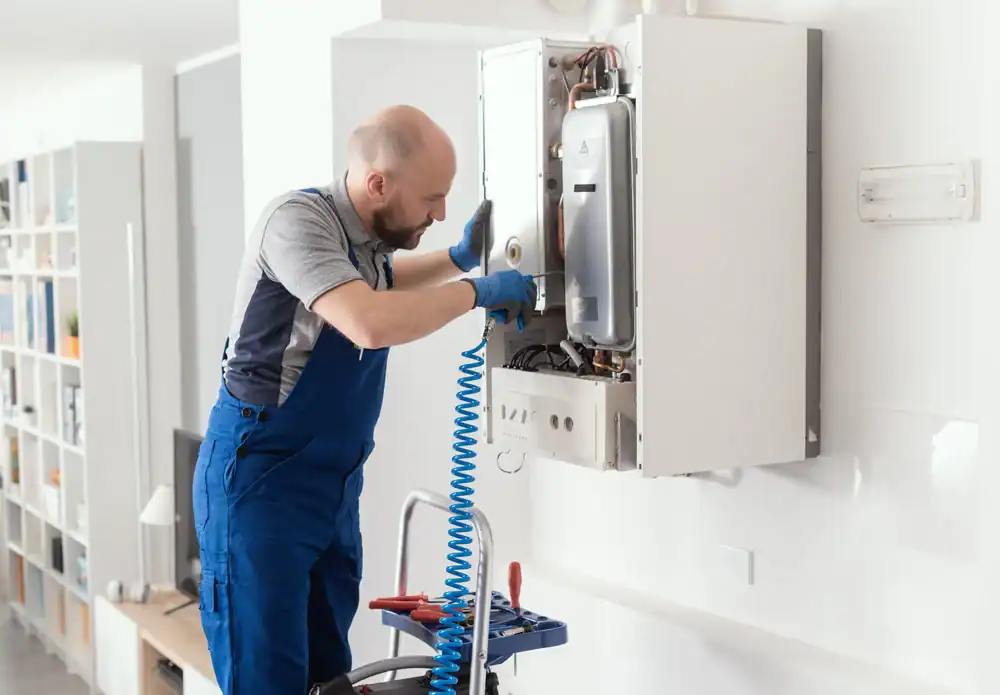
We handle furnace repair, furnace installation, heat pump installation, ductless mini-split systems, residential boiler maintenance, and heating tune-ups for Citrus Heights homeowners. Whether your system is acting up mid-winter or you’re planning a replacement before the next cold season, the service is the same: straight diagnosis, upfront pricing, and work that’s done to code.
For homes along the Sunrise Boulevard corridor or tucked into the neighborhoods off Auburn Boulevard, duct evaluation is part of every installation not an add-on. Sacramento Valley attic temperatures regularly exceed 130°F in summer, which degrades duct insulation and sealing over time. A new furnace or heat pump pushing air through a leaky 40-year-old duct system won’t perform the way it’s rated to. Addressing that during installation is the difference between a system that works and one that technically works but doesn’t.
For homeowners weighing the gas furnace versus heat pump question, we can walk you through the actual numbers equipment cost, estimated utility impact with SMUD rates, available incentives, and what your specific home’s setup supports. California’s Title 24 energy codes and low-NOx requirements apply to all new gas furnace installations in Citrus Heights, and the refrigerant transition is already here: equipment installed today uses next-generation refrigerants like R-32 or R-454B, not R-410A, which has been phased out of new manufacturing. You’re getting current equipment that won’t face supply issues down the road.

Yes furnace replacements in Citrus Heights require a mechanical permit from the City of Citrus Heights Building and Safety Division, which operates separately from Sacramento County because Citrus Heights is its own incorporated city. You can reach their office at (916) 727-4760. This isn’t a technicality you can skip. Unpermitted HVAC work can create real complications when you sell your home, and in some cases it can affect your homeowner’s insurance coverage if a related claim comes up later.
We handle the permit as part of every job. If a contractor you’re talking to doesn’t mention permits or suggests skipping them to save time, that’s a red flag worth taking seriously. We pull a permit for every qualifying installation in Citrus Heights it’s part of the process, not an optional extra. The inspection that follows is what confirms the work was done to code and that your system is safe to operate.
The honest answer is that it depends on the age of the system, what’s actually wrong with it, and what a repair would cost relative to the remaining useful life of the equipment. A furnace that’s 8 years old with a failed ignitor is almost always worth repairing. A furnace that’s 22 years old with a cracked heat exchanger is a different conversation and in Citrus Heights, where a large portion of the housing stock was built in the 1970s and 1980s, second- and third-generation systems in that 18-to-25-year range are common.
The number to keep in mind is roughly the 50% rule: if the repair cost approaches 50% of what a replacement would run, replacement usually makes more financial sense, especially when you factor in efficiency gains on newer equipment. What you shouldn’t do is take a contractor’s word for it without understanding the reasoning. A good technician will show you what they found, explain what it means, and let you make an informed call not push you toward the option that pays them more.
For most Citrus Heights homeowners, yes and more so than many people realize. The concern that heat pumps underperform in cold weather is valid in places like Minnesota or Colorado, where temperatures routinely drop well below freezing for weeks at a time. Citrus Heights doesn’t have that problem. The city’s average December and January temperatures hover around 45°F, and while lows can dip to the upper 30s or occasionally touch 31°F, extended freezes are rare. Modern heat pumps with variable-speed compressors handle that range without issue and without needing backup resistance heat to carry the load.
The practical question for most Citrus Heights homeowners is financial: what does the switch actually cost, and does it pencil out? SMUD serves this area and has historically offered incentives for energy-efficient upgrades current program details are worth checking directly at smud.org. On top of that, the federal Inflation Reduction Act currently offers a tax credit of up to $2,000 (30% of cost) for qualifying heat pump installations. That changes the math meaningfully for a homeowner replacing an aging gas furnace and trying to decide which direction to go.
Furnace replacement costs in Citrus Heights generally fall in the range of $3,500 to $7,500 for most residential installations, depending on the size of the system, the efficiency rating of the equipment, and the condition of the existing duct system. Higher-efficiency units (90%+ AFUE) cost more upfront but reduce ongoing utility costs, which matters when you’re running a system through Sacramento Valley winters and the shoulder seasons on either side.
What affects the final number most in older Citrus Heights homes is often the ductwork. Homes built in the 1970s and early 1980s a large share of the housing stock in this city frequently have duct systems that have degraded over decades of extreme attic heat. If the ducts need sealing, insulation, or partial replacement to support new equipment properly, that adds to the project cost. A contractor who doesn’t evaluate the duct system before quoting a furnace replacement is either skipping a step or planning to come back with a higher number later. We provide upfront pricing so the full picture is on the table before anyone starts.
Once a year is the standard recommendation, and in Citrus Heights the best window for that service is September or October before the heating season gets underway in November. A tune-up at that point catches small issues before they become emergency calls on a cold January night, and it gives the system a chance to run efficiently from the first time you need it rather than struggling through the early weeks of winter on a dirty burner or a worn ignitor.
There’s a second reason annual service matters in this area specifically: wildfire smoke. From July through October, the Sacramento Valley regularly sees smoke from fires in the Sierra Nevada foothills and Northern California. That smoke loads air filters faster than normal and can work its way into duct systems in homes that aren’t well-sealed. If your system ran through a heavy smoke season, having the filters and ductwork evaluated before you start heating the house is worth doing. A well-maintained furnace also lasts significantly longer closer to 18 to 20 years versus the 12 to 15 you might get from a neglected one.
Start with the license. Any HVAC contractor working in Citrus Heights should hold a California CSLB C-20 license, which is the state requirement for warm-air heating, ventilation, and air conditioning work. That license number is public record and searchable at cslb.ca.gov if a contractor won’t give you their license number, that tells you something. EPA 608 certification should also be current for any technician handling refrigerants, which is every technician working on modern HVAC equipment.
Beyond credentials, the most reliable signal is how a contractor handles the diagnosis. A trustworthy contractor tells you what they found and explains the options they don’t lead with the most expensive recommendation and work backward. Ask whether we pull permits for installations in Citrus Heights. Ask for the price before any work starts. If those questions make a contractor uncomfortable, keep looking. The HVAC industry has a documented reputation for pressure tactics and manufactured urgency, and Citrus Heights homeowners particularly those in the city’s senior communities like Cogir of Stock Ranch or Vintage Oaks deserve a contractor who operates differently. Reviews from local customers that specifically mention honest diagnosis and fair pricing are worth more than any marketing claim.
Other Services we provide in Citrus Heights